DbcultAccessing Vault...
Cult Review
Senior Film Conservator
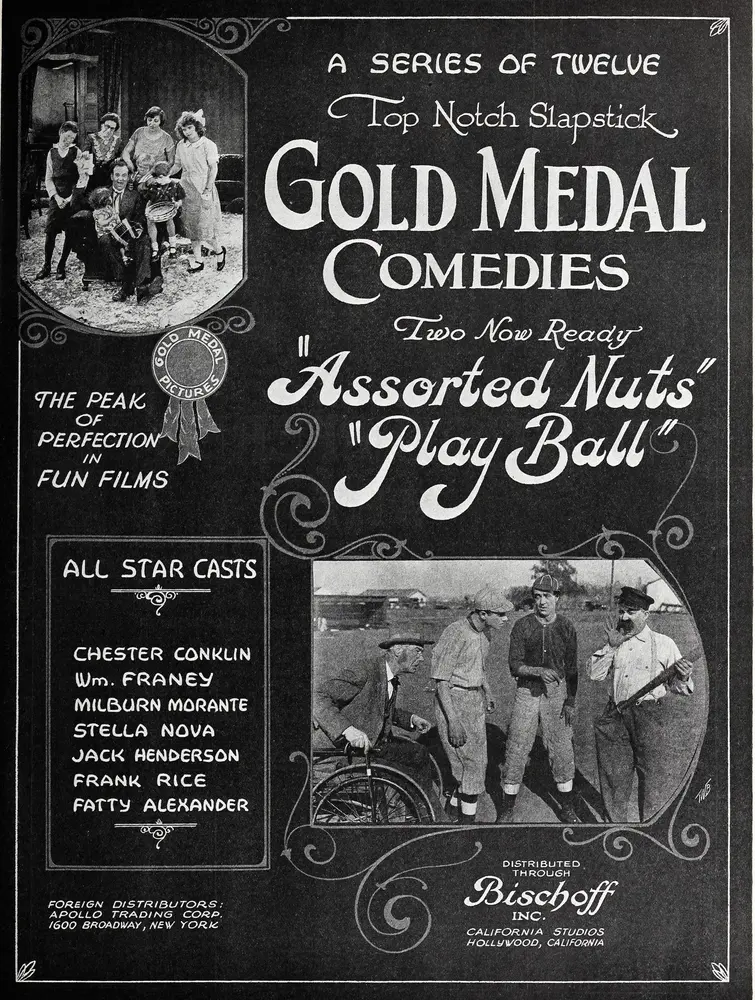
Is Play Ball (1925) worth watching today? Short answer: only if you have a deep-seated reverence for the mechanics of silent slapstick or a scholarly interest in Chester Conklin’s mustache. For the casual viewer, this is a dusty relic, but for the cinephile, it is a fascinating look at the pre-Code comedy structure that prioritized physical endurance over narrative depth.
This film is for the silent era completionist and those who find joy in the rhythmic pacing of 1920s physical theater. It is decidedly NOT for anyone seeking a modern sports drama or a cohesive, high-stakes plot. This is a sequence of gags held together by sweat and greasepaint.
1) This film works because Chester Conklin understands the geometry of a pratfall better than almost anyone else in the mid-twenties. 2) This film fails because it lacks a secondary emotional layer, making it feel like a series of sketches rather than a complete cinematic experience. 3) You should watch it if you want to see how early cinema transformed the rigid rules of baseball into a playground for surrealist physical comedy.
Chester Conklin is often overshadowed by the likes of Buster Keaton or Charlie Chaplin, but Play Ball serves as a reminder of his unique brand of 'Walrus' comedy. His performance here is anchored by his ability to look genuinely confused by the most basic laws of physics. In one specific scene, Conklin attempts to wind up for a pitch, only to have his limbs seemingly rebel against his brain. It is a moment of pure physical dissonance that feels more like a cartoon than a live-action film.
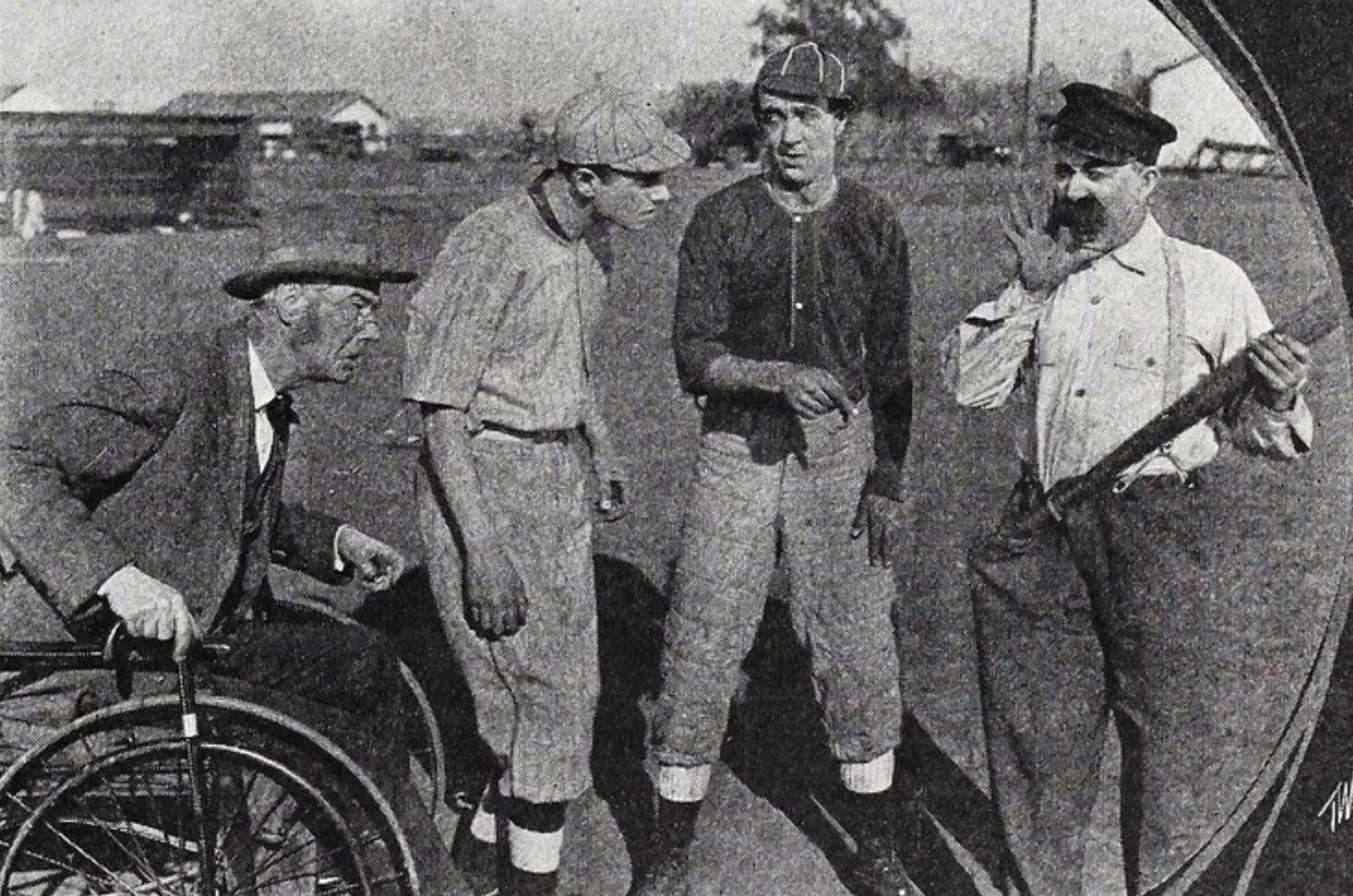
Unlike the sophisticated mechanical humor found in The Scarecrow, Conklin’s humor is more visceral and less calculated. It feels messy. It feels human. While Keaton was a clockmaker of comedy, Conklin was a demolition man. He doesn't solve problems; he exacerbates them until the entire scene collapses. This lack of precision is actually his greatest strength in Play Ball.
The direction in Play Ball is functional, serving as a wide-angle observer to the madness. There is very little of the experimental framing seen in films like Anything Once. Instead, the camera stays back, allowing the actors to utilize the full space of the baseball diamond. This spatial awareness is crucial. When Milburn Morante enters the frame, the tension isn't derived from the score—which was live at the time—but from the proximity of the two bodies in motion.
The pacing is frantic. In 1925, the goal was to keep the audience from looking away for even a second. This results in a film that feels breathless. However, there is a distinct lack of 'quiet' moments. Everything is at a ten. By the time the third inning rolls around, the audience might feel as exhausted as the players. It’s a relentless assault of motion that lacks the sophisticated peaks and valleys of a film like The Early Bird.
If you are looking for a masterpiece of the genre, look elsewhere. Play Ball is a B-tier comedy that relies heavily on the charisma of its lead. However, it offers a specific type of historical value. It shows us how 1920s audiences consumed sports. Baseball wasn't just a game; it was a cultural touchstone ripe for parody. To watch Conklin struggle with a catcher’s mitt is to understand the era's relationship with its own icons.
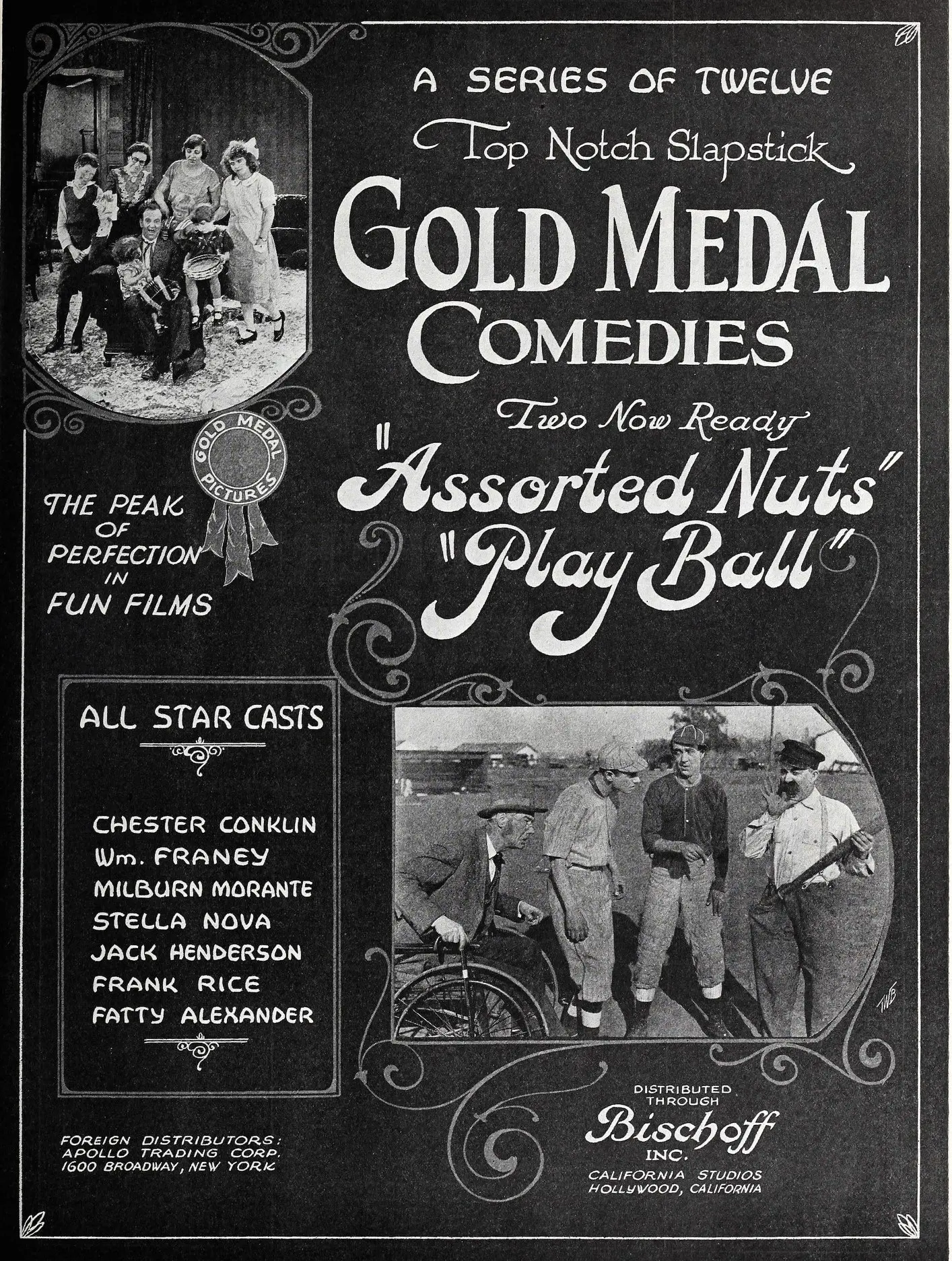
The film is a short, punchy experience. It doesn't overstay its welcome, but it doesn't leave a lasting impression either. It works. But it’s flawed. It is the cinematic equivalent of a hot dog at a ballpark: satisfying in the moment, but you’ll forget about it by the time you reach the parking lot.
Technically, Play Ball is a product of its time. The cinematography is crisp for the era, utilizing natural light to capture the grit of the baseball field. There is a certain honesty in the way the dust kicks up during a slide into second base. It lacks the stylized lighting of The Dancer of the Nile, opting instead for a grounded, almost documentary-like aesthetic for its backgrounds.
The editing is where the film shows its age. The cuts are sometimes jarring, lacking the fluid transitions we’ve come to expect. Yet, there is a charm in this jaggedness. It reflects the chaotic energy of the performance. When you compare it to the instructional tone of Golf, as Played by Gene Sarazen, you see two completely different ways of handling sports on celluloid: one for education, the other for pure, unadulterated mockery.
Let’s be honest: Play Ball isn't going to change your life. It isn't going to make you rethink the nature of cinema. It is a workhorse of a film. It was made to entertain a specific audience at a specific time, and it did that job well. Today, it serves as a window into a vanished world. The humor is broad, the stakes are low, and the mustache is huge.
I would argue that Conklin is actually more talented than he is given credit for. His ability to maintain a character through extreme physical duress is impressive. In one moment, he takes a ball to the ribs, and his reaction is a masterclass in delayed-onset pain. It’s a small, human detail in a film filled with broad strokes.
Play Ball (1925) is a swing and a miss for anyone looking for depth, but a solid base hit for fans of the genre. It is a loud, sweaty, and occasionally brilliant display of what happens when you put a clown on a baseball diamond. It’s not art, but it is excellent craft. If you have twenty minutes to spare and an interest in how comedy used to be made with nothing but a camera and a bag of flour, give it a look. Just don't expect it to stay with you once the lights come up.
IMDb 5.4
1930
Community
Log in to comment.