DbcultAccessing Vault...
Cult Review
Senior Film Conservator
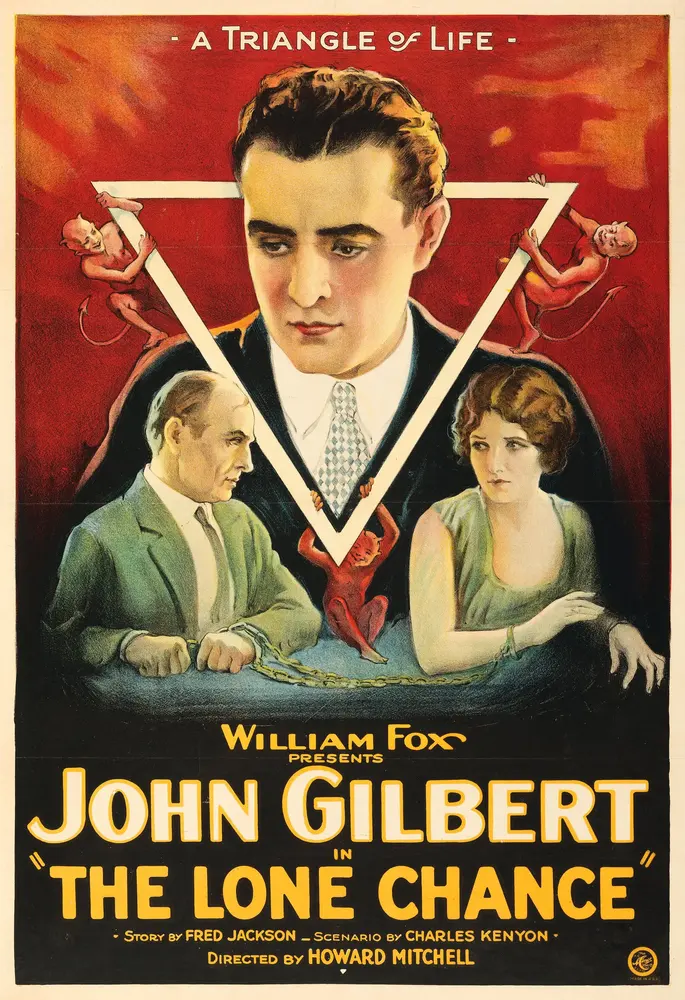
In the silent era of cinema, a gem emerged in the form of 'The Lone Chance' (1922), a film that masterfully weaves a complex narrative of love, deception, and redemption. Penniless inventor Jack Saunders, played by John Gilbert, finds himself at the crossroads of fate when he assumes the guilt for a murder in exchange for $20,000 and a promise of pardon. This Faustian bargain sets off a chain of events that propels Saunders into a world of danger and intrigue.
The film's narrative is expertly crafted, with a story that twists and turns like a labyrinth. When the agreement falls through, Saunders breaks free from his shackles and demands justice from the governor, whose daughter Margaret is embroiled in a web of her own deceit. This is where the film's themes of redemption and deception come to the forefront, as Saunders navigates the treacherous landscape of corruption and betrayal.
One of the standout aspects of 'The Lone Chance' is its cast. John Gilbert shines in the lead role of Jack Saunders, bringing a sense of vulnerability and determination to the character. Evelyn Brent also impresses as Margaret, the governor's daughter, who finds herself torn between her love for Saunders and her own desperate circumstances. The chemistry between Gilbert and Brent is palpable, and their performances elevate the film to new heights.
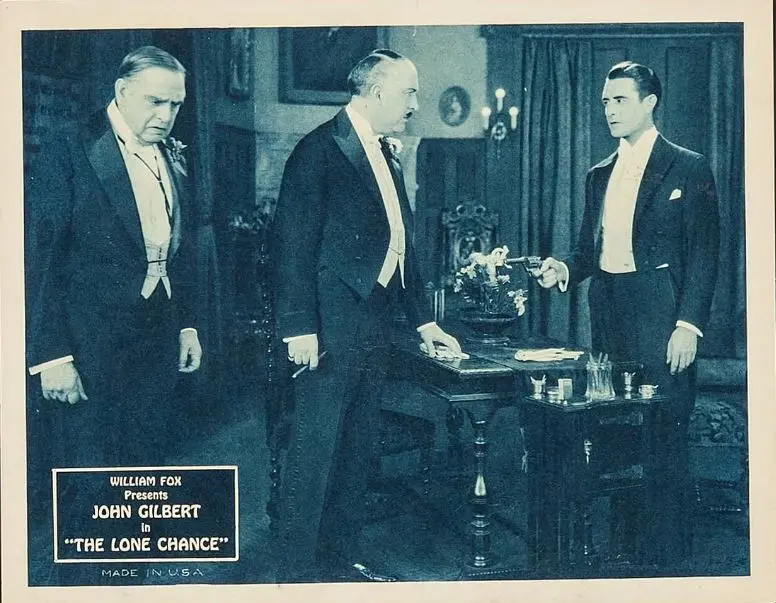
The supporting cast is equally impressive, with notable performances from Edwin B. Tilton and Harry Todd. The film's direction is also noteworthy, with a keen eye for detail and a mastery of the silent era's visual storytelling techniques. The cinematography is breathtaking, with a use of shadows and light that adds to the overall sense of tension and drama.
In terms of themes, 'The Lone Chance' explores the complexities of human nature, delving into the darker aspects of our psyche. The film's portrayal of corruption and betrayal is both thought-provoking and timely, serving as a reminder of the dangers of unchecked power and ambition. The film's climax, which features a dramatic confrontation between Saunders and the governor, is both intense and cathartic, providing a sense of closure and resolution to the narrative.
When compared to other films of the era, 'The Lone Chance' stands out for its unique blend of action, drama, and romance. Films like The Arizona Cat Claw and Not Guilty share similar themes of redemption and deception, but 'The Lone Chance' is distinguished by its expertly crafted narrative and standout performances. Similarly, films like Seein' Things and Wonders of the Sea showcase the visual storytelling techniques of the silent era, but 'The Lone Chance' is notable for its use of shadows and light to create a sense of tension and drama.
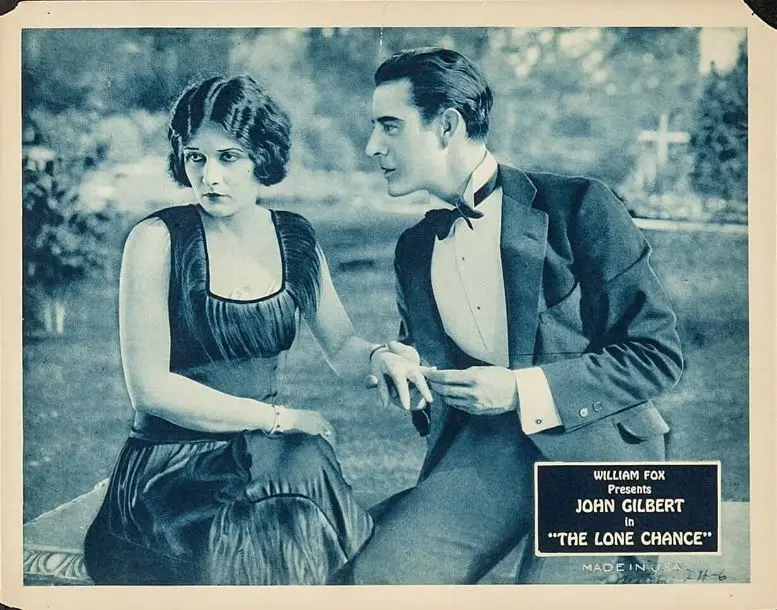
In conclusion, 'The Lone Chance' (1922) is a masterpiece of the silent era, a film that continues to captivate audiences with its complex narrative, standout performances, and expert direction. If you're a fan of classic cinema, or simply looking for a film that will transport you to another era, then 'The Lone Chance' is a must-see. With its themes of redemption and deception, and its exploration of the human condition, this film is a true gem of the silent era.
The film's influence can also be seen in later works, such as The Crimson Gardenia and Mortmain, which share similar themes of love, deception, and redemption. However, 'The Lone Chance' remains a unique and compelling work, one that continues to enthrall audiences with its beauty and power.
In the end, 'The Lone Chance' is a film that will leave you thinking long after the credits roll. Its exploration of the human condition, and its portrayal of corruption and betrayal, make it a work of enduring relevance and importance. If you're looking for a film that will challenge your assumptions and leave you moved, then 'The Lone Chance' is a must-see.
IMDb 6.6
1929
Community
Log in to comment.