DbcultAccessing Vault...
6/10
Senior Film Conservator
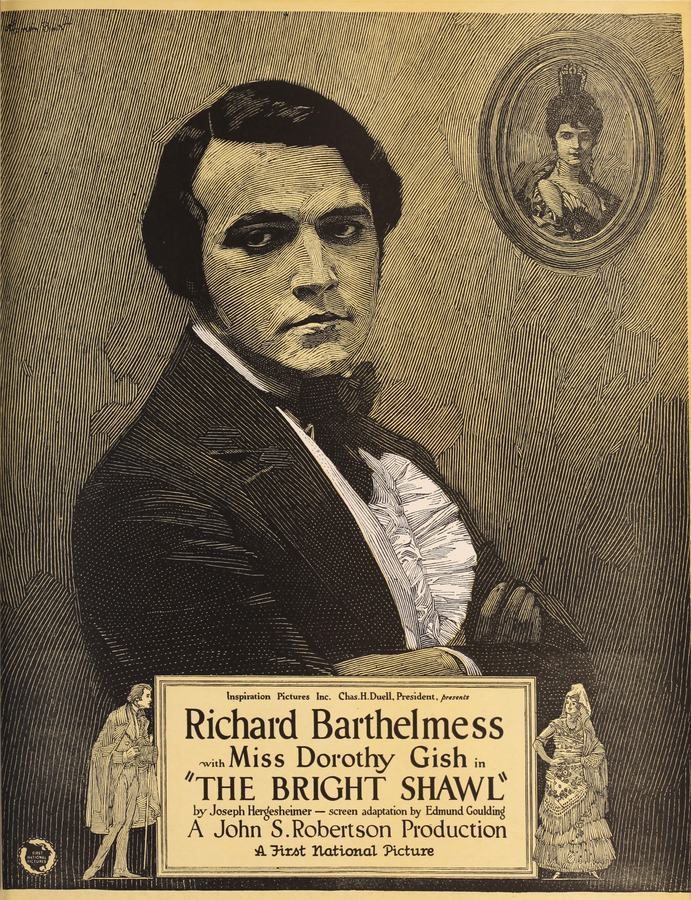
A definitive 6/10 rating for a film that redefined the boundaries of cult cinema. The Bright Shawl remains a cornerstone of transgressive art.
The year 1923 marked a pivotal juncture in the evolution of cinematic grammar, and few films encapsulate the era's burgeoning sophistication quite like The Bright Shawl. Moving beyond the rudimentary melodrama that characterized much of the preceding decade, this production—penned by the formidable Joseph Hergesheimer and Edmund Goulding—plunges the viewer into the humid, claustrophobic atmosphere of colonial Havana. It is a work that demands a discerning eye, eschewing the simplistic binaries of heroism for a more nuanced, often cynical, exploration of international meddling and revolutionary fervor.
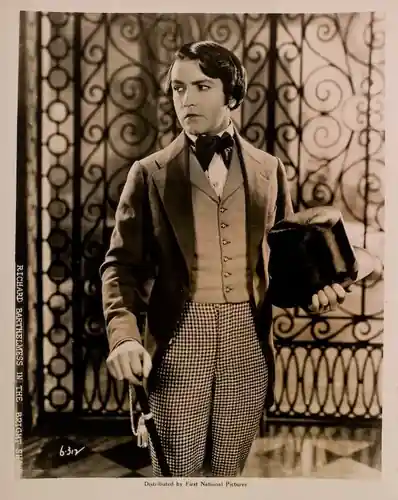
Richard Barthelmess, an actor whose face possessed a singular ability to register both porcelain innocence and world-weary disillusionment, portrays Charles Abbott with a startling lack of vanity. Abbott is not your typical swashbuckling protagonist; he is a man of surplus wealth and nebulous convictions who wanders into the Cuban struggle for independence as if it were a high-stakes parlor game. His initial interactions with the Spanish authorities are characterized by a sybaritic detachment, a quality that makes his eventual descent into the gritty reality of espionage all the more jarring. Unlike the straightforward heroics seen in Elmo the Fearless, Abbott’s journey is one of moral erosion rather than simple triumph.
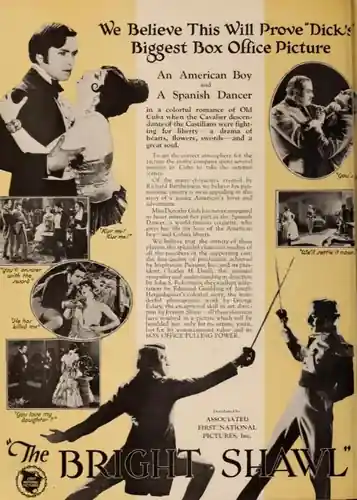
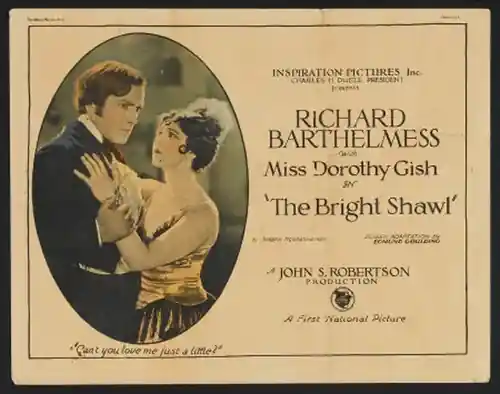
The film’s narrative architecture relies heavily on the friction between Abbott’s perceived nobility and his pragmatic use of human pawns. This is most evident in his relationship with La Clavel, played with a mercurial, almost feral energy by Dorothy Gish. Gish, often overshadowed by her sister Lillian, here demonstrates a range that is truly breathtaking. Her La Clavel is a creature of movement and fire, a stark contrast to the static, almost statuesque purity of Mary Astor’s Narcissa. The shawl itself—a vibrant, swirling motif—becomes a palimpsest of Cuban identity, draped over a woman who is both a revolutionary asset and a romantic casualty.
What elevates The Bright Shawl above contemporary efforts like Red Hot is its refusal to simplify the geopolitical stakes. The Spanish occupation is not presented as a cartoonish villainy but as a stagnant, decaying apparatus that breeds paranoia. The cinematography captures this through heavy chiaroscuro, utilizing the deep shadows of Havana’s alleyways to mirror the internal shadows of the characters' souls. There is a palpable sense of dread that permeates the frame, reminiscent of the atmospheric tension found in The Willow Tree, though here it is grounded in the blood and soil of political reality rather than ethereal fantasy.
The supporting cast reads like a who’s who of future Hollywood royalty, providing a fascinating glimpse into the early careers of Edward G. Robinson and William Powell. Powell, in particular, exudes a reptilian charm as Gaspar De Vaca, a role that prefigures the sophisticated villainy he would later refine. Robinson’s presence, even in this early stage, brings a visceral weight to the screen, a grit that contrasts sharply with the more stylized histrionics of the era. Their performances ground the film, preventing the more melodramatic plot points from veering into the territory of Dabbling in Society.
The emotional fulcrum of the film is the relationship between Abbott and Escobar. Their friendship represents a bridge between American idealism and Cuban sacrifice, a bridge that is inevitably dynamited by the harsh requirements of the revolution. When Escobar meets his end, the film shifts from a spy thriller into a somber meditation on the futility of the 'adventurer' archetype. The death of a friend is a common trope, yet here it feels earned, echoing the gravitas found in historical dramas like The Copperhead.
This tragedy strips Abbott of his pretenses. No longer is he the bored aristocrat looking for excitement; he is a man implicated in a death that he cannot rectify. The film’s pacing, which some modern viewers might find deliberate, is essential in establishing this slow-burn realization. It isn't the frantic action of Riders of Vengeance; it is a meticulous dismantling of a man’s ego.
Technically, the film is a marvel of its time. The use of location shooting (or highly convincing sets) creates a sense of verisimilitude that was rare in 1923. The texture of the walls, the dust in the streets, and the intricate lace of the costumes all contribute to a sensory experience that transcends the limitations of silent film. The visual storytelling here is as sophisticated as the European imports of the time, such as Die Augen der Schwester or the gripping Telegramtyvene.
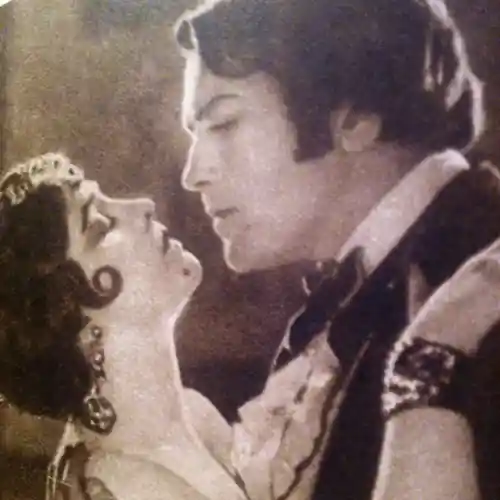
The motif of the shawl serves as a brilliant narrative device. It is a gift, a disguise, a flag, and ultimately, a shroud. It represents the exoticization of the 'other' that Abbott is guilty of, yet it also stands as a testament to the vibrant culture that the Spanish are attempting to suppress. The way the camera lingers on the fabric—its movement and its weight—suggests a level of directorial intentionality that rivals the work of the great masters. It’s a far cry from the more utilitarian filmmaking seen in The Reed Case or the somewhat chaotic energy of Red Crossed.
When we examine The Bright Shawl alongside Reputation, we see a recurring theme in early 20s cinema: the fragility of social standing when confronted with hidden truths. However, while Reputation focuses on the personal scandals of the elite, The Bright Shawl projects these anxieties onto a global stage. Abbott’s reputation is never truly at risk—his wealth protects him—but his soul is another matter entirely. The film posits that the ultimate scandal is not a loss of status, but a loss of humanity.
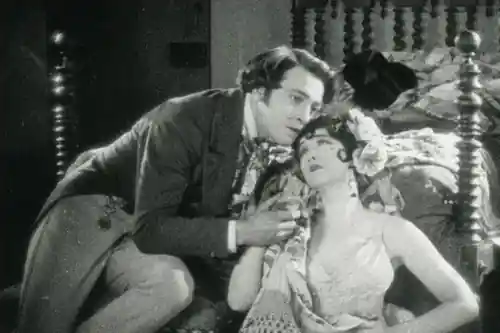
The dance sequences, particularly those involving La Clavel, evoke the kineticism of On with the Dance, but they are imbued with a darker, more desperate subtext. Dance is not merely entertainment here; it is a distraction, a weapon, and a form of protest. It is this layer of meaning that makes the film feel so modern. It anticipates the political thrillers of the 1960s and 70s, where the line between the personal and the political is irrevocably blurred.
In the pantheon of silent cinema, The Bright Shawl deserves a far more prominent position than it currently occupies. It is a film of immense ambition and considerable execution. While it shares some of the melodramatic DNA of international tragedies like Istanbul'da Bir Facia-i Ask, it possesses a uniquely American perspective on foreign intervention—one that is surprisingly self-aware for its period. The film doesn't offer easy catharsis; it leaves the viewer with a lingering sense of unease, much like the ending of The Undesirable.
The collaboration between Hergesheimer’s prose and Goulding’s cinematic sensibilities resulted in a work that is both literate and visual. It captures a moment in time—both the 1850s it depicts and the 1920s in which it was made—with startling clarity. For those who dismiss silent film as a primitive precursor to 'real' cinema, The Bright Shawl stands as a definitive rebuttal. It is as multifaceted and precious as The Queen's Jewel, a treasure of the archives that continues to glow with an undiminished, if somewhat haunted, radiance. To watch it today is to witness the birth of the political thriller, wrapped in the silk of a dancer’s shawl and stained with the blood of a revolution that Abbott could never truly call his own.
Reviewing this piece reminds one that the shadows of Havana were long before the cameras even arrived, but through the lens of Robertson and the pens of Goulding and Hergesheimer, those shadows were given a voice that still whispers through the grain of the film stock today.
IMDb 6.5
1934
Community
Log in to comment.