Summary
In a drab waterfront district where fog clings to gaslights like guilty conscience, Ed Andrews—mere ledger-ink on the payroll of a mercantile empire—adores the porcelain-faced Dora Birch, whose glance can hush the clamor of the docks. Their courtship unfolds amid the clatter of cranes and the salt-rot of timber, a fragile idyll stalked by Tom Matthews, detective and swaggering embodiment of municipal graft. A promotion of a few paltry dollars convinces Ed he can shoulder eternity; wedding bells become funeral knells in miniature, ringing through a parlour fragrant with orange-blossom and maternal pride. Two spins of the earth around the sun, and a cradle rocks a daughter whose cry is the first bright note in a score that will soon collapse into dissonance. Jubilant, Ed tips a glass with George Gardner, comrade in low wages and lower prospects; a barroom quarrel metastasizes into manslaughter when Gardner’s fist flings Jim Matthews—Tom’s brother—onto cobblestones that drink blood as greedily as they drink rain. George flees into night’s throat, leaving Ed kneeling in a widening crimson halo. The mob, that many-headed beast, mistakes proximity for guilt; Ed’s sprint becomes manacled stillness. Dawn finds him tagged with a trifling charge until the hospital telegram arrives: homicide. Tom, armed with badge and vendetta, perjures a highway-robbery fable; four months later the gavel falls on a death decree. The news kills Dora mid-breath; the infant is parcelled to grandma, who will spend two decades rattling governors’ gates. Clemutation converts the noose to a cell, but the years still ossify about Ed like barnacles on a beached frigate. Nineteen winters pass; his girl, now luminous with first love, chooses Paul Matthews—son of the very detective who orchestrated the frame-up—thus stitching the family quilt with the thread that once strangled it. On a deathbed in a far-off tenement, Gardner exhales the truth; the Governor’s seal unlocks the iron door. Father and daughter embrace under warden’s eyes that have seen every shade of contrition. Later, on a sun-splashed beach, Ed drags a drowning man from the surf only to discover the blue lips of Tom Matthews—final, accidental, karmic punctuation. No restitution, no resurrection, merely the bitter savor of a circle completed.
Synopsis
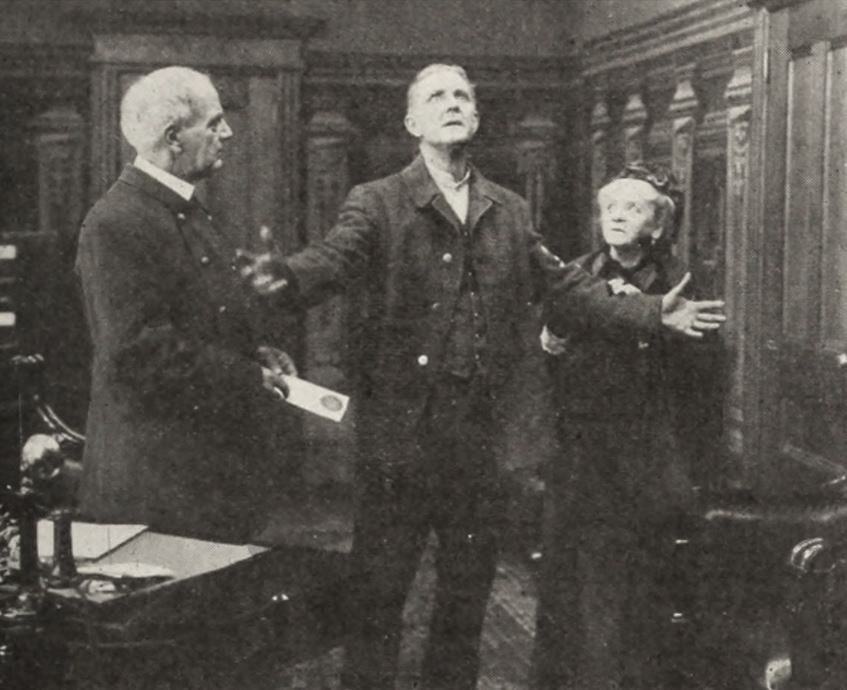
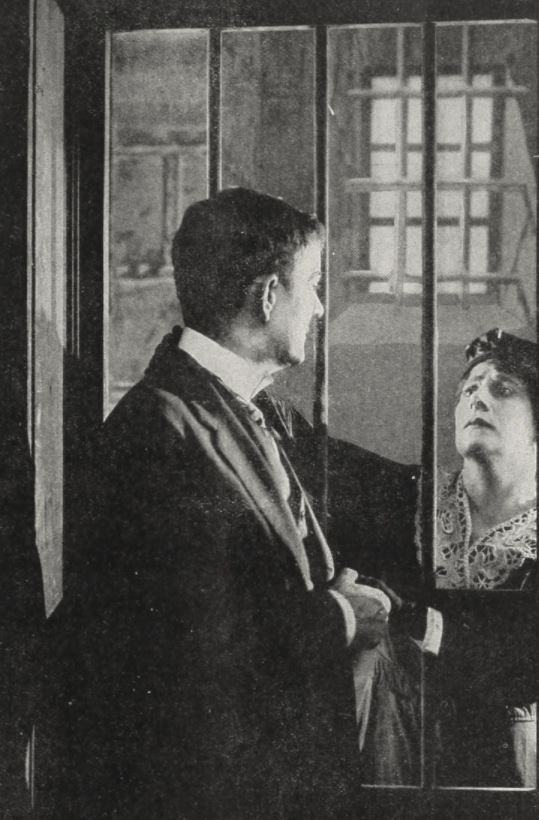
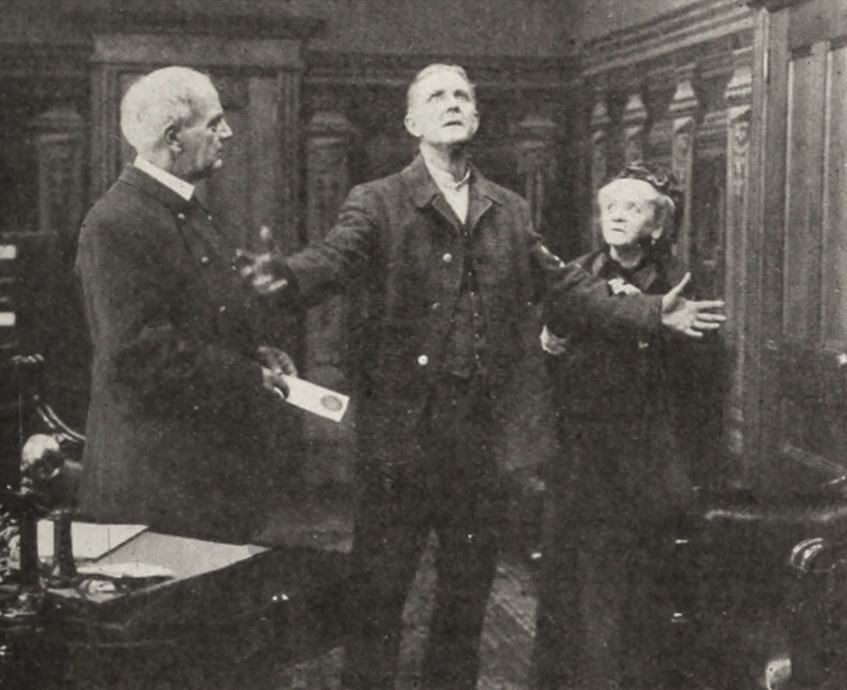
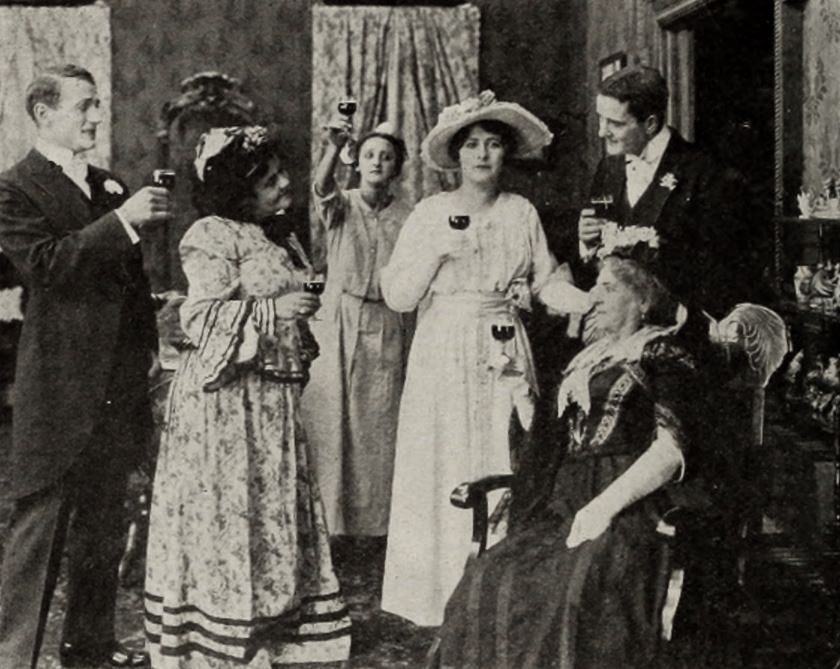
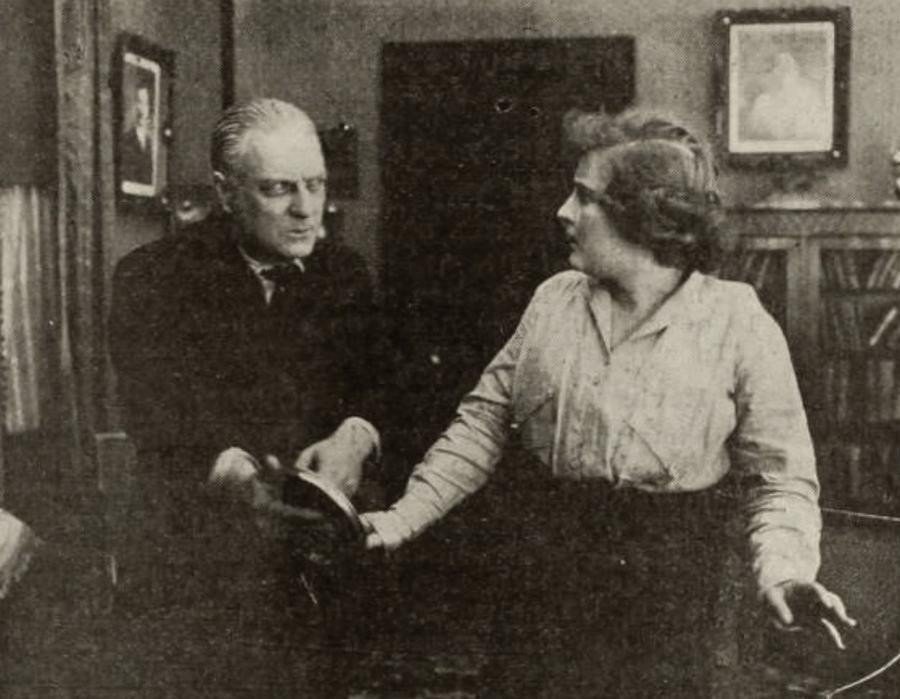
Ed Andrews, a young shipping clerk, is in love with Dora Birch, and has as rival Tom Matthews, but wins the girl, much to his mother's satisfaction. A raise in salary hastens their marriage and two years later their baby arrives. Andrews, celebrating the event, goes to the corner bar with George Gardner, his chum, and, after several drinks, Gardner gets into a fight with Jim Matthews, Tom's brother, knocking him down with a blow, Matthew's head striking the pavement, causing his death. George runs away, and Ed bends over Matthews, trying to raise him. The crowd threatens him and he starts to run, but is soon caught. In the morning he is fined for disorderly conduct, and is near freedom when word comes that Matthews is dead, and he is held for murder. Tom is a ward detective, and four months after the arrest, swears that Jim was killed while resisting highway robbery. Ed is sentenced to death, and the shock kills his wife, his mother taking the child and rearing her. She pleads with the Governor, and in view of the evidence he commutes Ed's sentence to imprisonment for life. His mother tells him of his wife's death, and, with his nerve crushed, he begins his prison life. Nineteen years later his daughter falls in love with Paul Matthews, son of the man who had sworn away his life. Ed's mother continues her efforts in his behalf, and Gardner, dying in a distant city, tells the truth about the assault. Ed is pardoned and meets his daughter for the first time in the warden's office. Ed and his daughter are having luncheon on the beach when he sees a man fall from a boat, swims out to save him and brings him to shore, but the man is dead and Ed recognized the body as that of Tom Matthews, the brother of the man his friend had killed, and on whose evidence he had spent twenty years in prison. Then he feels that while nothing can give him back his lost youth, his wasted life and the wife he loved, he has overtaken the man who was responsible for his troubles.
Review Excerpt
"
The first time I saw Not Guilty I walked in late, squinting through cigarette haze at a 16mm club print that rattled like bones in a cup. What unfolded felt less like narrative and more like a fever etching itself onto celluloid: faces bleached ivory by arc-lights, title cards terse as telegrams from the front. Julius Steger and Edgar James have birthed a parable in which happiness is a brittle crust over an abyss, and every kindness carries the aftertaste of catastrophe.
The Machinery of Iron..."