DbcultAccessing Vault...
Cult Review
Senior Film Conservator
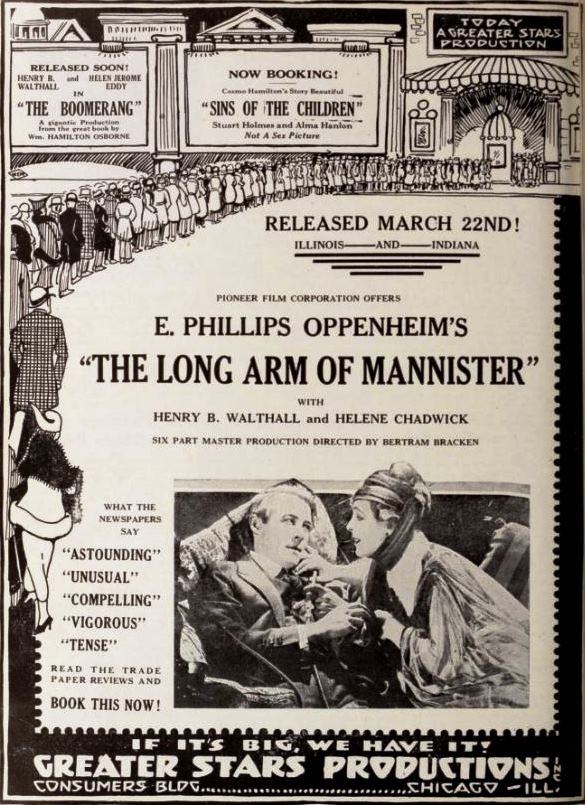
The cinematic tapestry of 1919, often celebrated for its burgeoning experimentation and the solidification of narrative forms, presents us with a compelling, if dramatically intense, offering in The Long Arm of Mannister. This is not merely a tale of betrayal and retribution; it is a profound psychological study, etched in the stark, expressive language of silent film, exploring the depths of human perfidy and the arduous journey towards a fragile, hard-won absolution. From its searing desert opening to its climactic urban machinations, the film unfurls a narrative that, even a century later, resonates with a potent, almost primal force, reminding us that the human heart, when wounded, can become an instrument of both devastating fury and surprising grace.
The film commences with an image of profound desolation: Lucy Mannister and Gaston Sinclair, adrift in a vast, indifferent desert, their bodies ravaged by thirst and hunger, their spirits likely broken by the weight of their choices. This opening tableau is a masterclass in visual metaphor, immediately establishing a sense of existential crisis and moral reckoning. Their aimless wandering speaks volumes of their internal turmoil, a physical manifestation of their spiritual exile. It is here, at their most vulnerable, that George Mannister, the wronged husband, materializes from the shimmering heat haze, a figure of implacable resolve. His pursuit, a relentless global odyssey, underscores the depth of his injury and the unyielding nature of his quest for truth. This dramatic confrontation, under the unforgiving gaze of the sun, sets a tone of high melodrama and inescapable consequence that permeates the entire production.
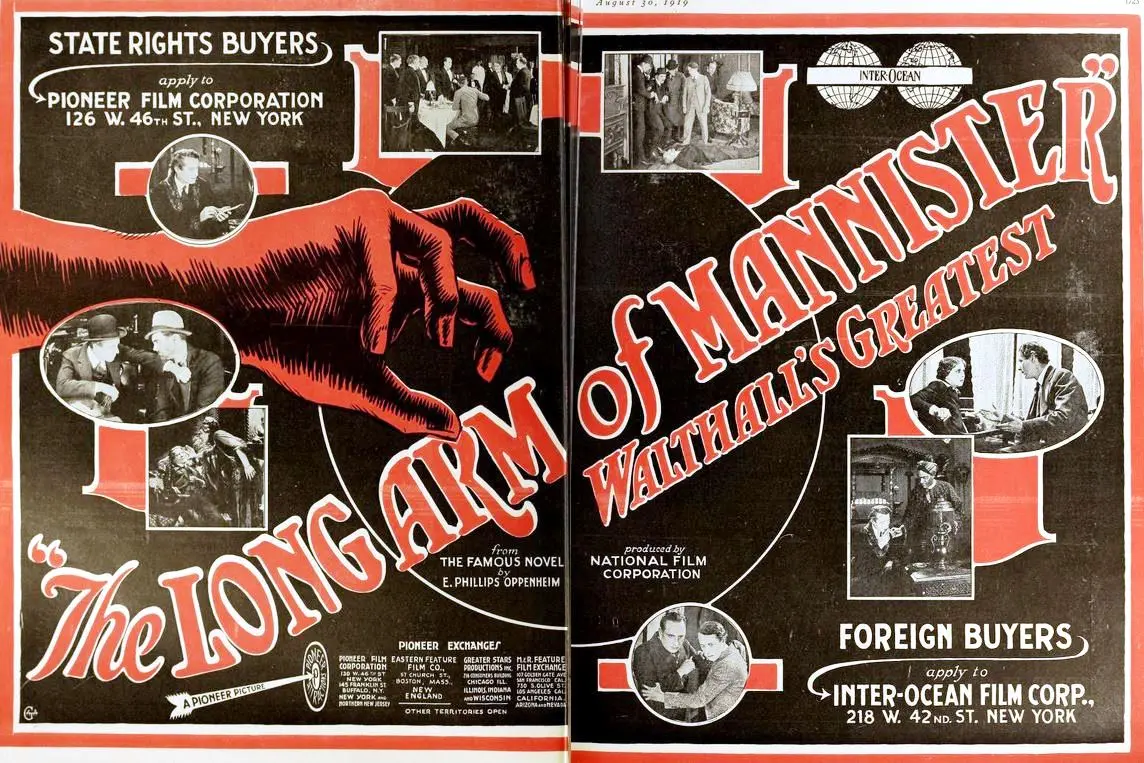
The subsequent confession extracted from Sinclair, once George's trusted friend, is a pivotal moment, unraveling a complex web of deceit. We learn of a conspiracy hatched by George's Wall Street associates, a cabal driven by avarice and a ruthless desire to ruin him. Their scheme, however, was not limited to mere financial sabotage; it extended to the insidious manipulation of George's marital fidelity. By fabricating an affair with the notorious Sylvia De La Mere, they weaponized the most intimate bonds of trust, poisoning Lucy's perception of her husband. The sight of Sylvia embracing George, a carefully staged tableau of perfidy, shatters Lucy's world, propelling her into despair and into the arms of Sinclair, who, with calculated opportunism, declares his love. This intricate layer of emotional manipulation elevates the narrative beyond a simple tale of revenge, delving into the destructive power of misinformation and the fragility of perception. It reminds one of the profound misunderstandings that drive the narrative in Should a Wife Forgive?, though Mannister's setup feels even more deliberately cruel in its execution.
Remarkably, George, despite the profound betrayal, chooses not to exact immediate, violent retribution. This restraint is not a sign of weakness, but rather a chilling indication of a far more calculated and comprehensive plan for vengeance. His return to New York marks a shift from reactive anger to proactive, methodical destruction. Here, the urban landscape becomes a stage for his retribution, a stark contrast to the desolate desert, yet equally unforgiving. The genius of the plot, conceived by Franklyn Hall and E. Phillips Oppenheim, lies in its intricate design, transforming George into an architect of ruin, meticulously dismantling his enemies' lives. This systematic approach to vengeance, a slow-burning inferno rather than an explosive conflagration, lends a palpable tension to the film, keeping the audience on edge as each conspirator faces their inevitable downfall.
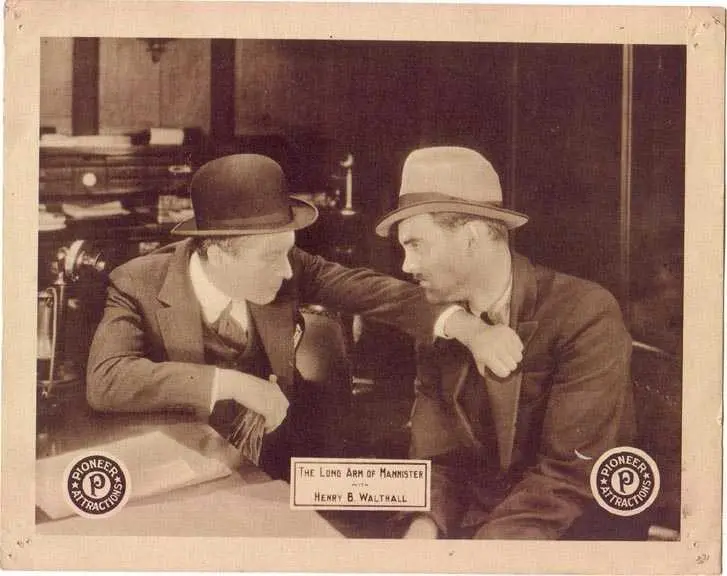
Crucially, George finds an unexpected, yet utterly compelling, ally in Sylvia De La Mere. Initially a pawn in the conspiracy, Sylvia's character undergoes a fascinating transformation. Her initial role as the 'notorious' other woman, a figure of calculated allure, gives way to a genuine affection for George. This shift is not merely a plot device; it speaks to the film's nuanced understanding of human complexity. Sylvia, perhaps recognizing the depth of George's pain or drawn to his formidable resolve, becomes an active participant in his vendetta. Her assistance is invaluable, providing George with the necessary insight into the underbelly of their shared world. However, the narrative doesn't shy away from depicting the ultimate cost of entanglement in such a web of revenge. Even Sylvia, despite her loyalty and affection, eventually succumbs to the maelstrom George unleashes, experiencing her own form of financial ruin, disgrace, or even death. This tragic inevitability highlights the indiscriminate nature of vengeance, consuming not only the guilty but often those who become too closely aligned with its pursuit. The moral ambiguity of Sylvia's fate adds a layer of sophisticated tragedy to a story that could otherwise be painted in broad strokes of black and white morality, echoing the complex moral landscapes often explored in works like Greed.
The film's final act pivots dramatically from the relentless pursuit of vengeance to the tender pursuit of reconciliation. George's discovery that Lucy is no longer with Sinclair, and more significantly, that their relationship never transcended platonic companionship, is the catalyst for this profound shift. This revelation, confirming Lucy's innocence in all but a tragic misunderstanding, re-ignites George's love and compassion. It’s a powerful moment of dramatic irony: the very mechanism that drove his initial rage—the perception of Lucy's infidelity—is ultimately revealed as unfounded, paving the way for forgiveness. His subsequent quest to locate her is imbued with a different kind of urgency, one born of profound regret and a longing for restoration. The narrative culminates in George's act of forgiveness, a gesture that transcends the earlier brutality of his revenge. He takes Lucy back, signifying not merely the mending of a broken marriage, but the healing of a deeply wounded soul. This conclusion, while perhaps offering a conventional sense of closure, is rendered impactful by the sheer weight of the preceding events, suggesting that true absolution often follows a crucible of suffering and self-discovery. It’s a testament to the enduring power of forgiveness, a theme explored with similar emotional depth in films such as Stella Maris, where profound misunderstanding eventually gives way to a loving resolution.
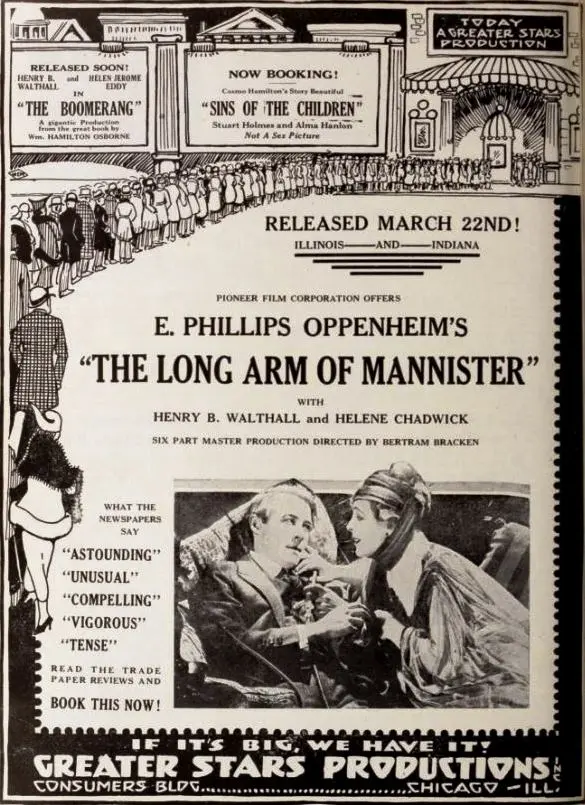
The success of such a melodramatic narrative in the silent era hinges entirely on the expressive power of its performers. Henry B. Walthall, as George Mannister, delivers a performance of remarkable intensity and nuance. He embodies George's initial despair, his cold, calculating fury, and his eventual, tender forgiveness with a captivating range of facial expressions and gestural language. Walthall avoids caricaturing the wronged husband, instead portraying a man driven to extremes by profound personal injury, yet capable of immense grace. His portrayal of Mannister's methodical dismantling of his enemies is chillingly effective, making his shift towards reconciliation all the more impactful. Helene Chadwick, as Lucy Mannister, conveys the character's initial heartbreak and subsequent quiet suffering with an affecting vulnerability. Her performance allows the audience to empathize with Lucy's predicament, caught between a devastating lie and a desperate escape. Hallam Cooley, as the duplicitous Gaston Sinclair, expertly navigates the fine line between trusted friend and opportunistic villain, his shift in allegiance portrayed with a subtle yet undeniable perfidy. Olive Ann Alcorn, as Sylvia De La Mere, is particularly noteworthy. She transforms Sylvia from a figure of scandal into a complex character, whose initial complicity gives way to genuine affection and, ultimately, a tragic fate. Her ability to convey this arc without spoken dialogue is a testament to her skill and the clarity of the film's direction. The supporting cast, including William Clifford, Matthew Biddulph, Barney Furey, and Charles Wheelock, contribute effectively to the tapestry of Wall Street intrigue and societal judgment, each adding a layer of authenticity to the world George inhabits. Their collective efforts bring to life the intricate emotional landscape envisioned by writers Franklyn Hall and E. Phillips Oppenheim, whose narrative craftsmanship is evident in every twist and turn of this compelling drama.
What makes The Long Arm of Mannister endure beyond its historical context is its unflinching exploration of universal themes: the corrosive nature of betrayal, the consuming fire of revenge, and the redemptive power of forgiveness. The film's narrative structure, moving from a dramatic revelation to a systematic retribution, and finally to a tender reconciliation, provides a satisfying, albeit emotionally exhausting, journey for the viewer. The film's strength lies not just in its plot, but in its ability to harness the unique power of silent cinema to convey profound emotional states through visual storytelling. The absence of dialogue forces a reliance on exaggerated gestures, expressive close-ups, and carefully constructed intertitles, all of which are employed to great effect here. The stark contrast between the desolate desert and the opulent, yet morally corrupt, world of Wall Street serves as a powerful visual metaphor for the characters' internal struggles and the societal forces at play. In an era when cinema was still defining its language, this film demonstrates a sophisticated understanding of dramatic pacing and character development.
The thematic richness of the film invites comparison to other works of its period. One might consider The Unwelcome Mrs. Hatch or A Bit of Jade in their exploration of societal judgment and the struggle for reputation amidst scandal. However, The Long Arm of Mannister distinguishes itself through the sheer scale of George's vengeance, which is both personal and societal, reflecting broader anxieties about financial corruption and moral decay. The writers, Franklyn Hall and E. Phillips Oppenheim, demonstrate a keen understanding of human psychology, crafting characters who are complex and often morally ambiguous. Their ability to weave together a tale of high-stakes finance with intimate marital drama is commendable, resulting in a narrative that is both thrilling and emotionally resonant.
Ultimately, The Long Arm of Mannister stands as a powerful testament to the artistry of early cinema. It is a film that demands engagement, pulling the viewer into its world of deceit, despair, and ultimately, deliverance. Its exploration of human fallibility, the seductive allure of revenge, and the arduous path to forgiveness remains as compelling today as it was a century ago. It reminds us that even in the absence of spoken words, the power of a well-told story, brought to life by dedicated performers and insightful direction, can transcend time and continue to provoke thought and stir the soul. For enthusiasts of cinematic history and those captivated by the enduring drama of the human condition, this film offers a richly rewarding experience, a silent epic that speaks volumes.
IMDb —
1915
Community
Log in to comment.