DbcultAccessing Vault...
Cult Review
Senior Film Conservator
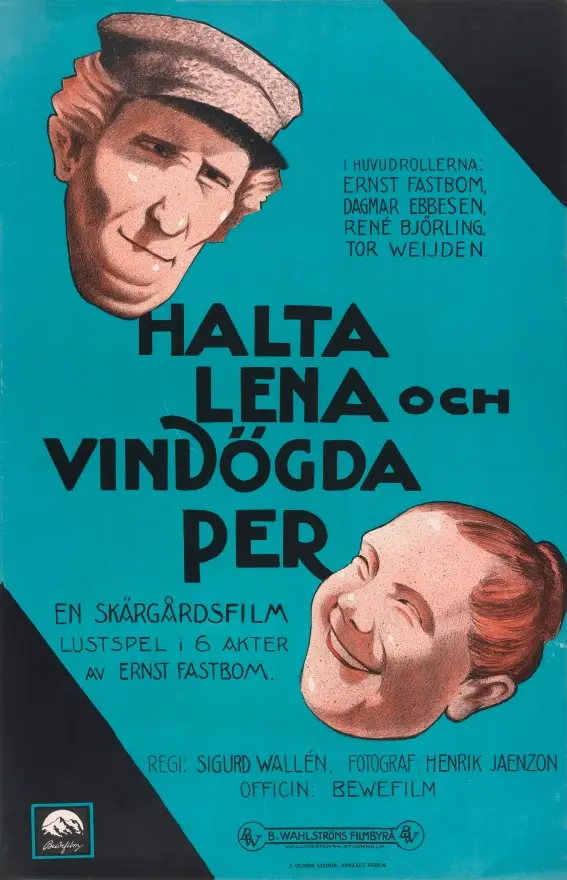
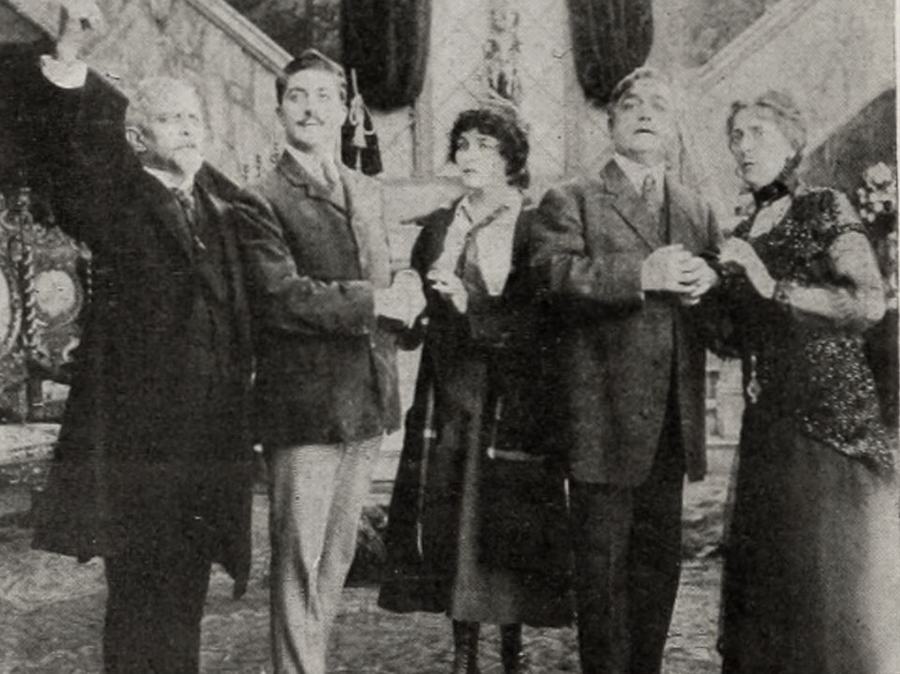
In the realm of early 20th-century Swedish cinema, 'Halta Lena och Vindögda Per' emerges as a thought-provoking exploration of beauty, identity, and familial dynamics. Adapted from Ernst Fastbom's 1910 play of the same name, this film centers on the lives of Algot Söderholm's two daughters, Magda and Lena, whose disparate physical attributes serve as the catalyst for a nuanced examination of societal values and personal identity.
The film's narrative is characterized by a deliberate pacing, allowing the audience to become fully immersed in the world of the Söderholm family. Sigurd Wallén, Justus Hagman, and Ernst Fastbom deliver performances that breathe life into the characters, imbuing them with a sense of authenticity that underscores the film's thematic concerns. The cinematography, while not overly complex by modern standards, effectively captures the essence of the era, transporting viewers to a bygone age.
One of the most striking aspects of 'Halta Lena och Vindögda Per' is its thoughtful portrayal of the societal pressures that accompany physical beauty. Magda, the beautiful sister, is met with a level of attention and adoration that serves as a stark contrast to Lena's experiences. This dichotomy is skillfully exploited by the filmmakers to explore the ways in which societal values can shape personal identity. The performances of Rosa Tillman and Dagmar Ebbesen as the sisters are noteworthy, bringing depth and nuance to their respective characters.
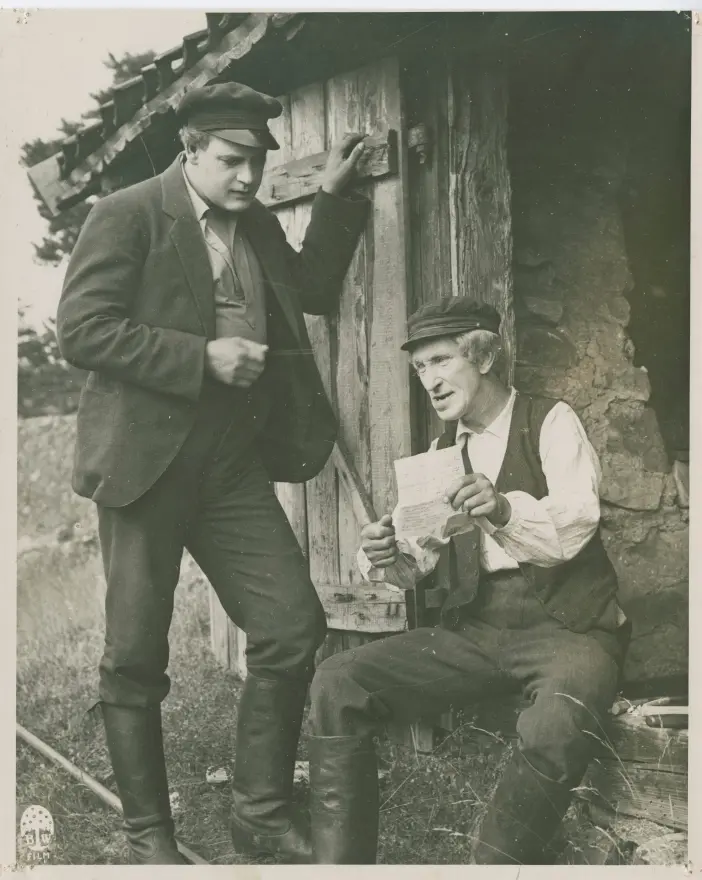
In comparison to other films of the era, such as The Yosemite Trail and Gates of Brass, 'Halta Lena och Vindögda Per' distinguishes itself through its thoughtful exploration of themes that remain pertinent today. The film's focus on character development and nuanced storytelling sets it apart from more sensationalist fare, instead offering a richly textured cinematic experience.
The film's exploration of familial dynamics is equally compelling, capturing the complexities of relationships within the Söderholm family. The character of Algot Söderholm, played by Thure Holm, serves as a patriarchal figure whose influence shapes the lives of his daughters. This portrayal adds depth to the narrative, highlighting the ways in which family structures can both support and constrain individual identity.
While 'Halta Lena och Vindögda Per' may not be as widely recognized as some of its contemporaries, such as Mile-a-Minute Romeo or Das Geheimnis der Lüfte, it remains a significant work in the history of Swedish cinema. The film's thoughtful exploration of themes, coupled with strong performances and effective cinematography, make it a compelling watch for audiences interested in early 20th-century cinema.
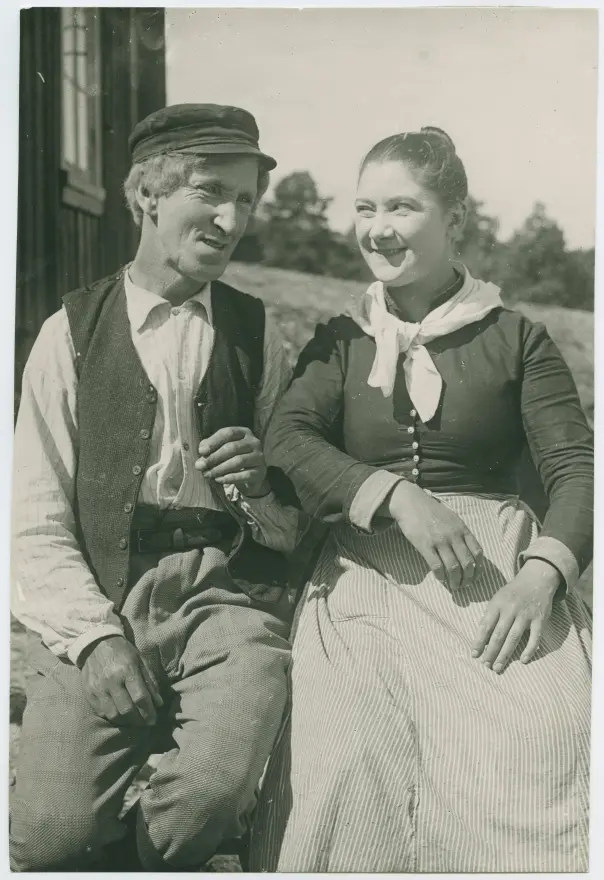
In conclusion, 'Halta Lena och Vindögda Per' is a film that warrants attention from scholars and cinephiles alike. Its exploration of beauty, identity, and familial dynamics offers a richly textured cinematic experience that remains relevant today. As a work of early 20th-century Swedish cinema, it provides valuable insights into the cultural and societal values of the era, making it an important addition to the canon of film history.
For those interested in exploring the film's themes in greater depth, comparisons to The Daughters of Men and An Auto Nut may prove instructive. These films, while distinct from 'Halta Lena och Vindögda Per', share a common concern with exploring the complexities of human relationships and societal values.
Ultimately, 'Halta Lena och Vindögda Per' is a film that rewards close attention and reflection. Its thoughtful exploration of themes, coupled with strong performances and effective cinematography, make it a compelling addition to the history of Swedish cinema.
IMDb —
1917
Community
Log in to comment.