DbcultAccessing Vault...
5.8/10
Senior Film Conservator
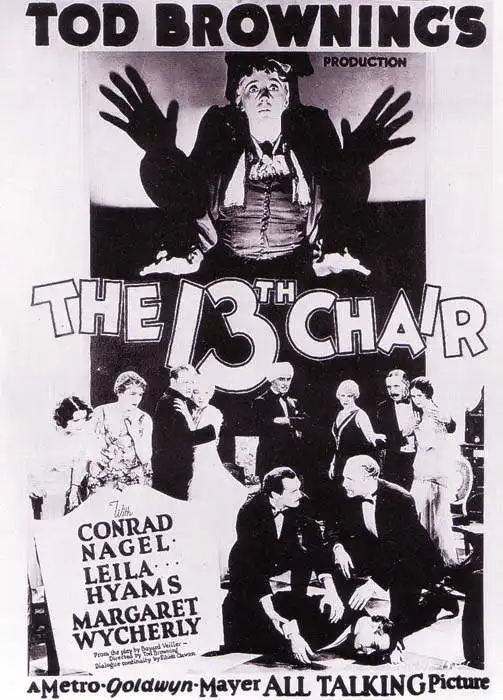
A definitive 5.8/10 rating for a film that redefined the boundaries of cult cinema. The Thirteenth Chair remains a cornerstone of transgressive art.
If you have a soft spot for dusty, stagey mysteries where people in tuxedos look terrified of shadows, then yes. You should probably skip it if you can't stand early talkies that sound like they were recorded through a thick wool blanket.
It is a total trip for fans of the weird and the old. Specifically for those who want to see Bela Lugosi before he became a household name.
The whole movie feels like you’re sitting in the back of a very old, very quiet theater. It’s 1929, so the camera doesn’t move much, but the atmosphere is surprisingly thick. 🕯️
The setup is classic mystery stuff. Edward Wales wants to find out who killed his friend, so he does what any normal person would do: he hires a medium and invites thirteen suspects over for a seance.
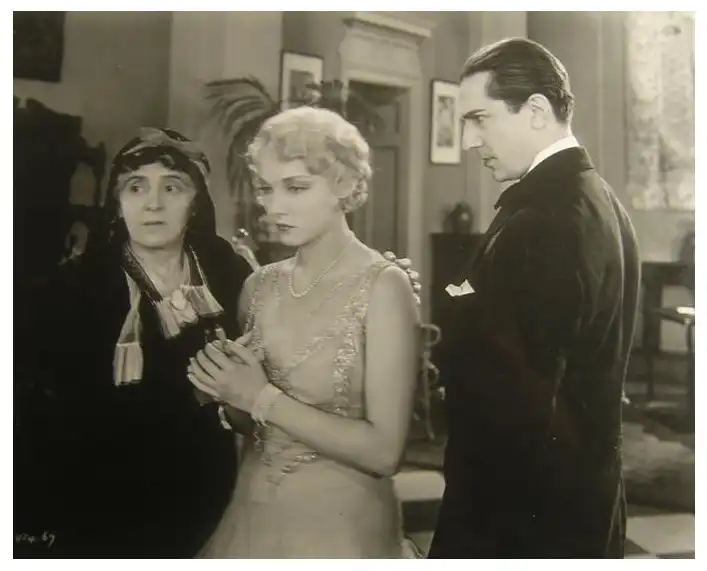
Margaret Wycherly plays the medium, Madame La Grange. Honestly, she is the best thing in this movie by a mile.
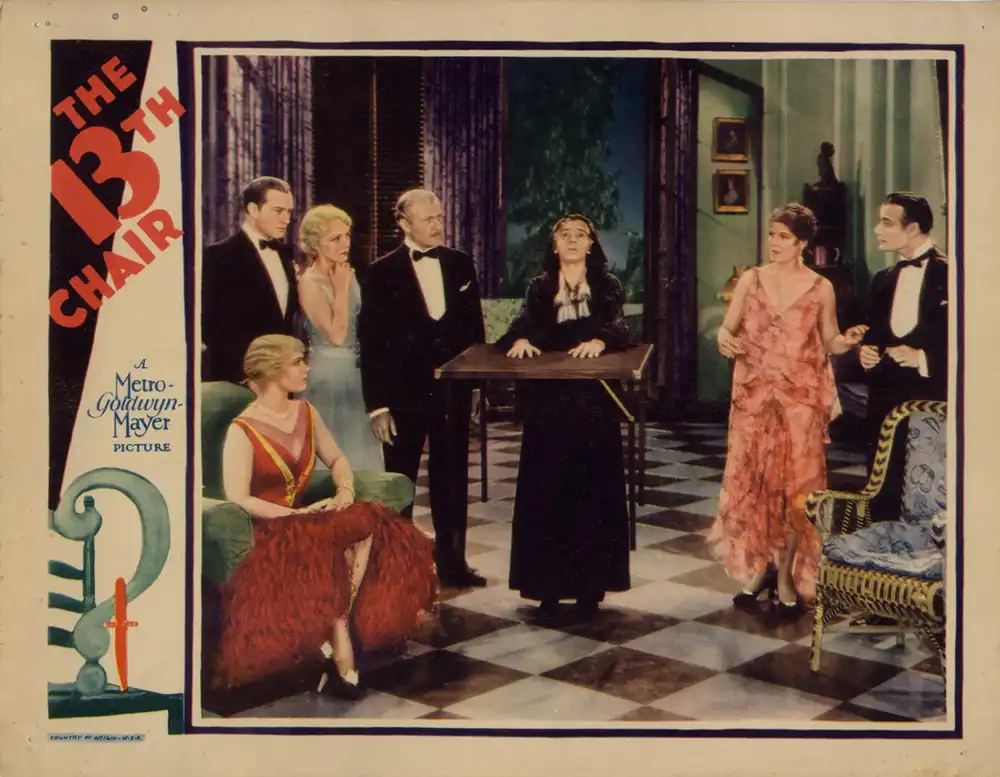
She doesn't just act; she sort of vibrates with this theatrical energy that feels completely out of place and yet perfect. Her voice has this gravelly, commanding quality that makes you believe she actually is talking to ghosts.
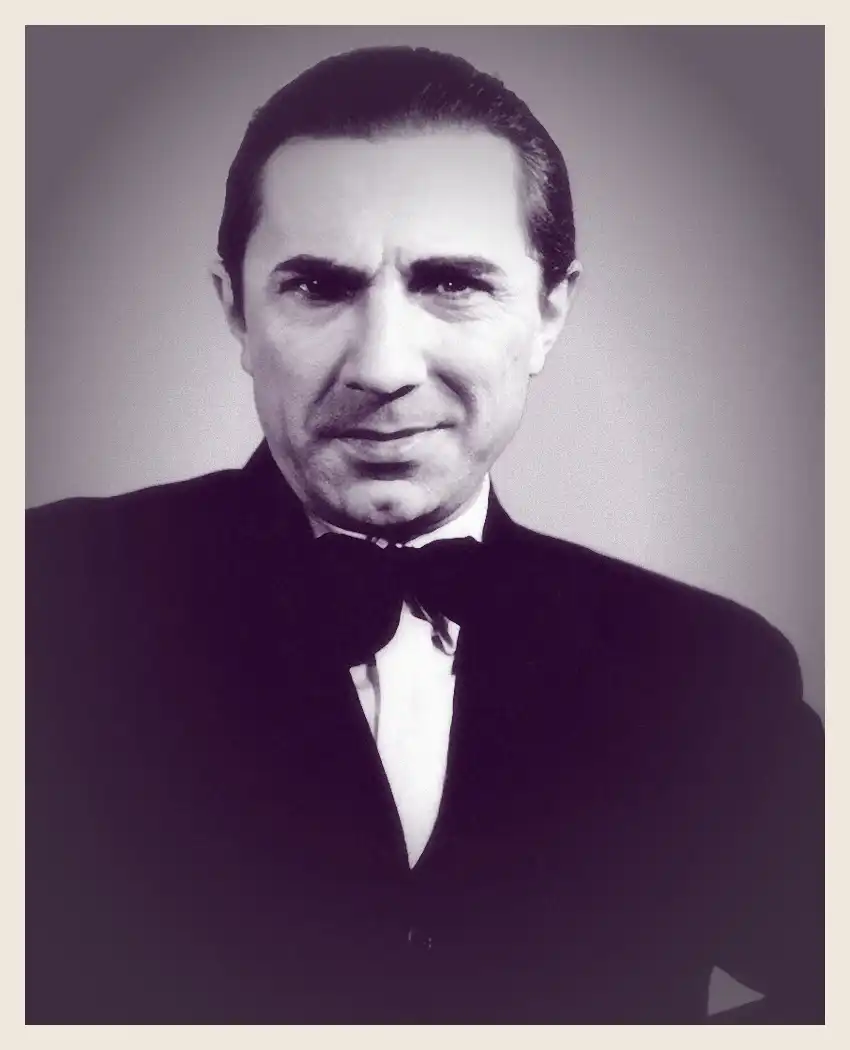
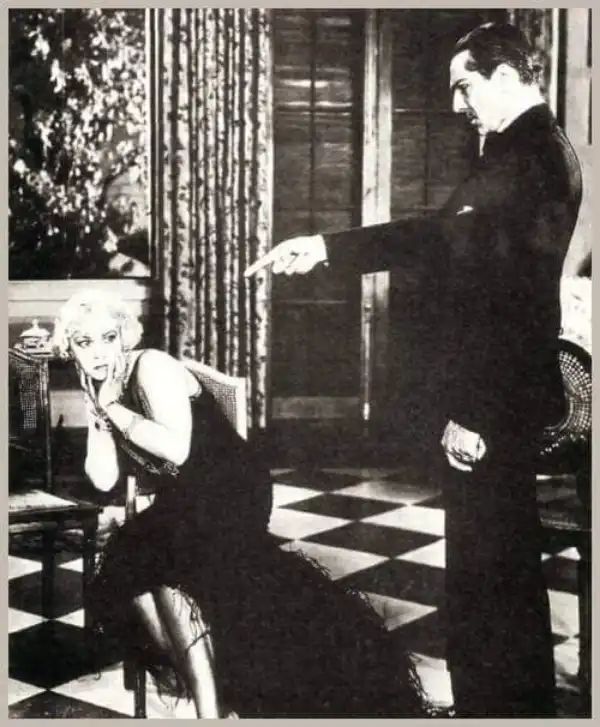
Then there is Bela Lugosi as Inspector Delzante. He’s not a vampire here, but he’s still doing that thing where he stares into your soul with those wide, unblinking eyes.
His accent is already legendary. It’s thick and strange and makes every line sound like a threat, even when he's just asking about the seating arrangements.
The movie is very much a filmed play. Most of the action—if you can call it that—happens in one big room with a lot of heavy curtains and stiff furniture.
There are long stretches where people just stand in a semi-circle and talk at each other. It’s a bit like watching a very high-stakes chess match where nobody is moving the pieces.
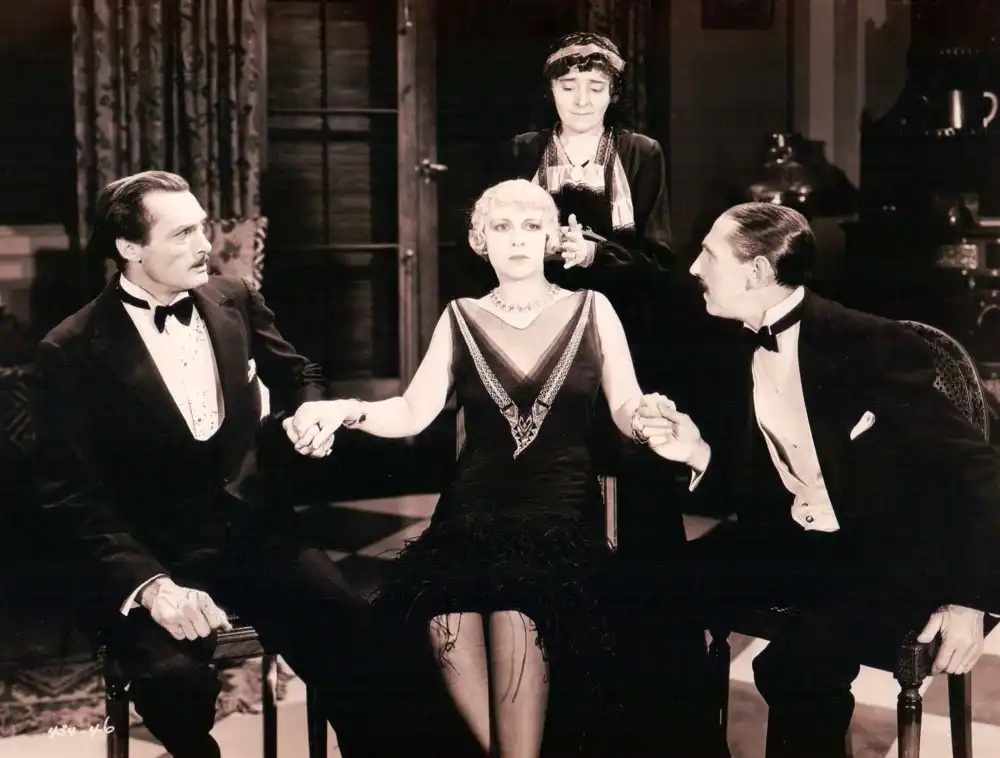
I noticed the sound quality is particularly crunchy. There’s a constant background hiss that sounds like someone is frying bacon in the next room.
Sometimes the actors have to shout to be heard over the silence, which is a weird paradox. It adds to the charm, I guess, if you like that sort of thing.
The seance scene itself is actually pretty spooky. They turn out the lights, and the screen just goes black for a while, which was probably terrifying in 1929.
You hear these disembodied voices and weird thumping sounds. It’s much more effective than any cheap CGI could ever be because your brain fills in the gaps.
When the lights come back on and there's a knife sticking out of someone, it’s a genuine 'oh no' moment. Even if the knife looks a bit like a painted piece of wood.
I found myself distracted by the fashion. Everyone is so dressed up just to sit in a dark room and be miserable.
The women have these incredibly tight finger-waves in their hair that look like they were carved out of stone. Leila Hyams, who plays the daughter, spends most of the movie looking like she’s about to faint from the stress of it all.
There’s a strange moment where a character tries to hide a piece of evidence, and they do it so slowly that you wonder if the Inspector is actually blind. It lingers just a few seconds too long, making it feel intentional in a way that’s almost funny.
The logic of the mystery is a bit thin if you think about it for more than a minute. But movies like this aren't really about the logic; they're about the vibe.
It reminds me a bit of The Shadow on the Wall in how it uses shadows to do the heavy lifting for the budget. Or maybe Detective Craig's Coup with that early, awkward detective energy.
There are thirteen suspects, but I could only tell you the names of maybe four of them. The rest are just 'Background Man with Mustache' and 'Lady Who Looks Concerned.'
This happens a lot in these old ensemble pieces. You get a lot of bodies in the room to make the 'thirteen' part of the title work, but half of them are just wallpaper.
I did love the weird spirit guide Madame La Grange talks to. She calls him 'Laughing Eyes' or something similar.
She does this high-pitched, creepy voice that sounds like a possessed doll. It’s the kind of thing that would be ridiculous in a modern movie, but here it just feels unsettling.
The ending is abrupt, like someone realized they were running out of film. The 'trick' to catch the killer is clever in a very simple, old-fashioned way.
It’s not quite as polished as something like Kill or Cure, but it has more heart. Or at least more shadows.
Is it a masterpiece of cinema? Not even close.
But it is a fascinating look at how movies were trying to figure out sound. And it’s got Bela Lugosi being weird in a tuxedo, which is always a win in my book.
If you watch it, try to do it at night with the lights off. It helps hide the grainy bits and makes the seance feel a little more real.
Just don't expect a fast pace. This movie takes its time, like a granddad telling a story he’s told a hundred times before. 🕵️♂️
One last thing—the way they use the thirteenth chair as a plot point is almost literal. It’s like the movie is afraid you’ll forget the title if they don't mention the chair every ten minutes.
It’s clunky, it’s stagey, and the audio is a mess, but I kind of loved it anyway. Sometimes you just want a movie that feels like an old, dusty book you found in the attic.
IMDb —
1916
Community
Log in to comment.