DbcultAccessing Vault...
5.9/10
Senior Film Conservator
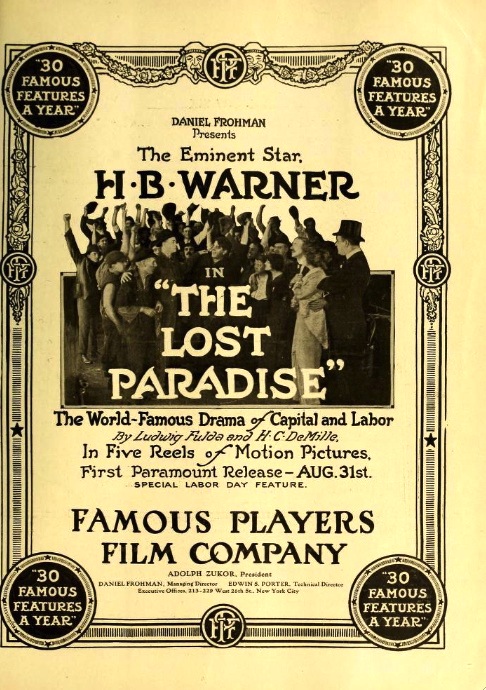
A definitive 5.9/10 rating for a film that redefined the boundaries of cult cinema. The Lost Paradise remains a cornerstone of transgressive art.
Few films of the nickelodeon era dare to weld together the white-hot strands of labor unrest, chivalric self-annihilation, and proto-feminist awakening with the muscular confidence of Henry C. DeMille’s The Lost Paradise. Shot through with the sulphurous perfume of blast furnaces and the lavender dust of drawing rooms, this 1914 one-reel marvel—expanded here to a luxuriant four—plays like a hymnal scorched at the edges, its pages curling under the breath of class warfare.
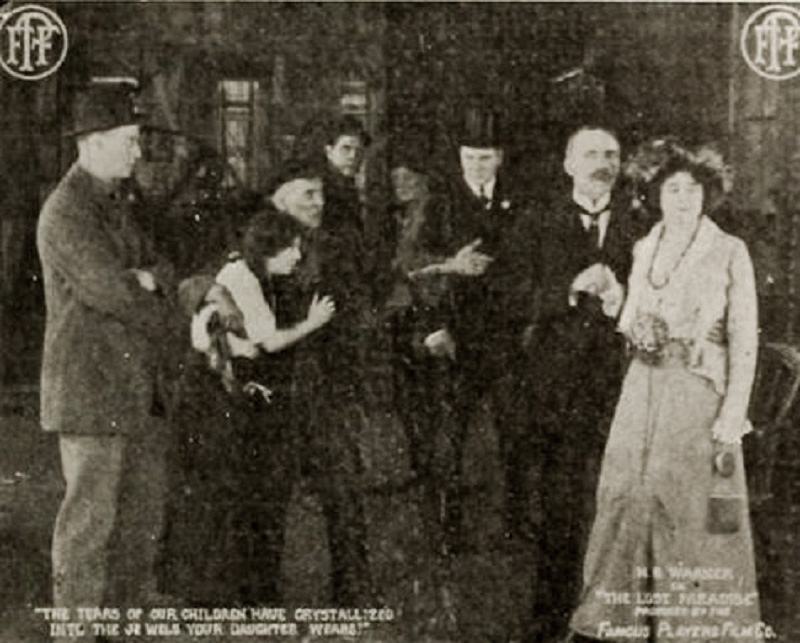
Cinematographer Phil Tead (pulling double duty as the affable mill clerk) renders Knowlton Works as a Caravaggio in motion: diagonals of molten steel slash across the frame, illuminating H.B. Warner’s cheekbones until they resemble hammered bronze. When Holwell signs the false ledger, the quill’s shadow trembles across a wall map of the town, a premonition that his lie will redraw every street. Later, Margaret’s white parasol drifts past a line of soot-faced strikers—an apparition of guilt amid industrial Golgotha.
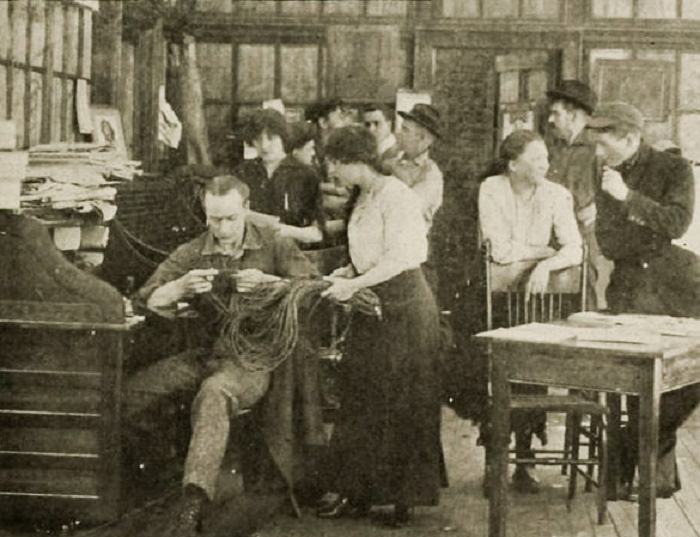
Trixie Jennery, usually typecast as the flapper foil, here channels a quivering stillness; her Margaret is no porcelain doll but a sleeping volcano who learns that charity purchased on stolen coin is merely gilded larceny. Watch her pupils dilate when she overhears the workers chanting Holwell’s name—not in vitriol but in mourning. In that splice of celluloid she ages a decade, her gloved fingers crushing the betrayal into the palm of empathy.
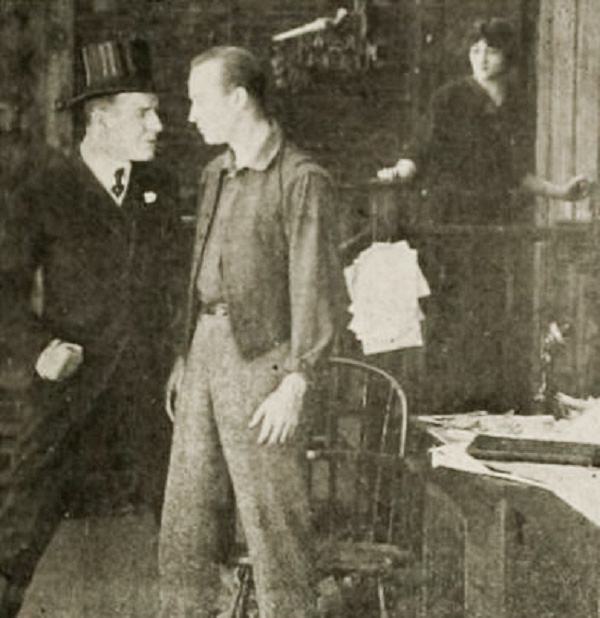
Warner shoulders the picture with a stoicism so absolute it borders on masochistic rapture. His Holwell never begs for absolution; instead he offers his body as industrial conduit—let the searing ingot of guilt brand him if it keeps the furnace of Margaret’s illusions roaring. The performance whispers rather than declaims, a gamble in an age of theatrical semaphore, yet the restraint lands harder than any histrionic flourish.
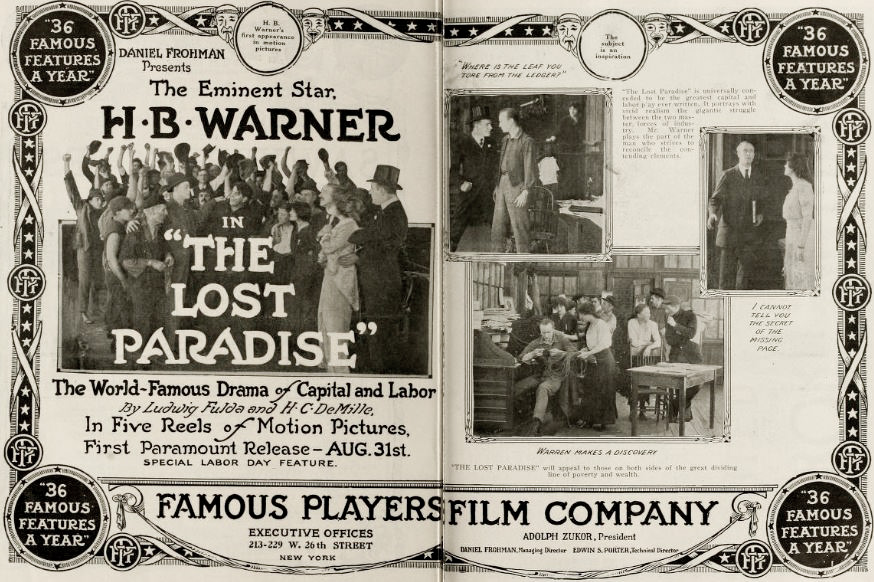
DeMille and German playwright Ludwig Fulda lace the scenario with biblical cadence: Holwell’s transference of sin mirrors the scapegoat, Colonel Knowlton a bloated King David coveting Uriah’s pension, while Margaret’s ultimate solidarity with the proletariat reads like Ruth cleaving to Naomi amid the barley fields of Bethlehem—only the barley is pig iron and the Moabites are Pinkertons.
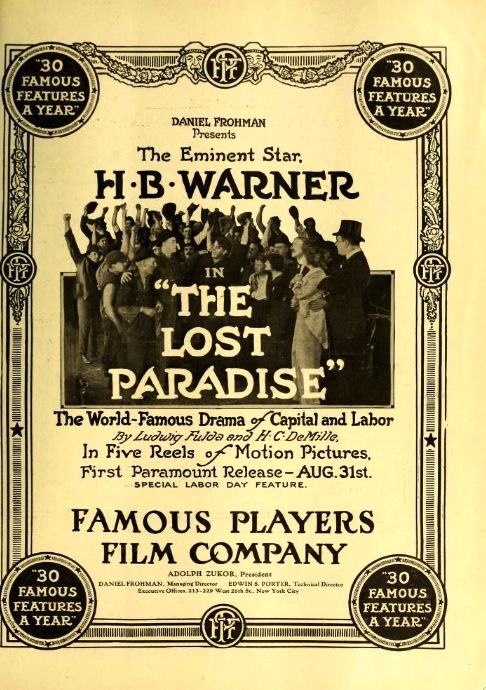
Where Spartacus would later romanticize the slave revolt and The Reincarnation of Karma flirted with karmic determinism, Paradise roots its insurrection in personal sacrifice rather than ideological manifesto. The film’s DNA also curiously anticipates the suffrage rhetoric of What 80 Million Women Want: Margaret’s awakening is not to eros but to civic responsibility, her marriage a merger of patrician conscience with working-class muscle.
Surviving prints reside at the Library of Congress, a 35 mm nitrate positive marred by vinegar syndrome along the reel-change marks. The 2022 Kino Lorber 4K restoration lavishes grain-conscious tenderness on those amber embers; the new tinting schema—cobalt nights, roseate dawn—underscores the moral chiaroscuro without lapsing into Instagram superficiality. The Mont Alto Motion Picture Orchestra contributes a score that clangs, sighs, then erupts into a brassy rendition of La Marseillaise as Margaret links arms with strikers, a cheeky anachronism that nevertheless inflames the spine.
Modern viewers may flinch at the Great-Man scaffolding: the workers’ liberation hinges on a patriarch’s confession and an heiress’s noblesse oblige rather than collective bargaining. Yet the film’s very title acknowledges the futility of returning to Eden; paradise, once commodified, can only be reforged into something sturdier, akin to the union hall that replaces the Knowlton mansion in the final shot—a bricklayer’s chapel where stained-glass windows depict gears, not saints.
The Lost Paradise endures because it refuses the narcotic of easy redemption. Holwell’s scars remain visible, Margaret’s privilege is acknowledged, the workers’ victory is partial. What lingers is the image of two silhouettes—one besmirched by cinder, one by complicity—walking toward a horizon still smeared with smoke, yet no longer belching forth the soot of stolen futures. In the current age of corporate mea-culpas and performative allyship, this century-old parable hisses like fresh ore: true solidarity demands more than confession; it demands the surrender of the very ledgers that once defined your worth.
IMDb —
1927
Community
Log in to comment.