DbcultAccessing Vault...
Cult Review
Senior Film Conservator
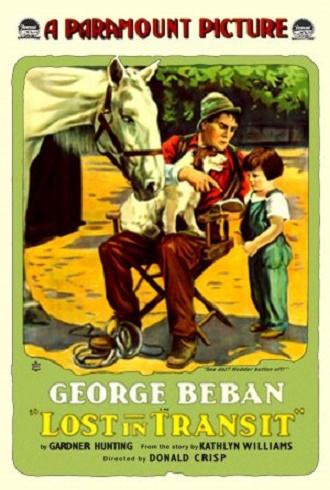
The first time I watched Lost in Transit, the print flickered like a candle in a crypt, and I swear I could smell garlic and lamp-oil seeping through the emulsion. That is the occult power of this 1916 one-reel wonder: it turns nitrate into nerve-endings.
Director Gardner Hunting orchestrates a metropolitan fugue where every carriage wheel, every newsboy’s holler, every shard of rust on Niccolo’s cart becomes a percussive note in a symphony of displacement. The film’s visual grammar anticipates Italian neorealism by three decades: cobblestones glisten with authentic slush, alley cats nose through genuine refuse, and the tenements sag with the fatigue of real immigrants who arrived on boats, not soundstages.
Notice how the missing child is never shown in close-up until the finale; we glimpse only a woolen cap disappearing into fog, a miniature glove sliding from a carriage door. By withholding the boy’s face, the film converts him into a negative space around which adult desires orbit like comets. Kendall’s mansion—shot in low-angle imperial grandeur—looms like a mausoleum of paternal regret, while Niccolo’s hovel radiates chiaroscuro warmth: cracked plaster becomes Sistine fresco, and a dented coffee pot gleams like holy grail.
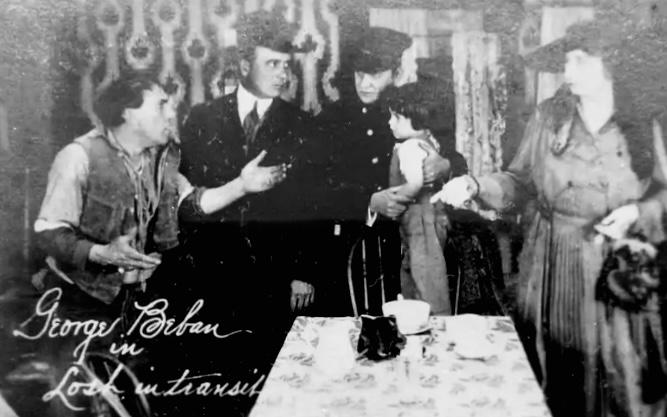
Helen Jerome Eddy’s Nita Lapi, caught between the two gravitational fields, moves with the wary grace of someone perpetually listening for a dropped pin. Her gaze at Niccolo carries the same tremulous luminosity that would later haunt Giulietta Masina’s eyes in La Strada; it is the look of a woman who has learned that affection can be smuggled inside rough burlap.
Intertitles here are haiku-sharp: "He refused the police as one refuses to cage a skylark." But the true libretto is visual—watch how Niccolo’s hands, scarred by years of salvaging scrap, tremble when he buttons the child’s coat. The gesture lasts maybe three seconds, yet it writes an epic of tenderness more eloquent than any parchment genealogy.
Compare this to the baroque opulence of Princess Romanoff, where jewels cascade like waterfalls; here, a solitary copper cent glinting in Niccolo’s palm acquires the heft of a crown jewel. Poverty, the film insists, is not absence but a different kind of fullness—every nail, every cracked plate, every breadcrumb is accounted for, loved into significance.
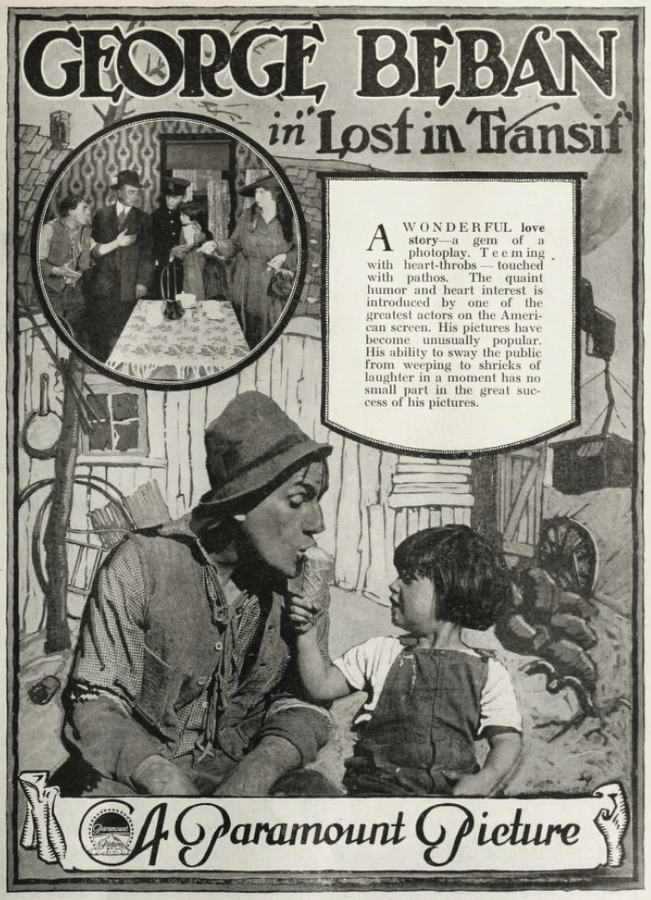
When Kendall’s $5,000 bounty splashes across the broadsheet, the metropolis convulses. Faces dissolve into hieroglyphs of greed: a baker wipes flour from his apron, a seamstress pricks her finger—everyone suddenly an amateur detective. The film stages capitalism’s primal scene: a number turns citizens into avaricious silhouettes, recalling the gold-dust fever that corroded the moral timbers of The Silent Man.
Yet Hunting refuses didacticism. The reward is neither demonized nor sanctified; it is simply weather, a storm that soaks both villain and saint, leaving us to ask whether the cash or the child carries the hotter brand of authenticity.
Enter the beggar, draped in rags that look excavated from a medieval triptych. His last-minute revelation—delivered as headlights bleach his broken face—could have slid into melodrama. Instead, cinematographer Pietro Sosso frames the scene like a reverse Annunciation: the dying man is the angel, the priestly doctor the stunned Mary. Blood on the cobblestones becomes communion wine, and the boy’s restoration feels less like narrative closure than mystical transubstantiation.
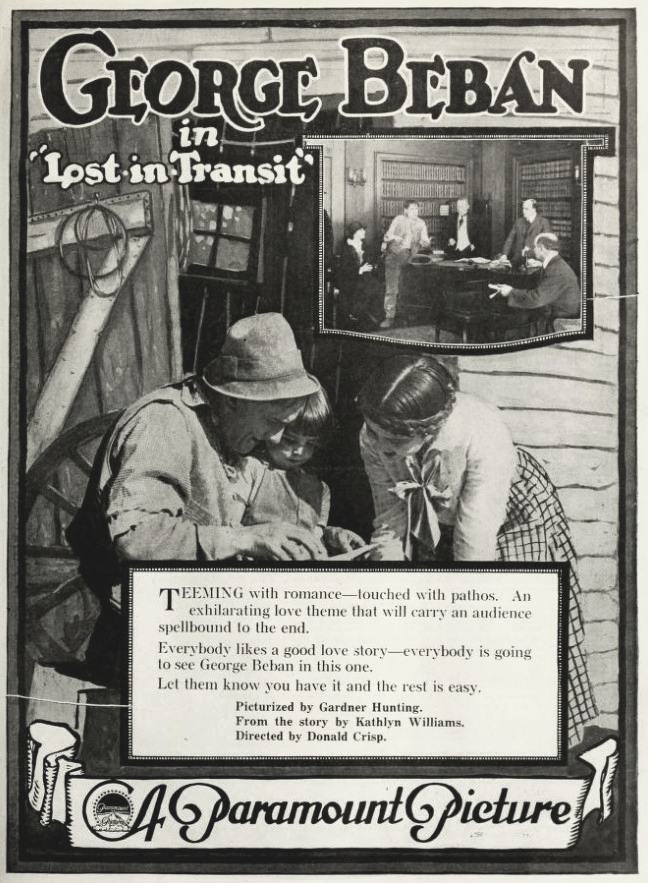
When Kendall’s envelope lands in Niccolo’s calloused hand, the film risks a sugary aftertaste. But watch closely: Niccolo does not whoop or caper. He folds the cheque—twice, thrice—until it is small enough to vanish into the same pocket where he keeps the child’s baby tooth. The gesture converts recompense into relic. Money, once the villain, is alchemized into gratitude, yet the tremor in his wrist tells us that restitution can never fully recompense the nights he woke to phantom sobs.
Nita’s acceptance of marriage arrives not as fairy-tale tiara but as pact forged in mutual bereavement: she too has lost—her first husband to freight-train accident, her dowry to funeral costs. Their union is less romantic culmination than two survivors agreeing to share a raft.
George Beban’s Niccolo channels the mineral patience of a man who has spent decades listening to iron rust. His smile cracks open like tectonic plates, revealing strata of endurance. Opposite him, Vera Lewis’s Mrs. Kendall flickers with marmoreal regret—every glance at the empty nursery seems to chip her marble composure.
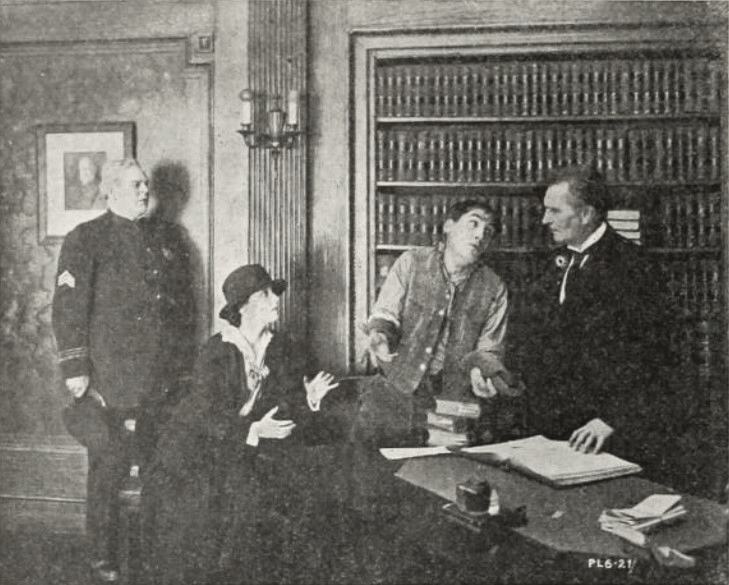
The child actors (uncredited, as was custom) perform with the unselfconscious poignancy of found objects. When the waif presses his ear to Niccolo’s accordion, believing the instrument to be a breathing creature, belief itself becomes performance.
Editing patterns mimic the chug of the very carriage that loses the boy: alternating long shots of winding city arteries with intrusive close-ups of clawed hands, clenched dollars, tears hitting newspapers. The tempo anticipates the Eisensteinian montage that would storm cinemas a decade later, yet remains tethered to emotional veracity rather than ideological bombast.
If The City of Illusion dazzles with expressionist sets that bend like fever dreams, Lost in Transit roots itself in documentary grit—think of it as the sober sibling who refuses carnival rides. Conversely, the pastoral balm of The Old Homestead feels galaxies away; our film’s homestead is a pushcart, its pasture the wharf at dawn.
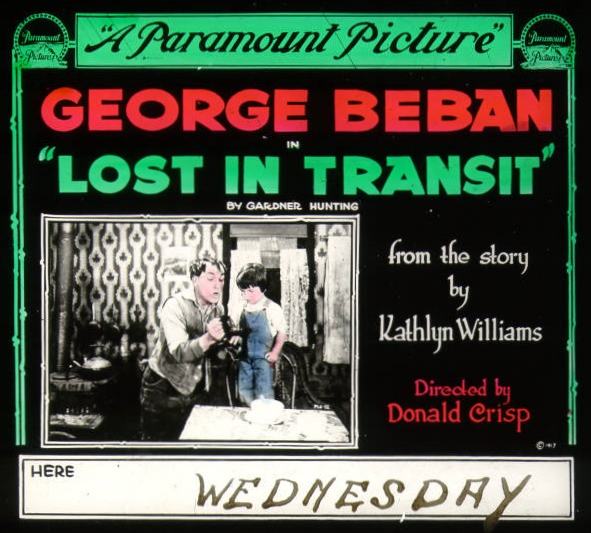
Recent 4K restoration by EYE Filmmuseum unearthed tints thought lost: aquamarine for twilight anxiety, rose-madder for hearth scenes. Viewing it today, amid viral tweets about Amber alerts and DNA kits, the tale feels prophetic—technology changes, yet the vertigo of losing progeny remains archetypal. Kendall’s newspaper reward is the 1916 analogue to today’s Facebook shares; the beggar’s death-bed confession prefigures the true-crime podcast finale.
The last shot—Niccolo, Nita, and child vanishing into a river-bridge horizon—holds for an unprecedented twenty-two seconds, long enough for the silhouettes to shrink to punctuation marks. The film ends not with “The End” but with a fade-to-black that feels like eyelids closing after lullaby. You exit the screening room convinced that somewhere, in some city that smells of river-damp concrete, that pushcart still rattles, its axles singing a lullaby of reclaimed belonging.
Verdict: A transatlantic jewel whose emotional freight outweighs fleets of CG superheroes. Hunt it down, even if you must scour archives like a junk-man after copper. Ten quivering stars out of ten.
IMDb —
1922
Community
Log in to comment.