DbcultAccessing Vault...
Cult Review
Senior Film Conservator
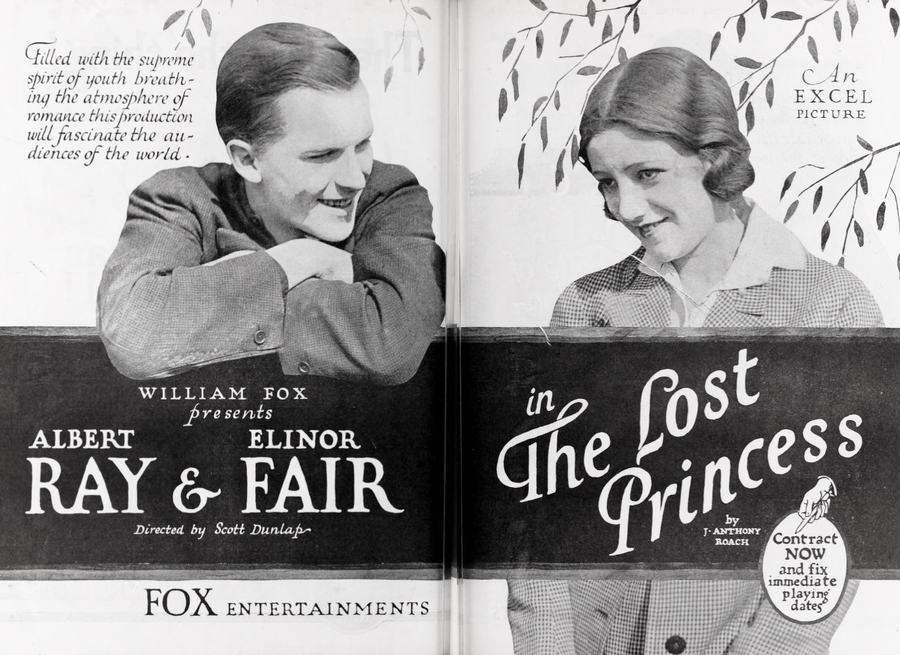
In the rich tapestry of early cinema, where narrative experimentation often danced with emergent storytelling techniques, "The Lost Princess" emerges as a fascinating artifact from 1917. This production, penned by Scott R. Dunlap and Joseph Anthony Roach, transcends a mere romantic drama, delving into the intricate interplay between aspiration, reality, and the potent escapism of the subconscious. It's a film that, despite its vintage, speaks to timeless human desires: the yearning for professional validation, the pursuit of an idealized love, and the often circuitous, sometimes fantastical, path one takes to achieve both. The very essence of its plot, unfolding largely within the realm of a dream, offers a unique lens through which to examine the anxieties and ambitions of its era, painting a portrait of a young man navigating the complex landscape of personal and professional fulfillment.
The narrative pivots on Samuel Blevins, Jr., portrayed with a compelling blend of naiveté and earnest ambition by George Hernandez. Tethered to the prosaic rhythms of farm life, Samuel is a man whose spirit yearns for intellectual liberation, finding solace and purpose in a correspondence course on newspaper reporting. This initial premise immediately establishes a relatable conflict: the individual's struggle against their predetermined circumstances, a theme echoed in countless narratives of the era, from literary giants to nascent cinematic endeavors. His dedication to this academic pursuit, even at the expense of his agricultural duties, underscores a profound internal drive, a hunger for a life less tilled, more written. This kind of personal sacrifice for a greater calling often resonates deeply, much like the protagonists in films exploring societal pressures and individual aspirations, such as The Chosen Path, where characters grapple with pivotal life decisions that steer them away from the familiar and into the uncertain.
Upon his inevitable departure from the bucolic confines of the family farm and his subsequent immersion into the bustling urban landscape, Samuel confronts the harsh realities of a competitive profession. The city, often romanticized as a crucible of opportunity, initially proves indifferent, a gauntlet of editorial rejections that test his nascent resolve. His initial forays into the sprawling, impersonal offices of metropolitan newspapers were met with a discouraging uniformity of indifference. Each rejection, a subtle paper cut to his burgeoning aspirations, chipped away at the romanticized image of urban journalism he had cultivated on the farm. The city, a colossal entity of towering buildings and ceaseless motion, proved a formidable gatekeeper, demanding not just raw talent but a specific polish he had yet to acquire. This period of humbling recalibration is crucial; it grounds Samuel's journey in a tangible, arduous reality, making his eventual breakthroughs all the more resonant. It’s a classic arc: the hopeful provincial confronting the indifferent metropolis, a narrative blueprint that remains potent in storytelling, often serving as a mirror for the audience's own struggles against established systems.
Samuel's fortunes take a definitive turn with the introduction of Ethel Williams, a character imbued with both pragmatic wisdom and burgeoning romantic potential. Portrayed by Elinor Fair, Ethel is initially the sagacious author of the widely syndicated "Advice to the Lovelorn" column, a figure of quiet authority and perceptive insight. Her role as Samuel's stylistic mentor is pivotal; she not only refines his prose but also discerns the raw talent beneath his rough edges, ultimately championing his cause to her managing editor. Ethel is far from a mere plot device; she is a fully realized character whose intelligence and empathetic understanding shape Samuel's destiny. Her column suggests a profound insight into human nature, particularly the nuances of emotional connection, which she deftly applies to Samuel's professional predicament. Her initial critique of his writing style isn't condescending but constructive, a testament to her genuine desire to foster talent. It is this discerning eye and unwavering support that not only opens doors for Samuel but also cultivates a deep, unspoken bond between them. She sees beyond the rough-hewn farm boy to the insightful storyteller within, acting as both a professional mentor and a quietly blossoming emotional anchor.
This mentorship subtly morphs into a deeper connection, establishing Ethel not merely as a professional guide but as a nascent romantic interest, a dynamic that adds layers of emotional complexity to Samuel’s professional quest. Her belief in him transcends mere professional courtesy; it becomes an act of faith, a testament to her character and her profound impact on Samuel's trajectory. The relationship between Samuel and Ethel is the emotional bedrock of the film, illustrating how support and affection can be intertwined with professional growth. Ethel is not a passive damsel; she is an active participant in Samuel's journey, her influence shaping both his career and his understanding of love. This reciprocal relationship, where professional guidance leads to personal entanglement, offers a nuanced portrayal of human connection, suggesting a partnership founded on mutual respect and intellectual camaraderie before blossoming into deeper affection.
The narrative veers sharply into the realm of the fantastical, a common yet effective device in early cinema to explore heightened emotions and complex scenarios. A rival, the Sunday Magazine editor (played by H.C. Simmons), harbors an unrequited affection for Elinor (presumably Ethel in his mind, or perhaps another character named Elinor Fair, given the actress's name), and attempts to sabotage Samuel’s burgeoning career. This classic antagonist provides the impetus for Samuel's greatest challenge: producing a compelling feature article under immense pressure. When inspiration eludes him, it is Ethel, now deeply enamored, who plants the seed of an extraordinary story: the clandestine existence of Princess Marie of Burvania, hidden somewhere within the United States. This moment is pivotal, blurring the lines between journalistic pursuit and romantic fantasy, setting the stage for the film's most elaborate sequence.
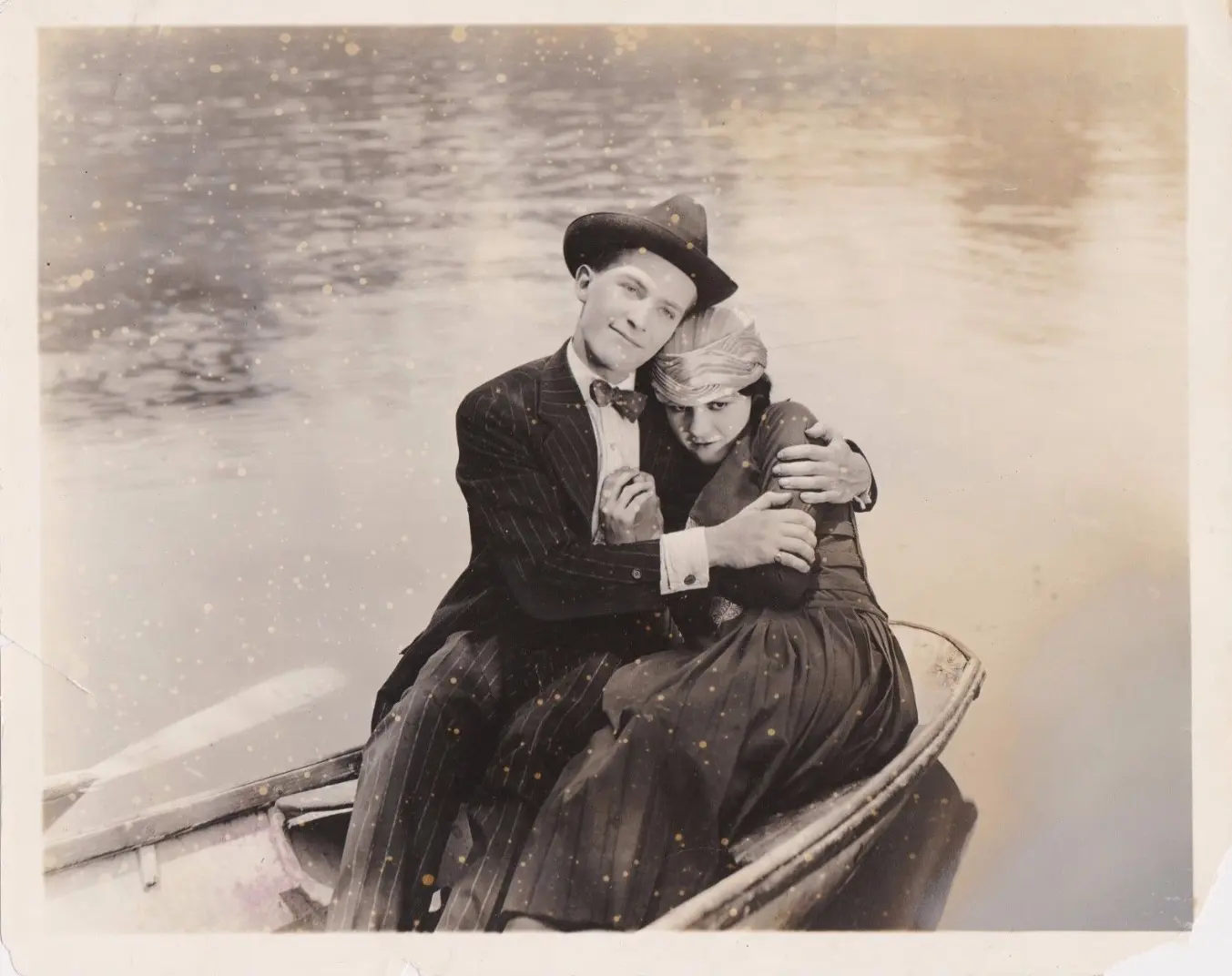
Samuel's subsequent article, born from Ethel’s evocative suggestion, ignites a full-blown international search, drawing in the Archduke of Burvania (portrayed by Fred Bond). The revelation that Ethel herself is the titular lost Princess Marie is a delightful, if entirely dream-logic, twist. This meta-narrative, where the storyteller's muse becomes the subject of the story, is a clever exploration of the power of imagination and the romantic idealization of one's beloved. The ensuing drama, involving a perilous rescue by Samuel from a nefarious trap, is the climax of this elaborate fantasy, a heroic endeavor undertaken for the woman he loves, who is simultaneously the object of his professional triumph. The dream sequence here functions as a psychological arena, allowing Samuel to confront his fears of failure and to embody the heroic ideal he aspires to be, both as a journalist and a lover. This echoes the fantastical journeys found in films like The Haunted Pajamas, where the protagonist's reality is warped by an extraordinary, often absurd, circumstance, leading to self-discovery and a deeper understanding of their own desires and fears. The symbolic weight of the 'lost princess' is immense; she represents not only a grand journalistic scoop but also the idealized, almost unattainable, perfection of the woman Samuel loves, a precious entity he must prove worthy of.
The abrupt awakening from this vivid, labyrinthine dream is a narrative masterstroke, a common but effective trope in early cinema to resolve complex plots without demanding absolute realism. It allows the filmmakers to indulge in grand romantic gestures and international intrigue, only to gently pull back and reveal the psychological underpinnings. Samuel’s dream is not merely an escape; it is a profound rehearsal for his real-world challenges. It provides him with the emotional and creative impetus he needed. The fantastical adventure, with its high stakes and dramatic rescue, serves as a symbolic journey, solidifying his love for Ethel and sharpening his journalistic instincts. The dream acts as a filter, processing his anxieties about professional inadequacy and his burgeoning romantic feelings, transforming them into a heroic narrative where he is the undeniable protagonist.
Upon waking, the lessons learned in the dream are not forgotten. Armed with a renewed sense of purpose and a clearer understanding of his own capabilities, Samuel pens another story, one grounded in reality but infused with the creative energy sparked by his subconscious odyssey. This second article achieves genuine success, proving that the imaginative journey was not in vain but a necessary catalyst for his professional triumph. More significantly, his dream-forged heroism translates into a tangible, heartfelt happiness with Ethel. The film elegantly suggests that sometimes, the most profound truths and the strongest bonds are first forged in the crucible of our own minds, in the realm where aspiration and affection coalesce. The success he achieves is not merely a stroke of luck but the culmination of internal growth fostered by his imaginative escapade, reinforcing the idea that often, true success stems from a deeper understanding of oneself and one's motivations.
The performances, characteristic of the silent era, rely heavily on expressive physicality and nuanced facial gestures to convey emotion. George Hernandez as Samuel expertly navigates the character’s journey from rural earnestness to urban ambition, and then through the dramatic flourishes of his dream world. His portrayal captures the everyman quality essential for audiences to connect with his aspirations, allowing viewers to project their own hopes and struggles onto his character. Elinor Fair, as Ethel, embodies a quiet strength and intelligence, making her transformation from helpful columnist to hidden princess, and finally to Samuel's loving partner, believable within the film's established logic. Her subtle shifts in expression convey both her professional acumen and her growing affection for Samuel, creating a character who is both aspirational and deeply human. The supporting cast, including Albert Ray, A. Burt Wesner, Maggie Fisher, and Edward Cecil, contribute to the tapestry of the urban environment and the fantastical dreamscape, each playing their part in either hindering or aiding Samuel's quest with the exaggerated yet effective pantomime typical of the period.
The film, under the creative guidance of writers Scott R. Dunlap and Joseph Anthony Roach, is a testament to the storytelling capabilities of early cinema. They craft a narrative that, while employing a somewhat conventional dream sequence, uses it to explore deeper psychological and emotional terrains. The juxtaposition of mundane farm life with the thrilling world of journalism, and then with the dizzying heights of royal intrigue, creates a rich narrative texture. It's a testament to the era's fascination with self-improvement, social mobility, and the romanticization of both professional ambition and personal connection. The film subtly critiques the superficiality of immediate success, suggesting that true accomplishment often stems from introspection and the courage to pursue one's authentic desires, even if those desires are initially explored in the subconscious. The use of intertitles, a cornerstone of silent film aesthetics, would have been crucial here, not just for dialogue but for conveying Samuel's internal monologue and the shifting realities between his waking life and his dream.
Themes of identity and self-discovery are particularly salient. Ethel's 'lost princess' identity within the dream is a metaphor for her own hidden depths and the idealized vision Samuel holds for her. Conversely, Samuel's journey to 'rescue' her is about him discovering his own courage and capabilities. This dual exploration of character identity, both real and imagined, adds a layer of depth that elevates the film beyond a simple romantic fantasy. It reminds one of the complex character motivations and societal commentary sometimes present in films like Corruption or The Jungle, which, while vastly different in subject matter and tone, similarly delve into the internal and external struggles of individuals against their circumstances, albeit in a more gritty, realistic fashion. The pacing, a critical element in silent films, would have carefully built tension during Samuel's struggles and accelerated into the fantastical adventure, guided by the musical accompaniment that was integral to the viewing experience of the time.
Ultimately, "The Lost Princess" stands as a charming and insightful piece of silent cinema. It's a film that, through its blend of earnest ambition and vivid fantasy, offers a tender meditation on the paths we forge for ourselves, the mentors who guide us, and the profound power of love to illuminate our true potential. The dream sequence, far from being a mere narrative contrivance, becomes a crucial psychological journey, allowing the protagonist to confront his deepest desires and fears before ultimately achieving a more grounded, yet equally fulfilling, reality. It’s a compelling testament to the idea that sometimes, to find your true path, you must first get lost in a dream, and that the person you seek to save might just be the one who saves you. This film, with its enduring themes of self-discovery, professional aspiration, and the transformative power of love, continues to offer a delightful window into the aspirations and romantic sensibilities of its era, proving that the heart's desires, whether for a career or a companion, transcend time and the boundaries of reality itself. It reminds us that the most significant adventures often begin within, shaping the world we ultimately create for ourselves.
IMDb —
1928
Community
Log in to comment.