DbcultAccessing Vault...
7/10
Senior Film Conservator
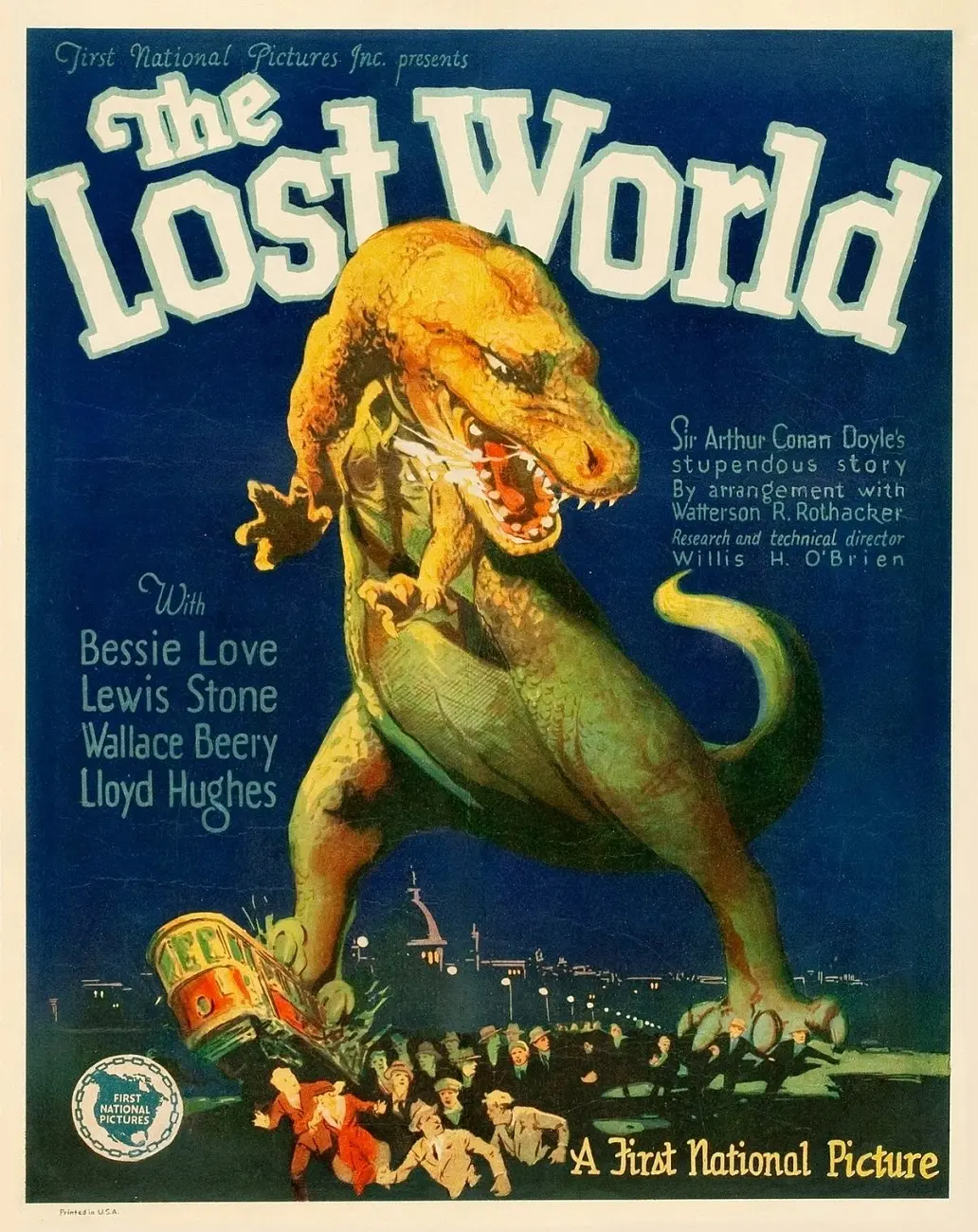
A definitive 7/10 rating for a film that redefined the boundaries of cult cinema. The Lost World remains a cornerstone of transgressive art.
In the pantheon of early cinema, few works possess the sheer tectonic impact of the 1925 adaptation of The Lost World. Long before the digital wizardry of modern blockbusters, Harry O. Hoyt and the visionary Willis O'Brien constructed a celluloid dreamscape that fundamentally altered the trajectory of visual storytelling. This film does not merely depict a journey into the unknown; it serves as a bridge between the Victorian fascination with natural history and the burgeoning appetite for cinematic phantasmagoria. While contemporary audiences might view silent films through a lens of antiquity, The Lost World demands a more nuanced appreciation for its technical audacity and narrative ambition.
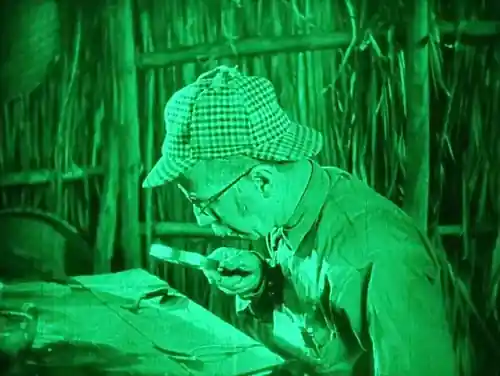
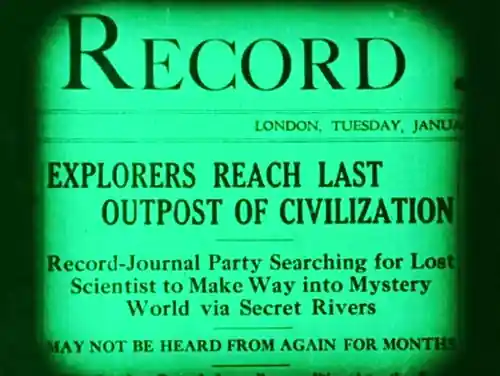
Unlike the domestic constraints of Foolish Lives or the urban grit found in The Yellow Traffic, Hoyt’s direction embraces a scope that is nothing short of operatic. The film begins in the smoke-filled rooms of London, where Professor Challenger—played with a boisterous, almost feral intensity by Wallace Beery—challenges the scientific establishment. Beery’s Challenger is a man of intellectual violence, a character who feels as though he could burst through the frame at any moment. His performance provides the necessary human anchor for an adventure that quickly spirals into the surreal.
The true protagonist of the film, however, is not a man but the technique of stop-motion animation. Willis O'Brien, who would later achieve immortality with King Kong, utilized The Lost World as his laboratory. The prehistoric creatures he brought to life are not mere puppets; they are imbued with a startling level of personality and weight. When an Allosaurus battles a Triceratops, the choreography is not just a display of technical prowess but a visceral depiction of survival. The way the models breathe, the subtle movements of their tails, and the tactile quality of their skin create a sense of presence that many modern CGI creations lack.
The interplay of light and shadow on the miniature sets evokes a world that is both beautiful and terrifying, a sentiment echoed in the atmospheric tension of The Inner Voice, yet here it is projected onto a much grander stage.
The integration of live-action footage with these miniature marvels was, for 1925, a feat of absolute sorcery. The split-screen techniques and double exposures required a level of precision that remains impressive nearly a century later. When the explorers are trapped on the plateau, the sense of isolation is palpable. The film manages to balance the wonder of discovery with the claustrophobia of being hunted, a dynamic that elevates it above simple adventure fare like Australia's Own.
While Beery dominates the screen, the supporting cast offers a necessary counterpoint. Bessie Love as Paula White brings a vulnerability that never descends into the cliché of the damsel in distress. Her character’s motivation—finding her lost father—provides the emotional stakes that drive the first half of the film. Lloyd Hughes as the journalist Edward Malone represents the audience's surrogate, his wide-eyed astonishment mirroring our own. The ensemble dynamic is far more complex than the binary characterizations found in Two-Gun Betty or the straightforward heroism of The Lone Star Ranger.
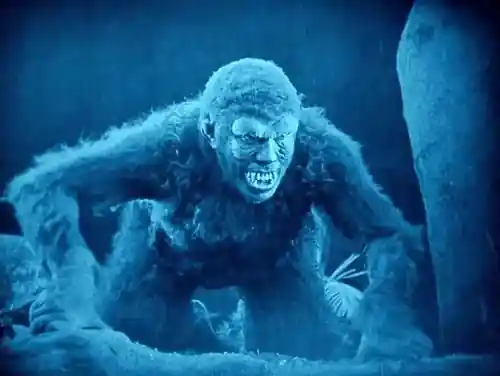
Special mention must be made of the 'missing link' subplot, featuring Bull Montana in heavy makeup. This element of the film highlights the era's preoccupation with evolutionary theory and the perceived 'otherness' of the wild. While these sequences can be uncomfortable for modern viewers, they are essential for understanding the cultural context of the 1920s, much like the thematic undertones of Lest We Forget. The film uses these encounters to emphasize the fragility of civilization when confronted with the raw power of the natural world.
The final act, in which a Brontosaurus is transported to London, serves as a masterclass in urban catastrophe. The image of the prehistoric beast navigating the foggy streets of the metropolis is one of the most iconic in cinema history. This sequence predates the destruction of modern cities in film by decades, setting the template for everything from Godzilla to Jurassic Park. The technical execution of the creature's rampage, particularly its eventual fall from the London Bridge, is a sequence of high-octane drama that rivals the intensity of The Battle of the Ancre and the Advance of the Tanks in its depiction of chaotic power.
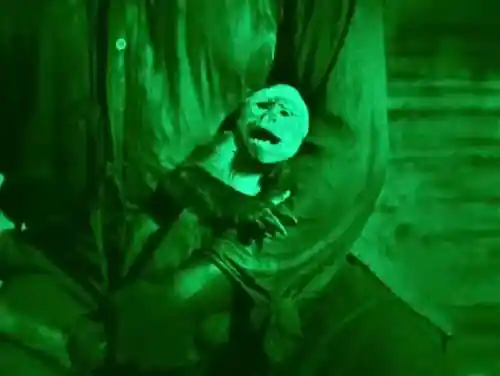
The film’s pacing is remarkably modern, eschewing the languid development often associated with silent dramas like The Love Letter or the floral sentimentality of The Flower Girl. Instead, Hoyt maintains a relentless momentum, transitioning from the academic debates of London to the humid jungles of the Amazon with fluid grace. The editing, particularly during the dinosaur encounters, is sharp and purposeful, ensuring that the audience never loses the sense of geography or stakes.
To watch The Lost World today is to witness the birth of a genre. It is a film that understands the inherent magic of the medium—the ability to make the impossible visible. While other films of the era, such as A napraforgós hölgy or The Jungle Child, focused on the intricacies of human emotion and societal norms, The Lost World aimed its gaze at the stars and the depths of the earth. It challenged the audience to expand their imaginations and accept the existence of a world that time forgot.
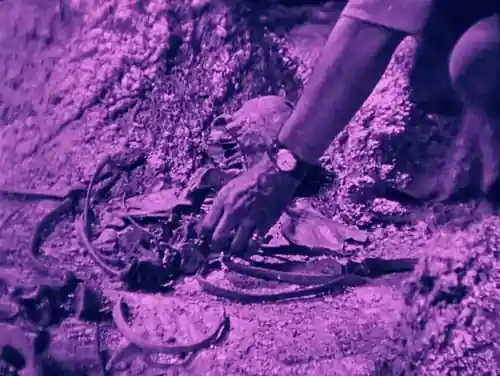
The restoration efforts over the years have allowed us to appreciate the film’s visual fidelity in a way that was nearly lost. The tinting and toning used in various sequences—blue for night, red for the volcanic eruption—add a layer of atmospheric depth that is essential to the experience. The volcanic sequence, in particular, is a highlight of silent era cinematography, utilizing practical effects and clever lighting to simulate a cataclysm of epic proportions, far outstripping the localized drama of Dangerous Days or the nautical tension of Mutiny.
Ultimately, The Lost World is more than a historical curiosity. It is a vibrant, breathing piece of art that continues to inspire. It reminds us that the core of cinema is wonder. Whether it is the sight of a Brontosaurus peering through a London window or the quiet determination of an expedition team facing the unknown, the film captures the essence of human curiosity and our eternal desire to explore the boundaries of our world. It remains a towering achievement, a celluloid testament to the power of imagination and the enduring allure of the prehistoric.
A seminal masterpiece that defined the possibilities of visual effects. While some narrative elements reflect the era's sensibilities, the technical execution and sheer sense of adventure remain unparalleled. A mandatory watch for any serious student of cinematic history.
IMDb 6.8
1934
Community
Log in to comment.