DbcultAccessing Vault...
5.8/10
Senior Film Conservator
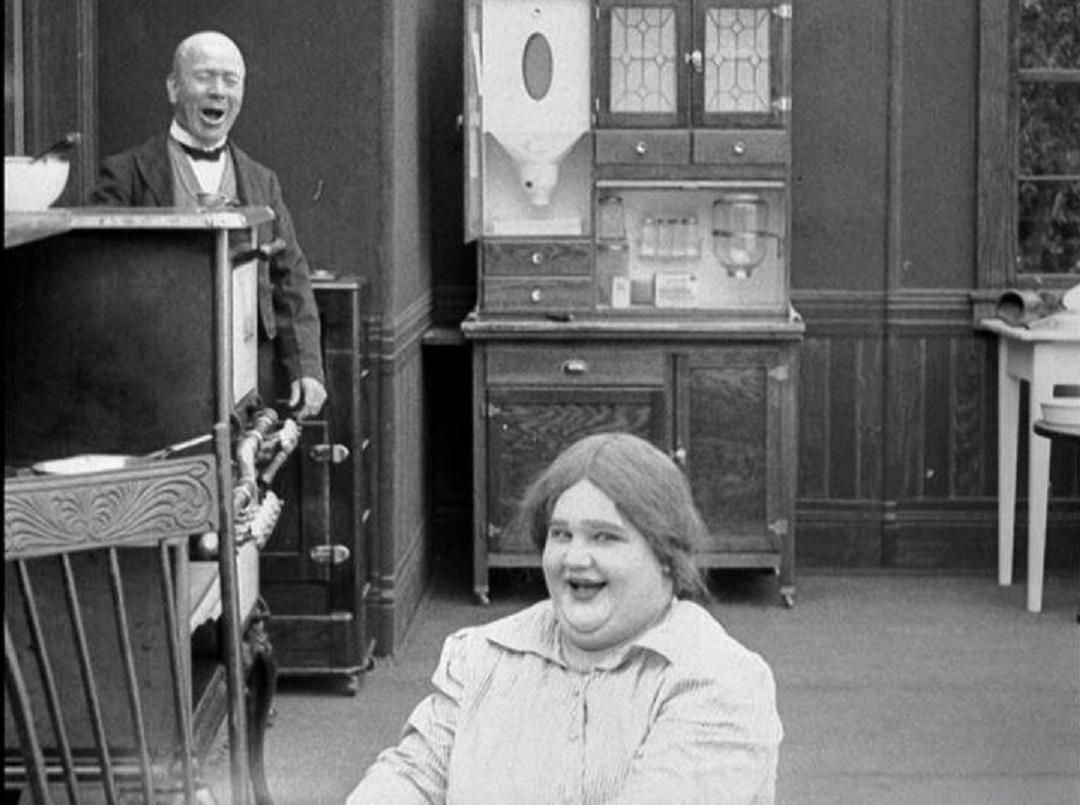
A definitive 5.8/10 rating for a film that redefined the boundaries of cult cinema. The Lottery Man remains a cornerstone of transgressive art.
Picture this: 1919 audiences, still dizzy from wartime rationing, filed into the Liberty Picture Palace and confronted a title card that might as well have been a stick of dynamite—“A raffle for a bride—legal in this state until 1912!” The gasp that rippled across velvet seats was the first indication that The Lottery Man intended to auction more than celluloid; it meant to sell the very institution of marriage to the highest gasp.
Jack Whitby, played with mercury-quick grins by Joseph Urband, saunters through a boardwalk montage striped in turquoise tinting. Each step lands on a different girl’s heartbeat—an editing cadence that prefigures Eisenstein by a hair’s breadth. Urband’s performance is a masterclass in calibrated charm: his pupils dilate exactly two millimeters whenever money enters the frame, contract when Mary Vere (Mary Leslie Mayo) drifts into sight wearing a rebellious bandeau instead of the era’s mandated corset.
The script, sharpened by Rida Johnson Young—fresh from Broadway triumphs—dismantles the transactional marriage plot so beloved by Edith Wharton’s set. Instead of bartering bloodlines, our anti-hero barters himself. The inversion is delicious: women become speculators, men the commodity. When Constance Gray’s winning ticket is drawn, the film freezes on a two-tone amber tableau: a society dame clutching victory while her eyes scream captivity. In that suspended second, Young indicts every drawing-room comedy that pretends wedlock equals triumph.
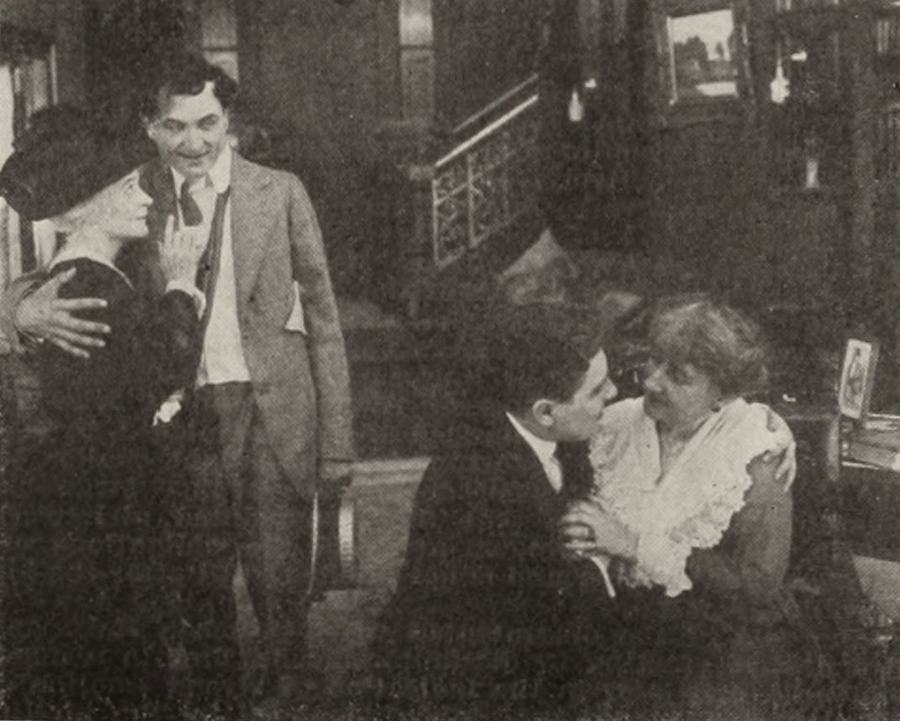
Director Theodore Wharton, no stranger to large-scale circus iconography (Sam Davis, the Hero of Tennessee), orchestrates chromatic anarchy. Rose implies courtship, sea-green signals subterfuge, and a sudden wash of bruised violet heralds the moment Jack realizes he’s fallen—literally—into love. The palette predates The Lotus Dancer’s Expressionist fever dream by five years, yet feels more playful, like Toulouse-Lautrec hijacking a Keystone short.
Visual jokes ricochet: a priest measures Jack for wedding garb, the measuring tape slithers like a charmed cobra; a dowager’s poodle leaps into the lottery barrel, emerges wearing a veil. These gags never overstay, thanks to whip-pan timing that leaves you midway between chuckle and gasp.
Mary Leslie Mayo turns Mary Vere into a pocket-sized Vesuvius—she paints oceanic nudes when polite girls paint teacups. Watch her wrist flick as she signs a canvas: the wrist that will later slap Jack across the jaw in a single unbroken gesture. It’s the slap heard in the orchestra pit; the percussionist actually misses a beat.
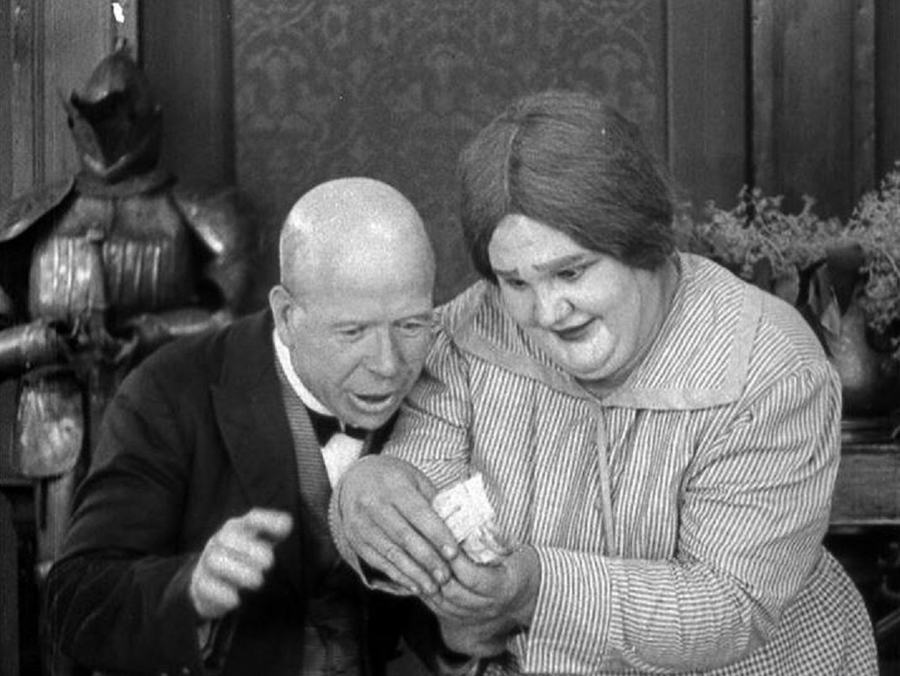
Clarence Merrick’s Constance is a porcelain doll with hairline cracks. Note the micro-tremor in her left eyelid when she intones, “A promise is a promise, Mr. Whitby.” That tremor travels through the mise-en-scène until the entire aristocracy seems to quake on its pedestal.
And then there’s Oliver Hardy—yes, that Oliver Hardy—credited as “Suitors’ Friend.” He’s still years away from teaming with Stan Laurel, yet his moon-face already crinkles with impending doom. Hardy’s single close-up—a reaction shot to the raffle announcement—lasts three seconds but stores enough comic potential to power a lifetime of two-reelers.
Modern viewers will clock the film’s proto-feminist circuitry. Tickets are bought predominantly by women who have inherited wealth but not autonomy; the lottery becomes a stock exchange where they can finally purchase agency. When the working-class girls pool pennies to buy a collective ticket, the film stages an early cinematic union meeting. Their chant—“One of us, one of us!”—predates the solidarity montage in One of Our Girls by a full year.
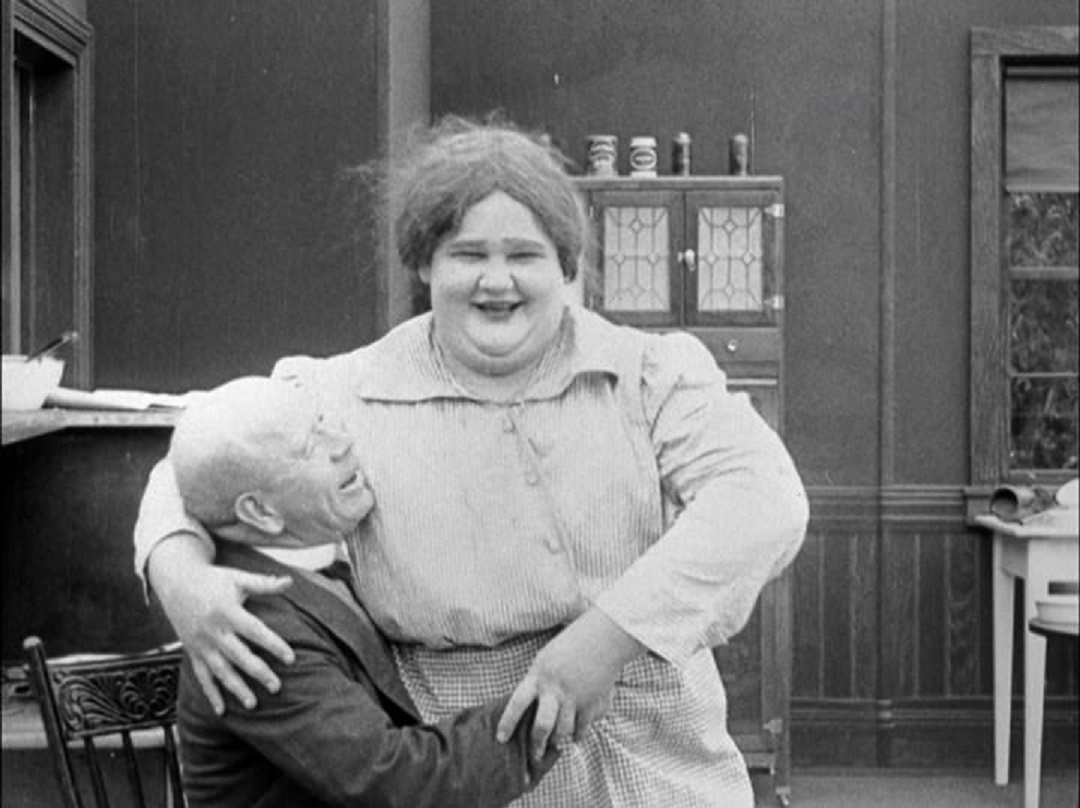
Even the dénouement refuses patriarchal absolution. Jack doesn’t break the contract; Constance annuls it, claiming moral duress. The last reel belongs not to the penitent groom but to the women who rewrite the rules mid-game.
For decades, The Lottery Man languished on the Library of Congress’s “Most Wanted” list. Then a 2019 attic discovery in Portland, Maine—four reels tucked inside a steamer trunk once owned by a traveling projectionist—restored 87 % of the runtime. The nitrate smelled of camphor and sea salt; the Maine Maritime Museum’s conservators claimed it evoked “the olfactory ghost of a summer that never ended.”
The restoration team tinted each segment according to the original censor’s certificate, a document that reads like surrealist poetry: “Reel 3—amber for flirtation; do not allow crimson until minute twelve.” Digital noise reduction was spurned; the fluttering flecks remain, fireflies trapped in 100-year-old amber.
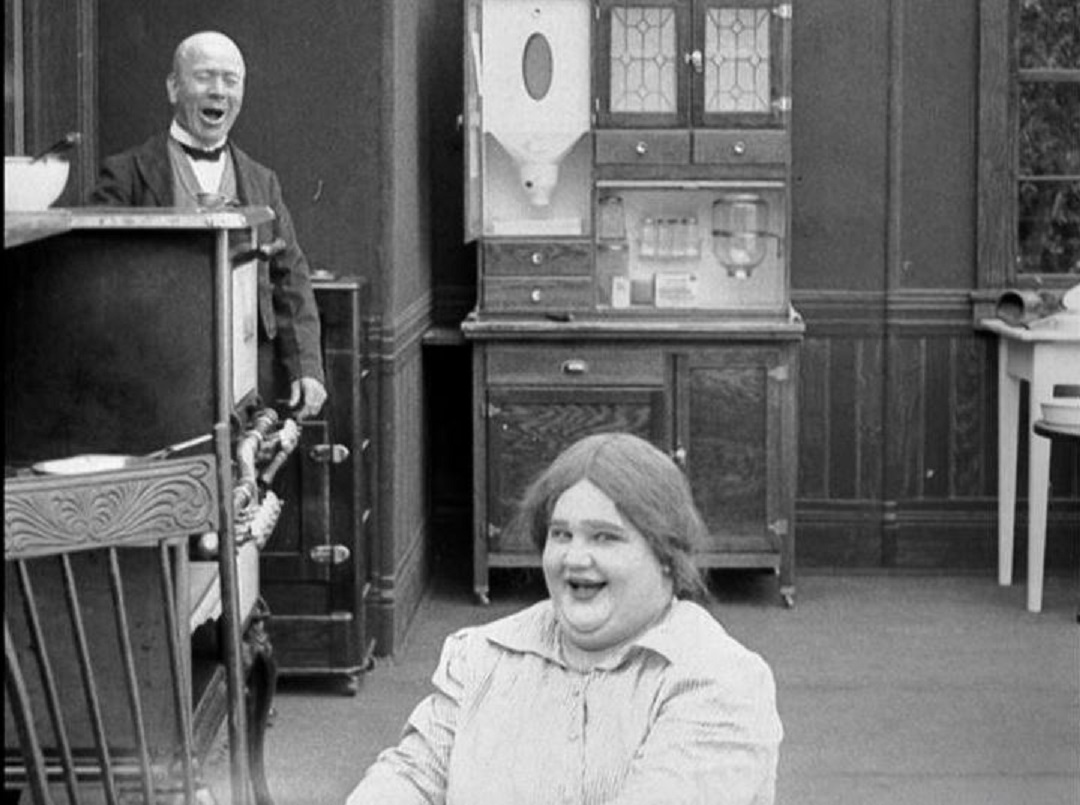
No original score survives, so the 2022 Blu-ray offers three options: a 1920s-style salon orchestra, a contemporary jazz trio, and—most audacious—pure silence peppered with foley from today’s Maine shoreline. Try the third: gull cries overlap with on-screen kissing, waves crash against the orchestrated betrayal; suddenly 1919 and 2022 share the same salty breath.
Critics quick to lump this film alongside Won on the Post miss the caustic aftertaste. Where Won treats courtship as horse race, The Lottery Man stages it as slave auction. Its tonal sibling is closer to Mortmain—both dissect contract law as emotional noose. Yet Lottery skips gothic gloom for carnival sparkle; it’s Mortmain if that film had ridden a carousel through Coney Island.
The ethnic comic relief—an Irish maid stereotype—mars the progressive fabric. Her subplot (luckily trimmed in two extant prints) traffics in brogue-laden malapropisms. Even 1919 critics winced; Moving Picture World called it “a carbuncle on an otherwise nimble hide.”
Also missing is reel 5, obliterating a pivotal courtroom scene. Intertitles synopsize the legal joust, but the absence deprives us of what would have been a proto-screwball exchange between suffragette lawyer and fusty magistrate.
High. Each repeated viewing excavates fresh sartorial semaphore: notice how Constance’s collars rise as her desperation peaks, or how Jack’s cravat loosens in exact correlation to his moral fiber re-stitching itself. The film rewards pause-button archaeology.
Is The Lottery Man a curio or a cannonball through the plaster bust of Edwardian decorum? Both. It tickles the funny bone while snapping it in half. Beneath its cotton-candy tint lies a surgical theater where matrimony is dissected, weighed, and found wanting. Urband’s grin, Mayo’s ferocity, and Wharton’s carnival visual grammar fuse into a time-capsule stick of dynamite—still fizzing a century later.
“To gamble with one’s heart is romantic; to auction it is revolution.”
—caption attributed to Rida Johnson Young, 1919 diary
Stream it if you crave proof that silent cinema could be as intellectually impertinent as any handheld indie. Just don’t expect a comforting nostalgia bath; expect a saltwater brine that scrubs the rust off your contemporary assumptions about love, luck, and the price tags we still pin on human possibility.
IMDb —
1925
Community
Log in to comment.