DbcultAccessing Vault...
6.4/10
Senior Film Conservator
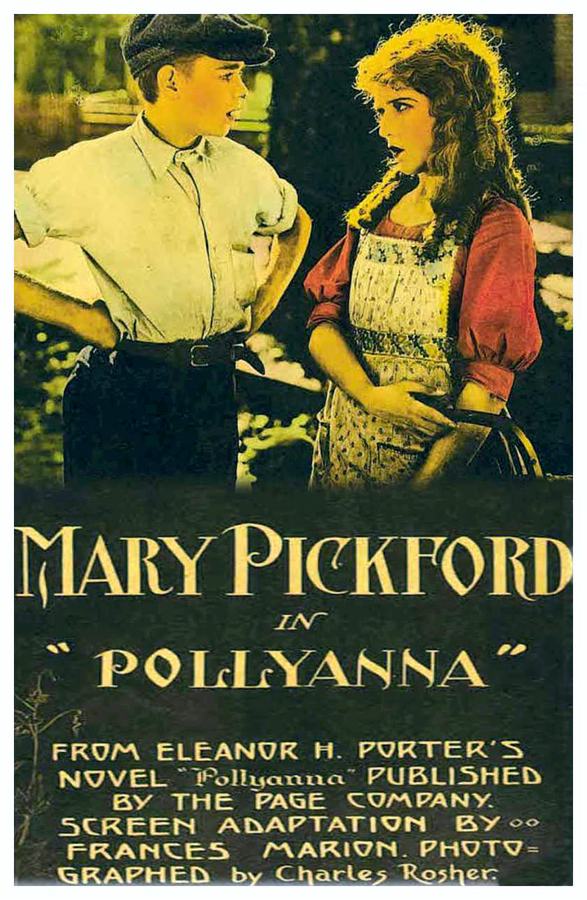
A definitive 6.4/10 rating for a film that redefined the boundaries of cult cinema. Pollyanna remains a cornerstone of transgressive art.
The cinematic landscape of the early 20th century was a fertile ground for narratives exploring the human spirit's resilience, often against formidable odds. Among these, Pollyanna, released in 1920, stands as a shimmering beacon, a testament to the power of unyielding optimism. Directed by Paul Powell and starring the incomparable Mary Pickford, this adaptation of Eleanor H. Porter's beloved novel transcended its literary origins to become a cultural touchstone, cementing an archetype that continues to resonate a century later. To delve into Pollyanna is to embark on a journey through a bygone era of filmmaking, yet simultaneously to confront themes that remain eternally pertinent.
Mary Pickford, a titan of the silent screen, embodied the titular character with such luminous conviction that it's difficult to imagine anyone else in the role. Her portrayal of Pollyanna Whittier, the recently orphaned girl dispatched to live with her austere Aunt Polly Harrington, is a masterclass in nuanced performance. Pickford, often lauded for her youthful exuberance and saccharine charm, here demonstrates a depth that elevates the character beyond mere naivete. Her Pollyanna is not simply a cheerful child; she is a force of nature, a philosophical conduit through which the 'Glad Game'—a practice of finding something positive in every situation—becomes less a childish diversion and more a profound spiritual discipline. This is a character who has faced immense personal loss, yet chooses not to succumb to despair, a choice that makes her infectious joy all the more potent and believable. The film's success hinges entirely on Pickford's ability to render this complex emotional landscape, and she delivers with an effortless grace that belies the inherent challenges of silent acting.
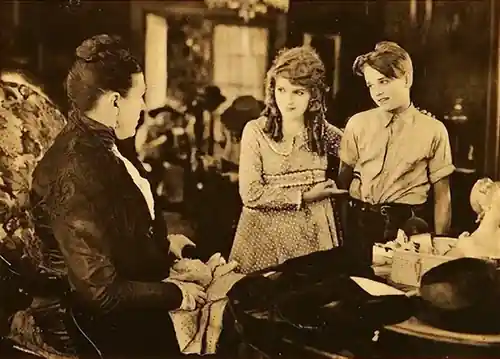
The narrative unfolds in a town suffocated by its own collective gloom, where ill-temper and entrenched cynicism are as common as the cobblestone streets. Aunt Polly, portrayed with formidable sternness by Helen Jerome Eddy, serves as the town's emotional barometer, a woman whose heart has been hardened by circumstance and a self-imposed isolation. Her grand, imposing mansion, a visual metaphor for her guarded personality, initially stands as an impenetrable fortress against Pollyanna's sunny disposition. Yet, it is within these very walls that the slow, deliberate work of transformation begins. Pollyanna's simple acts of kindness, her unwavering politeness, and her relentless pursuit of the positive chip away at the icy facade of not only her aunt but also the various townspeople she encounters. The invalid Mr. Pendergast (Howard Ralston), the perpetually complaining Mrs. Snow (Katherine Griffith), and the reclusive Dr. Chilton (Herbert Prior) are all, in their own unique ways, beneficiaries of Pollyanna’s gentle revolution.
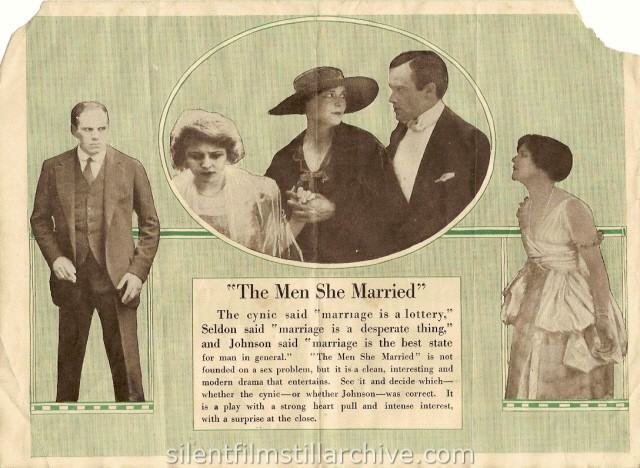
The film’s thematic core—the transformative power of optimism—is explored with a surprising degree of subtlety for its era. It avoids overtly preachy tones, instead allowing Pollyanna’s actions to speak volumes. Her 'Glad Game' is not a denial of suffering, but rather a reorientation of perspective, a deliberate search for the silver lining in every cloud. This philosophy, while seemingly simplistic, carries profound implications for mental well-being and community cohesion. One might draw parallels to the quiet, introspective character studies found in films like A Petal on the Current, which similarly explores the resilience of individuals in challenging circumstances, albeit with a more somber tone. However, Pollyanna distinguishes itself by placing unadulterated joy at the forefront of its therapeutic approach to societal ills.
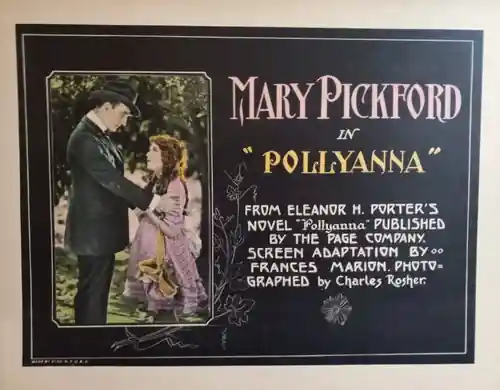
Powell's direction, while not overtly flashy, is effective in conveying the film's emotional arc. He skillfully utilizes the visual language of silent cinema, employing expressive close-ups to capture Pickford's shifting emotions and wider shots to establish the oppressive atmosphere of the town versus Pollyanna's vibrant presence. The pacing is deliberate, allowing the audience to witness the gradual thawing of hearts rather than rushing through the transformations. The use of intertitles is artful, providing necessary exposition and character insights without disrupting the visual flow. In an era where cinematic storytelling was still evolving, Pollyanna demonstrates a sophisticated understanding of narrative rhythm and visual impact. One could contrast this measured approach with the more melodramatic flourishes seen in contemporary works like A Celebrated Case, highlighting the varied stylistic choices available to filmmakers of the period.
The supporting cast, though often overshadowed by Pickford's star power, contributes significantly to the film's texture. Helen Jerome Eddy's Aunt Polly is initially a formidable figure, her stiff posture and severe expressions perfectly encapsulating a life devoid of tenderness. Her eventual softening is depicted with a touching vulnerability, making her transformation genuinely earned. Howard Ralston's portrayal of Mr. Pendergast, the reclusive invalid, is particularly poignant. His initial resistance to Pollyanna's cheer and his subsequent embrace of life's simple pleasures provide one of the film's most heartwarming arcs. Wharton James as Reverend Ford and Doc Crane as Mr. Pendleton also deliver memorable performances, each character representing a different facet of the town's initial despair and eventual renewal. The ensemble truly works in concert to build a believable, if somewhat exaggerated, microcosm of human experience.
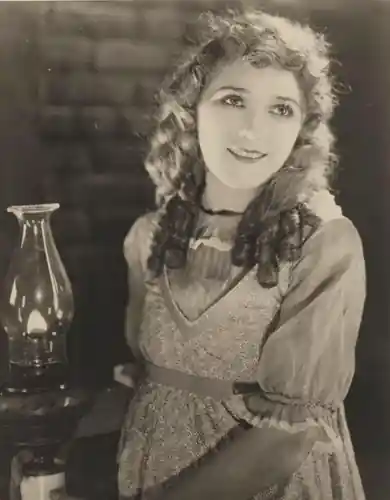
Beyond its immediate narrative, Pollyanna holds a significant place in cinematic history as a reflection of its time. Released in the aftermath of World War I and during a period of considerable social upheaval, the film’s message of finding joy amidst adversity resonated deeply with audiences yearning for hope. It offered a comforting antidote to the pervasive anxieties of the era, much like other escapist or morale-boosting narratives. The sheer star power of Mary Pickford, often marketed as 'America's Sweetheart,' further amplified its reach. Her persona was intrinsically linked to innocence and virtue, making her the ideal vessel for Pollyanna's unadulterated goodness. This was a strategic casting choice that paid dividends, ensuring the film's widespread appeal and cultural penetration.
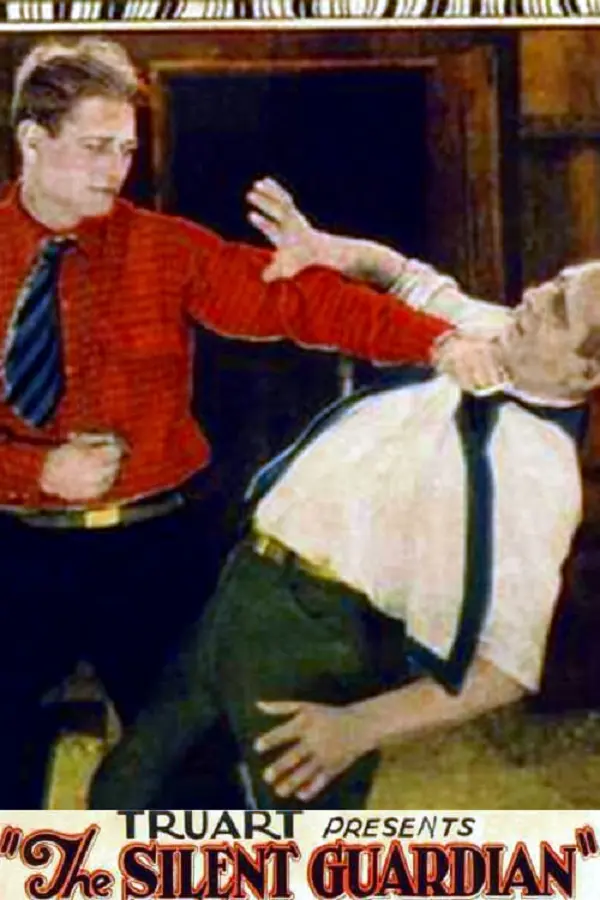
The enduring legacy of Pollyanna is undeniable. The term itself has entered the lexicon, often used to describe someone with an excessively optimistic outlook, sometimes pejoratively, but more often as a shorthand for an unwavering positive spirit. The film’s influence can be seen in countless subsequent narratives that explore similar themes of innocence changing the world, from Capra-esque tales of common folk inspiring change to modern stories of resilience. While some might dismiss the 'Glad Game' as simplistic idealism, the film presents it as a profound act of defiance against despair, a conscious choice to seek light in darkness. This is a far cry from the more cynical or even morally ambiguous portrayals of human nature found in films like Counterfeit or Cocaine Traffic; or, the Drug Terror, which explored the darker undercurrents of society. Pollyanna, by contrast, offers a vision of restorative human potential.
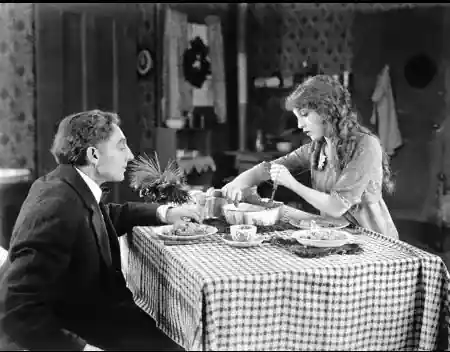
The screenplay by Catherine Chisholm Cushing and Frances Marion, based on Eleanor H. Porter's novel, masterfully condenses the intricate plot while retaining the essence of the source material. They understood that the core appeal of Pollyanna lay not just in her adventures but in her philosophy. The adaptation is faithful yet cinematic, translating the internal monologues and nuanced character developments of the book into visual storytelling. Marion, a prolific and highly respected screenwriter of the era, brought her characteristic flair for emotional resonance and clear narrative progression to the project, ensuring that the film remained engaging and heartfelt without becoming overly sentimental.
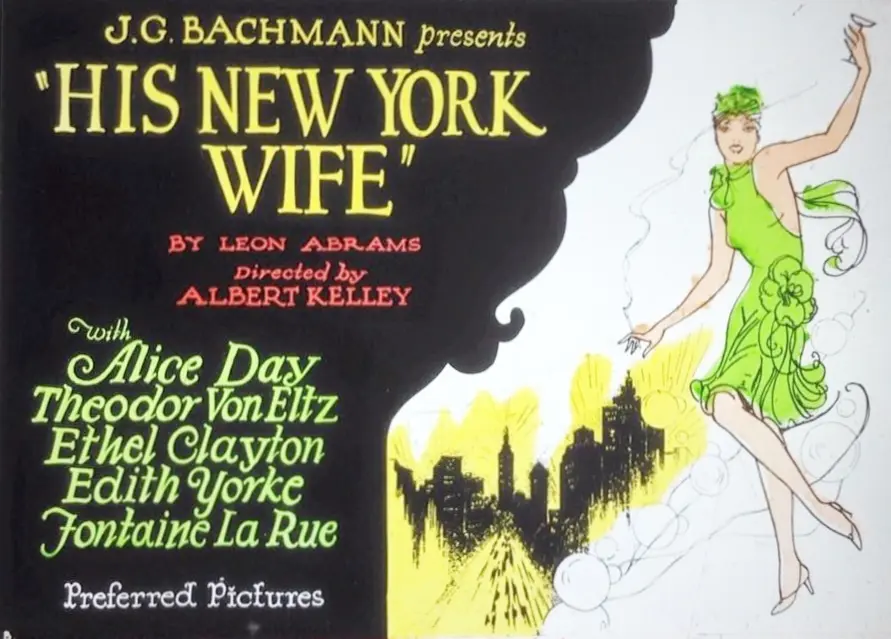
Examining Pollyanna in conversation with other films of its period further illuminates its unique qualities. While Miss Peasant might explore themes of social class and rural life, Pollyanna universalizes the struggle between pessimism and hope, making it relatable across societal strata. Similarly, while Bab's Matinee Idol focuses on youthful infatuation and dreams, Pollyanna grounds its youthful protagonist in a more profound mission of societal healing. The film eschews the grand historical drama of something like The Tyranny of the Mad Czar for a more intimate, yet equally impactful, exploration of human nature. Its focus on individual transformation within a small community offers a powerful counterpoint to narratives centered on large-scale political or social upheaval.
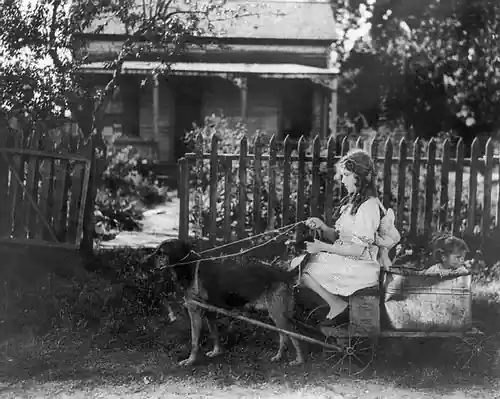
The aesthetic choices in Pollyanna also deserve commendation. The set designs, particularly Aunt Polly's mansion, are meticulously crafted, reflecting the characters' internal states. The dark, imposing interiors gradually lighten and soften as Pollyanna's influence takes hold, a subtle but effective visual metaphor for the shift in the household's emotional climate. The costumes, too, play a role, with Pollyanna's simple, light dresses contrasting sharply with the more somber attire of the townspeople, visually reinforcing her role as an agent of change. Even the cinematography, with its careful composition and use of natural light, contributes to the film’s overall warmth and sincerity. This attention to detail ensures that the film is not just a vehicle for its message but a beautifully realized work of art in its own right.
In retrospect, Pollyanna remains a vital piece of cinematic heritage. It is more than just a quaint silent film; it is a profound philosophical statement wrapped in an engaging narrative. Mary Pickford’s iconic performance anchors the entire endeavor, lending credibility and emotional weight to a story that could, in lesser hands, have veered into saccharine territory. Instead, it offers a compelling argument for the enduring power of perspective, kindness, and the deliberate pursuit of joy, even when circumstances seem to conspire against it. Its timeless message, coupled with its historical significance, ensures that Pollyanna continues to enchant and inspire new generations, proving that a little bit of gladness can indeed change the world.
IMDb 5.1
1915
Community
Log in to comment.