DbcultAccessing Vault...
6.1/10
Senior Film Conservator
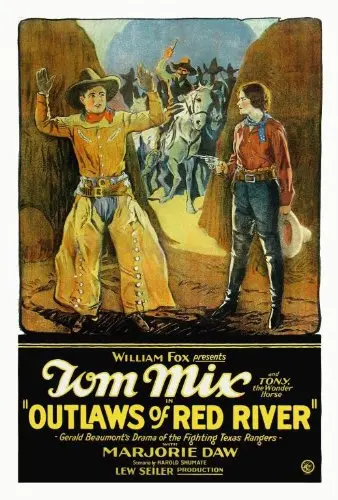
A definitive 6.1/10 rating for a film that redefined the boundaries of cult cinema. Outlaws of Red River remains a cornerstone of transgressive art.
Is Outlaws of Red River a necessary watch for the modern cinema lover? Short answer: Yes, but only if you can appreciate the raw, unvarnished physicality of the silent era over the dialogue-heavy exposition of today.
This film is a mandatory curriculum for those who want to see where the 'lone lawman' archetype truly found its footing. However, if you cannot tolerate the rhythmic pacing of 1920s editing, this will feel like a long walk through a very dusty desert.
This film works because it prioritizes the kinetic relationship between a man, his horse, and the horizon, rather than getting bogged down in the melodrama that plagued many of its contemporaries.
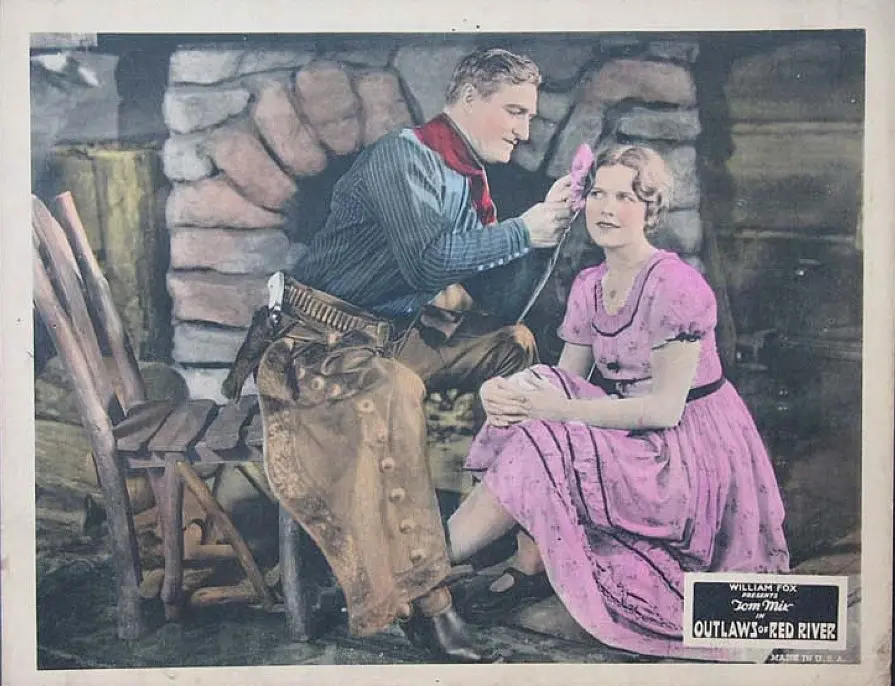
This film fails because the third-act resolution regarding the sister’s loyalty feels rushed, sacrificing complex character development for a convenient 'Ranger saves the day' conclusion.
You should watch it if you are a fan of White Eagle or The Web of the Law, or if you simply want to see Tom Mix perform stunts that would make a modern insurance adjuster faint.
Tom Mix was never just an actor; he was a phenomenon. In Outlaws of Red River, he portrays Tom Morley with a stoicism that predates the 'Man with No Name' by decades. The nickname 'The Falcon' isn't just a cool title—it’s a directorial cue. The way the camera follows Mix as he moves through the brush suggests a bird of prey. It’s aggressive. It’s calculated.
Consider the scene where Morley first tracks the outlaws to their canyon hideout. There is no dialogue, obviously, but the tension is built through the sheer geometry of the shot. We see the vastness of the Texas landscape, making Morley look small, yet his movements are so precise that he dominates the frame. This is high-level visual storytelling that doesn't need a single title card to explain the stakes.
The physicality here is staggering. Unlike the staged, stiff movements in An Alien Enemy, Mix brings a modern athleticism to the role. He doesn't just ride Tony the Horse; they move as a single biological unit. Tony deserves his own billing here. The horse’s ability to navigate rocky terrain at high speeds provides a sense of danger that no CGI composite can ever replicate. It works. But it’s flawed by the era’s technical limitations.
Outlaws of Red River is worth watching because it represents the pinnacle of the silent Western before the genre was forever changed by the advent of sound. It offers a pure look at action-oriented storytelling. If you enjoy seeing the roots of the American hero myth, this film is an essential piece of history.
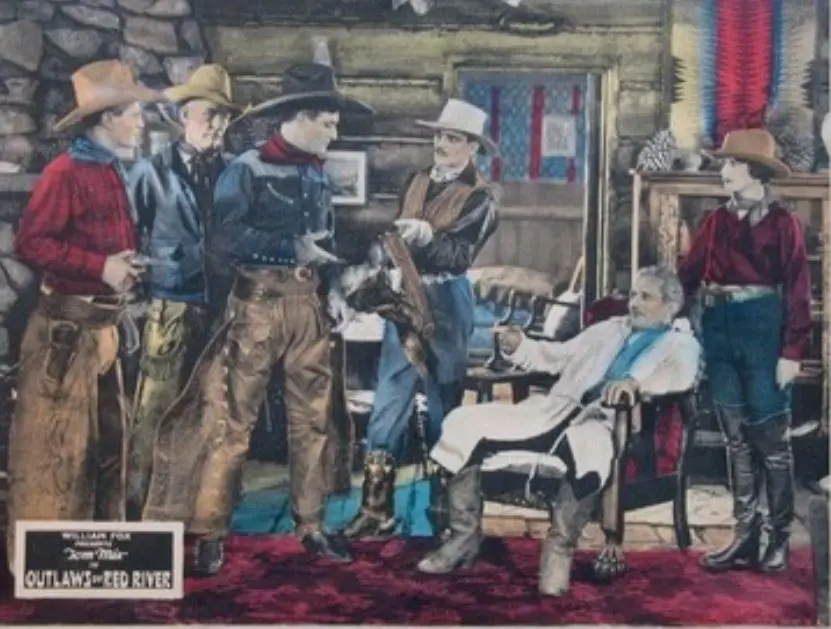
The most interesting element of the plot is the subversion of the 'damsel in distress' trope. When Morley finally finds his sister, she isn't locked in a cage. She is an active participant in the outlaw ecosystem. This creates a moral friction that is surprisingly sophisticated for 1927. Is she a victim of Stockholm Syndrome, or has she simply adapted to a world that Morley, with his badge and his rules, cannot understand?
The film flirts with the idea of her being a true antagonist, which would have been a bold, debatable choice. Unfortunately, the writers Harold Shumate and Malcolm Stuart Boylan pull their punches. They eventually pivot back to a more traditional redemption arc. I find this disappointing. A darker ending, where the sister remains loyal to the outlaws, would have elevated this from a 'good Western' to a 'subversive masterpiece.'
The pacing in the middle act slows down significantly to accommodate this family drama. While it provides necessary emotional weight, it occasionally feels like a different movie than the high-octane opening. It’s a jarring shift, similar to the tonal inconsistencies found in Burnt Wings.
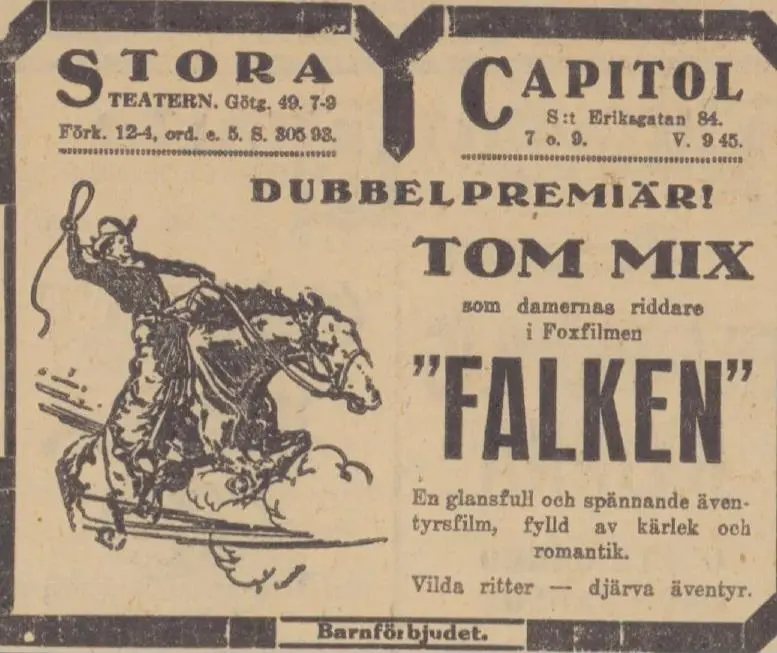
The direction (often attributed to the Fox Film Corporation's house style of the era) utilizes the natural light of the American West with brutal efficiency. The shadows in the outlaw camp are deep and oppressive, contrasting sharply with the bleached-out, overexposed look of the open plains where the Rangers operate. This visual dichotomy reinforces the 'good vs. evil' theme without being overbearing.
One specific moment stands out: the chase across the river. The way the water splashes against the camera lens—likely an accident at the time—adds a documentary-style realism to the sequence. It breaks the fourth wall in a way that feels immersive rather than distracting. It’s messy. It’s loud, even in its silence. It makes the polished Westerns of the 1950s look like stage plays by comparison.
Pros:
Cons:
Outlaws of Red River is a rugged, lean, and mean example of silent-era storytelling. It doesn't have the psychological depth of a modern neo-Western, but it possesses a soul that many contemporary films lack. It is a film about the cost of survival and the heavy weight of the badge. Tom Mix proves here why he was the king of the cowboys; he didn't need words to tell you he was hurting, and he didn't need a stunt double to show you he was dangerous.
"A visceral reminder that the best stories are often told through action, not just words."
The film remains a high-water mark for the genre. It’s a piece of history that still has teeth. Watch it for the stunts, stay for the grit, and ignore the dated gender politics. It’s cinema in its most primal form.
IMDb —
1918
Community
Log in to comment.