DbcultAccessing Vault...
6.5/10
Senior Film Conservator
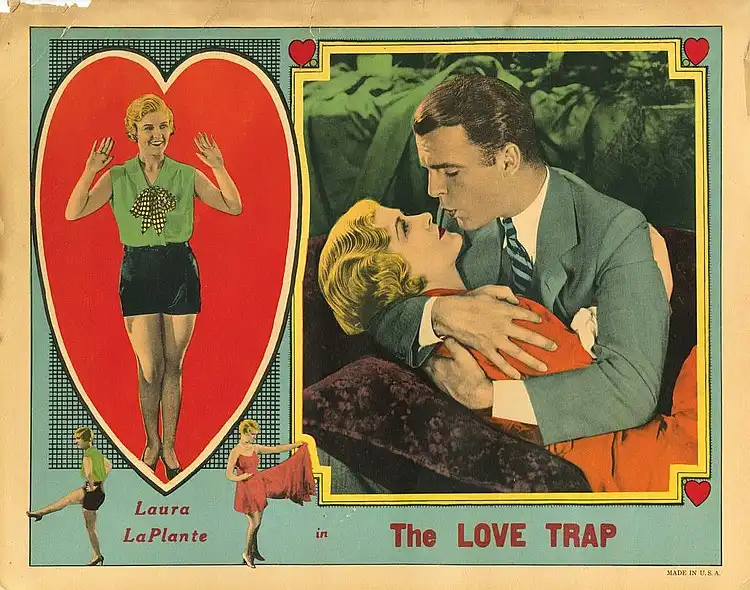
A definitive 6.5/10 rating for a film that redefined the boundaries of cult cinema. The Love Trap remains a cornerstone of transgressive art.
Is The Love Trap worth digging up today? Well, if you’re a silent film enthusiast, especially one keen on those almost-talkie-era dramas, then yes, absolutely. For anyone else, particularly if you need constant dialogue or fast cuts, this might feel a bit like a slog. It’s a peek into a very specific moment in cinema history, which alone makes it interesting for certain folks. 🎬
The whole thing kicks off with Laura La Plante as Sally, our chorus girl, losing her job. That scene, watching her clutch her little handbag after getting the boot, really makes you feel her desperation. You can almost feel the weight of her predicament. She’s got nowhere to go, rent’s due, the whole bit. 😟
And then, enter Harold Miller, playing the dashing rich man, Ronald. He just appears, swooping in to rescue her from the street, and it’s all very *movie* romantic. It feels a little too convenient, of course, but that’s the silent film charm, isn’t it?
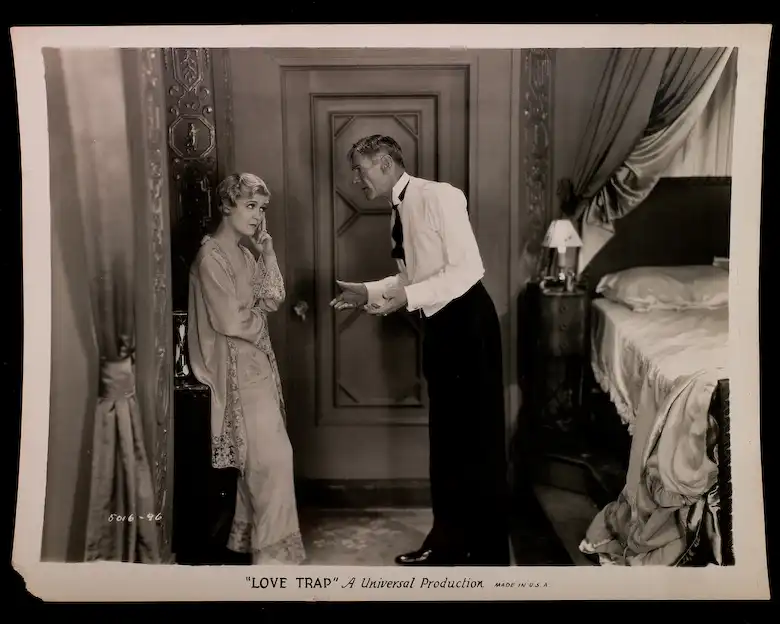
The contrast between Sally’s world and Ronald’s is pretty stark. One minute she’s scrambling, the next she’s in a mansion. The film doesn't waste time showing that gulf. It just throws you right into it.
Ronald’s family, though? Oh boy. His mother, Clarissa Selwynne, has this **amazing** glare that could curdle milk. Every single one of her reaction shots just screams 'social disapproval.' You know immediately she’s not going to make things easy for Sally.
There’s this one sequence where Sally is trying to navigate the family dinner, and every glance from Ronald’s relatives just *weighs* on her. You can almost feel her trying to remember which fork to use. It’s a very specific kind of anxiety.
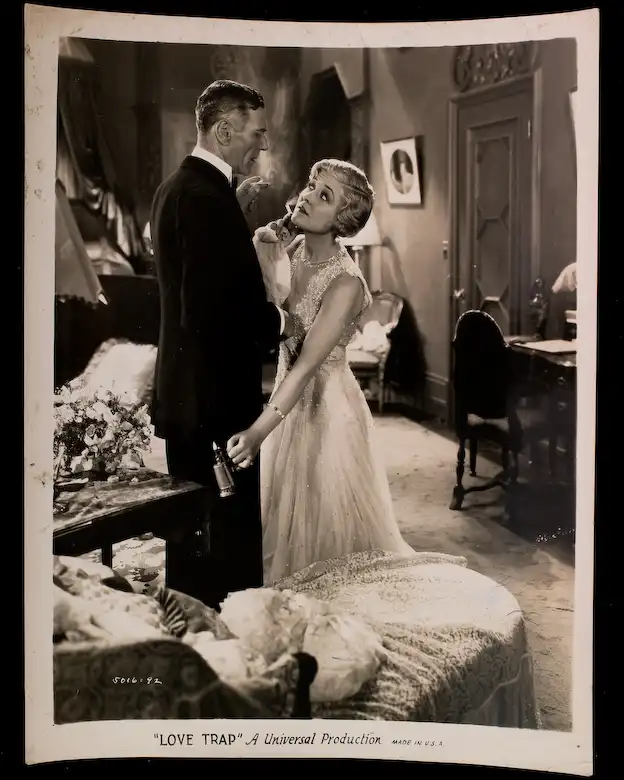
The intertitles here are doing a lot of heavy lifting. Sometimes they’re witty, other times they just spell out the obvious. But they really help carry the emotional beats, especially when the characters are giving those big, expressive silent film gestures.
One odd moment that stuck with me was a quick shot of a maid in the background, just barely stifling a smile during one of the family’s more dramatic arguments. It’s a tiny detail, but it speaks volumes about the household dynamics. Like, everyone knows how snooty these people are. 🤫
The pacing for a 1929 film is, as expected, a bit slower than what we're used to. But even within that, there are moments that feel a bit drawn out. You sometimes find yourself waiting for the next intertitle to push the story along. It’s not exactly a thrill ride, but it has its moments.
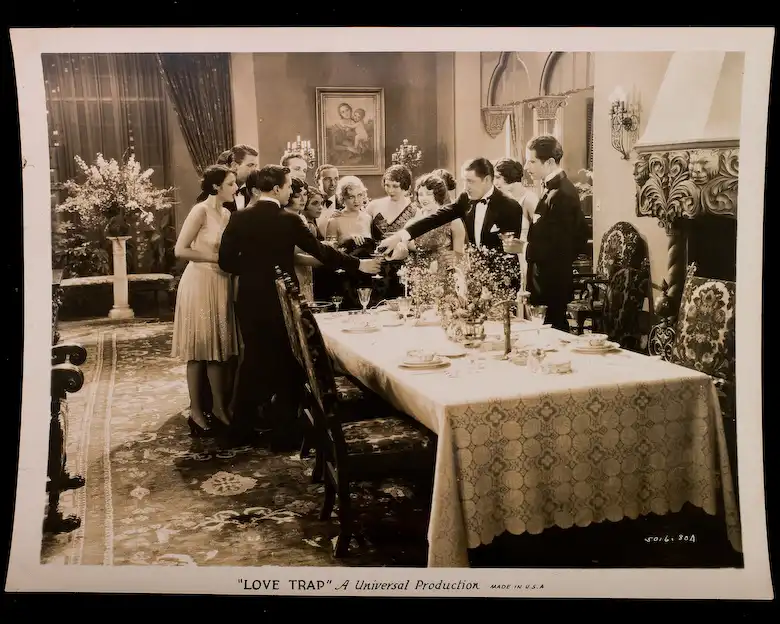
The whole 'trap' aspect of the title really comes from the societal expectations. It's not a literal trap, but the expectations placed on Sally because she's a chorus girl. The rich family just can't get over it. They really, *really* don’t want her around.
There’s this one scene where they try to subtly (or not so subtly) push Sally away from Ronald. It’s a bit cartoonish in its execution, honestly. Like, couldn't they have come up with a more clever scheme? It felt a bit too obvious, even for a silent movie villain plot.
But then, Sally often holds her own. Laura La Plante gives her character a nice strength that isn't always typical for these 'damsel in distress' roles. She’s not just wilting; she’s fighting back with what she’s got. Her determined chin lift becomes a whole character beat. 💪
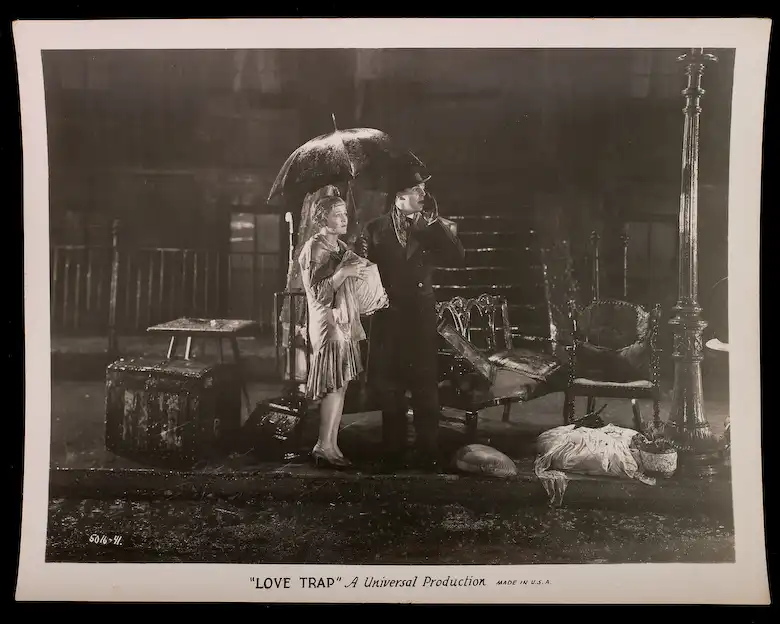
The sets are quite grand, especially the interiors of Ronald's family home. They really went all out to make it look opulent. You can practically smell the expensive wood polish. But sometimes, even with all the grandness, the rooms feel a little empty, like they’re just waiting for people to fill them with life.
I kept thinking about how this film was made right on the cusp of the talkie era. You can see the evolution in the cinematography compared to earlier silent films. There are some really nice close-ups that feel almost modern in their intent. It’s like they were already thinking about how to frame for a different kind of performance. 🎥
The romance itself is pretty sweet, if a little predictable. Ronald is genuinely smitten, and Sally, despite all the obstacles, clearly cares for him. Their stolen glances across a crowded room or a quick, subtle hand-hold are what sell it. It’s in those small gestures where the film really shines. ✨
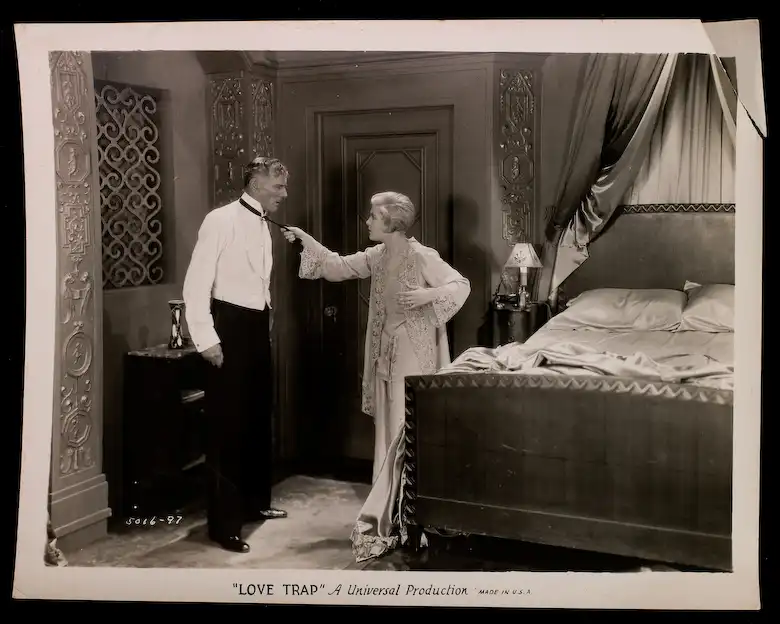
Don't expect a deep psychological drama here. It’s a straightforward tale of class, love, and overcoming prejudice, told with the dramatic flair of its time. It’s a solid piece of silent cinema history, even if it won’t rewrite your understanding of film. It’s *nice* for what it is.
A little observation: the way people dress for every single occasion, even just sitting at home, is a reminder of how much things have changed. Sally's modest dresses versus the family's formal wear is a visual storytelling shortcut. 👗
Overall, if you’re into the old classics and want to see how these stories were told just before sound changed everything, give The Love Trap a look. Just be ready for some serious eyebrow acting and a plot that moves at its own, gentle pace. It’s a charming artifact. Like finding an old, well-preserved postcard from a different time. ✉️
IMDb —
1932
Community
Log in to comment.