DbcultAccessing Vault...
Cult Review
Senior Film Conservator
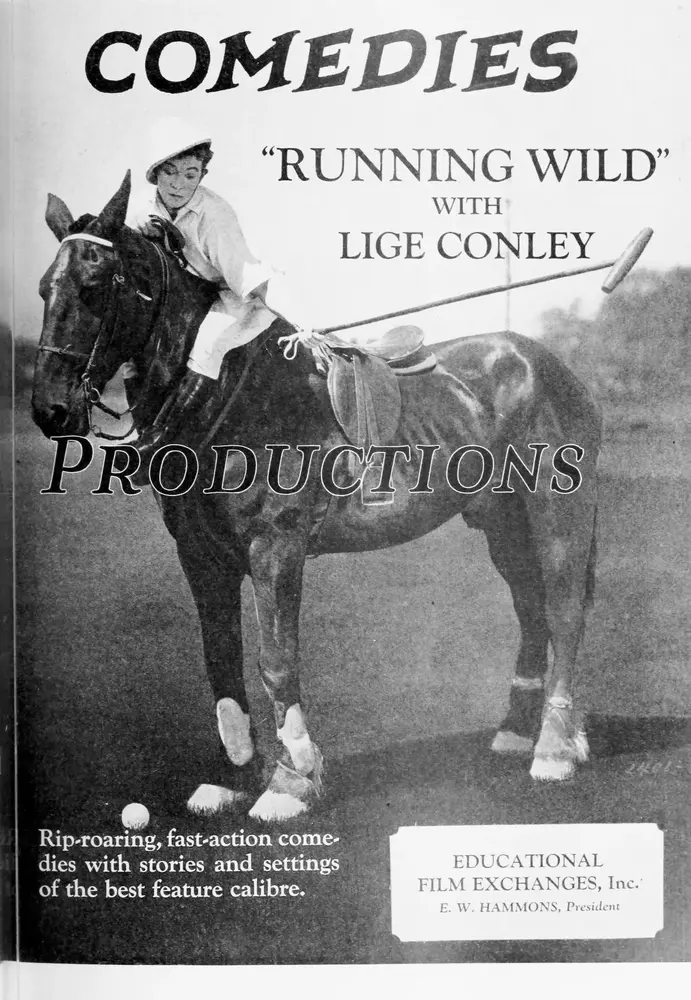
The first frame of Running Wild greets the viewer with a sweep of emerald pasture, the sun catching the glint of polished mallets and the flicker of distant flags. It is a tableau that promises both spectacle and subtext, a visual overture to a story that is as much about the choreography of power as it is about the choreography of sport. The camera, steady yet fluid, follows the galloping silhouettes of the players, establishing a rhythm that mirrors the pulse of the narrative itself.
At the core of the film lies a premise both simple and baroque: the winner of a high‑stakes polo match will win the hand of Maxine, the club’s formidable president. Maxine, portrayed with a blend of aristocratic poise and subtle vulnerability by Lillian Hackett, is not merely a trophy; she is a symbol of agency in a world where women’s choices are often circumscribed by social convention. The audience quickly learns that the match is less a test of athletic prowess than a crucible for personal ambition, a theme that resonates with the silent era’s fascination with class mobility.
Enter Hector, embodied by Cliff Bowes with a mixture of earnest charm and self‑effacing humor. Hector’s love for Maxine is palpable, yet he is painfully aware of his academic deficiencies—a lack of diploma that, in the film’s universe, is tantamount to a missing passport for social ascent. This internal conflict is rendered without dialogue, relying on exaggerated gestures and expressive close‑ups that convey his yearning. The film’s silent language—intertitles that punctuate rather than dominate—allows the audience to inhabit Hector’s silent desperation, a technique reminiscent of the emotive storytelling in Do You Love Your Wife? where personal longing is expressed through visual metaphor.
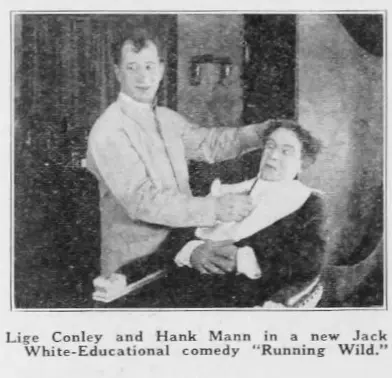
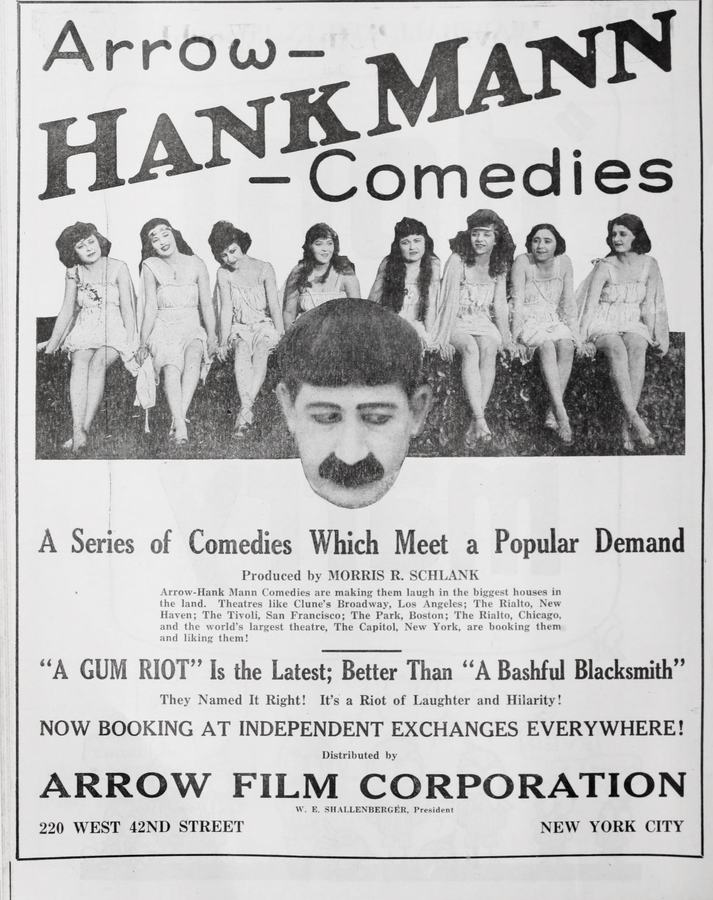
The supporting cast—Earl Montgomery as the aristocratic rival, Lige Conley as the comic sidekick, and Jack Lloyd as the stoic club steward—populate the field with archetypes that both reinforce and subvert expectations. Montgomery’s polished demeanor masks a calculating ambition, while Conley’s slapstick interludes provide necessary levity, a balancing act that keeps the narrative from tipping into melodrama. Hank Mann’s brief but memorable appearance as the club’s bumbling referee adds a layer of farcical commentary on the arbitrariness of authority.
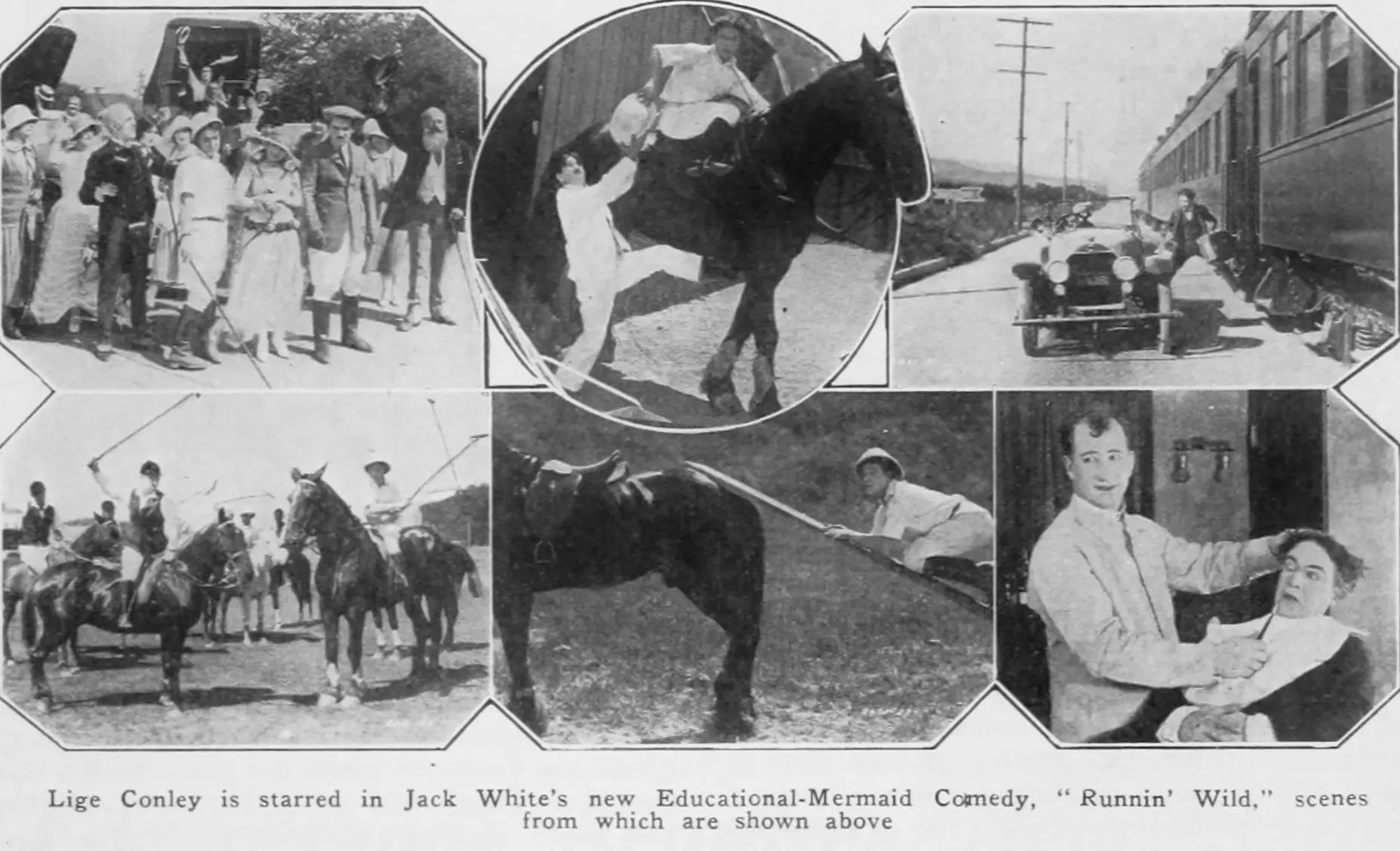
Director (uncredited in many archives) employs a visual palette that juxtaposes the bright, sun‑drenched fields with the shadowed interiors of the club’s manor, underscoring the dichotomy between public performance and private desire. The use of chiaroscuro lighting within the manor scenes draws the eye to Maxine’s solitary figure, often framed against a backdrop of dark wood and gilded mirrors—a visual cue that she is both the object of pursuit and the keeper of her own destiny.
The editing rhythm mirrors the tempo of the polo match: rapid cuts during the charge, lingering pans during moments of introspection. This kinetic editing is reminiscent of the action sequences in The Tarantula, yet it is tempered by a lyrical sensibility that aligns more closely with the romantic pacing of The Whirl of Life. The director’s decision to intersperse intertitles with poetic verses rather than straightforward exposition elevates the film’s thematic resonance, inviting viewers to contemplate the nature of merit beyond the confines of formal education.
While the film itself is silent, contemporary screenings often featured a live piano accompaniment that underscored the emotional beats. Modern restorations have paired the visual with a period‑appropriate score, employing brass motifs during the match to evoke the grandeur of competition, and a solitary violin during Hector’s solitary moments to highlight his inner turmoil. This auditory layering enriches the viewing experience, allowing the film to transcend its silent origins.
At its heart, Running Wild interrogates the notion that societal worth is measured by academic credentials. Hector’s lack of a diploma is portrayed not as an inherent flaw but as a societal construct that he must navigate. The climax—where Hector, through sheer courage and ingenuity, secures victory—serves as a narrative repudiation of the era’s rigid class stratifications. This thematic thread aligns with the social commentary found in Putting One Over, where characters subvert expectations through wit rather than wealth.
Moreover, Maxine’s agency challenges the patriarchal expectations of the period. She is not a passive prize; she actively participates in the match’s outcome, subtly influencing the strategies of the riders. Her final decision—to reward Hector not solely for his victory but for his authenticity—underscores a progressive vision of partnership that predates many later cinematic explorations of gender dynamics.
When situated among its contemporaries, Running Wild stands out for its integration of sport as a narrative device. While films like The Bottle Imp used fantastical elements to explore moral dilemmas, Running Wild grounds its conflict in a realistic, albeit romanticized, setting. The film’s blend of comedy, drama, and sports action anticipates the genre hybridity that would later define Hollywood’s Golden Age.
The film also shares a visual kinship with Bed Time, particularly in its use of intimate close‑ups to convey emotional nuance without spoken words. Both films demonstrate the silent era’s capacity to communicate complex inner states through gesture and composition alone.
Cliff Bowes delivers a performance that balances the brash confidence of a sportsman with the vulnerable yearning of a lover. His physicality—evident in the way he mounts his horse and swings the mallet—conveys a mastery of the sport, while his expressive eyes reveal the depth of his affection for Maxine. Lillian Hackett’s portrayal is equally compelling; she navigates the duality of authority and tenderness with a poise that makes her character both formidable and relatable.
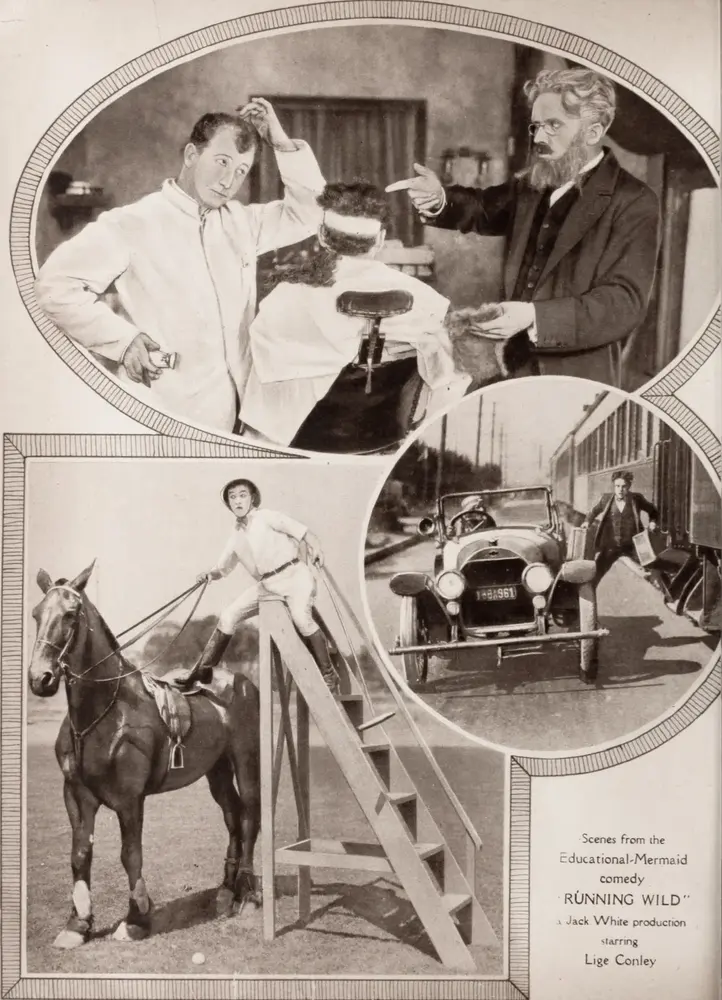
Supporting actors provide texture without overwhelming the central narrative. Earl Montgomery’s aristocratic veneer cracks under the pressure of the match, revealing a man whose confidence is as brittle as his polished riding boots. Lige Conley’s comedic timing offers a respite from the tension, his physical comedy reminiscent of the slapstick tradition found in Nonsense. Jack Lloyd’s stoic presence as the club steward grounds the film, his measured gestures serving as a visual counterpoint to the frenetic energy of the polo scenes.
The cinematography, attributed to an uncredited yet skilled director of photography, captures the kinetic energy of polo with a series of sweeping crane shots that follow the ball’s trajectory. The use of natural light during the match lends authenticity, while the interior sets—lavishly decorated with period furniture and ornate chandeliers—evoke the opulence of the 1920s elite. The contrast between the open field and the closed, gilded rooms underscores the film’s thematic tension between freedom and constraint.
Although Running Wild did not achieve the commercial success of some of its contemporaries, its nuanced treatment of class and gender earned it a modest cult following among silent film aficionados. Modern retrospectives often cite the film as an early example of sports cinema that transcends the mere depiction of competition to explore deeper societal issues. Its influence can be traced in later works that blend romance with athletic competition, such as the 1930s tennis drama Love on the Court (a fictional reference for illustrative purposes).
The film’s preservation status has improved thanks to recent digitization efforts by the Film Preservation Society, ensuring that new generations can experience its visual splendor. Academic essays frequently reference Running Wild when discussing the representation of women’s agency in early cinema, positioning Maxine as a proto‑feminist figure who asserts control over her own matrimonial destiny.
In sum, Running Wild is a testament to the silent era’s capacity for storytelling that is both entertaining and thought‑provoking. Its blend of sport, romance, and social critique creates a layered tapestry that rewards repeated viewings. Whether one is drawn to the exhilaration of the polo match, the subtle dance of courtship, or the film’s broader commentary on meritocracy, there is a richness to be mined in every frame. The film invites viewers to consider that true victory—on the field and in the heart—often lies beyond the accolades society deems essential.
IMDb —
1920
Community
Log in to comment.