DbcultAccessing Vault...
6.8/10
Senior Film Conservator
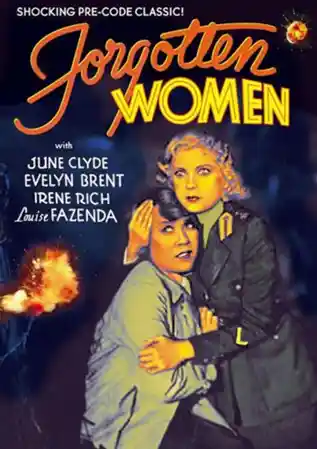
A definitive 6.8/10 rating for a film that redefined the boundaries of cult cinema. The Mad Parade remains a cornerstone of transgressive art.
So, is The Mad Parade worth dusting off today? Well, that depends. If you're into early talkies, especially those that show a different side of World War I, you'll probably find some real gems here. Anyone who hates older films or expects slick, modern pacing will likely struggle.
This movie, from way back in 1931, drops you right into the thick of WWI, but it's not about the trenches, not really. It’s all about these eight women, all doing their bit, some as nurses, others driving supplies. It's less about explosions and more about the waiting, the friendships, and the sheer stuff of living through wartime.
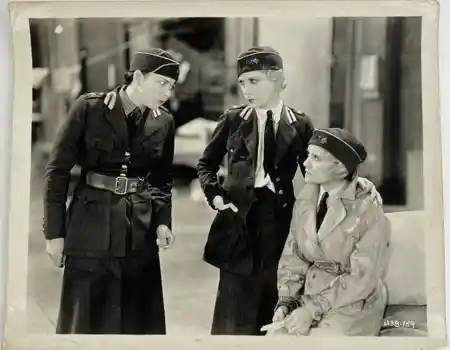
The film starts with a sort of roll call, introducing each woman as they get their orders. You meet Irene Rich’s character, Nurse Davis, who's this stoic, almost weary figure, and then there's Louise Fazenda as the loud, brash "Smitty." The contrast is immediate, almost too on-the-nose, but it works to set up the group dynamic.
There's this moment early on, a bit of a squabble over a missing coat. It feels so small, so petty, against the backdrop of war. But that’s kind of the point, isn't it? Life, even during wartime, still has these little, irritating things.
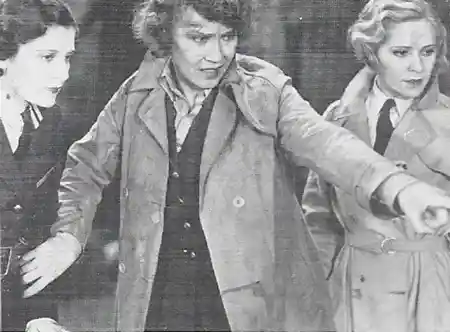
One scene that stuck with me involves a makeshift concert. They're all trying to lift spirits, and Smitty gets up to sing a really jaunty tune. But the camera just kind of… lingers on the faces of the other women. You see a quick flash of homesickness on June Clyde’s face, then Evelyn Brent's character, Mary, looking almost resigned. It's not sad exactly, more like a quiet acknowledgement of everything they're missing. It’s a good touch.
The film gets really interesting when they’re stationed closer to the front. There’s a scene where they’re under shell fire, and the sound design, for 1931, is actually pretty effective. You hear the distant booms, then closer ones, and the women are just trying to keep their cool. It’s not heroic in a Hollywood way; it’s just survival.
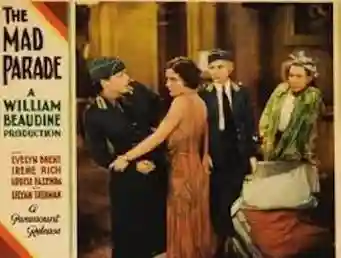
Some of the dialogue can feel a bit stagey, very much of its time. Like, someone says something very earnest, and you almost expect applause. But then, other lines really cut through. There's a bit where one character, I think it was Marceline Day’s character, Pat, says, "I just want to go home and eat pie." It’s so simple, so human, and it sticks with you.
The relationships between the women are what holds it together. There's a rivalry between two of them over a man, of course, because it’s a movie. But it never really overshadows the main story of their shared experience. It’s more background noise than central drama, which is a relief.
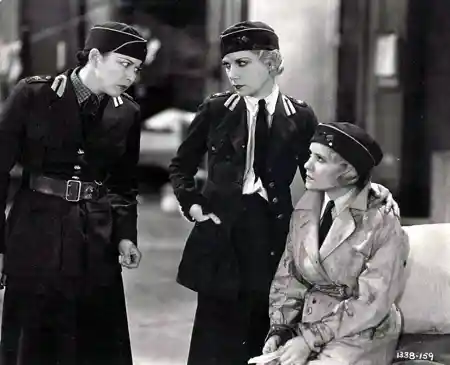
I found myself wondering about the logistics of filming this back then. The "mad parade" itself isn't a literal parade, by the way. It’s more about the frantic, chaotic movement of people and supplies during war. There are some surprisingly busy shots of trucks and soldiers, though sometimes the extras feel a bit… sparse. You notice the same few faces popping up.
One oddity: there’s a moment where a character gets a letter from home, and the camera focuses intensely on her hands opening it. Like, really intensely. You can almost feel the director thinking, "This is important! Look at her hands!" It’s a little long, but it also makes you pay attention to a small, private moment amidst the chaos.
It’s not a perfect film, by any means. The pacing drags a bit in the middle, and some of the melodrama feels very dated. But it’s got this raw energy, especially in the performances of the main ensemble. They feel like a real unit, even when they’re bickering.
If you're curious about how early sound films tackled big themes like war, or just want to see a different kind of war story, this is a decent pick. It’s a snapshot, really, of a particular time and how those times shaped people, especially women, during a global conflict.
It’s a bit rough around the edges, sure. But it’s got a heart to it that makes it worth seeing. Maybe grab a cup of tea, settle in, and just let it wash over you. It's not trying to be All Quiet on the Western Front, it’s doing its own thing, quietly.
IMDb 3.4
1918
Community
Log in to comment.