DbcultAccessing Vault...
5/10
Senior Film Conservator
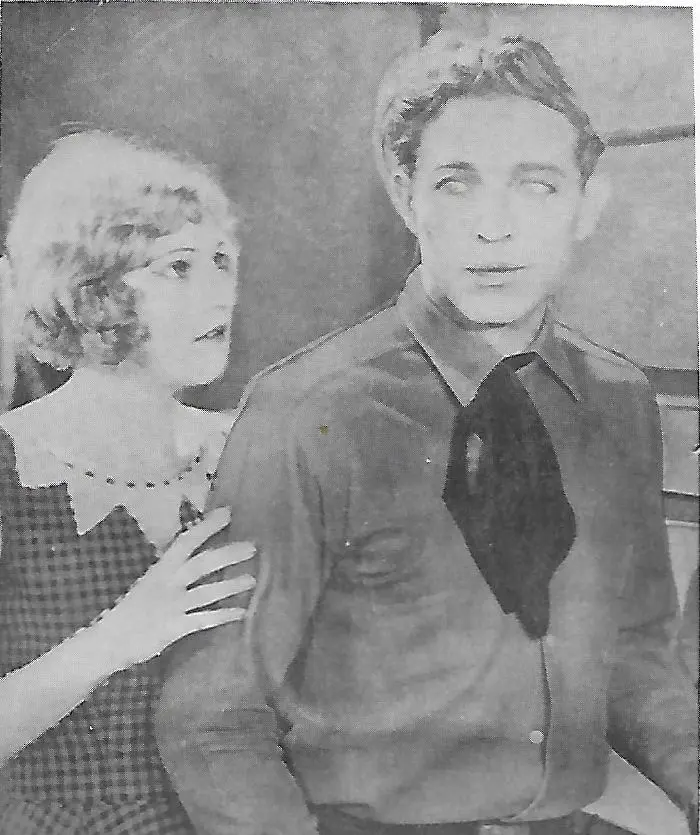
A definitive 5/10 rating for a film that redefined the boundaries of cult cinema. Blazing Days remains a cornerstone of transgressive art.
Is Blazing Days worth watching today? Short answer: yes, but with significant caveats. This particular silent Western, a relic from the Library of Congress archives, offers a fascinating glimpse into early genre conventions and the raw, unpolished charm of a bygone cinematic era.
It's a film for dedicated cinephiles, historians, and those with an appreciation for the unique experience of live musical accompaniment, but it will likely test the patience of mainstream audiences accustomed to modern pacing and sound.
This film works because of its surprisingly engaging narrative clarity for a silent feature and the genuine, if simplistic, character arcs that anchor its Western melodrama.
This film fails because its technical limitations, especially the often-broad silent acting and rudimentary cinematography, prevent it from achieving the artistic heights of its more celebrated contemporaries.
You should watch it if you are a scholar of silent cinema, a fan of early Westerns, or someone seeking an authentic, unedited historical film experience, particularly with live musical scoring.
The experience of viewing Blazing Days at the Lone Pine Film Festival in 2019 was, in itself, a cinematic event. Sourced from a Library of Congress archive DVD and accompanied by a live pianist, this isn't merely a film; it's a window into a specific moment in film history, inaccessible through conventional channels.
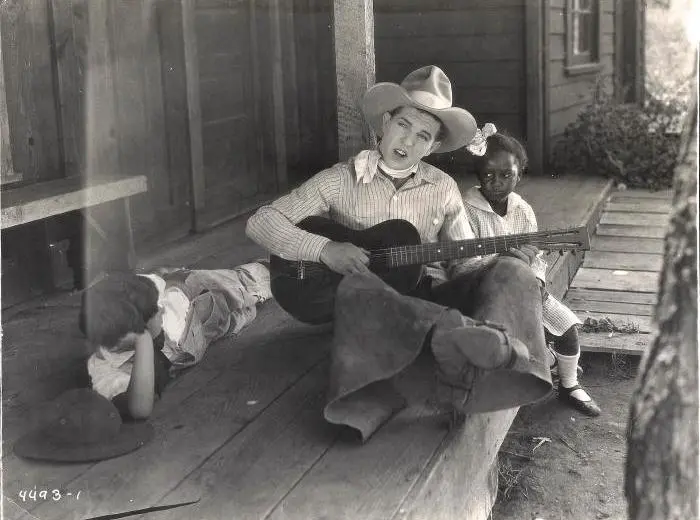
This context is vital, as it frames the entire viewing experience, elevating a relatively straightforward silent Western into something far more significant than its individual parts might suggest.
Directed by Robert F. Hill, with a script from Florence Ryerson, George H. Plympton, and Hill himself, the film presents a narrative that, while familiar in its tropes, possesses a certain undeniable charm. It’s a classic tale of good versus bad, ranchers versus schemers, with a dash of romance and an unexpected pivot into social commentary.
The film’s unavailability commercially adds to its mystique. It forces a critical re-evaluation of what constitutes 'value' in cinema. Is it purely artistic merit, or does rarity and historical preservation play an equally important role? For Blazing Days, it’s undeniably the latter, though it carries some genuine merits of its own.
At its core, Blazing Days follows Smilin' Sam Perry (Fred Humes), a rancher facing the looming threat of an overdue loan from the avaricious Ezra Skinner (Bernard Siegel). Sam’s confidence in an incoming stagecoach payment is shattered when the funds are stolen, a robbery orchestrated, we soon discover, by the conniving Dude Dutton (Bruce Gordon).
Dutton, a master manipulator, has befriended the ailing Jim Morgan (Churchill Ross) and his sister Milly (Ena Gregory), leveraging Jim’s desire for a new life into a rigged gambling win. This sudden influx of cash for Jim suspiciously aligns with Sam's loss, immediately setting up the central conflict.
The film cleverly uses the motif of sheep herding to drive much of its narrative tension and comedic relief. Sam’s repeated confrontations with a shepherd on his land — unknowingly Dutton in various disguises — become a running gag that eventually leads to a more profound connection with Milly and Jim.
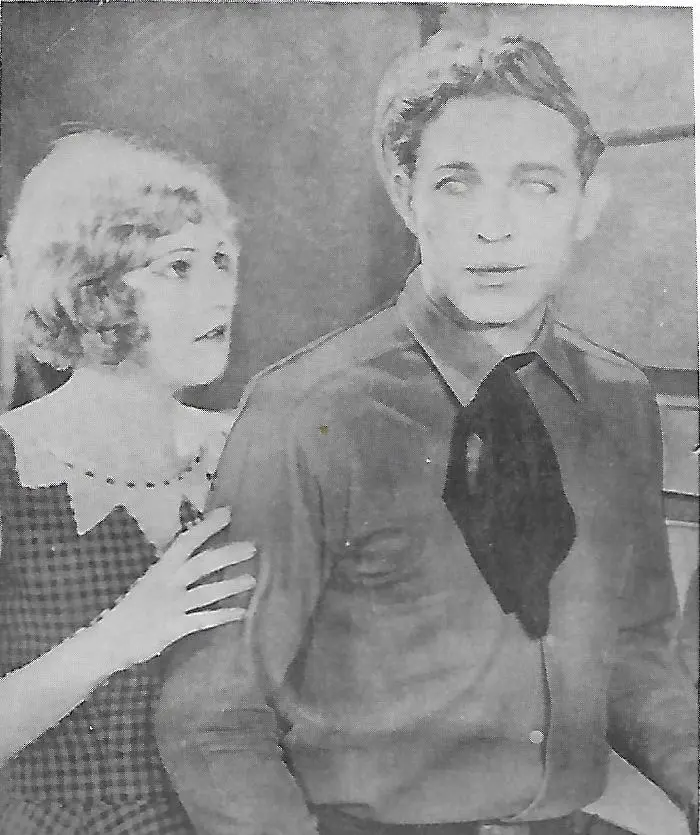
The sequence where Dutton, having changed clothes with the shepherd, is unceremoniously ejected by Sam again, is a moment of genuine silent film humor, relying entirely on visual recognition and the audience’s understanding of the deception. It’s simple, effective, and surprisingly well-executed for the era, a clear demonstration of visual storytelling without dialogue.
Fred Humes as Smilin' Sam Perry embodies the archetypal silent Western hero with a straightforward earnestness. His performance is characterized by broad gestures and a perpetually open, honest expression, fitting for the period's need for clear emotional communication without dialogue.
While not nuanced by today's standards, Humes consistently conveys Sam's integrity, his frustration with the sheep, and a burgeoning romantic interest in Milly that feels authentic within the film's world. His 'smilin'' persona genuinely comes through, even in moments of exasperation.
Ena Gregory, as Milly, is perhaps the film's strongest emotional anchor. Her suspicion of Jim's sudden wealth and her pragmatic decision to hide the money in the mattress provide a crucial layer of common sense and moral compass to the narrative. She represents the audience's own doubts, making her highly relatable.
Her interactions with Sam, particularly as he softens his stance on the sheep due to his growing affection for her, are genuinely endearing and hint at a deeper connection that transcends mere plot points.
Bruce Gordon's Dude Dutton is a delightfully transparent villain. His villainy is telegraphed early and often through his sneering expressions and furtive glances, yet he manages to be a consistently engaging antagonist through his sheer audacity and relentless pursuit of his schemes.
The scene where he tries to pin the stagecoach robbery on Jim, only to be contradicted by the sheriff's unexpected testimony, is a satisfying moment of comeuppance that highlights the film's simple but effective moral universe.
The supporting cast, including Bernard Siegel's Ezra Skinner as the predictably greedy lender and Eva Thatcher's Ma Bascomb, are all effective in their roles
IMDb 3
1928
Community
Log in to comment.