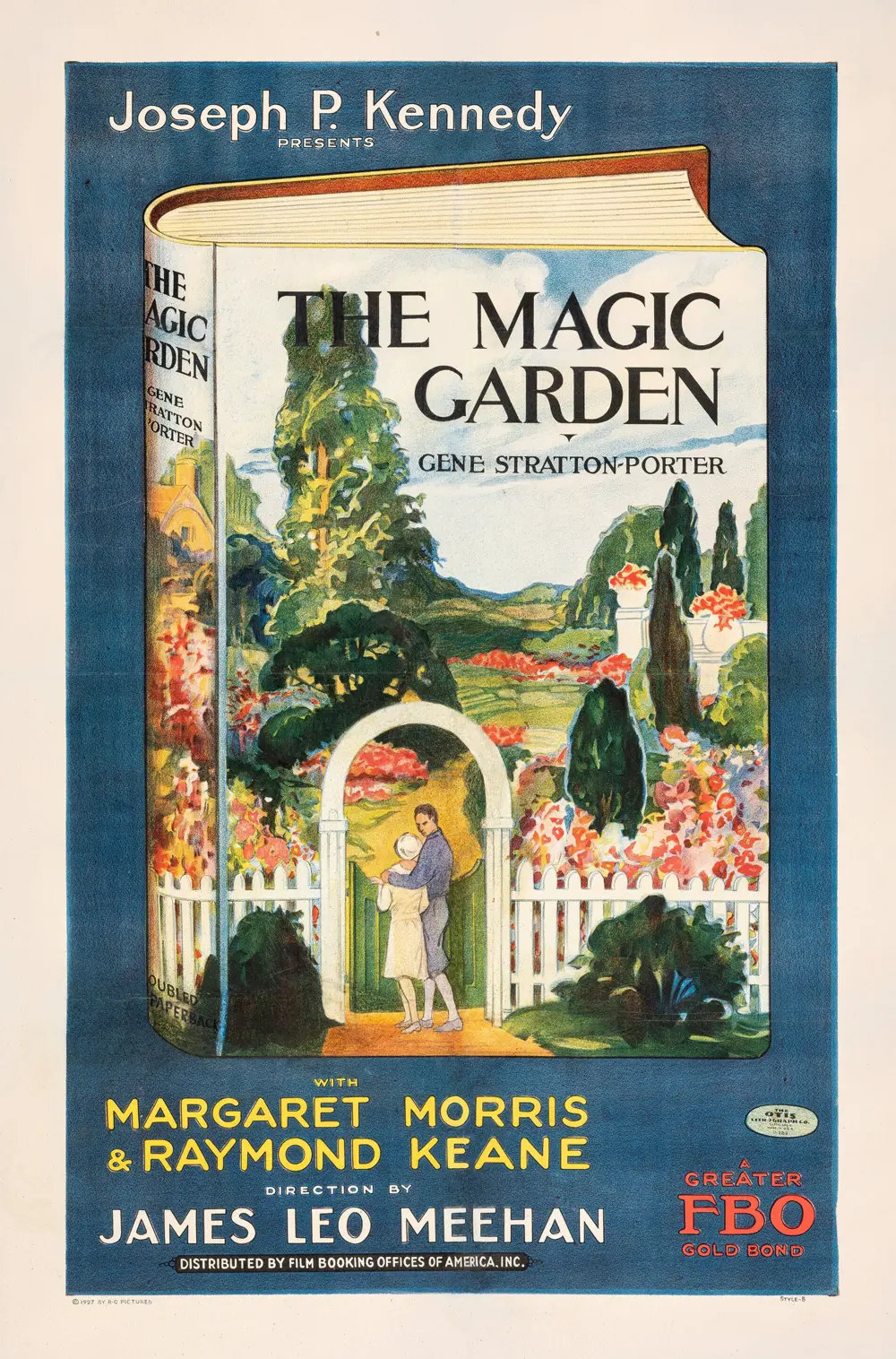
Is The Magic Garden a forgotten gem or a relic best left untouched? Short answer: for a specific audience, it absolutely is. This film is a tender, if somewhat simplistic, journey best appreciated by cinephiles with a deep affection for silent era romantic dramas and those curious about the early evolution of narrative film, but it will likely test the patience of viewers accustomed to modern pacing and complex character arcs.
It’s not for everyone. Modern viewers seeking fast-paced narratives, intricate character development, or groundbreaking visual effects will find its deliberate rhythm challenging. However, those willing to immerse themselves in its period charm will discover a quaint, heartfelt story.
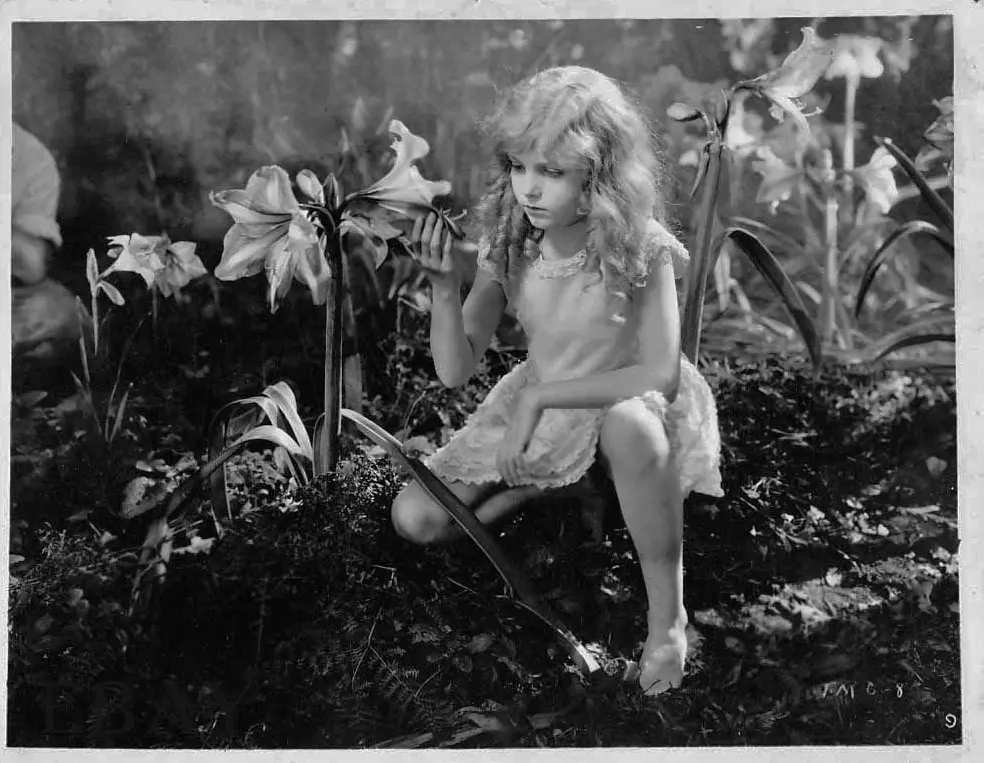
Scene from The Magic Garden
Cinematic perspective: Exploring the visual vocabulary of The Magic Garden (1927) through its definitive frames.
This film works because: Its earnest, almost naive, sentimentality creates a timeless romantic fable, anchored by the evocative power of its central garden motif and Margaret Morris's genuinely touching performance.
This film fails because: Its narrative predictability, reliance on broad melodramatic strokes, and often rudimentary filmmaking techniques betray its age, making it feel less like a rediscovered classic and more like a historical artifact.
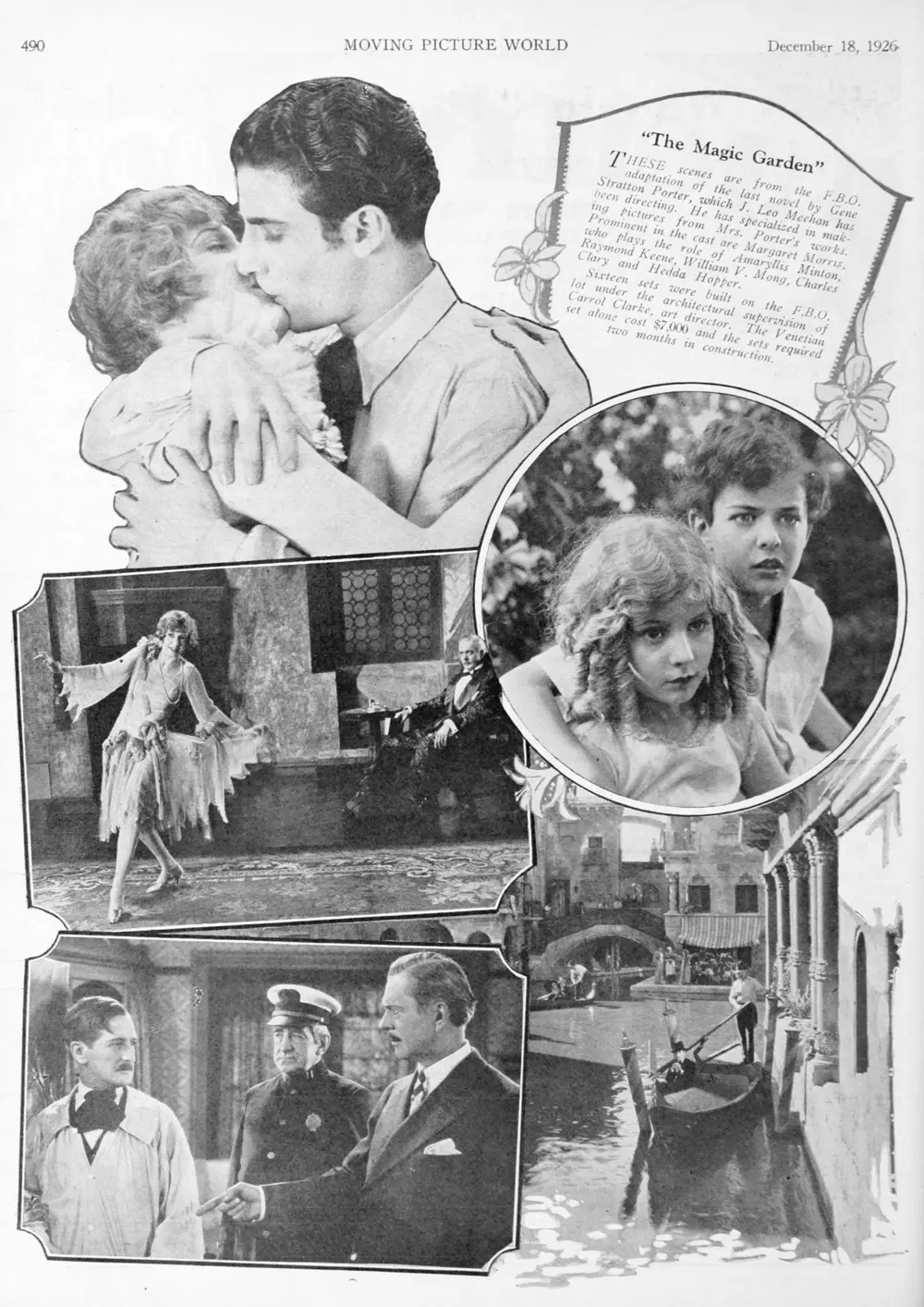
Scene from The Magic Garden
Cinematic perspective: Exploring the visual vocabulary of The Magic Garden (1927) through its definitive frames.
You should watch it if: You have a genuine appreciation for the silent film era, romantic fables, or wish to witness early cinematic attempts at emotional depth and the foundational elements of screen storytelling.
Delving into "The Magic Garden"
Directed by James Leo Meehan, The Magic Garden, released in 1927, exists as a poignant whisper from a bygone era of filmmaking. It's a romantic drama, plain and simple, yet it attempts to tap into something universally resonant: the enduring power of a childhood promise and the almost mystical pull of a fated reunion. The narrative, adapted from Gene Stratton-Porter's novel, is deceptively straightforward, focusing on the emotional core rather than plot convolutions.
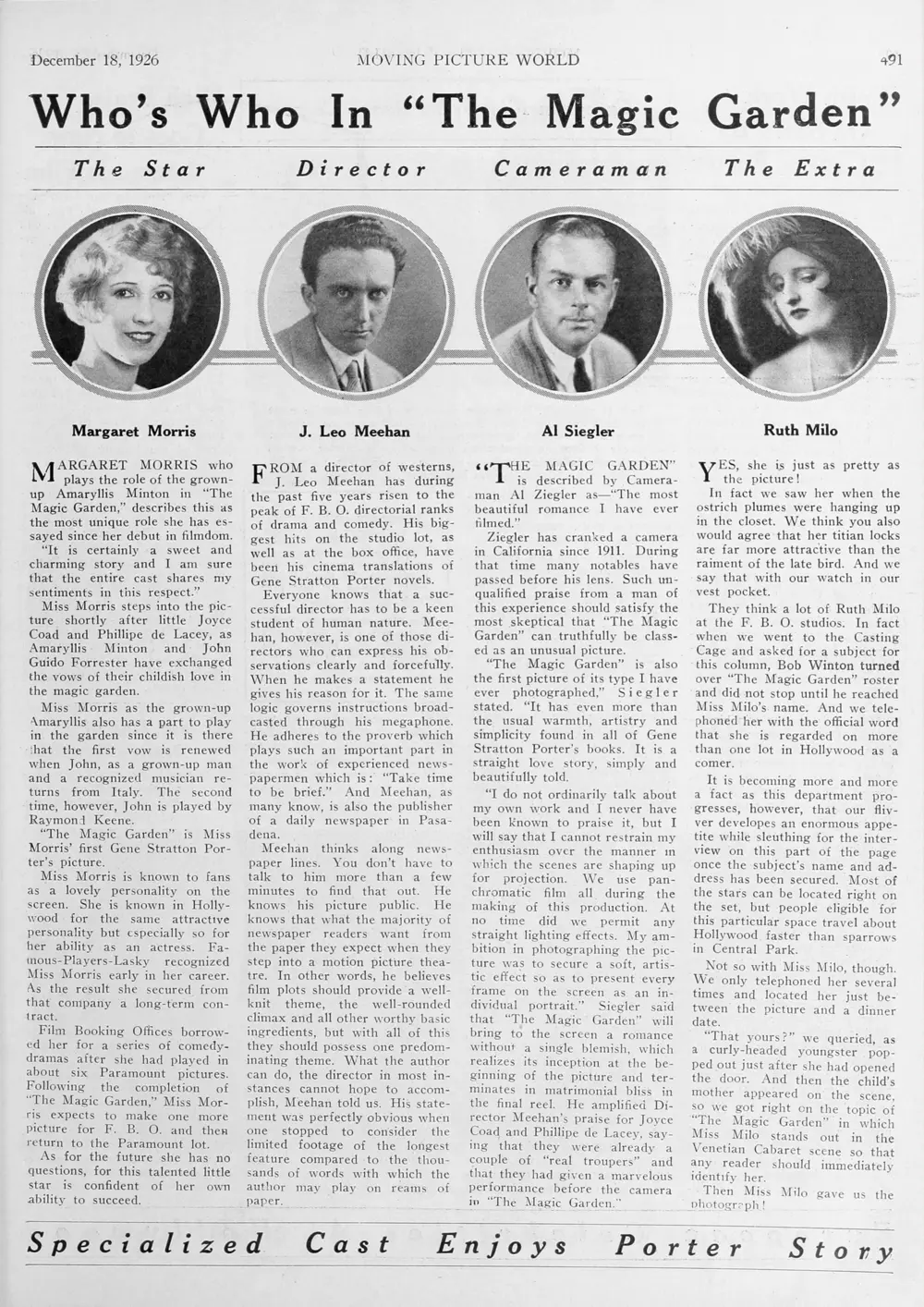
Scene from The Magic Garden
Cinematic perspective: Exploring the visual vocabulary of The Magic Garden (1927) through its definitive frames.
The story introduces us to a young boy and girl who forge an unbreakable bond within the confines of a breathtaking garden. This isn't just any garden; it's a character in itself, a verdant sanctuary that witnesses their innocent pledge to meet there again, no matter how much time passes. This central conceit immediately establishes a tone of wistful romanticism, setting the stage for a narrative steeped in destiny.
The boy, driven by an an artistic calling, embarks on a journey to Italy to master the violin, a classic trope that elevates his character to a figure of romantic yearning. His departure marks a period of separation, testing the strength of that childhood vow. The film's emotional weight hinges on the audience's investment in this promise, in the hope that time and distance will