DbcultAccessing Vault...
Cult Review
Senior Film Conservator
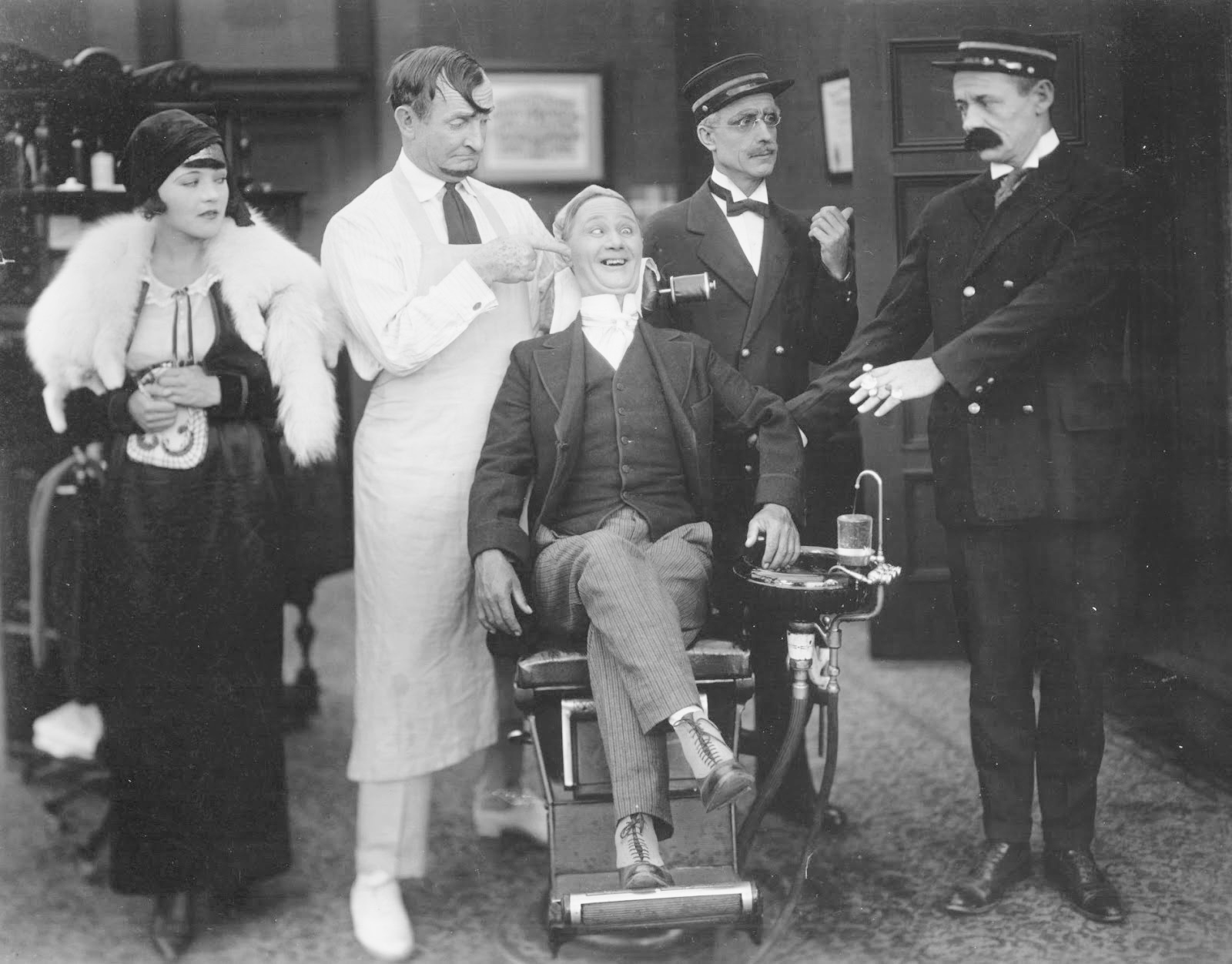
Step right up, ladies and gentlemen, and prepare yourselves for a journey back to a time when laughter was not merely heard, but seen, felt, and utterly embodied. We're talking, of course, about the glorious, madcap era of silent cinema, a period often relegated to dusty archives and academic treatises, yet one that, upon closer inspection, reveals a vibrant, pulsating heart of pure, unadulterated entertainment. Today, our focus alights upon a particular flicker of celluloid genius, a veritable riot of gags and guffaws that, despite the passage of a century, retains an astonishing capacity to elicit genuine mirth: the incomparable The Dentist. This isn't just a film; it's a meticulously orchestrated symphony of comedic destruction, a testament to the raw, physical artistry of an ensemble cast who understood the very mechanics of laughter.
To speak of The Dentist is to invoke a spirit of boundless energy and inventive absurdity that defined the very best of early cinematic comedy. It's a film that, even in its brief runtime, manages to pack more genuine comedic punch than many features twice its length. The premise, deceptively simple, serves as a mere springboard for a cascade of increasingly outlandish scenarios. Imagine, if you will, the most sterile, anxiety-inducing environment known to humankind—the dentist's office—and then envision it utterly, gloriously dismantled by the forces of slapstick. This is the stage upon which Dr. Horace Piffle, portrayed with a magnificent blend of frantic incompetence and earnest delusion by the inimitable Harry Gribbon, attempts to ply his trade. Gribbon, a veteran of countless Keystone capers, brings to Piffle a unique brand of flustered authority, a man perpetually on the brink of a nervous breakdown, yet determined to maintain a semblance of professional decorum even as his world collapses around him.
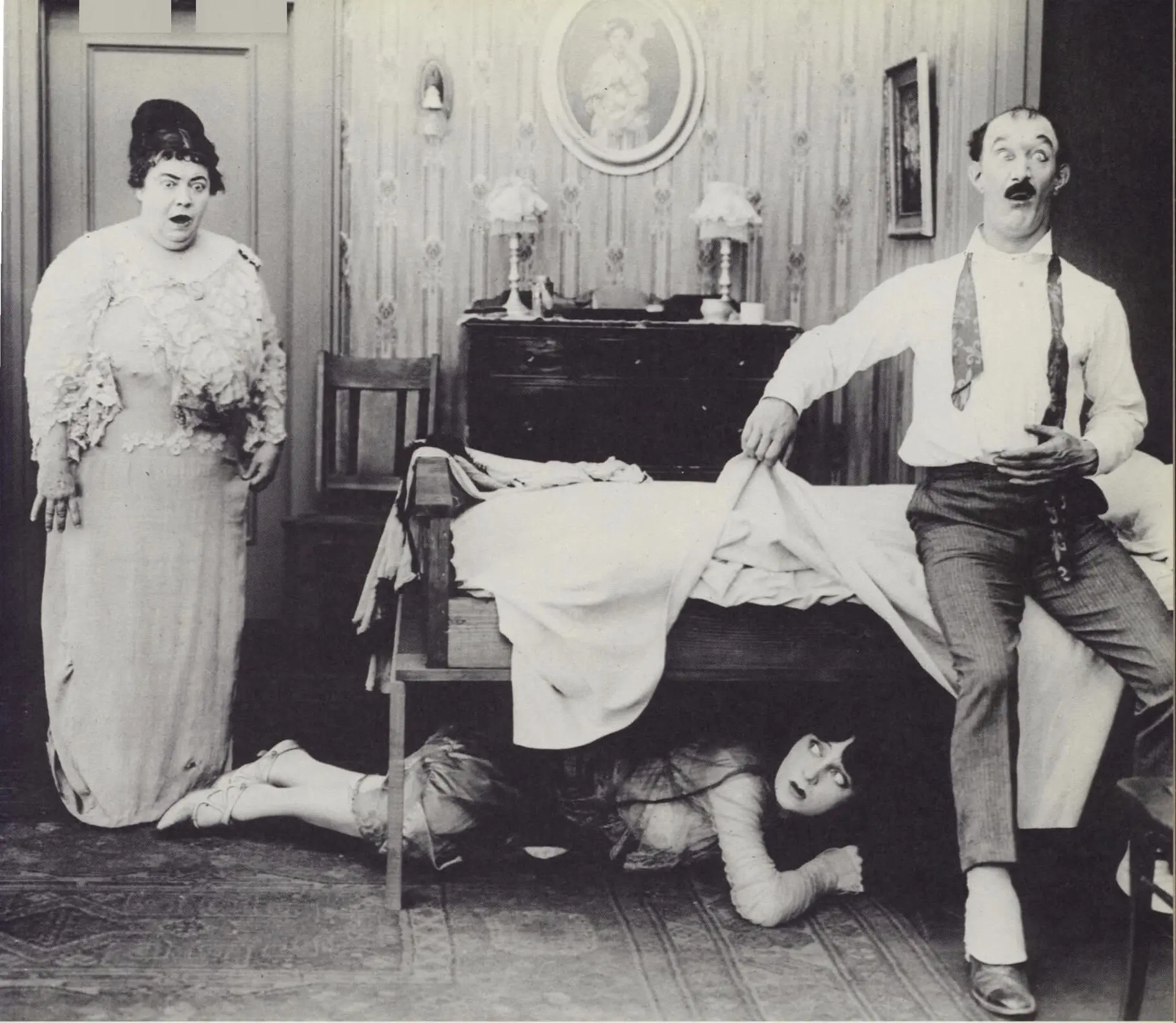
The true catalyst for this comedic maelstrom arrives in the form of Mr. Wiffle, a character brought to vivid, cross-eyed life by the legendary Ben Turpin. Turpin, with his signature ocular misalignment, was a master of the double take and the bewildered stare, his very presence a visual gag in itself. Here, his character is the unwitting vessel for a stolen diamond, secreted away in a tooth, a plot device so exquisitely silly it feels both utterly improbable and perfectly logical within the film's heightened reality. This precious gem, a MacGuffin of the highest order, ignites a frantic pursuit by a gang of utterly inept jewel thieves, led by the perpetually scowling Boss Snaggletooth (Charles Murray, another Keystone stalwart whose authoritative bluster was always ripe for comedic deflation) and his bumbling henchmen, including the perpetually exasperated James Finlayson. Finlayson, with his slow-burn reactions and exasperated sighs, provides a perfect foil to the more manic energies surrounding him, his brand of controlled chaos a brilliant contrast.
The brilliance of The Dentist lies not just in its individual gags, but in their relentless accumulation and escalation. The dental office, initially a picture of (relative) calm, quickly devolves into a veritable battleground. Dr. Piffle’s attempts at dentistry are repeatedly thwarted by Mr. Wiffle’s involuntary spasms, the thieves’ clumsy attempts at infiltration, and the general bedlam caused by a revolving door of eccentric patients. Charlotte Mineau, a familiar face in silent comedies, might be seen as Mrs. Guzzle, a patient whose predilection for laughing gas perhaps extends beyond therapeutic limits, adding another layer of delightful disorientation to the proceedings. The sight of dental equipment being weaponized, of patients being mistaken for accomplices, and of the entire practice becoming a veritable playground for physical comedy is nothing short of exhilarating. The film embraces the inherent absurdity of its premise with an unwavering commitment, never once winking at the audience, but rather inviting them to surrender to its joyous chaos.
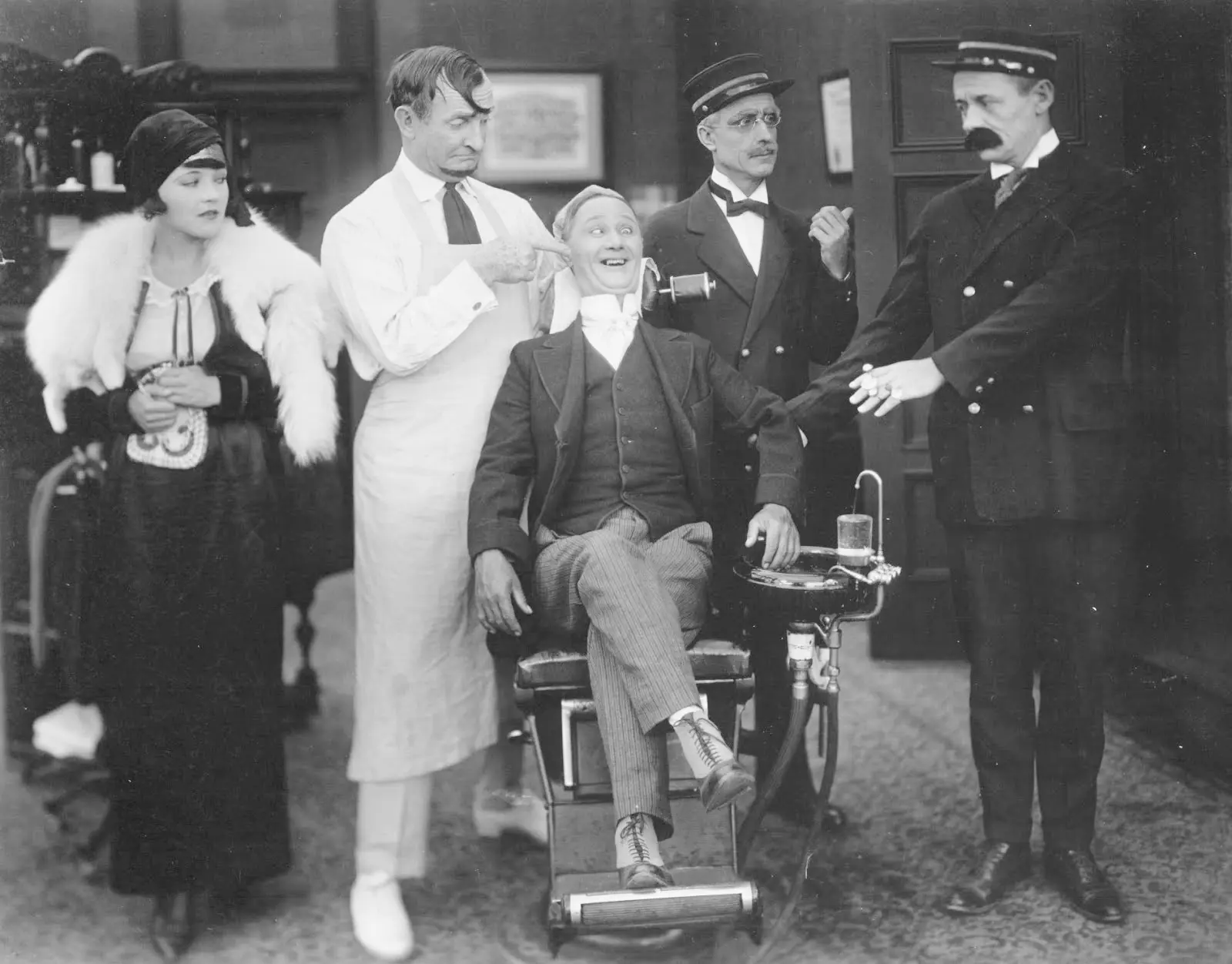
The cast, a veritable who’s who of silent era comedic talent, contributes immensely to the film’s enduring appeal. Harry Gribbon’s Dr. Piffle is a tour de force of physical comedy, his limbs flailing, his face contorting in a ballet of frustration and bewilderment. Ben Turpin, of course, is a master of the visual gag, his cross-eyes providing an instant, iconic laugh. But it’s the ensemble work that truly shines. Hughie Mack, another prolific character actor, likely contributes to the gang of thieves with his signature gruffness, while Kalla Pasha, known for his strongman physique, might be seen as an unwitting participant in a strength-based gag. Fanny Kelly and Marie Prevost, often playing the ingénues or distressed damsels, would have added their own unique blend of charm and comedic timing, perhaps as a nurse trying to maintain order or a patient caught in the crossfire. Even Pepper the Cat, a true animal actor, gets in on the action, proving that even feline performers understood the assignment in the silent era, adding a layer of unexpected animal antics to the human-driven mayhem. The sheer number of recognizable faces, from Joseph Belmont to Patrick Kelly and Eddie Gribbon, ensures that every corner of the screen is alive with comedic potential, each background player a potential source of a new sight gag or reaction shot.
The genius of The Dentist, and indeed much of Keystone’s output, lies in its understanding of kinetic energy. The film is a masterclass in the art of the chase sequence, a hallmark of the era. What begins as a confined struggle within the dental office quickly spills out into the bustling streets, transforming mundane urban environments into arenas for high-octane hijinks. We see a runaway dental chair careening through traffic, perhaps even echoing the vehicular mayhem seen in other contemporary comedies, though here, the specific absurdity of a dental chair in flight elevates it to a new level. This relentless momentum is what truly distinguishes these early comedies. They didn't rely on intricate dialogue or complex character arcs; instead, they built their humor on the universal language of physical comedy, on the sheer spectacle of bodies in motion, colliding, tumbling, and miraculously bouncing back for more. This ceaseless motion, often featuring the entire ensemble in a grand, climactic pursuit, is a direct lineage to the famous Keystone Kops sequences, where order is perpetually inverted and chaos reigns supreme.
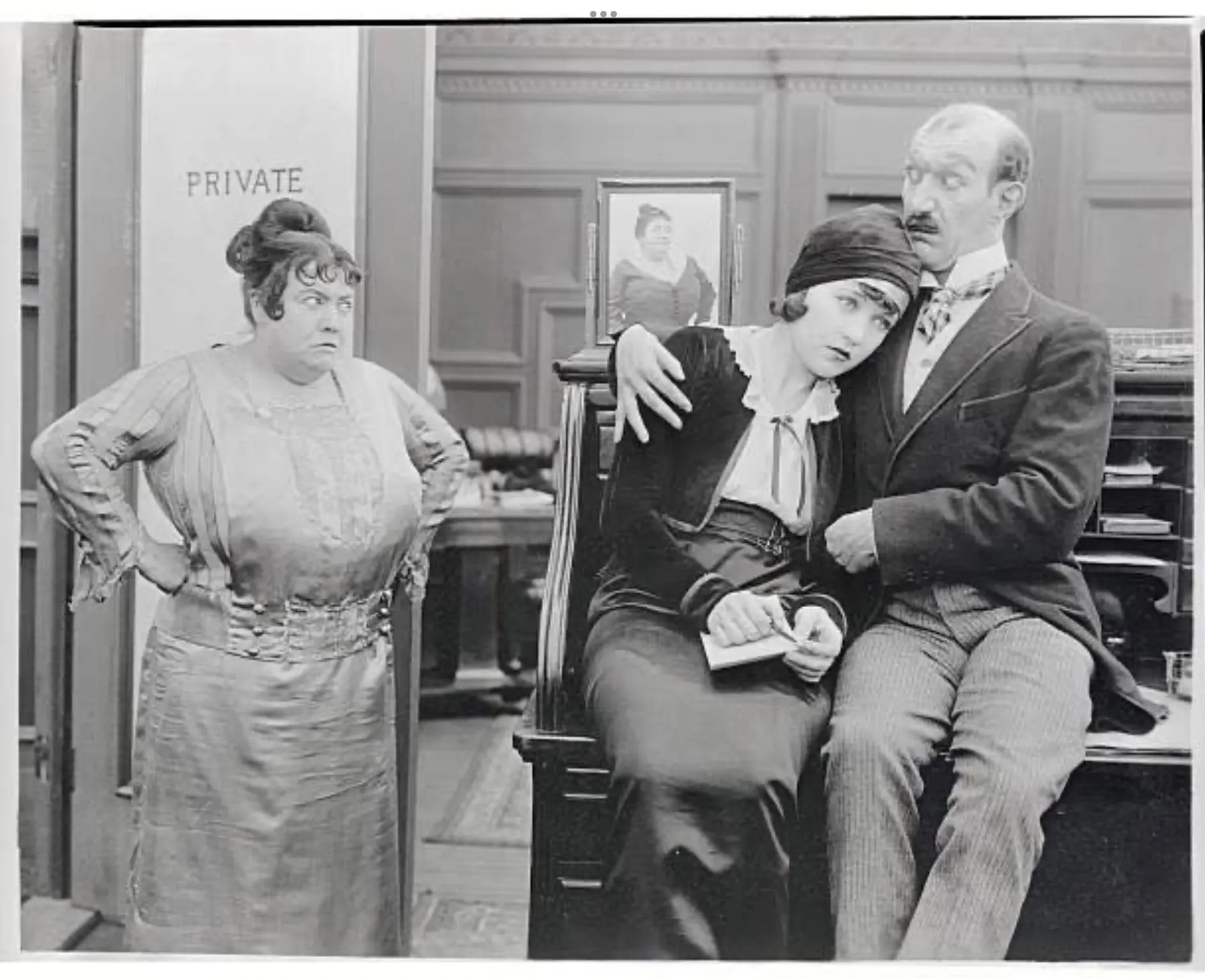
Comparing The Dentist to its contemporaries, one can draw fascinating parallels. The way a seemingly ordinary setting is utterly transformed into a stage for pandemonium is reminiscent of films like Chop Suey & Co., where a restaurant becomes a battleground, or even the more dramatic, but equally frenetic, chase sequences found in serials like The Hazards of Helen, though with a decidedly comedic rather than thrilling intent. The film shares the same anarchic spirit that propelled many of the early comedies, a disregard for logic in favor of pure, unadulterated visual humor. It’s this spirit that makes these films so timeless, transcending language barriers and cultural shifts. The sight of a man slipping on a banana peel, or a building collapsing, is, in its essence, universally funny. The Dentist capitalizes on this fundamental understanding of human folly, crafting a narrative where every attempt to restore order only precipitates greater disarray.
The film’s ending, a grand, destructive finale where the entire dental practice is reduced to splinters, is a fitting crescendo to the preceding chaos. It’s a moment of catharsis, a release of all the pent-up tension and absurdity, concluding with a triumphant, if accidental, resolution. Justice, of a sort, prevails, and Mr. Wiffle, ever oblivious, remains blissfully unaware of the maelstrom he unwittingly caused. This ironic detachment, where the central character remains untouched by the consequences of the chaos he created, is a subtle touch of genius, underscoring the film’s commitment to pure, unadulterated escapism. It's a reminder that sometimes, the greatest humor comes from the most innocent of accidental catalysts.
Beyond the immediate laughter, The Dentist offers a fascinating glimpse into the social fabric of its time. The anxieties surrounding medical procedures, the class distinctions, and the bustling urban landscape are all subtly woven into the comedic tapestry. While the primary goal is laughter, these silent films often inadvertently capture the zeitgeist of an era, preserving snippets of life and culture for future generations. The portrayal of authority figures, often depicted as equally incompetent as the criminals they pursue, speaks to a certain anti-establishment streak inherent in much of early comedy, a playful rebellion against societal norms.
The technical prowess, even in these early, seemingly rudimentary productions, should not be underestimated. The camera work, while static by modern standards, is expertly composed to capture the full scope of the physical gags. The editing, crucial for comedic timing, is sharp and precise, ensuring that each punchline lands with maximum impact. The reliance on visual storytelling necessitated a deep understanding of human expression and movement, turning actors into living cartoons, capable of conveying complex emotions and intentions with a mere flick of the wrist or a contortion of the face. This visual literacy is something modern cinema, with its reliance on dialogue, sometimes overlooks, and watching The Dentist is a powerful reminder of the eloquence of silent performance.
In conclusion, The Dentist is far more than a historical curiosity; it is a vibrant, exhilarating piece of cinematic art that continues to resonate with audiences today. It’s a masterclass in physical comedy, a testament to the enduring appeal of slapstick, and a magnificent showcase for some of the most talented comedic performers of their generation. If you have any appreciation for the foundations of cinematic humor, for the sheer joy of watching a well-executed gag, or for the boundless creativity of a bygone era, then seeking out The Dentist is not merely recommended, but essential. It’s a film that reminds us that sometimes, the most profound laughter comes from the most utterly absurd situations, and that the simple act of watching someone slip, tumble, and spectacularly fail can be one of life’s greatest, most enduring pleasures.
IMDb —
1927
Community
Log in to comment.