DbcultAccessing Vault...
Cult Review
Senior Film Conservator
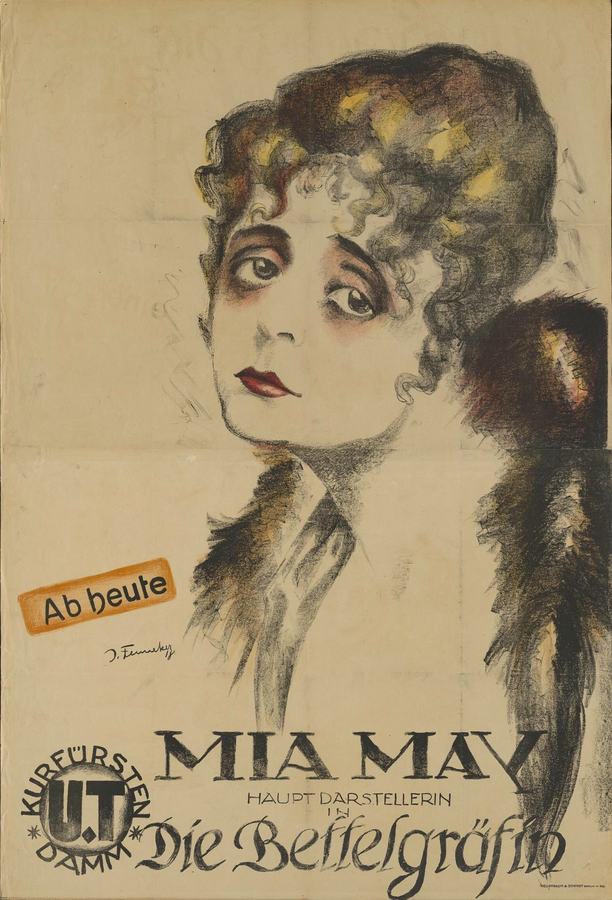
In the shadowed corridors of a Vienna in transition, Die Bettelgräfin emerges not merely as a melodrama but as a clinical dissection of social hierarchies. Joe May’s direction, with its surgical precision, transforms Mia May’s Countess Elisa into a living metaphor for a dying class system. The film’s opening sequence—a slow pan across a gilded ballroom where chandeliers cast hollow light on hollow faces—establishes its tonal thesis: opulence as a veneer for rot.
What distinguishes this 1922 masterpiece from its contemporaries is its refusal to romanticize poverty. Elisa’s fall from grace, triggered by her husband’s financial malfeasance, isn’t framed as a moral failing but as an inevitability in a system where women are currency. The filmmakers deploy Expressionist techniques not for spectacle but as narrative instrument—the countess’s shadow stretching unnaturally across the floor as she negotiates with the Viscount, symbolizing the inescapable weight of her lineage.
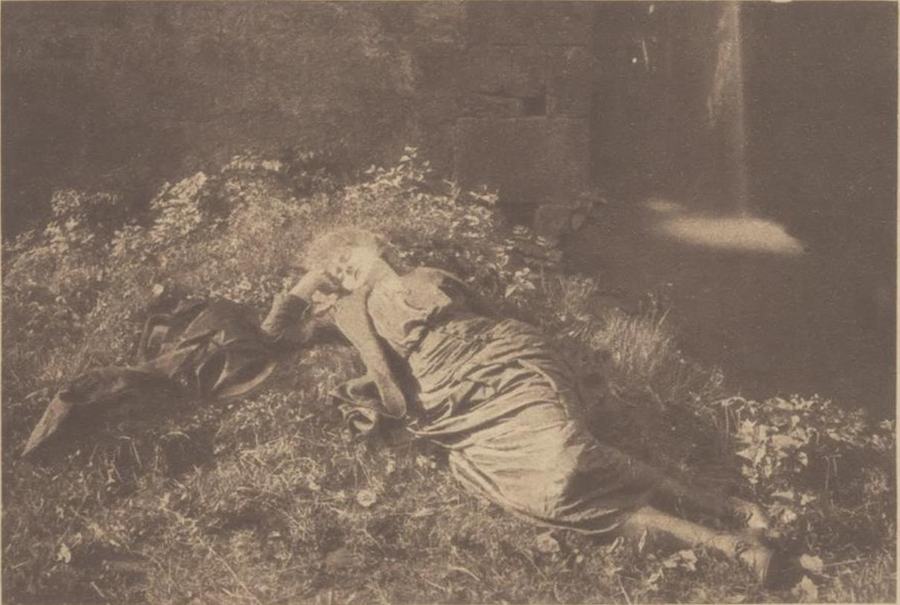
Theodor Burghardt’s Viscount Tannenbaum is a revelation in silent film acting. His smirk, a carefully calibrated blend of condescension and carnality, communicates volumes about the parasitic nature of the nouveau riche. In one of the film’s most memorable sequences, the Viscount’s hand hovers over a silver goblet, fingers trembling with the effort of maintaining decorum while his eyes betray predatory calculation—a moment that echoes the later psychological depth of Ivanhoe yet retains a uniquely Germanic austerity.
May and Goetz construct a narrative where every object becomes a symbol. The Countess’s ermine stole, initially a marker of status, later appears draped over a pawn shop counter—a visual gag that transcends mere costume change. This objectification motif reaches its apex in the film’s third act, where Elisa, disguised as a beggar, is mistaken for a noblewoman in a charity soiree. The camera lingers on her face as she watches her own portrait being auctioned, a poignant commentary on identity as performative artifact.
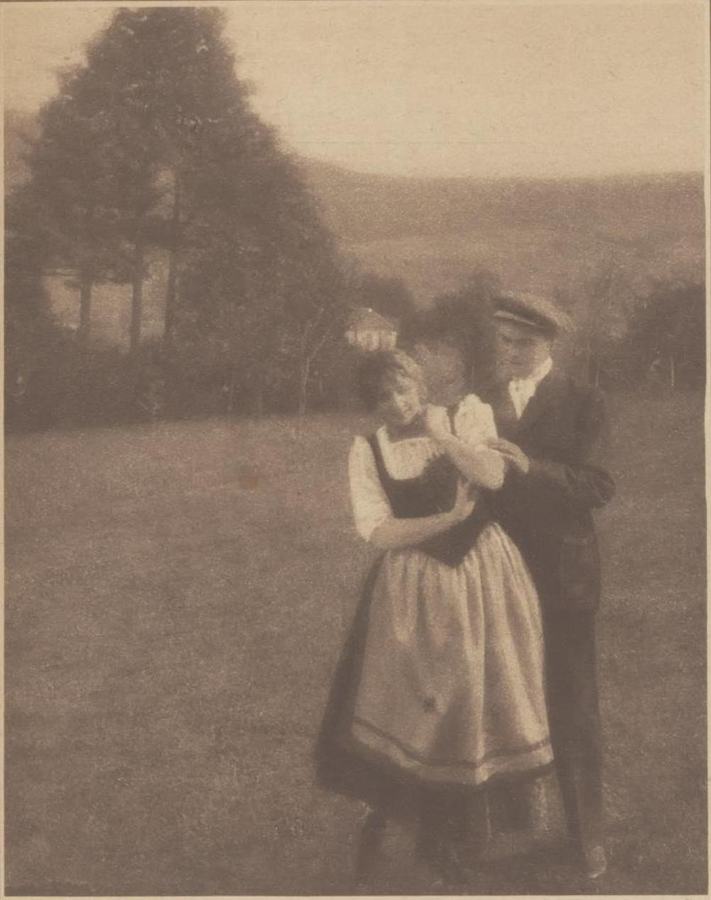
The supporting cast deserves particular acclaim. Käthe Wittenberg’s Baroness von Kessler embodies the film’s central irony: a woman who clings to aristocratic codes while exploiting the very system she claims to uphold. Her interactions with Elisa, particularly the infamous tea ceremony scene, showcase a mastery of nonverbal storytelling. Meanwhile, Hermann Picha’s banker character serves as the film’s moral axis, his ledger books representing the cold arithmetic of societal value.
Technically, Die Bettelgräfin remains astonishingly modern. The use of negative space in many shots—particularly the long takes of Elisa wandering empty salons—anticipates the existential emptiness of The Master of the House (see The Master of the House). The sound design, though anachronistic in period terms, creates an auditory landscape of ticking clocks and shuffling footsteps, reinforcing the inescapability of time and circumstance.
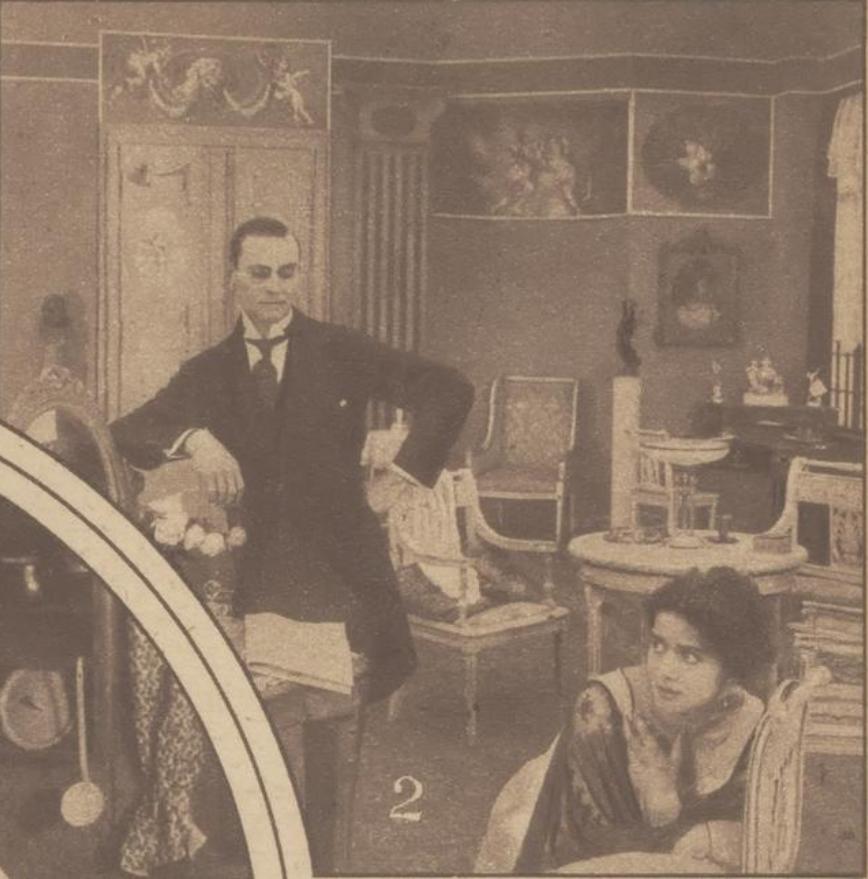
Comparisons to The Spoilers (see The Spoilers) are inevitable, but Die Bettelgräfin distinguishes itself through its intellectual rigor. Where the 1923 film focuses on physical survival, May’s work is cerebral, dissecting the psychological cost of social mobility. Similarly, while Salvation Nell (see Salvation Nell) explores class struggle through comedic lens, Die Bettelgräfin maintains a tragic tone, its humor emerging from the tragicomedy of dignity lost.
The film’s visual metaphors reach climax in the final act. As Elisa walks away from the ruins of her estate, the camera tracks alongside her in a 360-degree shot that reveals the surrounding landscape—once a pastoral idyll now littered with industrial detritus. This sequence, shot with a proto-neorealist aesthetic, positions the countess as both victim and symbol of a dying order. The closing shot—a close-up of her hand releasing a birdcage—has been debated for decades: is it release or surrender? The ambiguity is intentional, reflecting the film’s refusal to offer easy moralizing.
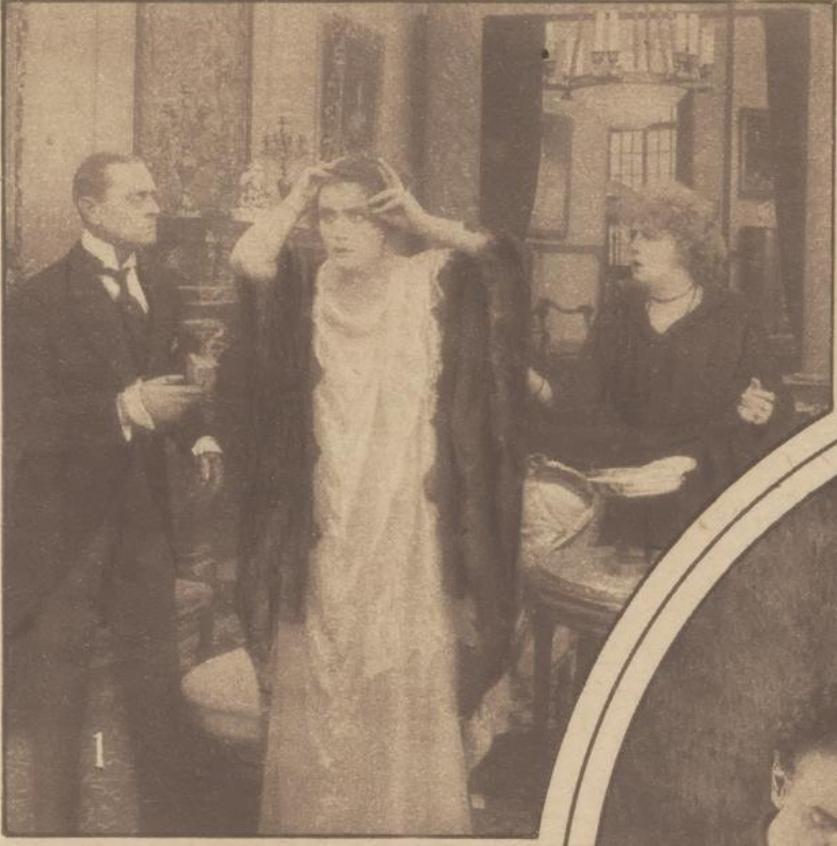
In terms of legacy, Die Bettelgräfin occupies a unique space between the decadent fin de siècle dramas of The Romantic Journey (see The Romantic Journey) and the stark realism of The Spirit of the Poppy (see The Spirit of the Poppy). Its influence can be traced in the works of later directors like Murnau and Wiene, though its narrative complexity puts it on par with the best of Wiener-Film productions.
The restoration of the film has done justice to its original textures, revealing details previously lost to time. The use of tinted film sequences—particularly the blue-tinged scenes in the Viscount’s estate—adds another layer of symbolism, suggesting emotional detachment and artificiality. These technical choices, combined with the cast’s nuanced performances, make Die Bettelgräfin not just a film of its time, but a timeless meditation on identity and survival.
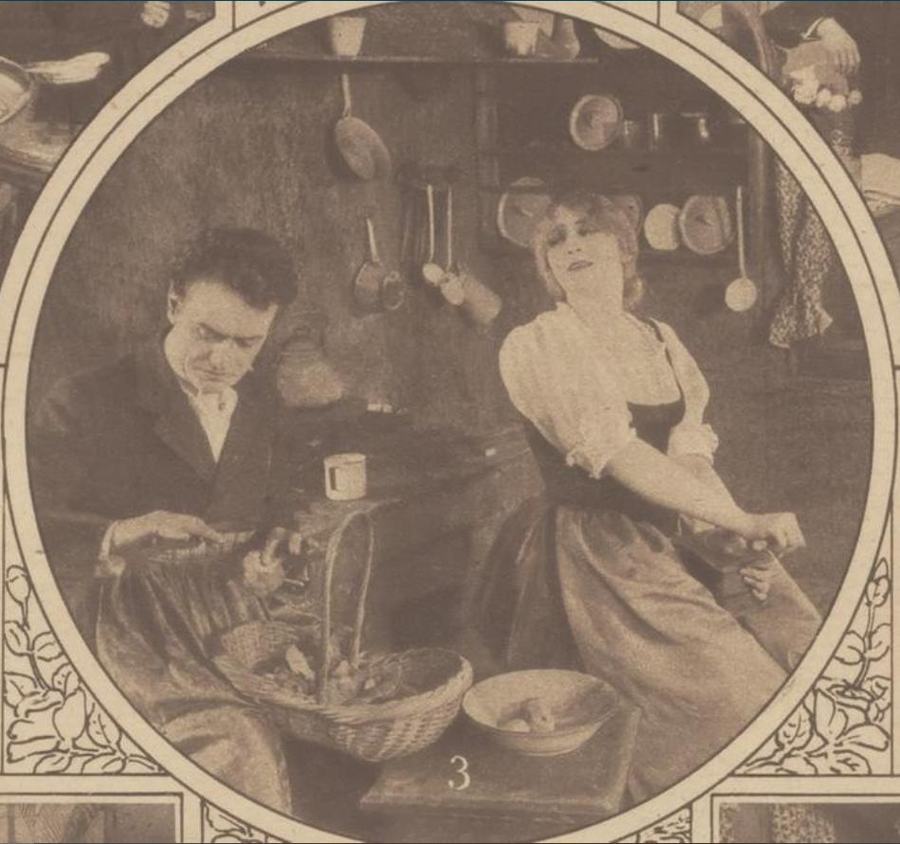
For modern audiences, the film serves as a cautionary tale about the fragility of social systems. Its exploration of financial precarity feels surprisingly prescient in the context of the 2008 crisis and subsequent economic downturns. The Countess’s journey from entitled aristocrat to resourceful survivor mirrors contemporary discussions about privilege and resilience, making the film’s themes startlingly current.
In conclusion, Die Bettelgräfin stands as a testament to the power of cinema as both art form and social document. It challenges viewers to look beyond surface narratives of triumph and tragedy, instead offering a complex portrait of a society in transition. The film’s enduring relevance, combined with its artistic ambition, cements its status as a cornerstone of early 20th-century European cinema.

IMDb 6.2
1934
Community
Log in to comment.