DbcultAccessing Vault...
Cult Review
Senior Film Conservator
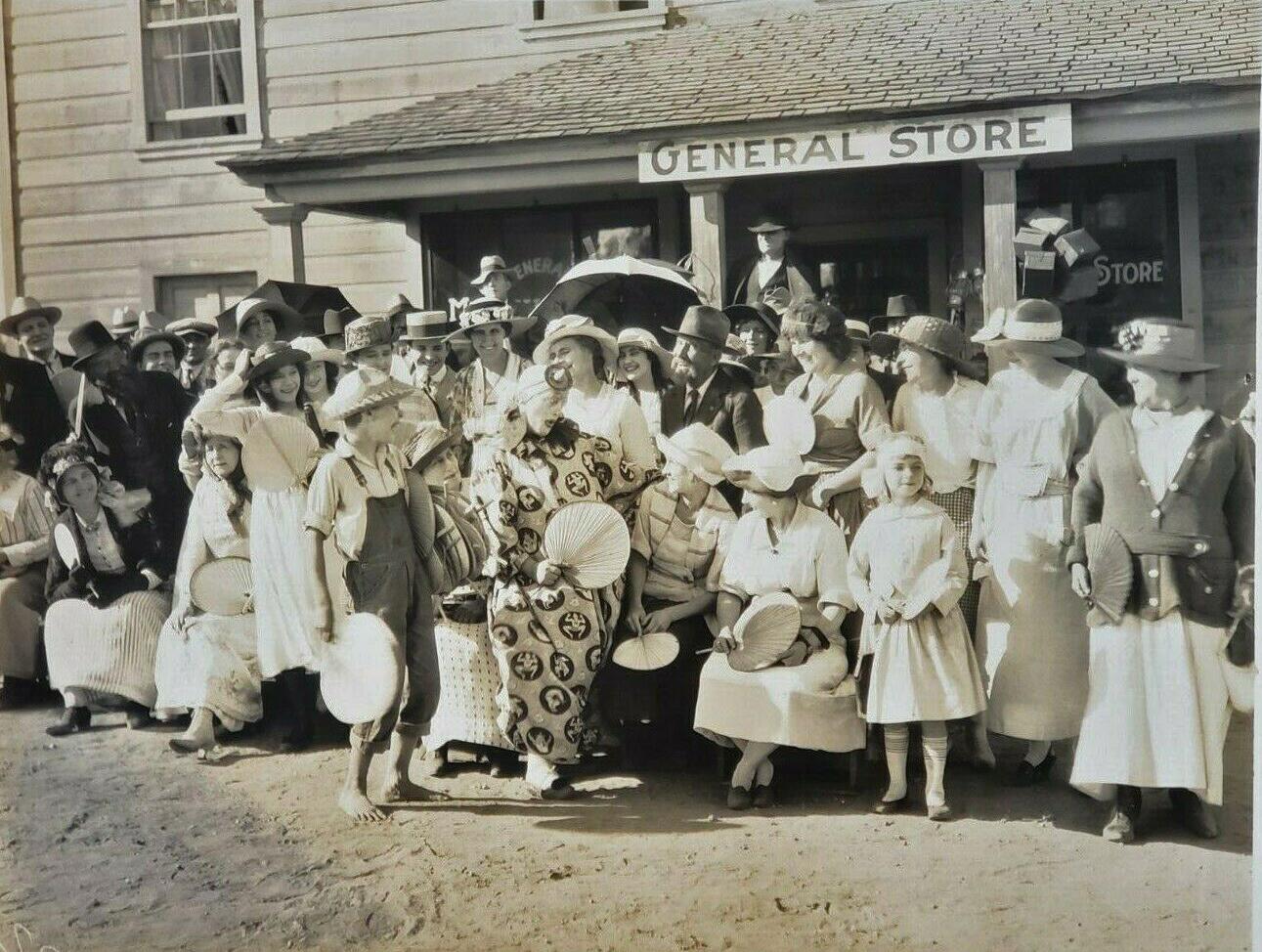
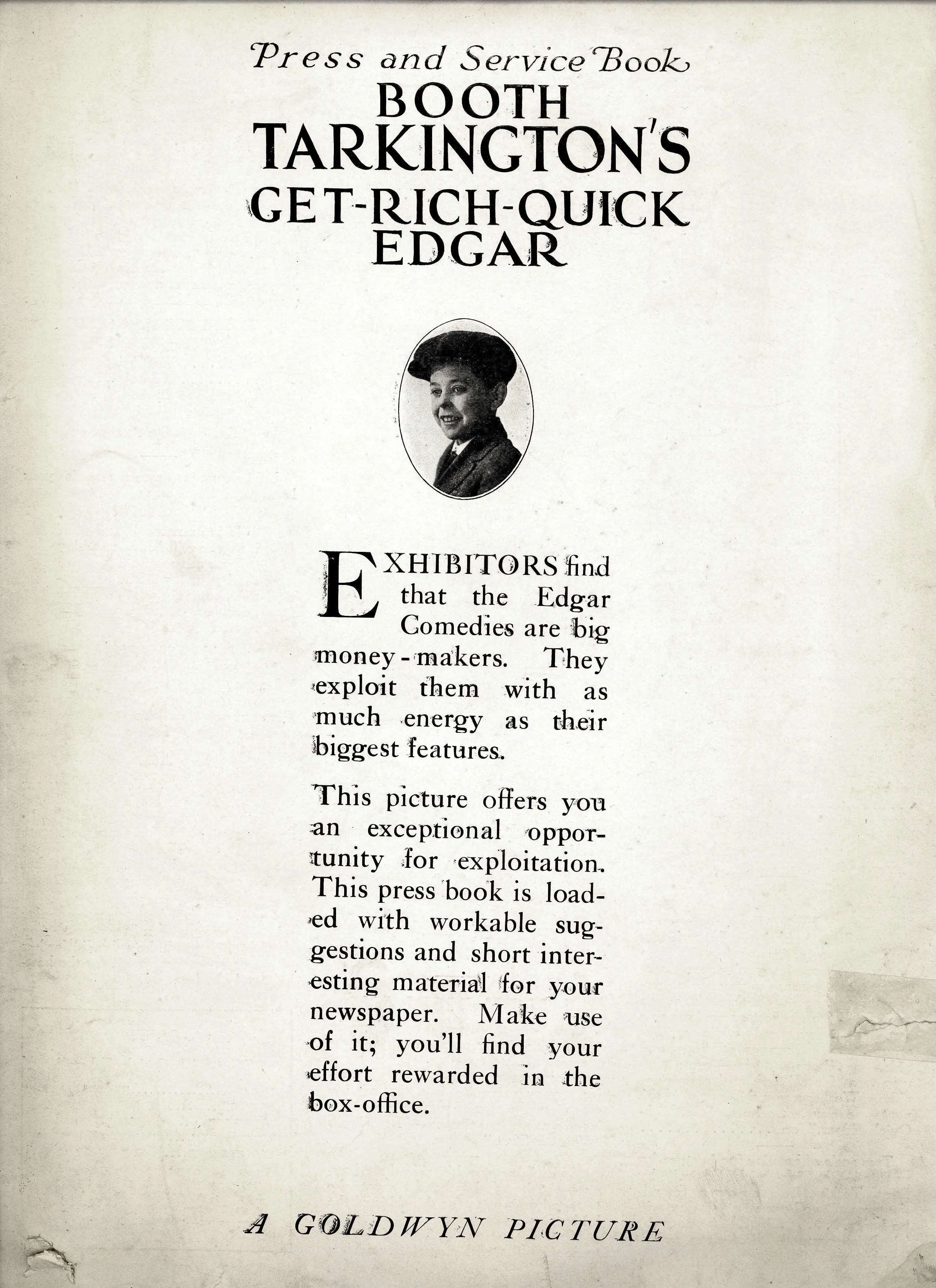
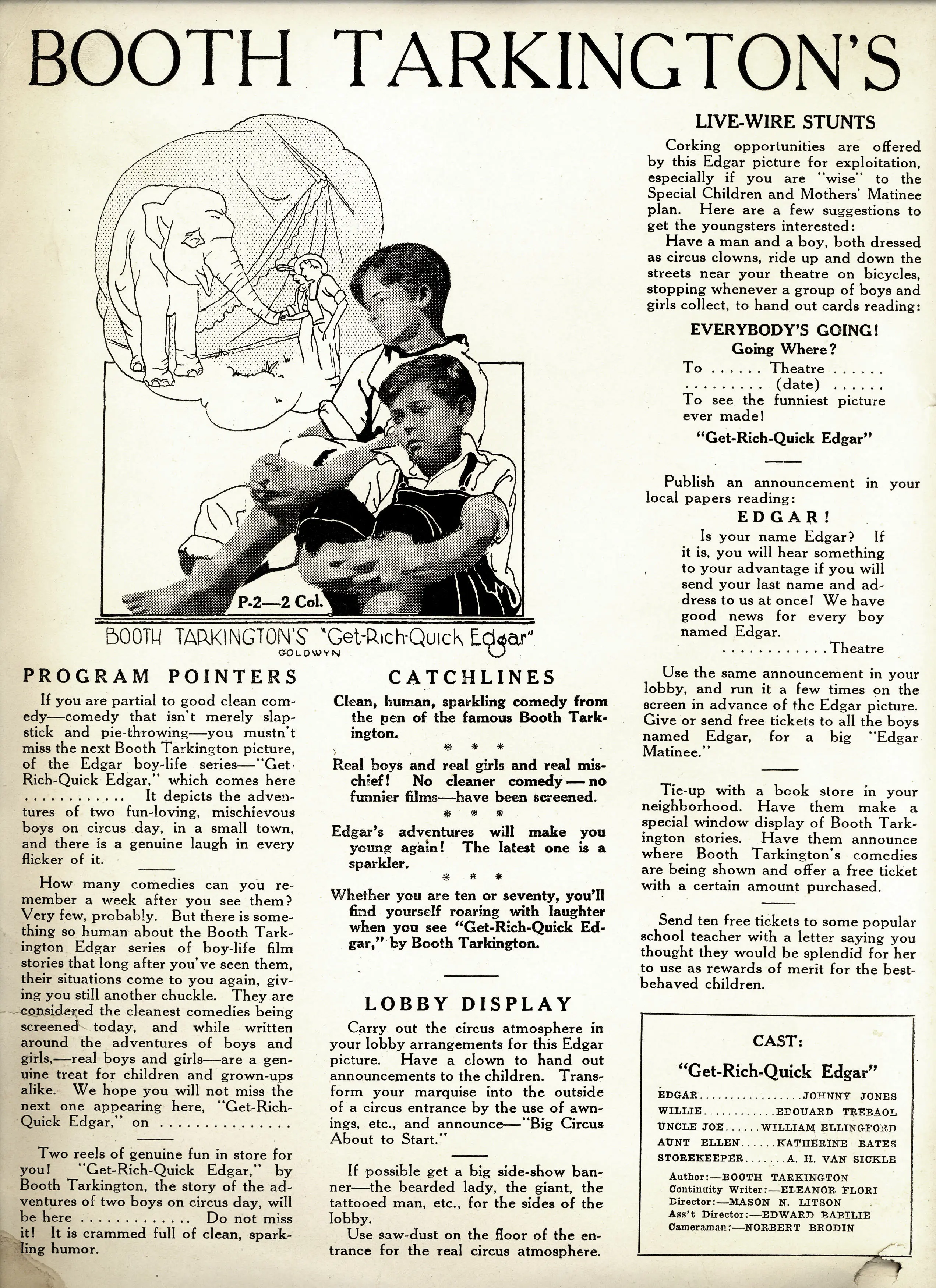
Booth Tarkington’s name on the intertitle card is a promise: Americana with a bite, lemonade laced with arsenic. Get-Rich-Quick Edgar delivers that tonic in a brisk twelve minutes, yet its aftertaste lingers like the copper tang of a penny pressed to the tongue.
The film’s central conceit—cornering the fan trade on the single sweatiest afternoon of the year—sounds almost quaint in an age of algorithmic flash-crashes and NFT vertigo. Still, Tarkington’s yarn anticipates every crypto-bro swagger: the breathless hustle, the supply-chain chokehold, the moment when speculation smacks against the brick wall of human appetite. Edgar and his pal aren’t robber barons; they’re pocket-sized monopolists armed with nothing but bicycles, soda-caps, and the absolute conviction that the universe owes them a windfall.
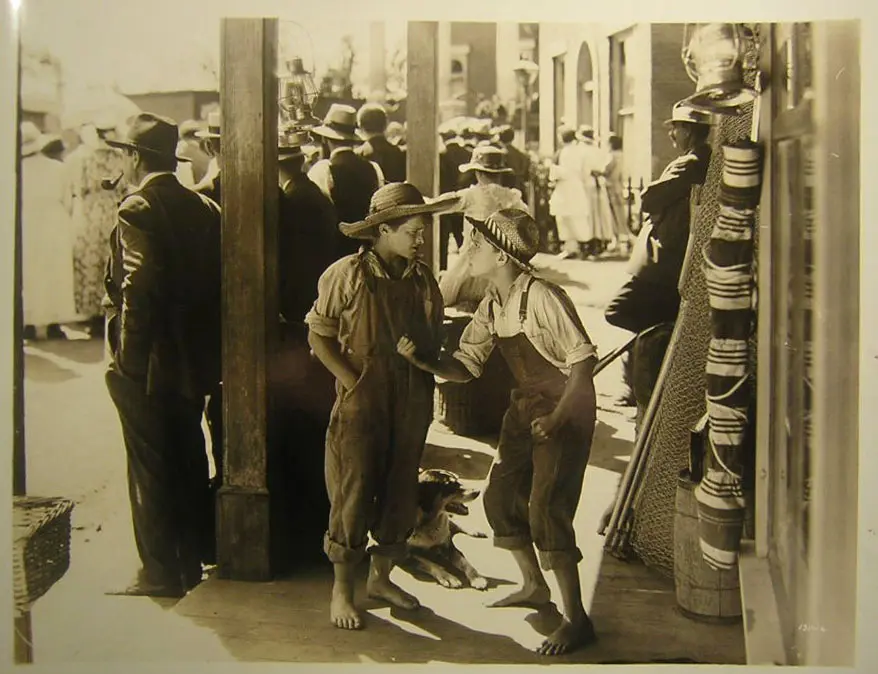
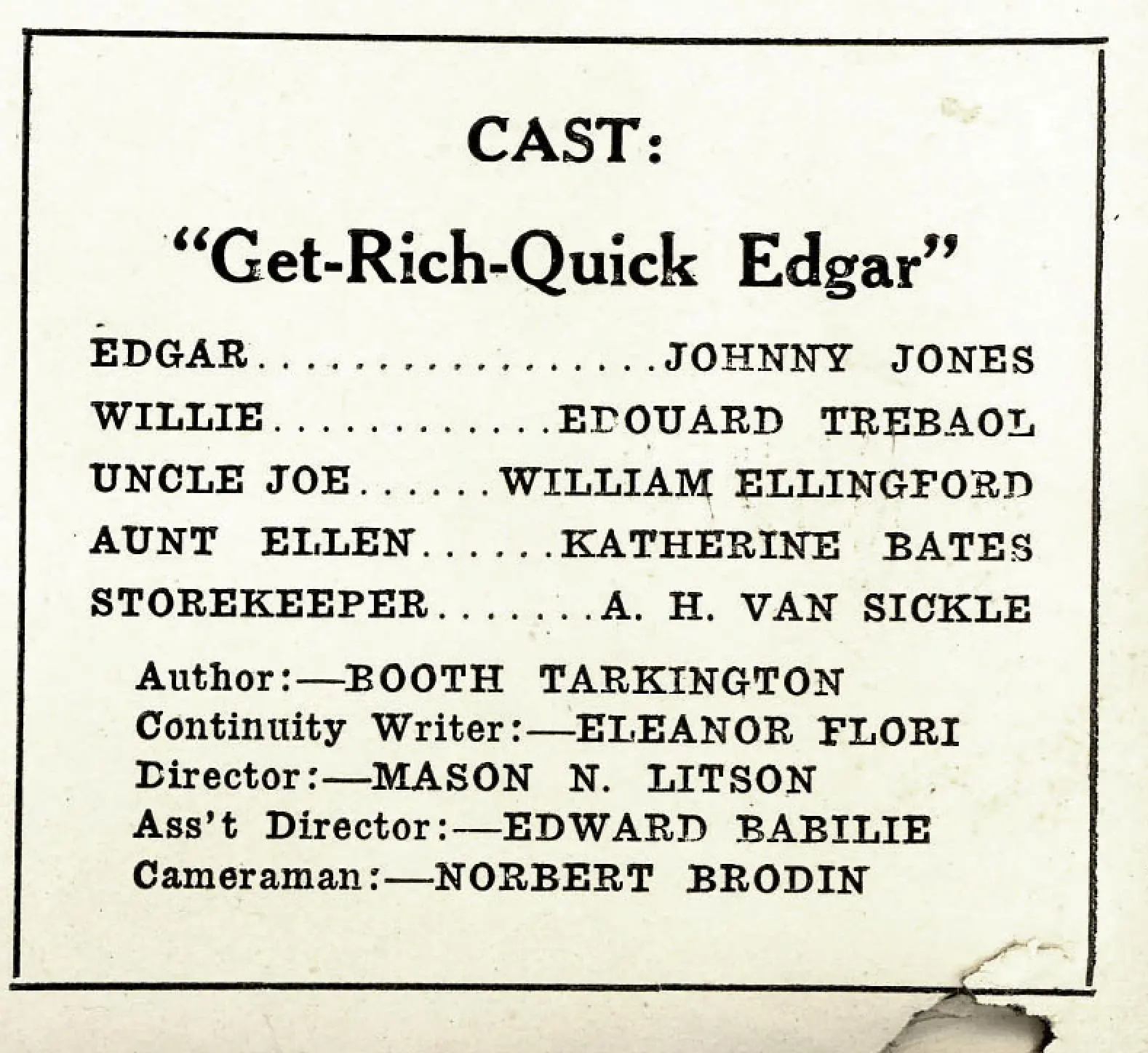
Henry Van Sickle, all elbows and eyelashes, plays Edgar like a junior Gatsby who hasn’t yet learned to romanticise his own hunger. Watch the way he fondles a fan as if it were a stack of bearer bonds; the gesture is both absurd and chilling, a silent-era preview of the dog-eat-dog optimism that will later snake through What’s Bred… Comes Out in the Flesh.
Katherine Bates drifts through the frame as the town’s unofficial archivist of gossip, her parasol a spinning satellite dish of small-town data. She never overplays; instead she lets a lifted eyebrow or a half-caught smirk broadcast the news that Edgar’s empire is built on sweat and hubris. The economy of her performance feels almost modern, a tweet before Twitter.
Director unknown—some historians credit Edward Peil Jr., others shrug—but whoever staged the climax understood Eisenstein before Eisenstein did. A staccato montage of hands, fans, coins, and sun-flared faces builds to a visual crescendo that makes the viewer complicit in the frenzy. We want the boys to win, even while we sense the moral sunburn forming.
What elevates this trifle into the realm of minor myth is its grasp of velocity. The narrative moves at the speed of sweat evaporating; you can practically smell the tar melting between the cobblestones. That kinetic heat links it to the same-year sensation The Peddler, yet where that film lingers on pathos, Edgar opts for the hiccup of farce. The result is a Marx Brothers sketch compressed into a haiku.
Look closer and Tarkington’s screenplay is a treatise on artificial scarcity, a comedy of supply and demand that would make an econ professor blush with recognition. When Edgar raises the price from a nickel to a dime, then to a quarter, the on-screen townsfolk react with the same incredulous greed that would later galvanise queues outside Apple stores a century later.
Van Sickle and Trebaol (the chum) share a chemistry so unforced it feels like eavesdropping on a 1920s summer. Their silent banter—eyebrow semaphore, shoulder-bumps, a conspiratorial grin that splits the screen—carries more charisma than half the talkie comedies that followed. Compare them to the collegiate go-getters in Just Out of College and you’ll see how restraint can trump excess.
Edward Peil Jr., essaying the beleaguered shopkeeper who first sells, then regrets, has a face like a ledger written in worry. His slow burn when he realizes the boys have outmaneuvered him is a masterclass in micro-acting: pupils dilate, moustache bristles, the camera catches the moment his capitalist soul files for bankruptcy.
Cinematographer unknown—probably a moonlighting newsreel hack—nevertheless captures white glare that slices through the grain like a scalpel. Shadows pool under awnings like spilled ink; the circus posters peel in real time, curling away from the wall as if embarrassed by the hyperbole they trumpet. This texture places Edgar closer to the dusty existentialism of A Sagebrush Hamlet than to the tidy pastoralism of Lady Windermere’s Fan.
The film’s lone iris-in close-up—Edgar’s eyes reflected in a tin coin—feels almost avant-garde for 1920, a flicker of Expressionism invading Middle America.
Surviving prints lack official accompaniment, so modern screenings often pair the short with jaunty piano rags. Resist. A better fit is the distant wheeze of a calliope, half-heard through heat-haze, punctuated by the clack of wooden fans. That sonic ghost unlocks the film’s secret: it’s a mood piece masquerading as slapstick.
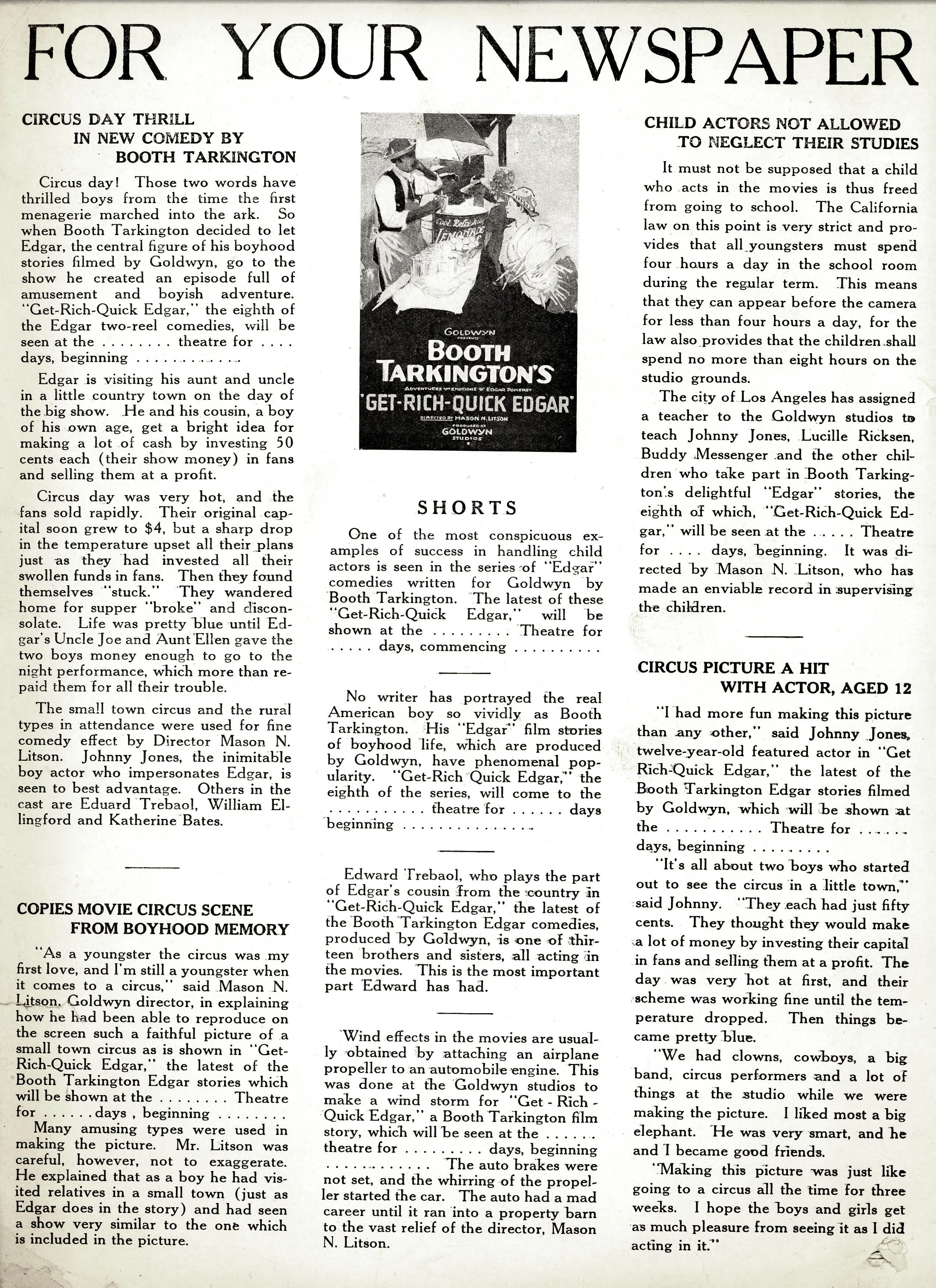
Set Edgar beside Humoresque and you see two Americas: one clawing upward via cardboard contraband, the other seeking solace in fiddle strings. Both pivot on childhood ambition, yet where Humoresque drowns in sentiment, Edgar stays buoyant, a cork on a river of sweat.
Stack it against the geopolitical sprawl of Kultur and the contrast is comic; yet both films understand that ideology often begins as playground barter. The circus here is merely global capitalism in greasepaint.
Fast-forward a hundred years: flippers snatch limited-edition sneakers, NFT drops mint fortunes from pixelated hot air, meme stocks moon on nothing but collective delirium. Edgar’s cardboard empire looks prescient, a pop-up cautionary tale that fits inside a tweet. The film’s brevity is its brilliance; it arrives, hustles, collapses, and vanishes before the grown-ups can moralize.
Cinephiles who revere the marathon grandeur of The Great Leap: Until Death Do Us Part might dismiss this as trifle. That would be a mistake. Edgar is a shot of nitro in the bloodstream of film history, proof that epiphanies need not exceed the length of a lunch break.
If you crave a silent that chuckles at human folly without wagging a lecturing finger, chase this one down. It’s a pocket-sized masterpiece that feels like finding a Roman coin in a sofa—ancient, gleaming, and weirdly spendable.
Score: 9/10 — a sun-blistered gem that still cuts glass.
IMDb —
1918
Community
Log in to comment.