DbcultAccessing Vault...
6.9/10
Senior Film Conservator
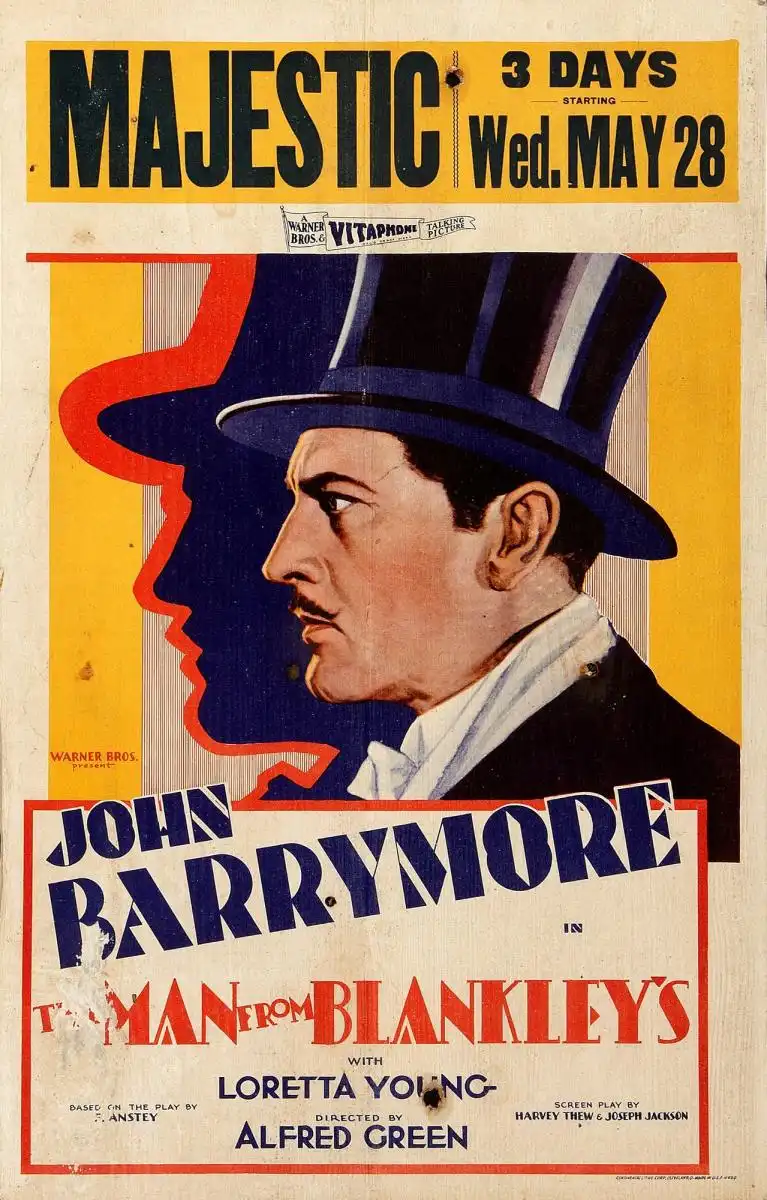
A definitive 6.9/10 rating for a film that redefined the boundaries of cult cinema. The Man from Blankley's remains a cornerstone of transgressive art.
So, should you bother with The Man from Blankley's today? Look, if you’re into these old, early comedies, especially silent ones or those just finding their voice, then absolutely. It's got that specific charm. If you need explosions or even just really snappy dialogue, you’ll probably find yourself a bit bored. This one is for folks who appreciate a good, old-fashioned misunderstanding, the kind that slowly, deliciously unravels.
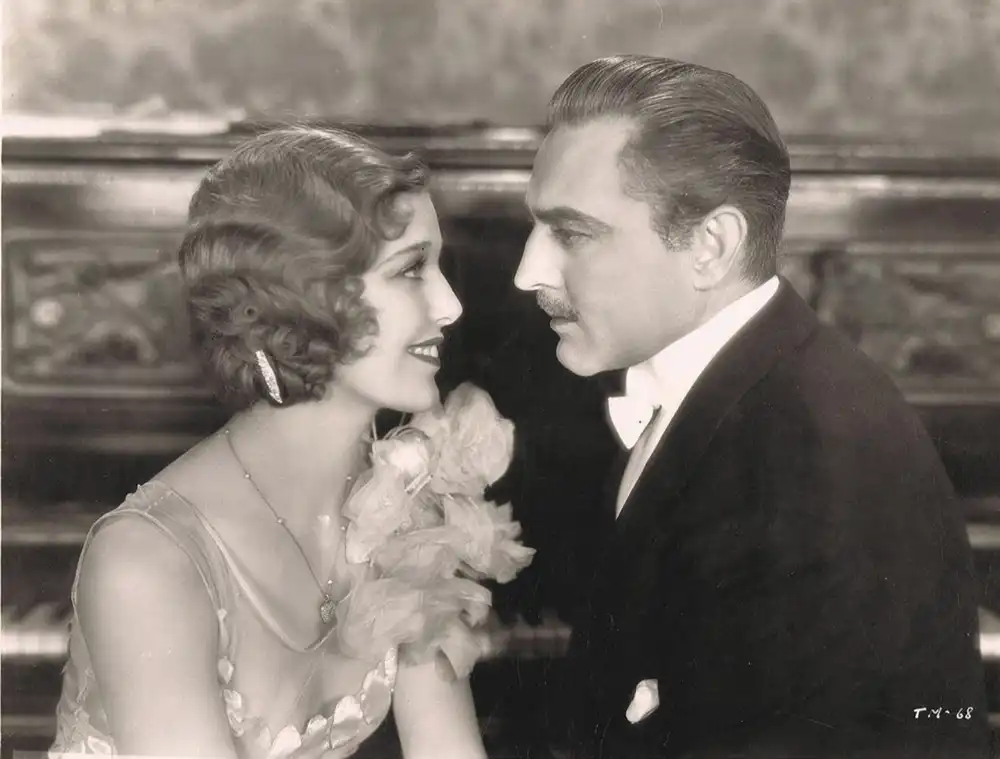
The premise is pretty simple, really. John Barrymore plays Lord Algy, a nobleman who gets lost in a thick fog. Like, really thick. He stumbles into a house where a fancy dinner party is happening, and before he can explain, everyone just assumes he’s the hired butler. Because, you know, that happens. 😂
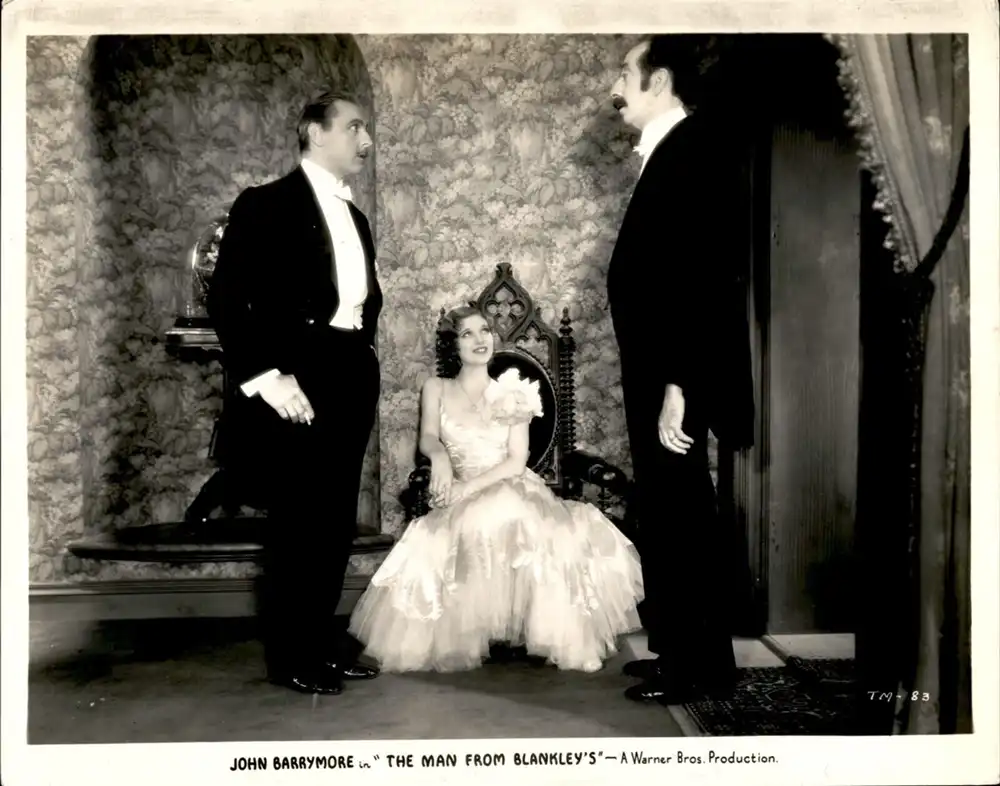
Barrymore, bless him, just leans into the whole thing. His face when he first realizes the mix-up is priceless. It's not a grand, theatrical moment, but a subtle kind of panic mixed with 'what even *is* this?' It felt very real. He tries to just roll with it, pouring wine and serving dishes, clearly out of his element.
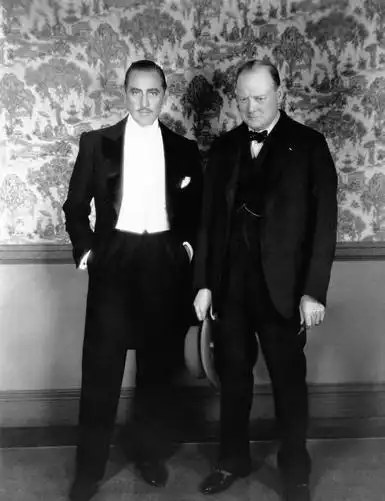
The whole *fog* element at the beginning? It really sets the mood. It’s not just a plot device; it actually makes you feel disoriented, like you’re right there with Algy, blindly wandering. And then suddenly, you're in this bright, bustling party. The contrast works.
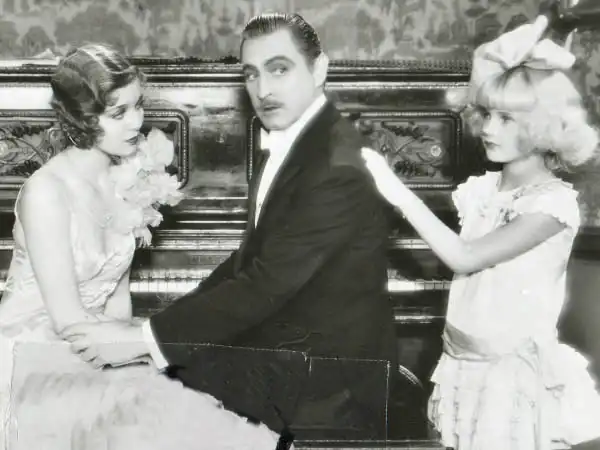
Some of the party guests are just wonderfully clueless. There's this one lady, I can't remember her name, but she keeps trying to order him around, giving him very specific instructions on how to carve the roast. She acts like he’s *definitely* never seen a knife before. Her overly serious expression, it just makes you chuckle.
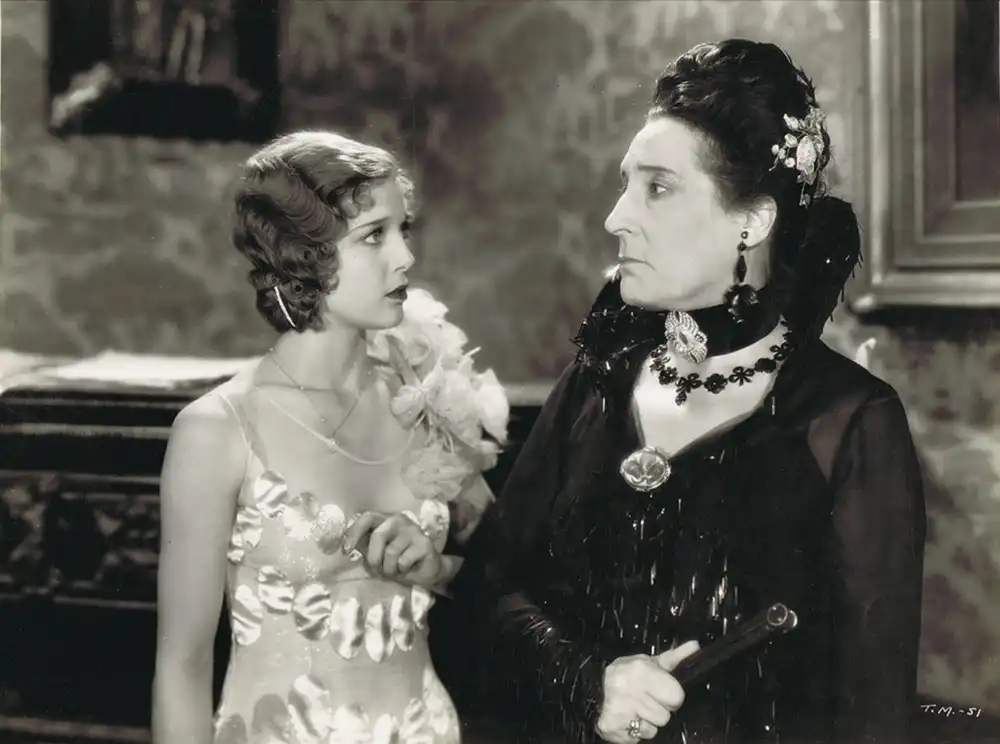
And Barrymore’s reactions? They're the core of the film. He doesn't say much, of course, but his eyebrows do a lot of work. You can almost see the gears turning in his head: "Do I correct them? Is it even worth it? What if I just… go along?" That internal struggle is really what makes it.
There’s a bit where he almost spills a whole tray of glasses. The way he recovers, all smooth-ish but clearly a near-disaster, felt very human. It's these small moments that build up the comedy, rather than big, flashy gags.
The pacing is… well, it’s from another time. It takes its sweet time setting up the jokes. Sometimes a scene will linger on a reaction shot a little longer than you might expect, letting you really soak in the awkwardness. It’s not fast-paced at all. But it gives you time to just *be* with the characters.
You know, there’s a moment later on where someone finally starts to suspect something is off. But even then, they don't quite get it. They think he's just a very *unusual* butler. The stubbornness of the guests to believe their own assumption is pretty funny, actually. They are quite set in their ways, bless 'em.
The ending ties everything up a bit too neatly, maybe. But for a film of its era, you expect that. It’s not trying to be groundbreaking, just a good, solid laugh. And for the most part, it pulls it off. Not every joke lands perfectly, but enough do.
It’s a charming piece of film history. A nice look at how simple misunderstandings could carry a whole story. Just don’t go in expecting rapid-fire modern comedy. It’s a different beast entirely. 🦁
IMDb 4.8
1926
Community
Log in to comment.