DbcultAccessing Vault...
4.8/10
Senior Film Conservator
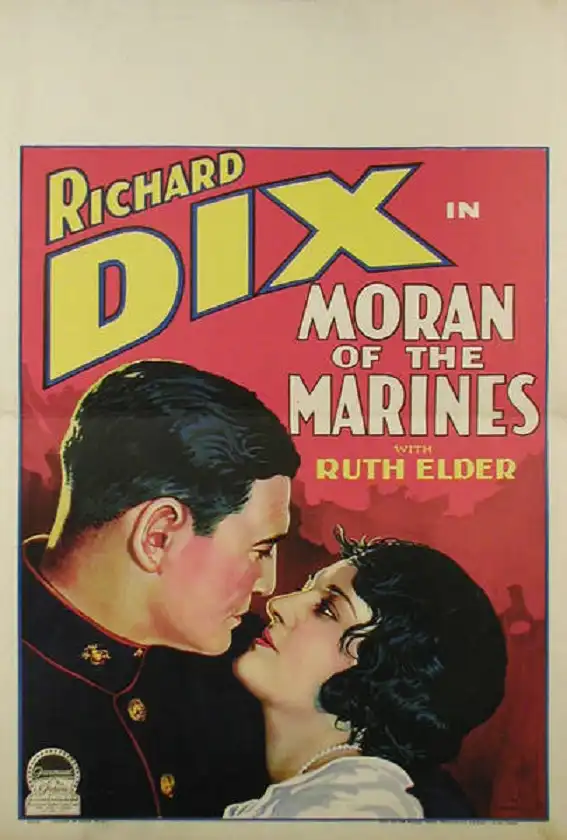
A definitive 4.8/10 rating for a film that redefined the boundaries of cult cinema. Moran of the Marines remains a cornerstone of transgressive art.
If you are looking for a reason to watch Moran of the Marines today, you’re likely either a silent film completionist or you’re on a scavenger hunt for Jean Harlow’s earliest screen moments. For everyone else, this is a tough sell. It’s a movie that feels like it was made by people who were very tired of the 1920s and just wanted to get to the 1930s already. It’s a military comedy that isn’t quite funny enough, and a drama that doesn't have the weight to make you care about the stakes in China.
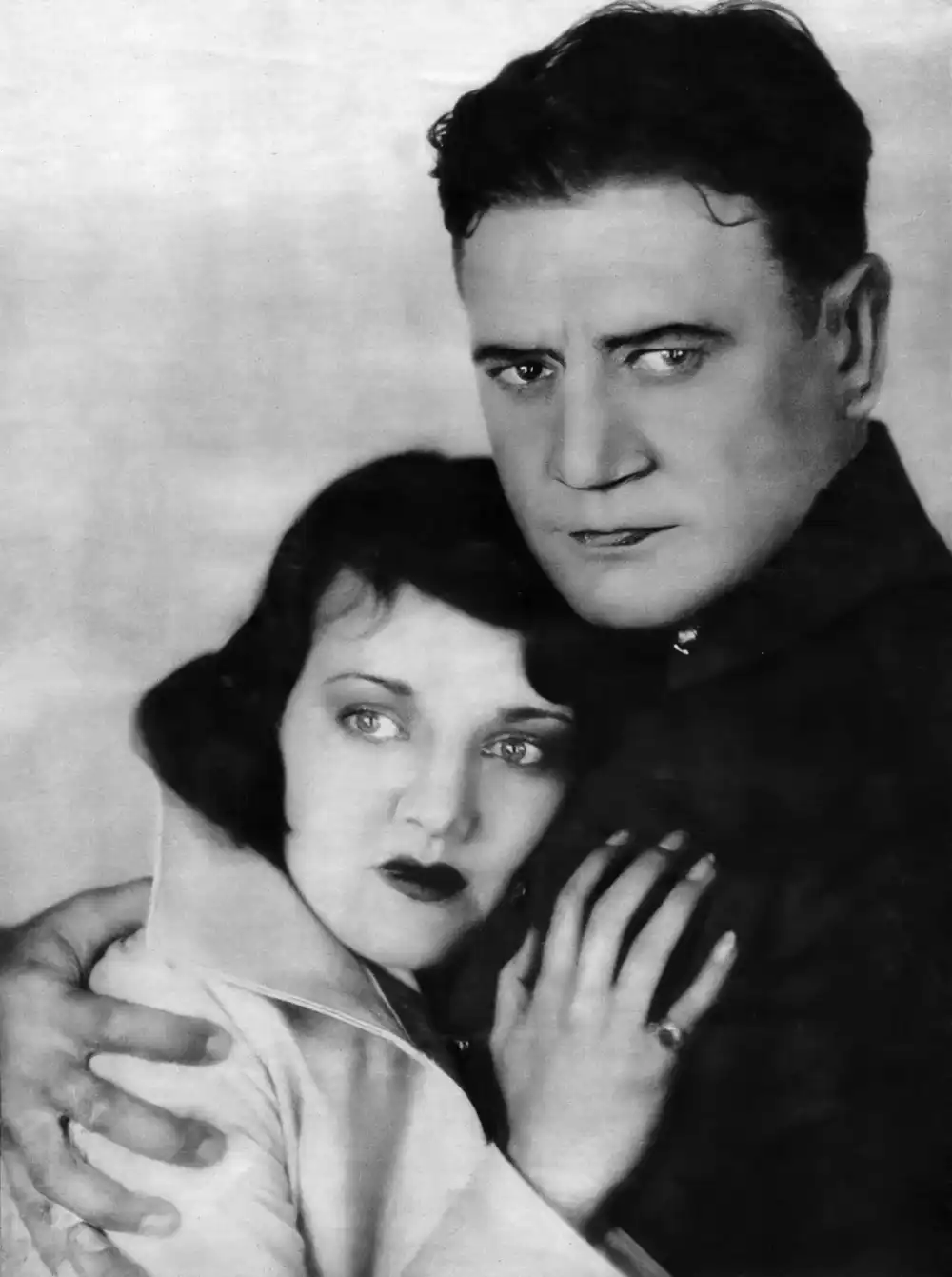
Richard Dix has this way of taking up space on screen that is almost aggressive. He plays 'Ham' Moran with a jawline that seems to be doing half the acting. In the early scenes, where he’s playing the spoiled rich kid getting into trouble, his energy is so high it’s actually exhausting. There’s a moment where he’s being confronted by his father, and Dix is doing this weird thing with his hands, fidgeting with his cuffs in a way that feels less like a character trait and more like the actor was just nervous about the lighting. It’s a strange, small detail that stuck with me because it felt so human in a movie that otherwise feels very manufactured.
The plot is your standard 'join the service to become a man' trope. After a brush with the law, Ham joins the Marines. The transition from high society to the barracks is handled with the usual montage of awkward drills and a drill sergeant who looks like he’s having a very bad day. These scenes are fine, I guess, but they go on for a while. There’s one bit where a recruit keeps dropping his rifle, and the camera just stays on him for about ten seconds too long. It stops being a gag and starts feeling like a technical error, or maybe the director just liked the way the dust kicked up off the floor.
Then there is Jean Harlow. If you blink, or if you get up to grab a drink, you will miss her. She’s an uncredited extra here, basically, but it’s fascinating to see her before the platinum hair and the 'Blonde Bombshell' persona were fully cooked. She looks like a different person—younger, obviously, but also more tentative. She’s just a girl in a crowd, and yet, knowing what she becomes, your eyes keep searching for her in the background of the party scenes. It’s a bit like looking for a specific face in a crowded subway station.
The movie shifts gears once they get to China. The sets are what you’d expect from 1928—lots of painted backdrops and extras in 'oriental' costumes that would never fly today. It has that weird, hollow feeling that a lot of silent films get when they try to depict foreign lands. It’s clearly a backlot in California, and the palm trees look like they’re struggling to stay upright. The 'bandits' are led by a guy who spends most of his screen time glaring at the camera. It’s not particularly threatening; it just looks like he has a headache.
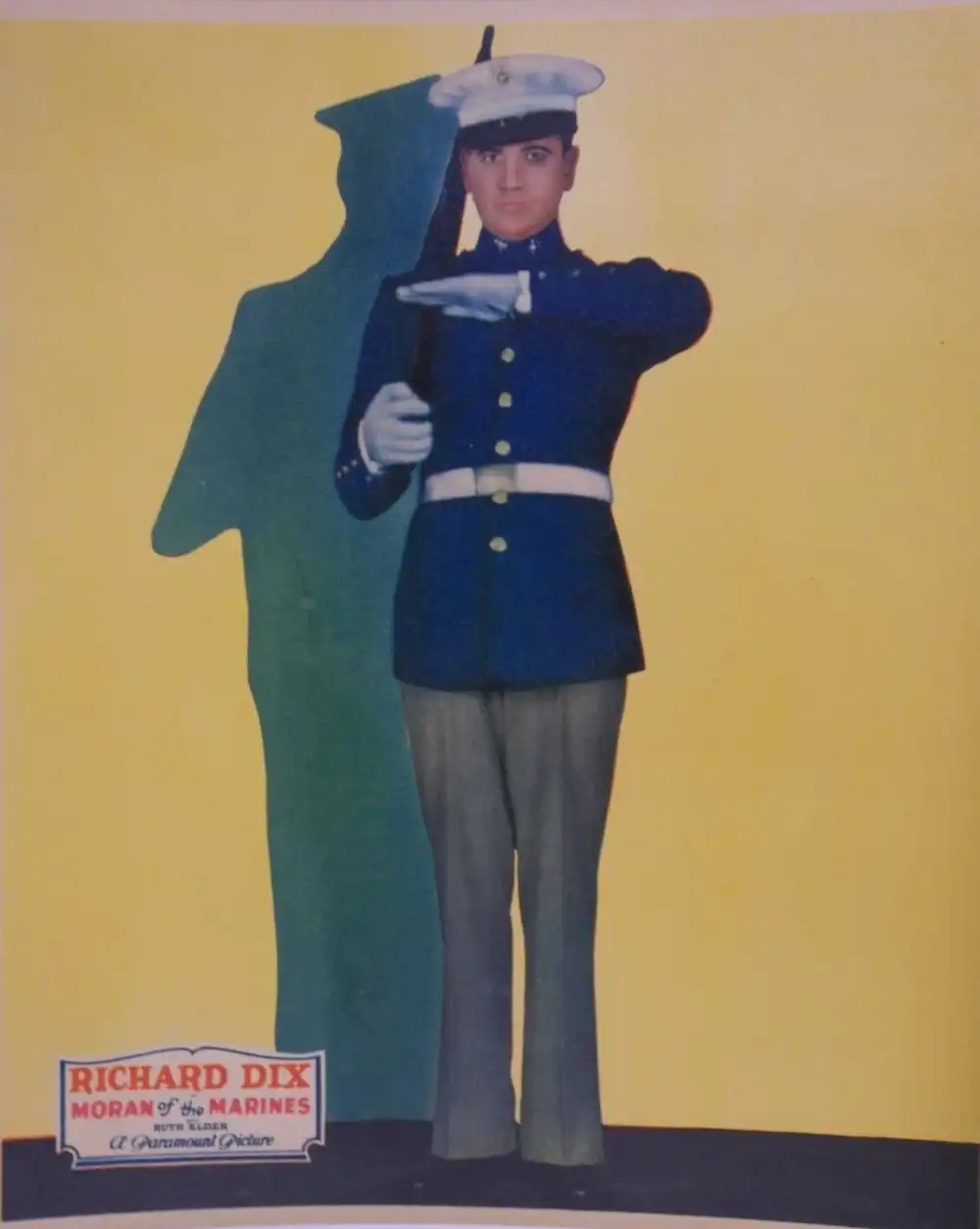
I found myself distracted by the costumes. The Marine uniforms look incredibly stiff, like they were made of cardboard. Whenever the actors sit down, the fabric bunches up in these unnatural, sharp angles. It makes the serious scenes—like when they’re planning a rescue mission—look slightly ridiculous. You’re supposed to be worried about the characters, but you’re mostly wondering if they can breathe in those tunics.

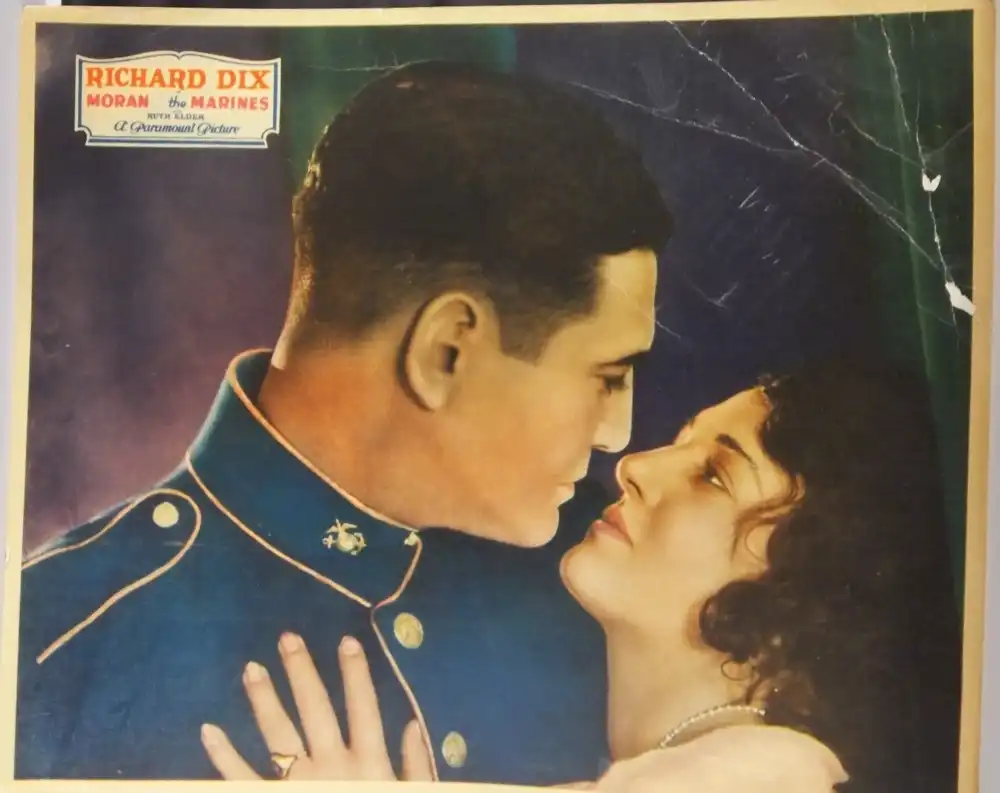
The pacing is a real problem. The middle section of the film drags through a series of romantic misunderstandings that feel like they belong in a much shorter movie. Ruth Elder is the love interest, and while she’s fine, there isn’t much chemistry between her and Dix. Their scenes together have this polite, distant quality, like two people meeting for the first time at a bus stop. There’s a long sequence where they’re talking on a boat, and the editing is so choppy that it feels like they’re in two different time zones. One shot is bright and clear, and the next is grainy and dark. It’s jarring.
It reminded me a bit of the frantic energy in Dynamite Dan, but without the actual athleticism. Dix tries to be a physical lead, but he’s not a stuntman, and it shows. The fight scenes at the end are messy. There’s a lot of flailing and people falling over furniture. It’s supposed to be high-stakes action, but it feels more like a barroom brawl where everyone is a little bit drunk. At one point, a chair gets smashed, and you can see the actor who broke it looking down at the pieces for a split second, almost like he’s checking to see if he hurt his hand.
The writing—which Mankiewicz supposedly had a hand in—is mostly lost in the title cards. Some of the jokes land, but most of them feel like they were written for a different movie. There’s a recurring gag about a sergeant’s hat that just isn't funny the third time it happens. It’s that old-school Hollywood thing where they find a 'bit' and beat it into the ground until it’s unrecognizable. It’s similar to some of the forced humor you see in Now I'll Tell One, where the movie tries so hard to be charming that it becomes slightly annoying.
Is it worth watching? If you have a deep interest in the history of Paramount or the early career of the cast, sure. It’s a decent enough time capsule of how the US military was marketed to the public in the late 20s—lots of bravado and clean-cut heroism. But as a piece of entertainment, it’s pretty thin. The ending comes out of nowhere, a quick resolution that feels like the production ran out of money or the actors had a train to catch. One minute they’re in danger, the next they’re all smiling and the 'The End' card is fading in.
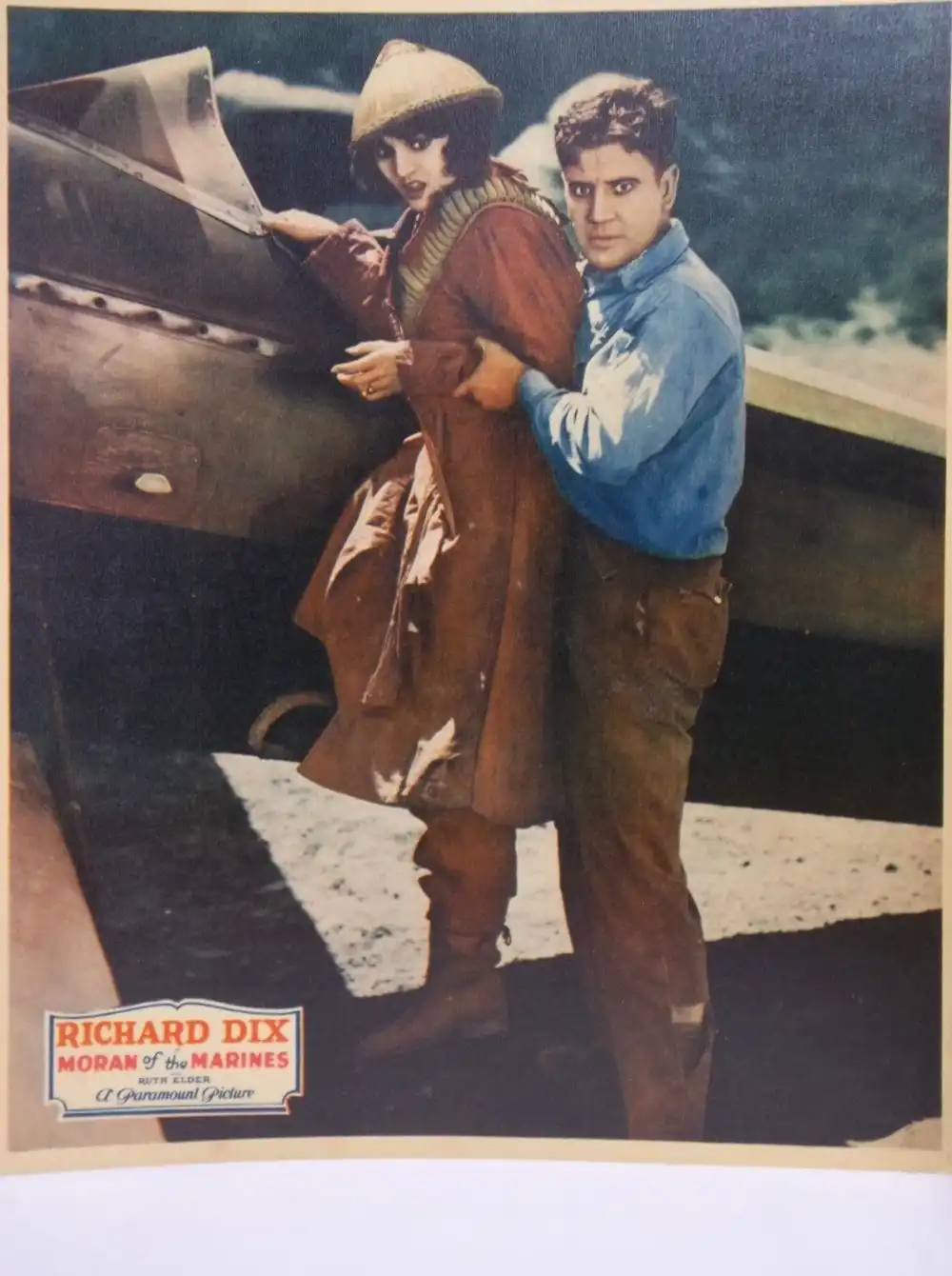
I did like the way the light hit the water in the harbor scenes, though. There’s a specific quality to silent film stock that makes water look like liquid mercury. It’s the one part of the movie that felt genuinely beautiful, even if it was just a background shot of a boat pulling away. It’s those little moments—the smoke, the light, the way a hat sits on someone’s head—that make these old films watchable, even when the plot is a mess.
Ultimately, Moran of the Marines is a movie of 'almosts.' It’s almost a good comedy, almost a good adventure, and almost a good showcase for its stars. It just never quite gets there. If you want something with more bite from this era, you’re better off looking at something like Prohibition, which at least feels like it has something to say. This one is just a loud, dusty walk through the late silent era.
IMDb —
1916
Community
Log in to comment.