DbcultAccessing Vault...
5.2/10
Senior Film Conservator
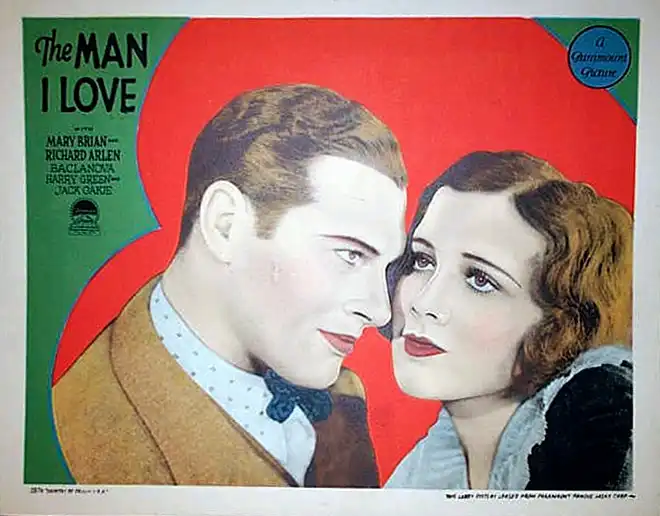
A definitive 5.2/10 rating for a film that redefined the boundaries of cult cinema. The Man I Love remains a cornerstone of transgressive art.
Alright, so look, if you’re hoping for some sharp, modern filmmaking, *The Man I Love* from 1929 isn’t gonna be your jam. It’s an early talkie, and boy, does it show. But if you’re a total film history nerd, or just curious about how movies sounded right when they started talking, then yeah, it’s worth a peek. Anyone expecting quick pacing or subtle acting will probably be checking their watch. 😬
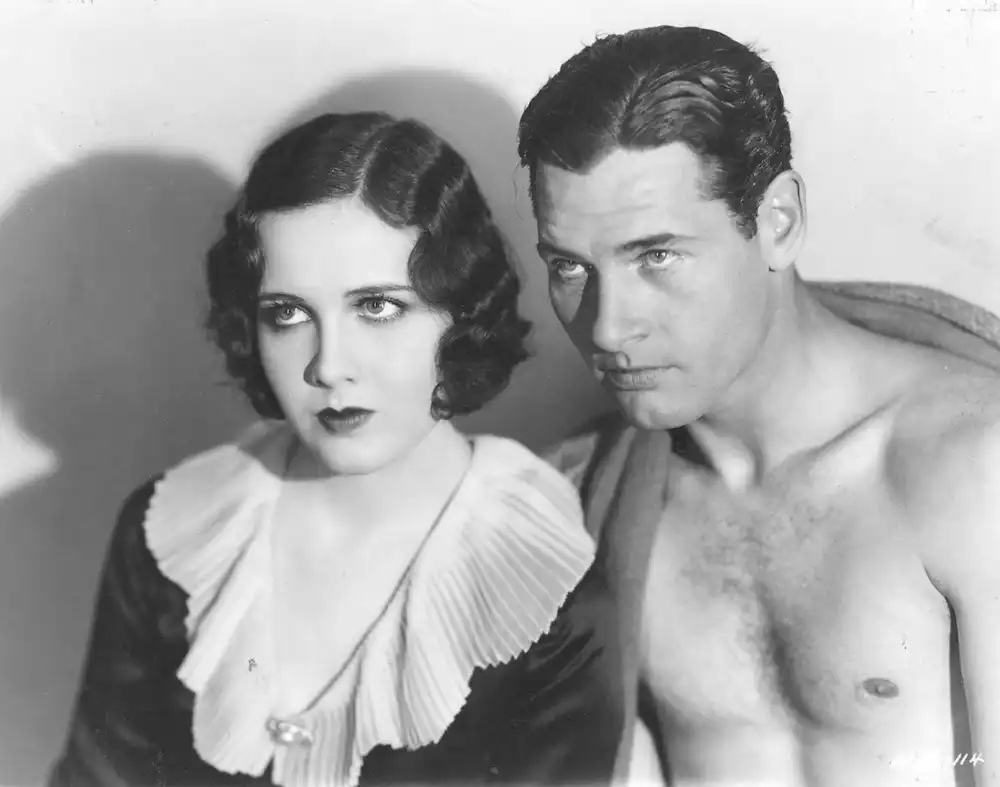
The whole thing kicks off with Dum-Dum Brooks, our boxer hero. His name alone, Dum-Dum, kinda tells you a lot. He’s supposed to be arrogant, but it often just comes off as a bit thick-headed. Richard Arlen plays him, and he’s got the swagger down, but the dialogue often feels like he’s trying *really* hard to remember his lines.
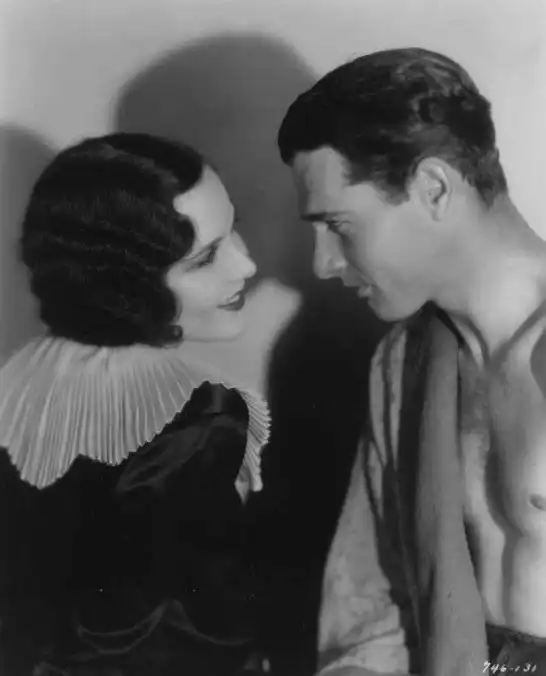
His main squeeze, Celia Fields, played by Mary Brian, she's sweet. She's the good girl, you know the type. You almost feel bad for her from the jump, because you just know where these plots go. There’s a scene early on where she’s just looking at him, and it’s a pure, unadulterated gaze of adoration. Kinda breaks your heart, knowing what's coming.
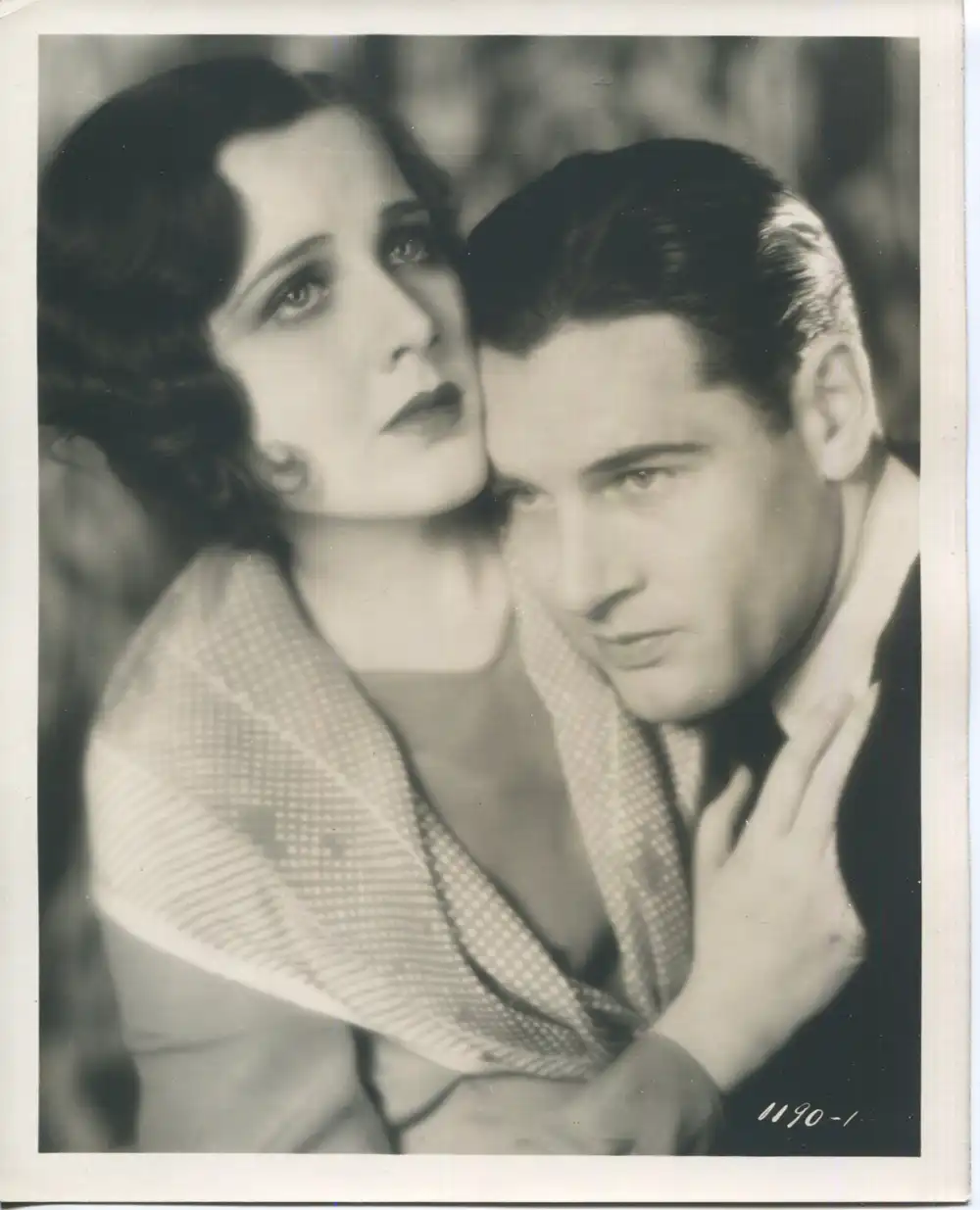
Then comes Sonia Barondoff. Olga Baclanova, man, she just oozes *it*. You remember her from Freaks, right? Even here, early on, she’s got this magnetic pull. She doesn't have to do much; she just *is* the temptress. Her voice, too, is just different, a little sultry and foreign in a way that stands out in these very American-sounding early talkies.
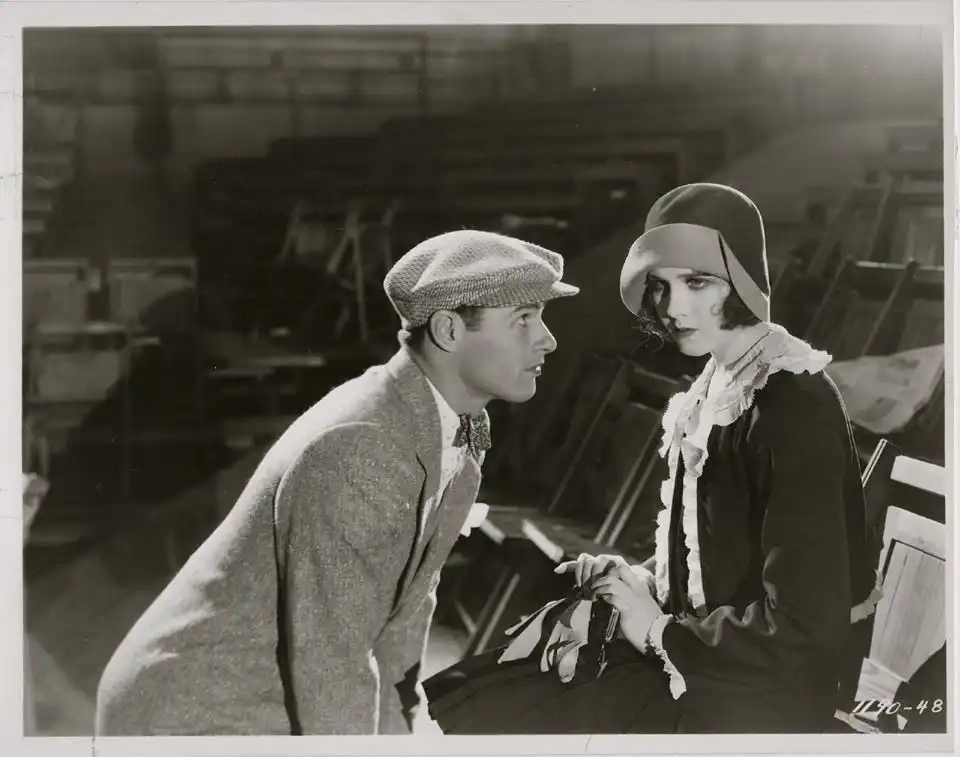
The plot, it's pretty simple: Dum-Dum falls for Sonia on the eve of his big fight. Classic. The way they set up the 'falling in love' part is quick, almost like a checklist. "Oh, she smiled, now he's smitten." You can almost feel the movie trying to convince you this moment matters more than it actually earns.
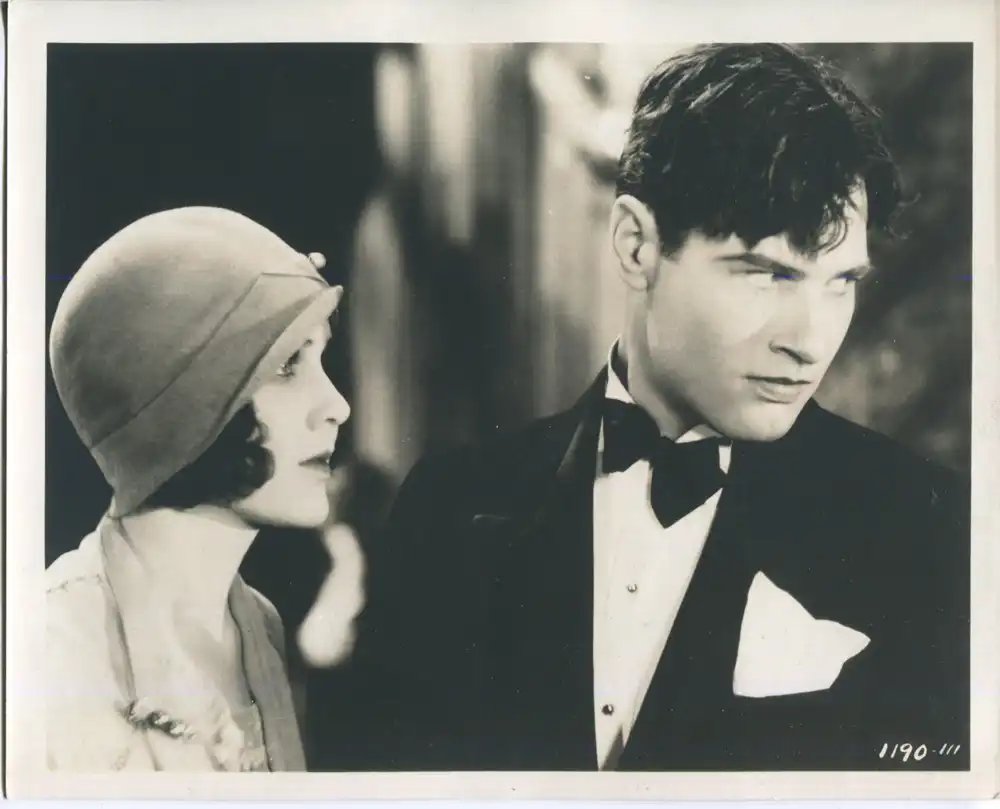
The boxing scenes themselves are… well, they’re 1929 boxing scenes. There’s a lot of flailing, not a ton of actual impact. One punch looked like it barely grazed the guy, but he went down like a sack of potatoes. It’s almost endearing in its lack of realism. You get a sense of the crowd, but they're mostly just blurry faces.
What really strikes you is the sound quality. It’s often pretty rough. You get this constant hiss under the dialogue, and sometimes the voices sound like they’re coming through a tin can. It’s part of the charm, though, a real window into the technology of the time. You gotta turn the volume up just to catch some of the softer lines.
There's this moment where Dum-Dum is trying to explain himself to Celia, and he just keeps fumbling. It feels less like genuine emotional turmoil and more like he's forgotten his lines again. But then, Mary Brian's reaction shot, it lingers just a beat too long, and you feel that specific kind of early film awkwardness. It’s almost funny.
The whole ending, without giving it away, wraps up in a way that feels a bit too neat for the mess they've made. It's like the writers realized they had to finish it up, so they just did. Not every loose end feels tied, but you get the general idea. This wasn't a film designed to make you ponder deep questions. It was just a story. 🤷♀️
Honestly, the real star here might be Olga Baclanova. Her presence just elevates every scene she’s in. Even if the movie's clunky, she brings a certain something that makes you lean in. The rest of it? A curious artifact. Not a masterpiece, but an interesting look at a bygone era of cinema.
IMDb —
1926
Community
Log in to comment.