DbcultAccessing Vault...
Cult Review
Senior Film Conservator
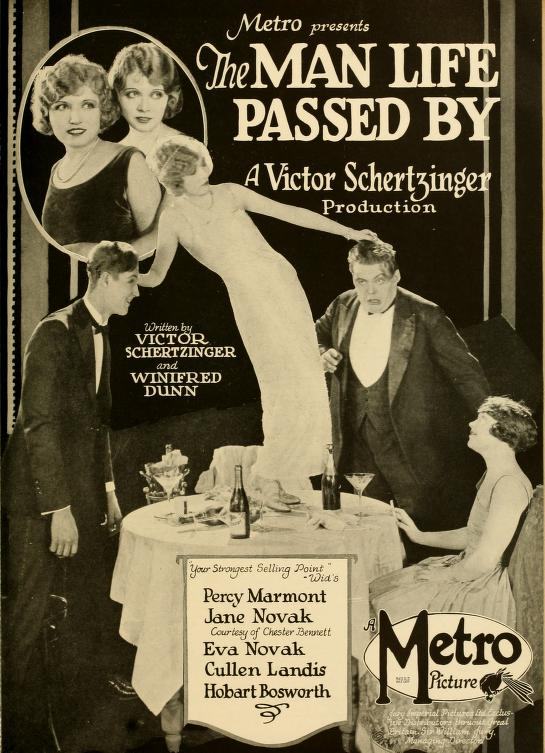
Step into the sepia-toned world of early 20th-century cinema, and you'll occasionally unearth a narrative so profoundly resonant it transcends the limitations of its silent medium. Such is the case with The Man Life Passed By, a 1923 drama that, despite its age, speaks volumes about human nature, the corrosive power of injustice, and the redemptive balm of compassion. Directed with a sensitive hand by Victor Schertzinger and penned by the insightful Winifred Dunn, this film delves into the life of John Turbin, an inventor whose dreams are callously crushed, leading him down a path fraught with despair and a burning desire for retribution.
At its core, The Man Life Passed By is a tragic odyssey of a man wronged. John Turbin, portrayed with nuanced vulnerability by Larry Fisher, begins as a figure of aspiration, a visionary whose inventive genius promises to reshape the industrial landscape. His plans, however, are not just stolen; they are appropriated by 'Iron Man' Moore, a wealthy industrialist whose very moniker suggests an unyielding, almost metallic disregard for ethical boundaries. This act of theft isn't merely a plot device; it’s the seismic event that shatters Turbin's world, sending him spiraling into an abyss of poverty and profound disappointment. The film masterfully portrays this descent, showing how the weight of such betrayal can not only strip a man of his livelihood but also erode his very spirit, transforming a once-vibrant mind into a derelict, a shadow of his former self.
The narrative arc here is particularly compelling. Turbin’s initial vow of vengeance isn't merely a fleeting thought but a simmering inferno, fueled by the relentless indignities of his new existence. He is a man haunted, his every waking moment colored by the injustice he suffered. The film doesn't shy away from depicting the harsh realities of his destitution, allowing the audience to truly grasp the depth of his suffering. This sustained portrayal of his plight is crucial, as it lends immense gravitas to the eventual, unexpected turn his life takes. Without understanding the profound depths from which Turbin must rise, the eventual forgiveness would feel unearned, a mere plot convenience. Instead, it feels like a monumental triumph of the human spirit.
The strength of a silent film often rests squarely on the shoulders of its cast, and The Man Life Passed By is no exception. Larry Fisher's portrayal of John Turbin is the emotional anchor, his eyes conveying a universe of pain, anger, and eventual peace. His transformation from an optimistic inventor to a broken man, then to a soul finding solace, is a masterclass in non-verbal acting. Hobart Bosworth as 'Iron Man' Moore is equally effective, embodying the ruthless capitalist with an air of cold authority, making his eventual softening all the more impactful. The contrast between these two central figures drives much of the film's dramatic tension.
Crucially, the film’s emotional heart beats through the performances of Moore’s daughters, Hope (Eva Novak) and Joy (Jane Novak). Their names are, of course, symbolic, but their portrayals imbue these allegorical figures with genuine warmth and innocent charm. Eva Novak, in particular, brings a luminous quality to Hope, her compassion acting as a beacon in Turbin's desolate world. Jane Novak complements her sister beautifully, creating a dynamic duo whose simple acts of kindness begin to chip away at Turbin’s hardened exterior. Their interactions with Turbin are devoid of judgment, offering him the one thing he desperately needs: unconditional human connection. This empathetic portrayal of characters, especially those who become instruments of change, is a hallmark of strong silent era filmmaking.
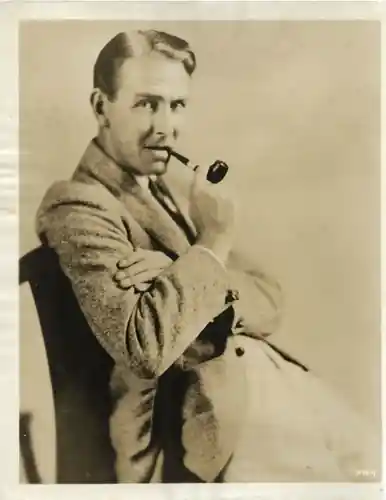
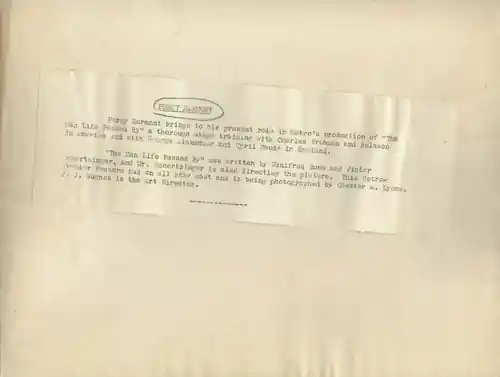
Supporting roles also contribute significantly to the film's rich tapestry. Lydia Knott and George Beranger add texture to the societal backdrop against which Turbin's drama unfolds, while Francis X. Bushman Jr. and Cullen Landis provide additional layers to the human interactions. Even smaller parts, like those played by Percy Marmont, Gertrude Short, George Siegmann, and William Humphrey, contribute to the sense of a lived-in world, each face telling its own silent story. The collective effort of this ensemble ensures that the emotional beats land with precision, guiding the audience through Turbin's tumultuous journey without the aid of spoken dialogue, relying solely on gesture, expression, and the evocative power of the camera.
Victor Schertzinger, a prolific director of the era, demonstrates a remarkable sensitivity in his handling of such weighty themes. His direction is never heavy-handed, allowing the story to unfold organically, letting the characters' internal struggles manifest through subtle visual cues and carefully composed shots. Schertzinger understands the power of close-ups to reveal inner turmoil and the effectiveness of wide shots to emphasize isolation. The pacing, too, is deliberate, building the tension of Turbin's grievance before gradually introducing the elements of grace and reconciliation. It's a testament to his skill that a film about such dramatic swings of emotion feels so grounded and believable.
Winifred Dunn’s screenplay is the backbone of this emotional architecture. She crafts a narrative that is both classic in its themes of good versus evil, and surprisingly nuanced in its exploration of forgiveness. The plot avoids simplistic resolutions, instead opting for a more complex emotional journey where animosity slowly yields to understanding. Dunn’s writing, translated into intertitles, provides the necessary narrative guidance without over-explaining, trusting the audience to interpret the visual storytelling. Her ability to weave together a tale of such profound personal transformation, culminating in an act of forgiveness that feels both earned and deeply moving, is a significant achievement.
The choice to have Moore's daughters, rather than Moore himself, instigate the change in Turbin is a particularly clever narrative device. It highlights the idea that sometimes redemption comes not from a direct confrontation with the source of one's pain, but through the indirect, often innocent, actions of others. This approach adds a layer of unexpected grace to the story, suggesting that healing can emerge from unforeseen corners, a quiet ripple effect of kindness that eventually washes over even the most entrenched bitterness. It’s a beautifully understated way to explore the film's central themes.
The Man Life Passed By is more than just a personal drama; it’s a commentary on the societal structures that allow figures like 'Iron Man' Moore to thrive at the expense of others. The film subtly critiques the rampant industrialism of the era, where innovation could be stolen with impunity and the vulnerable left to languish. Turbin's descent into dereliction isn't merely a personal failing but a consequence of a system that prioritizes profit over principle. This thematic depth elevates the film beyond a simple tale of revenge, embedding it within a broader social context.
However, the film’s ultimate message leans not into sustained critique, but into the profound power of forgiveness. Turbin's journey is a powerful exploration of how holding onto vengeance can be a self-destructive act, a heavy chain binding one to the very injustice suffered. His eventual decision to forgive is not portrayed as an act of weakness, but as a monumental act of strength, a liberation from the emotional prison he had built for himself. This theme resonates timelessly, offering a hopeful perspective on overcoming adversity and finding peace amidst past grievances.
In this regard, one might draw a comparison to films like Regeneration, which also explored characters navigating the harsh realities of urban poverty and seeking a path to redemption. While The Man Life Passed By focuses more on individual betrayal than systemic crime, both films share a common thread of characters striving to transcend their dire circumstances through moral awakening. Similarly, the quiet dignity and resilience of Turbin, even in his lowest moments, echoes the spirit found in Tol'able David, where a young man faces overwhelming challenges with an unwavering moral compass.
The cinematography, while perhaps not as overtly experimental as some of its contemporaries, is effective and serves the narrative impeccably. The use of light and shadow often mirrors Turbin’s emotional state, with darker, more oppressive settings reflecting his despair, and brighter, softer lighting accompanying his moments of connection and eventual peace. The visual language is clear and concise, a necessity in silent cinema, yet it never sacrifices emotional depth for clarity. This balance is a testament to the skilled technicians behind the camera, who understood how to evoke mood and convey complex emotions without a single spoken word.
The film's sets and costumes, too, are meticulously crafted, transporting the audience to a specific historical period. From the bustling, often grimy industrial environments to the more refined settings of Moore’s household, every detail contributes to the film’s authenticity. This attention to period detail not only grounds the story but also enhances the contrast between Turbin’s two vastly different existences, making his fall and eventual rise all the more palpable. The silent film era, often underestimated, truly excelled in its ability to build immersive worlds through visual artistry, and this film is a fine example.
In an age saturated with digital spectacle and rapid-fire dialogue, revisiting a film like The Man Life Passed By offers a refreshing reminder of cinema's foundational power. It’s a film that demands active engagement from its audience, inviting them to interpret the subtle nuances of performance and visual storytelling. The absence of sound forces a deeper connection with the characters' internal worlds, making their triumphs and tribulations all the more impactful. It's a testament to the enduring human stories that can transcend technological limitations and speak directly to the heart.
This film doesn't just pass by; it lingers. It prompts reflection on the choices we make when faced with injustice, the destructive nature of bitterness, and the profound, often quiet, strength found in forgiveness. It’s a narrative that, despite its specific historical context, offers universal truths about the human condition. For anyone interested in the foundational narratives of cinema or seeking a powerful story of redemption, The Man Life Passed By is a compelling and deeply moving experience. It serves as a potent reminder that even when life seems to have passed us by, there is always the possibility of finding grace and happiness, often in the most unexpected of friendships.
Review by [Your Blogger Name/Persona]
IMDb 5.9
1927
Community
Log in to comment.