DbcultAccessing Vault...
Cult Review
Senior Film Conservator
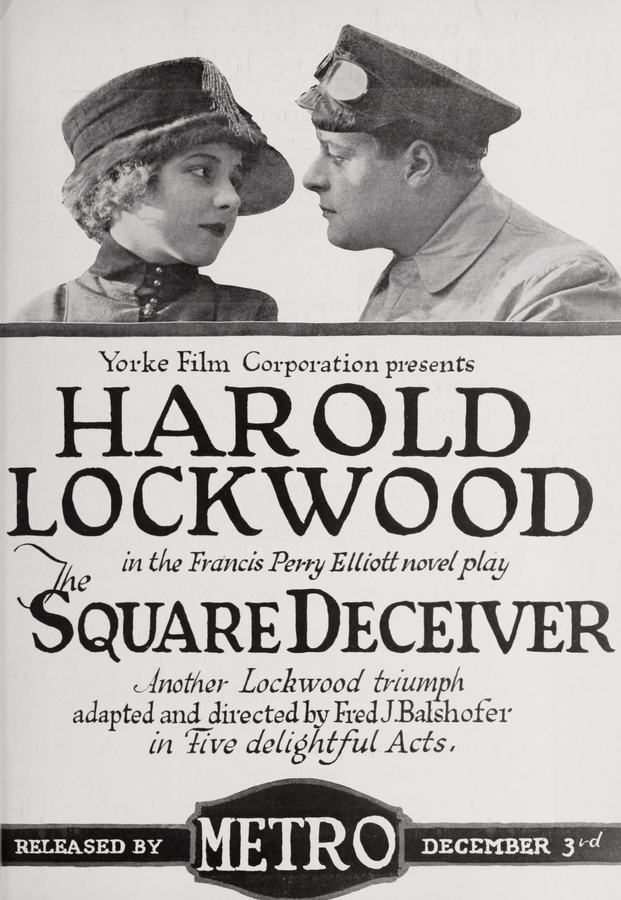
In the annals of early cinema, particularly within the vibrant tapestry of the silent era, certain narrative archetypes emerge with striking regularity, reflecting societal anxieties and aspirations. Among these, the perennial fascination with wealth, class distinctions, and the elusive quest for genuine affection stands paramount. Fred J. Balshofer’s 1917 production, The Square Deceiver, is a compelling exemplar of this enduring cinematic preoccupation, offering a meticulously crafted exploration of these themes through a story that, while seemingly straightforward, possesses layers of social commentary and emotional resonance. It’s a film that, even a century later, speaks to the timeless human desire for connection untainted by superficiality.
At its heart, The Square Deceiver introduces us to Billy Van Dyke, portrayed with a nuanced blend of weariness and idealism by William Clifford. Billy is not merely a rich man; he is a man burdened by his riches, constantly assailed by a parade of fortune-hunting women whose affections are transparently tethered to his bank account rather than his character. This predicament, a common trope in both literature and early film, is rendered here with a particular poignancy. Billy's yearning is profound: he seeks an individual who will love him, unequivocally, for the essence of who he is, stripped of the gilded trappings of his immense wealth. His situation echoes the quiet desperation often found in narratives like The Wolf or even some early society dramas where the protagonist grapples with the superficiality of their social circle. The film immediately establishes this central conflict, inviting the audience to empathize with a man whose greatest blessing has become his greatest curse.
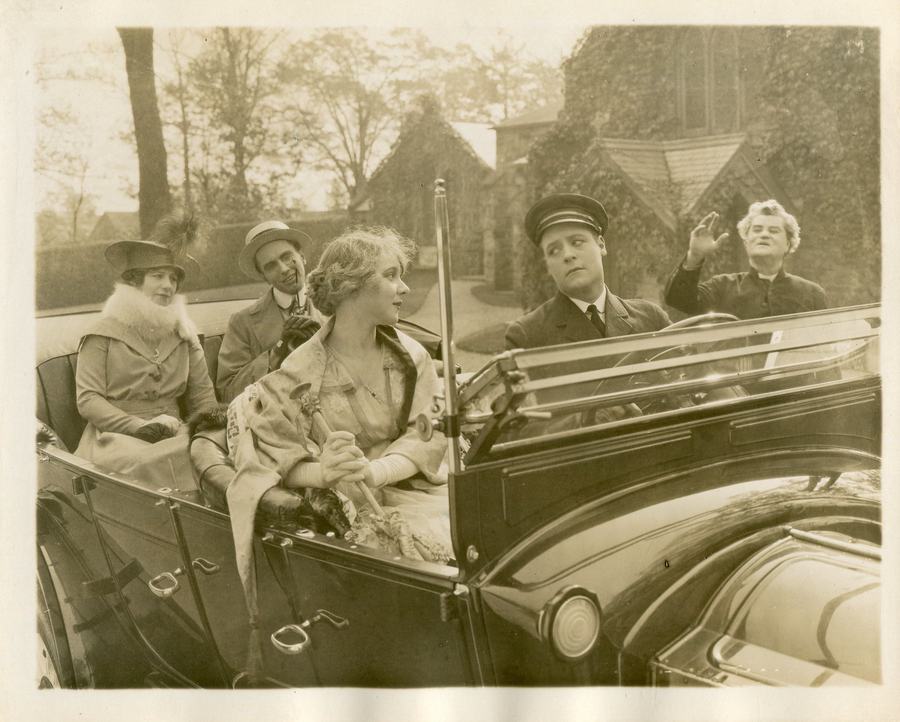
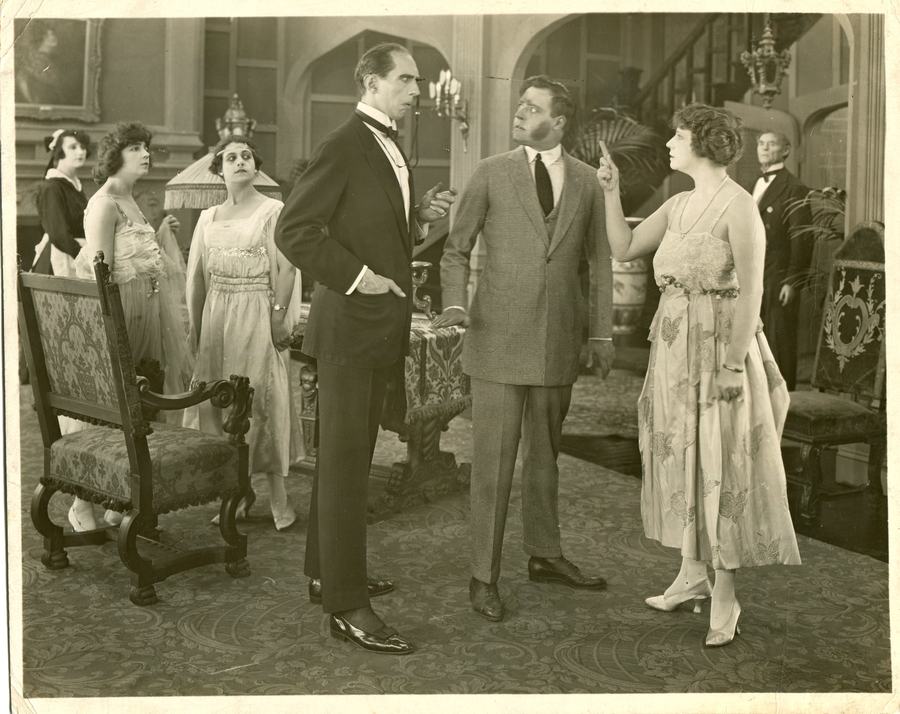
Into this landscape of wealth and longing arrives the formidable Mrs. Pugfeather, brought to life with an appropriate blend of avarice and social ambition by Dora Mills Adams. Her character is a masterclass in the art of the opportunistic matriarch, a figure who views her daughter, Celia (Betty Marvin), not as an individual but as a strategic asset in her relentless pursuit of social advancement. The move to town is not a whim but a calculated maneuver, a campaign designed with a singular objective: to secure Billy Van Dyke as a son-in-law. Celia, regrettably, is depicted as a shallow echo of her mother's mercenary spirit, lacking any discernible depth beyond her desire for a life of ease and luxury. This duo embodies the very superficiality that Billy so desperately wishes to escape, setting the stage for a classic clash between genuine sentiment and calculated self-interest. The Pugfeathers are reminiscent of the more overtly villainous, yet often comically inept, antagonists found in contemporary comedies of manners, their machinations serving to highlight the purity of heart of the film's true heroine.
The narrative’s pivotal turning point, and indeed its emotional core, resides in the character of Beatrice, portrayed with a luminous sincerity by Pauline Curley. Beatrice is Mrs. Pugfeather’s penniless ward, an individual relegated to the periphery of the Pugfeather household, often subjected to their casual disdain. Her lack of social standing, however, is precisely what makes her so compelling. When she is dispatched to hire a chauffeur, a seemingly innocuous errand, fate intervenes. Billy, witnessing her unpretentious demeanor and inherent goodness, is instantly captivated. This moment is crucial; it is not her beauty alone, but her genuine spirit, untainted by the pretensions of wealth, that draws him in. This instant connection underscores the film's central thesis: true love transcends material circumstances. Beatrice, in her vulnerability and guilelessness, becomes the antithesis of everything Billy has encountered thus far.
Billy’s decision to adopt the persona of a chauffeur is a classic narrative device, a deliberate act of deception (a 'square deceiver' himself, perhaps, in a benevolent sense) designed to test the waters of genuine affection. He applies for the position within the Pugfeather household, securing his place under their very roof. This clandestine arrangement allows him to observe Beatrice firsthand, to witness her character unfold without the distorting lens of his true identity. Beatrice, meanwhile, falls deeply in love with this humble chauffeur, her affection blossoming organically, uninfluenced by any knowledge of his vast fortune. This period of their courtship, conducted under false pretenses yet steeped in authentic emotion, is where the film truly shines. It’s a testament to the power of human connection, demonstrating that love, when pure, can flourish irrespective of social strata. This theme resonates with other films of the era that explored similar class dynamics, such as Less Than the Dust, where social barriers are ultimately overcome by genuine feeling.
The Pugfeathers’ consistent mistreatment of Beatrice eventually becomes unbearable for Billy. His indignation at their cruelty, particularly towards the woman he has come to adore, compels him to abandon his masquerade as chauffeur. It is at this critical juncture that Beatrice’s true character is unequivocally revealed. Believing her beloved to be a man of modest means, suddenly unemployed, she offers him her meager savings—a gesture of profound selflessness that speaks volumes. This act, born of pure, unadulterated love and concern, is the ultimate validation for Billy. It confirms his deepest hope: he has finally found a woman who loves him not for his wealth, but for himself alone. This pivotal scene is a masterstroke in conveying the film’s central message, a powerful demonstration of love’s triumph over materialism. It’s a moment that could easily feel saccharine in less skilled hands, but here, it rings with genuine emotional weight, cementing Beatrice as the ideal partner for Billy.
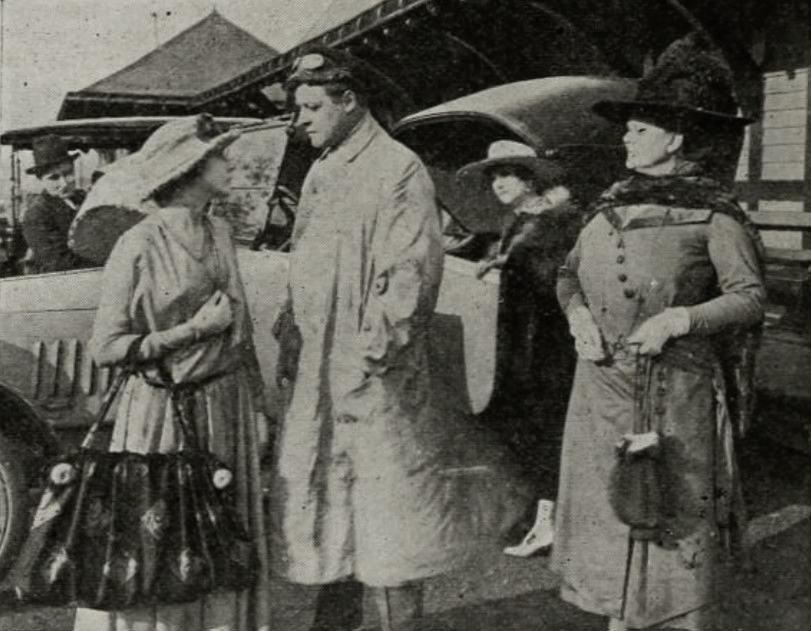
Following this emotional revelation, Billy proposes, his heart finally at peace. Yet, the narrative is not content to simply conclude with a happy engagement. Just as one secret is laid bare, another is about to surface. Beatrice, overhearing Celia's cruel and condescending remarks about her status as a 'pauper,' resolves to run away. This moment of despair, fueled by the relentless social snobbery of the Pugfeather women, adds another layer of complexity to her character, showcasing her vulnerability despite her inherent strength. However, the film delivers a dramatic reversal: as she prepares to leave, Mr. Pugfeather, perhaps not as entirely oblivious as his wife, reveals that Beatrice has inherited a substantial fortune from her father. This unexpected twist not only elevates Beatrice’s social standing but also serves as a delicious foreshadowing of the poetic justice awaiting the avaricious Pugfeather women. It’s a narrative flourish that adds an extra layer of satisfaction to the impending comeuppance.
The film culminates in a truly satisfying denouement. Post-marriage, Billy finally reveals his own vast fortune to Beatrice, cementing their union not just in love but in a shared, albeit newly discovered for Beatrice, affluence. The ultimate triumph, however, is reserved for the Pugfeather women. In a moment of exquisite dramatic irony, Mrs. Pugfeather and Celia, ever on the hunt for a wealthy suitor, decide to pay a visit to the renowned Mr. Van Dyke. Their shock and humiliation upon discovering their former chauffeur, now revealed as the multimillionaire, happily married to the very 'pauper' they so cruelly scorned, is palpable. This scene is the film’s triumphant punchline, a perfectly executed moment of poetic justice that delivers a resounding message about the true value of character over material possessions. The 'square deceiver' has, in fact, revealed the true squares in the narrative—those obsessed with superficial gains.
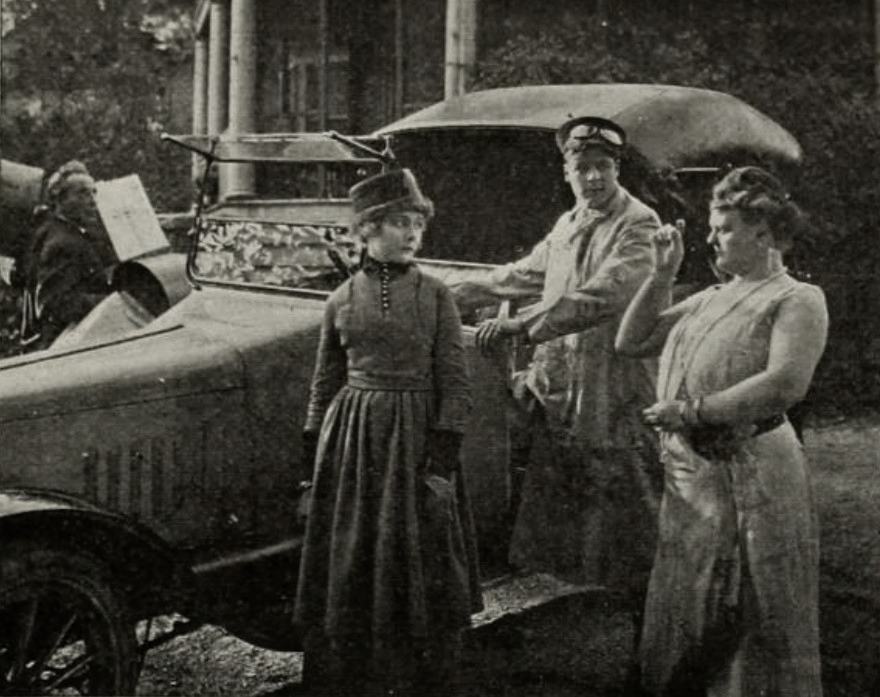
The success of The Square Deceiver hinges significantly on its cast. Pauline Curley, as Beatrice, delivers a performance brimming with sincerity and quiet dignity. Her expressive eyes and subtle gestures convey a depth of emotion that transcends the limitations of silent film, making her character eminently sympathetic. William Clifford, as Billy Van Dyke, balances the initial weariness of his character with a growing sense of hope and genuine affection, making his transformation from disillusioned millionaire to loving husband entirely believable. Dora Mills Adams, as Mrs. Pugfeather, embraces the theatricality often required in silent cinema, effectively portraying a woman consumed by social ambition. Betty Marvin’s Celia, while a more one-dimensional character, serves her purpose well as the shallow foil.
Fred J. Balshofer’s direction is competent and effective, guiding the narrative with a clear hand. The pacing, typical of feature films from 1917, allows for character development and thematic exploration without feeling rushed. The use of intertitles is judicious, enhancing the narrative without overburdening the visual storytelling. While perhaps not as groundbreaking as some of his contemporaries, Balshofer demonstrates a solid understanding of cinematic storytelling, particularly in how he orchestrates the reveals and comedic moments of comeuppance. The film's visual language, though simple by modern standards, effectively conveys the social stratification and emotional states of its characters.
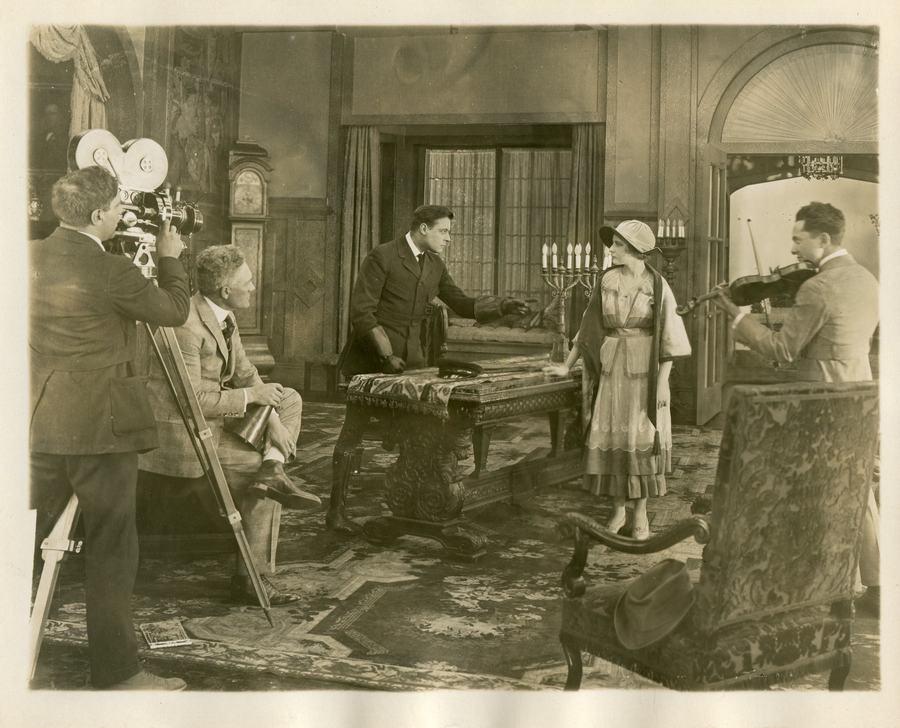
Beyond its engaging plot, The Square Deceiver offers a rich tapestry of themes that remain pertinent. The critique of materialism and social climbing is front and center. The film unequivocally champions the purity of heart over the pursuit of wealth, suggesting that true happiness stems from authentic connections rather than superficial gains. This message resonates with other films of the era that often celebrated virtue and integrity, sometimes contrasting them with urban decadence or aristocratic pretense. The idea of disguise as a means to uncover truth is also a powerful motif, one that has been revisited countless times in cinematic history. Billy’s masquerade is not malicious; it is a desperate attempt to find sincerity in a world seemingly devoid of it.
“The film masterfully uses the age-old 'prince in disguise' trope to dissect the very fabric of societal values, exposing the hollowness of material pursuits against the enduring warmth of genuine human connection.”
The film also subtly touches upon the agency of women in an era of shifting social norms. While Beatrice initially appears as a victim of her circumstances, her eventual inheritance and her unwavering moral compass position her as a strong, independent character who ultimately transcends the limitations placed upon her by others. Her journey, from penniless ward to wealthy heiress and loving wife, is a testament to resilience and inherent worth. This aligns with a broader trend in early cinema where female characters, while often framed within romantic narratives, increasingly displayed inner strength and self-determination, even if it was through virtuous acts rather than overt rebellion, similar to the spirited protagonists in films like Betty to the Rescue.
The Square Deceiver, though a product of its time, remains a remarkably engaging and relevant piece of cinema. Its exploration of love versus lucre, sincerity versus superficiality, and the ultimate triumph of genuine character over social pretense is as compelling today as it was over a century ago. The film's well-structured plot, coupled with strong performances and a clear moral compass, ensures its lasting appeal. It serves as a gentle, yet firm, reminder that while fortunes may ebb and flow, true wealth lies in the connections we forge and the integrity we maintain. For those who appreciate the foundational narratives of early Hollywood and the timeless pursuit of authentic human experience, The Square Deceiver is a delightful and insightful watch, proving that some stories, like true love, are simply eternal.
IMDb 7
1936
Community
Log in to comment.