DbcultAccessing Vault...
Cult Review
Senior Film Conservator
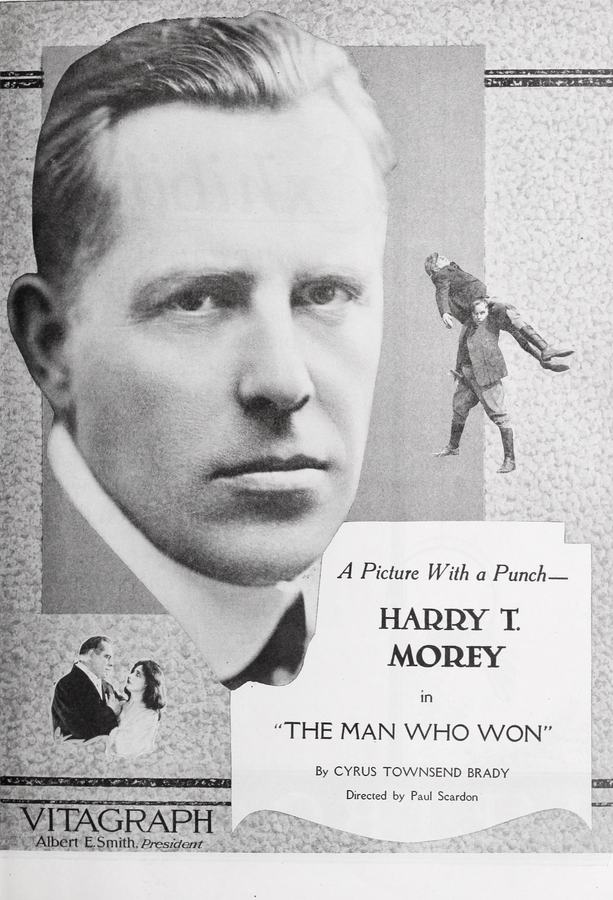
Stepping back into the annals of cinematic history, we encounter The Man Who Won, a film that, even in its silent era grandeur, weaves a tapestry rich with adventure, espionage, and the timeless struggle between good and evil. From its opening frames, the picture plunges us headlong into a world of global stakes, where a single cache of platinum holds the balance of power. It's a testament to the storytelling prowess of Cyrus Townsend Brady and Edward J. Montagne that such a sprawling narrative can be contained within the confines of a feature film, delivering a thrilling ride that keeps audiences captivated from the frozen reaches of Siberia to the sun-drenched shores of Oregon.
Our protagonist, Christopher Keene, portrayed with a compelling blend of rugged determination and underlying vulnerability by Bernard Siegel, is thrust into an almost mythic quest. His initial triumph – the acquisition of a colossal platinum cache in the remote, unforgiving landscapes of Siberia – immediately establishes the high-octane premise. This isn't merely a treasure hunt; it's a mission imbued with national significance, as the platinum is destined for the U.S. government. The journey that follows is an odyssey of truly epic proportions, a testament to Keene's endurance. He navigates the treacherous passes of the Himalayas, a landscape that dwarfs human endeavor, and then descends into the dense, humid labyrinth of the Malay Peninsula. These early sequences, while perhaps limited by the visual effects capabilities of their time, nonetheless evoke a powerful sense of scale and danger, hinting at the vastness of the world and the solitary nature of Keene's monumental task.
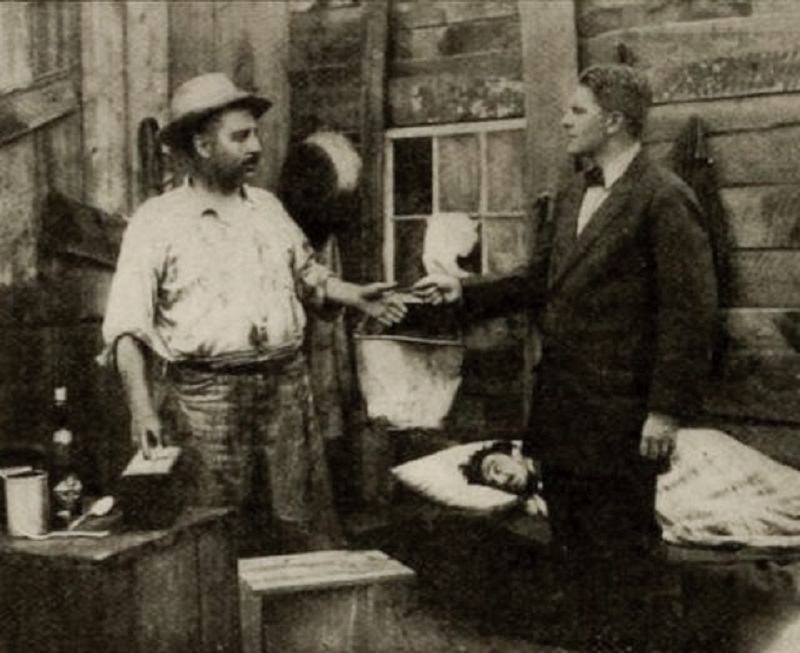
The dramatic tension escalates upon Keene's arrival in Coos Bay, Oregon, the designated hiding place for the invaluable metal. Here, the narrative takes a dark turn, illustrating the inherent perils of such a high-stakes endeavor. His Malaysian crew, driven by avarice, turns on him, leading to a brutal, desperate struggle. Keene's act of self-defense, though justifiable, leaves him physically and psychologically scarred. The film doesn't shy away from depicting the raw aftermath: a wounded, delirious man, adrift in a haze of pain and confusion. It is in this vulnerable state that he encounters Barbara Le Moyne, played with an ethereal grace by Betty Blythe. This initial meeting is fleeting, almost dreamlike, a moment of fleeting human connection amidst chaos. Barbara, a vacationer, attempts to seek help, but the currents of fate, or perhaps simply the relentless tide of his delirium, pull Keene onto a ship bound for San Francisco. This narrative device, separating the protagonists just as their paths cross, masterfully builds anticipation for their inevitable reunion.
The subsequent development, where a clean-shaven Christopher Keene, now recovered and physically transformed, encounters Barbara again, is a classic trope of mistaken identity. The audience, privy to the previous events, experiences a delicious irony as neither character immediately recognizes the other. This narrative thread, often seen in romantic melodramas of the era, allows for a fresh start, a new layer of character development, and a gradual unfolding of affection. It's a clever way to reset the emotional stakes while simultaneously allowing the underlying mystery of Keene's past to simmer beneath the surface.
The introduction of Henry Longfield, Barbara's fiancé, adds a layer of sophisticated espionage to the adventure. Portrayed by Harry T. Morey, Longfield is initially presented as a reputable Secret Service agent, a figure of authority and trust. His immediate befriending of Christopher, however, is tinged with an undercurrent of suspicion for the discerning viewer. His true motive, to locate the hidden platinum, casts a long shadow over his seemingly altruistic actions. This dynamic creates a compelling love triangle, but one complicated by deception and hidden agendas. As affection blossoms between Barbara and Christopher, the tension becomes palpable. The film brilliantly uses this romantic entanglement as a vehicle for the larger plot of espionage, demonstrating how personal relationships can become battlegrounds for national interests.
Longfield's eventual denunciation of Christopher as a thief is a calculated move, designed to isolate his rival and further his own nefarious goals. It's a moment of dramatic confrontation that tests the burgeoning trust between Christopher and Barbara. The skill with which Christopher convinces Barbara of his innocence is crucial here; it speaks to his inherent integrity and perhaps to Barbara's own intuitive understanding of character. This scene, relying heavily on the actors' ability to convey complex emotions without dialogue, is a masterclass in silent film performance. It sets the stage for Barbara's pivotal role in awakening Christopher's dormant memories, an act of profound connection that transcends their initial misunderstanding.
Barbara's ability to trigger Christopher's memory of the Coos Bay incident is a turning point, not just for his character, but for the entire narrative. It’s a moment of profound recognition, a breaking through the amnesia that has clouded his past. This revelation propels Christopher back into action, reigniting his quest for the platinum. The film effectively shifts gears here, moving from romantic drama back to full-blown adventure and suspense. His determined search for the treasure is imbued with a new sense of urgency, driven by both patriotism and a desire for personal vindication. The audience is invited to share in his renewed purpose, anticipating the inevitable confrontation that looms.
The climax, set at the rediscovered platinum cache, is a pulsating sequence of action and betrayal. Christopher, having located the treasure, is immediately set upon by Longfield and his ruthless gang. The odds are stacked against him, highlighting his solitary heroism. However, the narrative provides a satisfying twist: Barbara, far from being a passive damsel, proves herself to be an active agent of justice. Her timely arrival, accompanied by a *real* Secret Service agent, is a moment of genuine triumph, turning the tide against the villains. This subversion of the traditional damsel-in-distress trope, even in an early film, is commendable, giving Barbara agency and demonstrating her crucial role in the resolution. The defeat of Longfield's gang is a cathartic release, but the film still holds one final, shocking revelation.
The true identity of Henry Longfield as a German spy, tasked with returning the stolen treasure to his government, is the ultimate twist, transforming the film from a mere adventure into a potent tale of wartime espionage. Given the historical context of the film's production (likely around or after World War I), such a narrative would have resonated deeply with contemporary audiences, tapping into prevalent anxieties about foreign infiltration and national security. This revelation elevates the stakes, making Longfield not just a personal antagonist but an enemy of the state. Christopher's final act, throwing Longfield over a cliff, is a definitive and morally unambiguous resolution, a stark depiction of justice meted out in a world where allegiances are paramount.
The performances, particularly from Bernard Siegel as Christopher, are compelling. Siegel conveys the physical toll of his character's journey and the emotional weight of his predicament with remarkable clarity, even without spoken dialogue. Betty Blythe's Barbara is more than just a romantic interest; she's a catalyst for memory and a force for justice. Harry T. Morey, as Longfield, embodies the insidious nature of betrayal, shifting convincingly from charming fiancé to ruthless spy. The film's direction, while adhering to the visual language of its time, effectively uses close-ups to convey emotion and wider shots to establish the grand scale of the adventure.
The Man Who Won explores several powerful themes that remain relevant today. Identity, for instance, is central to Christopher's journey. His transformation from a rugged explorer to a clean-shaven, amnesiac gentleman, and then back to a determined hero, speaks to the fluidity of self and the impact of circumstance. Patriotism is another driving force, particularly in the context of the platinum's strategic importance and Longfield's role as a foreign agent. The film doesn't shy away from depicting the sacrifices demanded by national loyalty. Betrayal, both personal and political, forms the narrative's backbone, from the mutinous crew to the duplicitous fiancé. These themes are woven together to create a morally complex world, where trust is a precious, often fleeting, commodity.
Comparing The Man Who Won to other films of its era reveals its unique blend of genres. While it shares the adventurous spirit of films like The Bugler of Algiers, its intricate plot of espionage and mistaken identity places it closer to the thrilling complexities of films such as The Iced Bullet or even the dramatic reveals in something like Infidelity, where hidden truths dictate destiny. The film's engagement with wartime themes and foreign spies also resonates with the zeitgeist that produced works like Allies' Official War Review, No. 1, though The Man Who Won crafts a fictional narrative around these anxieties rather than a documentary approach. It’s a fictionalized exploration of the very real tensions that gripped nations.
The film's pacing, even for a silent feature, is surprisingly brisk. The narrative moves with a propulsive energy, constantly introducing new challenges and revelations. The use of intertitles is effective, providing necessary exposition without bogging down the visual storytelling. The cinematography, though limited by early 20th-century technology, still manages to capture the essence of the diverse settings, from the stark beauty of the wilderness to the bustling urban environments. The film's ambition in depicting such a global journey is commendable, pushing the boundaries of what could be achieved on screen at the time.
Ultimately, The Man Who Won stands as a compelling example of early adventure and spy cinema. It’s a film that, despite its age, still manages to thrill and engage, offering a fascinating glimpse into the storytelling conventions and thematic preoccupations of its era. It reminds us that the desire for adventure, the fear of betrayal, and the quest for justice are universal human experiences that transcend time and technological advancements in filmmaking. Its intricate plot, memorable characters, and satisfying resolution make it a worthwhile watch for anyone interested in the foundational narratives of cinematic espionage and heroic journeys. It’s not just a relic; it’s a vibrant, impactful piece of storytelling that continues to resonate with the classic spirit of daring and discovery.
The film's lasting impression comes from its ability to balance grand, sweeping adventure with intimate personal drama. Christopher's internal struggle with his memory and his growing feelings for Barbara provide a human anchor to the larger, more geopolitical narrative. This duality is what truly elevates The Man Who Won beyond a simple action flick of its time. It invites viewers not just to witness a spectacle, but to connect with the characters' emotional arcs. The definitive confrontation with Longfield, both physically and ideologically, serves as a powerful commentary on the era's anxieties and the clear-cut morality often presented in popular narratives of the time.
In an era where cinema was still finding its voice, The Man Who Won dared to dream big, traversing continents and weaving a complex web of deceit and heroism. It’s a testament to the vision of its creators and the enduring power of a well-told story. For those who appreciate the foundational works of cinema, this film offers a rich, rewarding experience, demonstrating that even without spoken words, the language of action, emotion, and intrigue can be universally understood and deeply felt.
IMDb —
1926
Community
Log in to comment.