DbcultAccessing Vault...
5/10
Senior Film Conservator
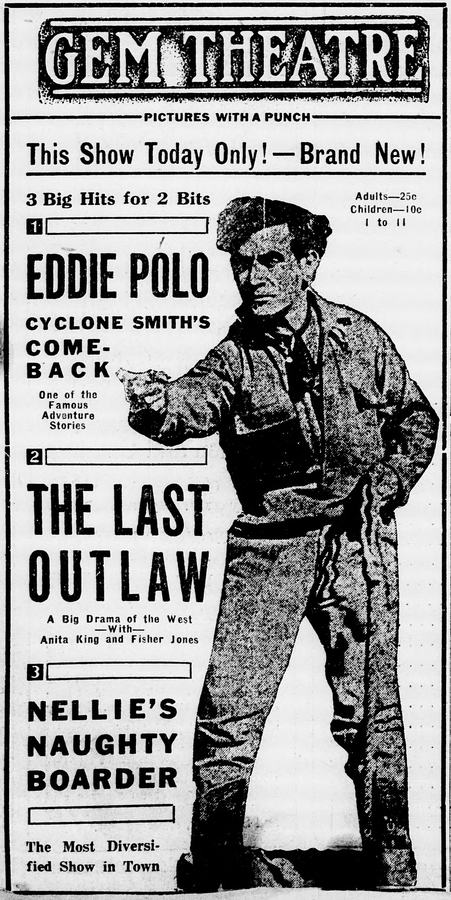
A definitive 5/10 rating for a film that redefined the boundaries of cult cinema. The Last Outlaw remains a cornerstone of transgressive art.
There's a particular kind of cinematic resonance that only a story steeped in the dust of memory and the weight of a legendary past can evoke. 'The Last Outlaw' is precisely that film, a profound exploration of a grizzled hero's return to the very crucible of his youthful exploits. It’s not merely a revisit to a geographic location, but a harrowing pilgrimage into the self, a confrontation with the ghosts of who he once was and the man he has become. From the opening frames, the film establishes a somber, reflective tone, painting a vivid portrait of a landscape that remembers, even if its inhabitants have forgotten or chosen to rewrite history.
Richard Cummings, in a performance that can only be described as a masterclass in understated gravitas, embodies our protagonist with a weary dignity that speaks volumes without a single word. His eyes, deep-set and shadowed, carry the full weight of a tumultuous past, hinting at both the audacious daring of his younger days and the quiet regrets that now accompany him like an unwanted companion. This isn't a hero seeking a final blaze of glory, but one in pursuit of something far more elusive: peace, understanding, or perhaps, a final reckoning. The narrative, meticulously crafted by the formidable writing team of John Ford, H. Tipton Steck, and Evelyn Campbell, sidesteps conventional Western tropes to deliver a character study of remarkable depth and psychological nuance. Ford's influence, even in a writing capacity, is palpable in the film's stark realism and its profound sense of place.
The town itself functions as a living, breathing character, its sun-baked streets and weathered facades echoing the passage of time. It’s a place where every shadow seems to hold a memory, every creaking floorboard a whisper of forgotten deeds. The film excels in showing, rather than telling, the transformation of this once-vibrant hub of activity into a quiet, almost melancholic testament to bygone eras. The cinematography, with its sweeping vistas and intimate close-ups, captures the raw beauty and unforgiving nature of the frontier, making it an integral part of the hero's internal struggle. The way light filters through dusty windows or the vast, empty expanse of the horizon serves to underscore the protagonist’s isolation and the immense journey he undertakes, both physically and emotionally. Much like the profound sense of place and the lingering presence of history in Gli spettri, 'The Last Outlaw' uses its setting to amplify the internal turmoil of its characters, making the environment an active participant in the drama rather than a mere backdrop.
The supporting cast provides crucial layers to this intricate narrative. Edgar Jones delivers a compelling performance as a figure from the hero's past, perhaps a rival or a former ally, whose presence forces our protagonist to confront uncomfortable truths. Jones's portrayal is nuanced, hinting at a shared history fraught with both camaraderie and conflict. Neola May, as a woman who has also borne witness to the town's evolution, brings a quiet strength and resilience to her role, her interactions with Cummings’ character imbued with a delicate tension and unspoken understanding. There’s a palpable sense that her character holds keys to memories the hero might rather leave undisturbed. Lucille Hutton, in a role that could have been relegated to a mere archetype, instead crafts a character of surprising depth, embodying the hopes and disappointments of a generation shaped by the very exploits our hero once spearheaded. And Jack Walters, as a younger, perhaps more idealistic individual, serves as a poignant contrast, representing the future that the grizzled hero has, in many ways, sacrificed.
The screenplay by John Ford, H. Tipton Steck, and Evelyn Campbell is a masterclass in economic storytelling, allowing silence and visual cues to often convey more than dialogue ever could. They understand that a man of our hero's stature doesn't need to boast; his legend precedes him, and his quiet demeanor speaks volumes. The script skillfully weaves flashbacks and present-day encounters, creating a mosaic of a life lived on the edge, full of audacious acts and profound personal costs. The writers delve into the morality of heroism and villainy, blurring the lines that often define such archetypes. Is a 'hero' who commits 'exploits' truly heroic if those actions leave a trail of collateral damage? This nuanced approach to character and consequence elevates 'The Last Outlaw' beyond a simple genre piece into something far more profound. The thematic richness, exploring the burden of reputation and the quest for atonement, resonates deeply, reminiscent of the existential dilemmas faced by characters in The Turn in the Road, where past decisions inevitably shape future pathways and personal transformations.
The pacing of the film is deliberate, almost meditative, allowing the audience to fully immerse themselves in the protagonist's internal world. There are moments of quiet contemplation, interspersed with bursts of tension that remind us of the volatile world he once inhabited. This measured rhythm ensures that every glance, every hesitant step, every confrontation carries significant weight. The film doesn't rush to deliver easy answers or simplistic resolutions; instead, it allows the complexity of human experience to unfold organically. This narrative patience is a testament to the confidence of the filmmakers in their material and their audience's capacity for thoughtful engagement. It eschews the rapid-fire action often associated with the genre, instead opting for a slow burn that builds emotional intensity, much like the slow, inexorable march towards a climactic confrontation with destiny found in Facing Death on the Blumlisalp, albeit on a far more personal and psychological terrain.
At its heart, 'The Last Outlaw' is a powerful meditation on redemption, not necessarily in the religious sense, but in the human quest to reconcile with one's past. Our hero is not seeking absolution from others, but from himself. His return is an act of courage, perhaps even penance, as he reopens old wounds and confronts the consequences of his actions. The film deftly explores the concept of legacy: how a person's life, especially one lived outside the bounds of conventional society, can morph into myth, and how that myth can both haunt and define them. The tension between the public legend and the private man is a constant undercurrent, providing much of the film's emotional thrust. This delicate balance between perception and reality, and the profound impact of reputation, echoes the societal critiques found in films like The New York Peacock, though applied to a far more rugged and morally ambiguous landscape.
The film also subtly touches upon the changing face of the West. The era of the 'outlaw' is fading, replaced by the slow, inexorable march of civilization. Our hero is a relic, a living embodiment of a time that is rapidly disappearing. His presence in the 'new' town highlights this transition, creating a melancholic sense of an ending, not just for him, but for an entire way of life. This feeling of being out of time, of grappling with a world that has moved on, adds another layer of pathos to his journey. It’s a powerful commentary on the inevitable march of progress and the often-painful process of adaptation. The film, in this regard, shares a thematic kinship with Where Bonds Are Loosed, exploring the constraints and freedoms offered by different societal structures and the individual's struggle within them.
'The Last Outlaw' is more than just a Western; it's a timeless human drama wrapped in the rugged aesthetics of the frontier. It's a film that lingers long after the credits roll, prompting reflection on our own pasts, the choices we've made, and the legacies we leave behind. The performances are uniformly strong, with Cummings delivering a career-defining turn that anchors the entire production. The direction is assured, the writing insightful, and the overall execution impeccable. It's a testament to the power of storytelling when handled with such care and reverence for its subject matter. The film doesn't rely on cheap thrills or overly melodramatic plot twists; instead, it finds its power in the quiet dignity of its characters and the profound emotional truth of its narrative. It's a film that understands the human heart and its eternal struggle for meaning and peace.
This film stands as a poignant reminder of the enduring appeal of stories about personal reckoning and the indelible marks left by a life lived fully, for better or worse. It’s a must-watch for anyone who appreciates cinema that dares to delve into the complex tapestry of the human spirit, offering not easy answers, but profound questions. The quiet introspection and the weight of history that permeate every scene make it a truly memorable cinematic experience. The narrative's meticulous unfolding, much like the intricate reveal of character motivations in A Game of Wits, ensures that every interaction and revelation contributes to a cohesive and impactful whole. The film’s ability to evoke such deep emotional responses without resorting to overt sentimentality is a hallmark of its artistic achievement. It’s a film that resonates because it speaks to universal themes of regret, longing, and the eternal human desire for understanding and a measure of peace before the final curtain falls. Truly, 'The Last Outlaw' etches itself into your consciousness, a profound and beautiful elegy to a fading era and the enduring spirit of a man confronting his own legend.
IMDb —
1919
Community
Log in to comment.