DbcultAccessing Vault...
6.2/10
Senior Film Conservator
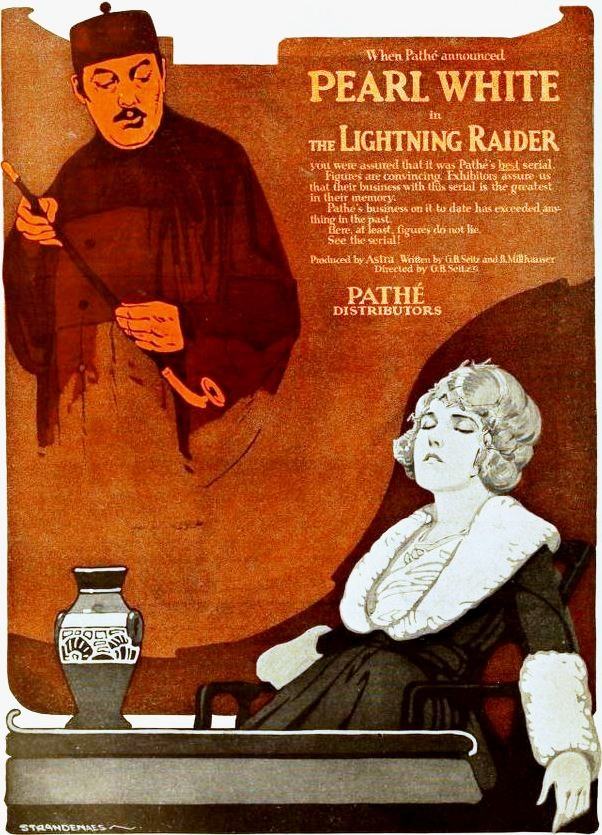
A definitive 6.2/10 rating for a film that redefined the boundaries of cult cinema. The Lightning Raider remains a cornerstone of transgressive art.
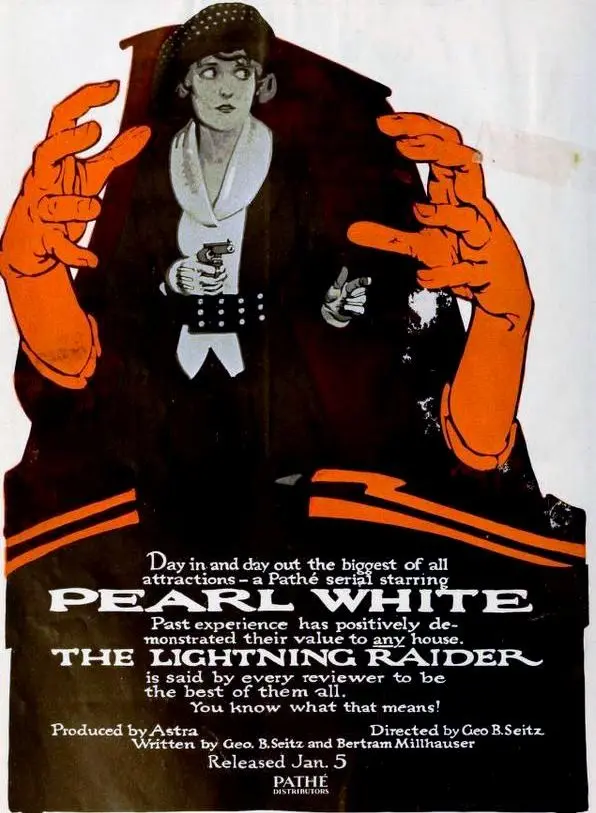
When the silver screen flickers to life with the silhouette of a woman who could outwit a bank vault and a heart of steel, the audience is instantly thrust into a world where elegance meets audacity. The Lightning Raider—directed by the collaborative trio of May Yohe, George B. Seitz, and John B. Clymer—does more than narrate a caper; it orchestrates a visual poem about agency, desire, and the fragile veneer of wealth.
From the opening tableau, the cinematographer employs chiaroscuro with the precision of a painter. The protagonist—portrayed with luminous poise by Nellie Burt—moves through chiaroscuro‑laden corridors, her figure a bright slash against the oppressive darkness. The use of low‑key lighting does not merely conceal; it accentuates the duality of her existence: a thief who steals material riches while yearning for emotional treasure.
The film’s editing rhythm mirrors the heartbeat of a heist. Quick cuts during the burglary sequence juxtapose with lingering, almost reverent shots of the city’s skyline, allowing viewers to feel both the adrenaline of the chase and the melancholy of a world that constantly watches.
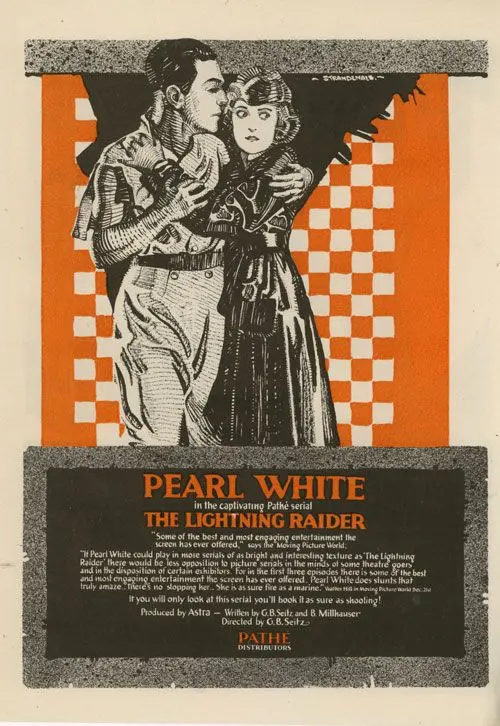
Burt’s portrayal is a masterclass in silent‑era expressivity. She conveys cunning through a raised eyebrow, desperation through a trembling fingertip, and tenderness through a fleeting glance at Thomas Babbington Norton (Warner Oland). Oland, often remembered for his later role as Charlie Chan, here embodies the archetype of the affluent yet naïve heir. Their chemistry crackles like static, a silent dialogue that transcends intertitles.
Supporting actors such as Boris Karloff—still in the embryonic stage of his career—lend an unsettling gravitas to the role of a relentless detective, his looming presence a constant reminder of the law’s inescapable shadow.
The screenplay, penned by an eclectic quartet of writers, weaves a narrative that is both linear and elliptical. The central theft serves as the inciting incident, but the true story unfurls in the aftermath: the reluctant alliance between the thief and the millionaire, their negotiations, betrayals, and eventual emotional surrender.
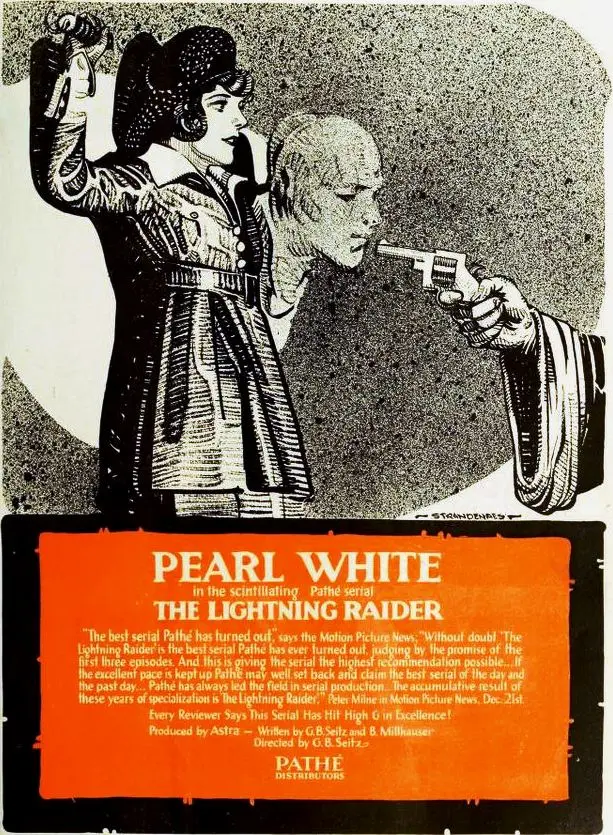
The film’s pacing respects the silent medium’s need for visual exposition. Intertitles are sparing, each one a deliberate punctuation that adds weight rather than explanation. This restraint forces the audience to read between the lines, to infer motives from a glint of a jewel or a clenched jaw.
At its core, The Lightning Raider interrogates the gendered expectations of the 1920s. The protagonist’s mastery of theft—a domain traditionally reserved for male anti‑heroes—subverts societal norms. Her allure is not a weapon but an extension of her intellect; she navigates the patriarchal maze with a blend of charm and cunning.
Thomas Norton’s wealth, meanwhile, is portrayed as both a shield and a cage. His interactions with the thief reveal a yearning for authenticity that his opulent lifestyle cannot provide. Their relationship becomes a microcosm of class tension, echoing the social commentary found in The Last of the Mafia and Keep Moving.
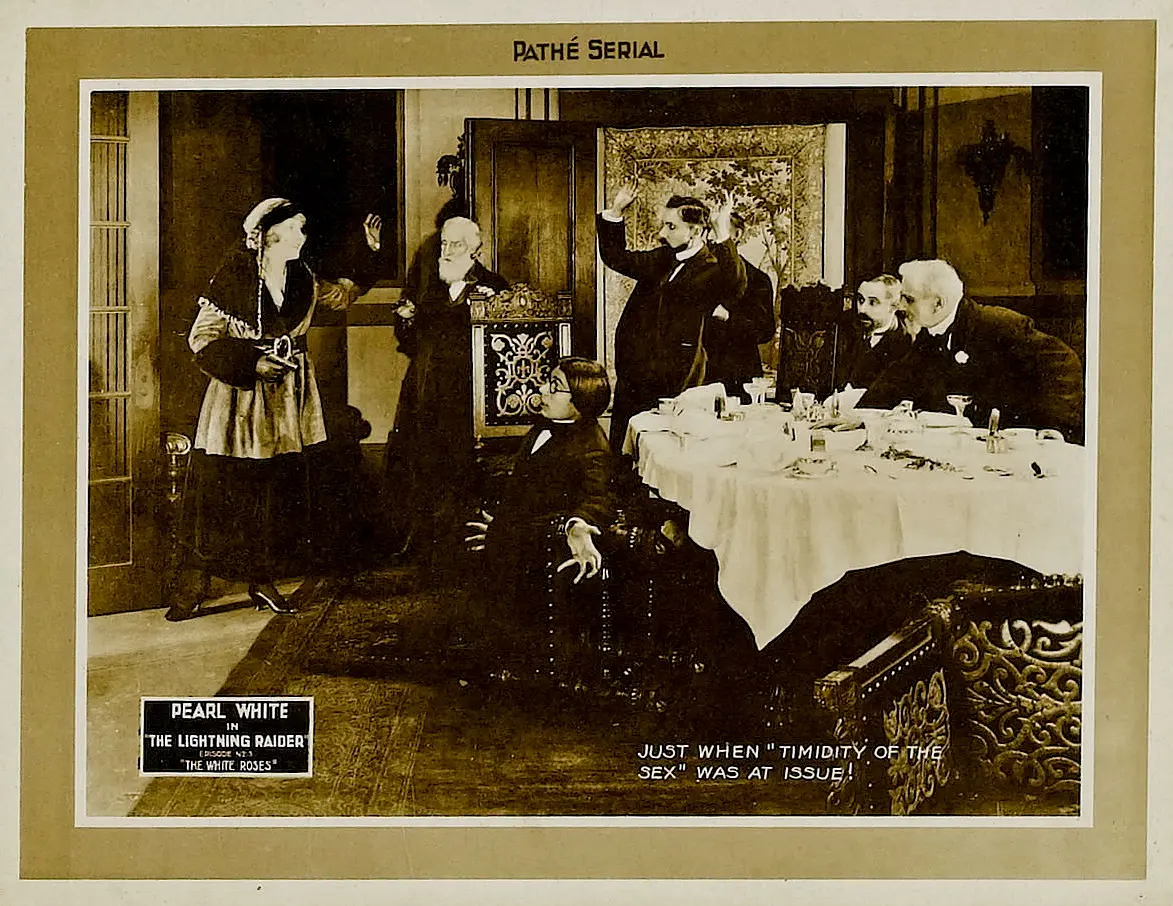
Although the film is rendered in monochrome, the director’s use of set design and costume hints at a hidden chromatic intention. The protagonist’s dress—a flowing gown of deep burgundy—contrasts starkly against the pallid backdrop, a visual cue that foreshadows her fiery spirit. The occasional splash of gold in the millionaire’s study underscores his material obsession.
If one were to imagine the film in color, the palette would likely echo the hues we employ in this review: a daring dark orange (#C2410C) for the thief’s daring, a luminous yellow (#EAB308) for moments of revelation, and a cool sea blue (#0E7490) for the melancholy of unspoken longing.
While The Lightning Raider stands alone in its silent elegance, it shares narrative DNA with later caper romances such as Annie‑for‑Spite, where a femme fatale’s wit collides with a wealthy suitor’s naiveté. Both films explore the paradox of love as both liberation and confinement.
The film’s thematic undercurrents also resonate with the existential dread of Hell Bent, where characters grapple with destiny versus self‑determination.
The climactic chase through the city’s industrial district showcases an impressive blend of practical effects and daring stunt work. The sequence, filmed on location, captures the kinetic energy of a woman racing against both law enforcement and her own conscience. The camera tracks her with a fluidity that anticipates the kinetic style of later noir thrillers.
Sound design—though limited to the musical accompaniment of live orchestras—uses leitmotifs to underscore emotional beats. The recurring violin motif that accompanies the thief’s solitary moments becomes a sonic signature, a whisper of her inner turmoil.
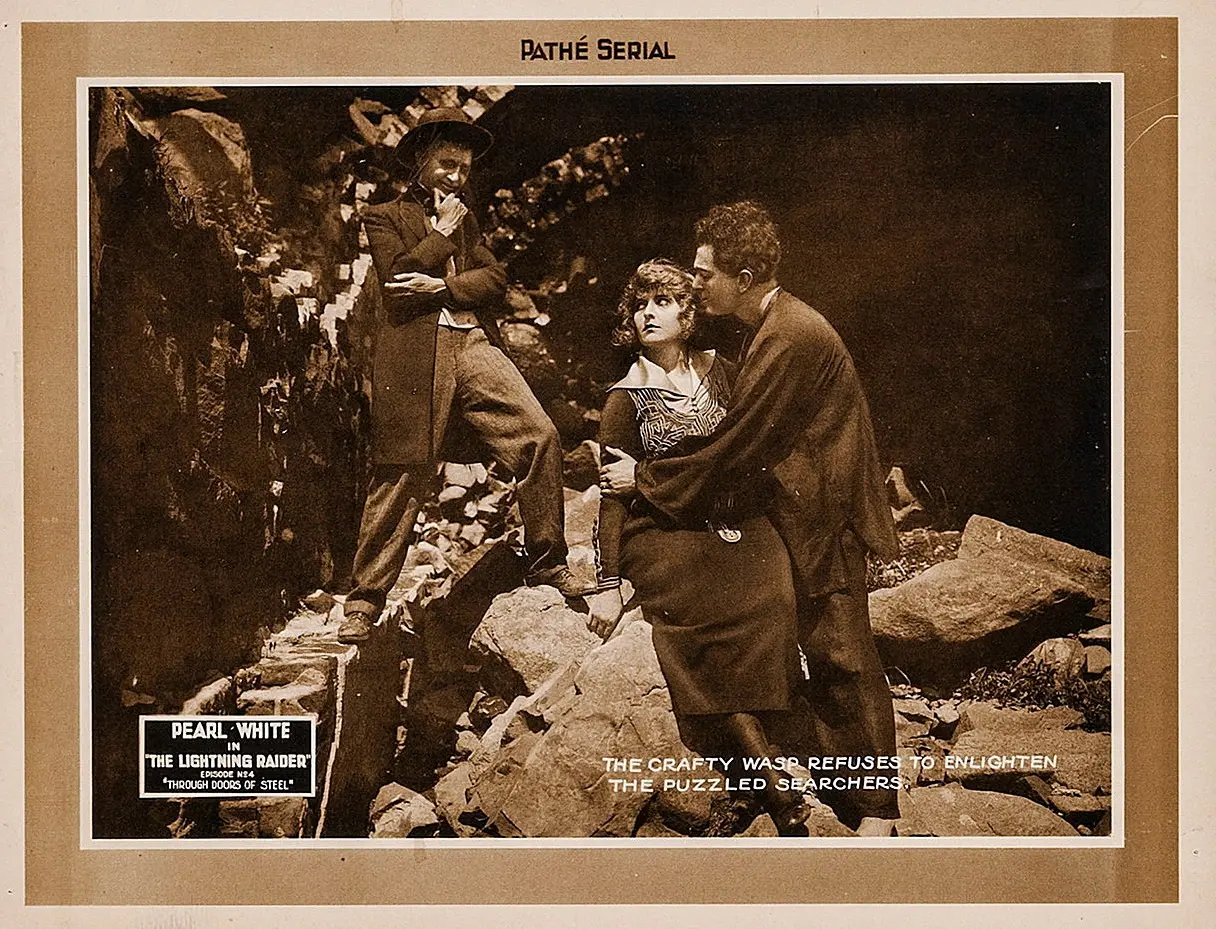
Despite its relative obscurity compared to the more celebrated works of the era, The Lightning Raider has cultivated a cult following among silent‑film aficionados. Its influence can be traced in the visual storytelling of modern heist cinema, where the balance between style and substance remains a delicate dance.
The film’s preservation status—thanks to the diligent efforts of archivists—allows contemporary audiences to experience a piece of cinema that bridges the gap between early silent melodrama and the sophisticated narrative structures of the sound era.
In the pantheon of silent cinema, The Lightning Raider occupies a niche that is simultaneously daring and tender. Its protagonist redefines the archetype of the thief, imbuing her with depth, agency, and a palpable humanity that transcends the constraints of the medium. The film’s visual language, nuanced performances, and thematic richness reward repeated viewings, each revealing new layers of meaning.
For scholars, cinephiles, and casual viewers alike, the film offers a compelling study of how love and law intertwine, how power can be both a weapon and a wound. It is a reminder that even in the black‑and‑white era, cinema could paint with the brightest of colors—if only the viewer knows where to look.
Read more about silent‑era capers and their modern descendants at The Light of Happiness and A Woman There Was.
IMDb —
1919
Community
Log in to comment.