DbcultAccessing Vault...
Cult Review
Senior Film Conservator
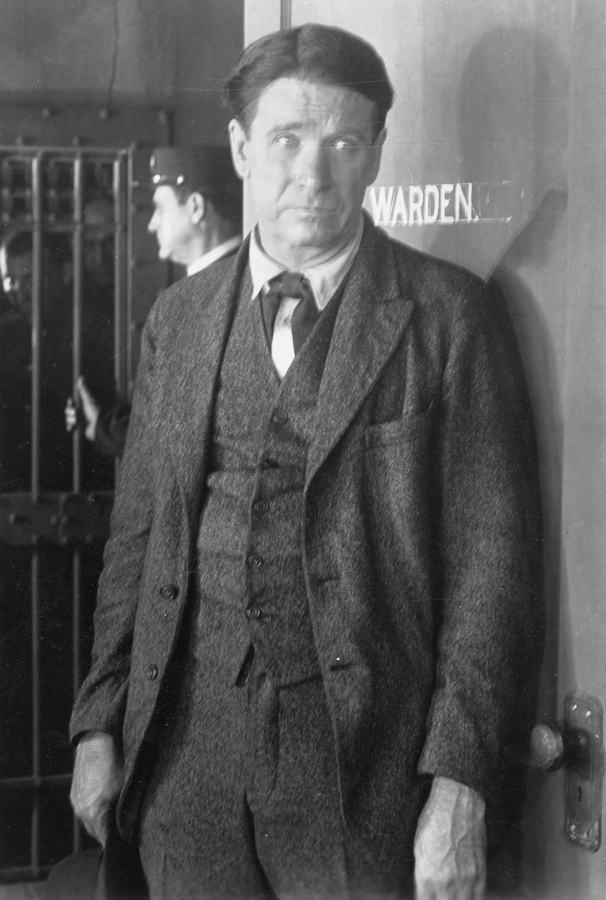
Stepping back into the cinematic tapestry of the early 20th century, one encounters films that, despite the passage of a hundred years, continue to echo with universal human dramas. Among these compelling relics is The Man Worthwhile, a silent-era gem from 1921 that, upon closer inspection, reveals a surprisingly intricate narrative of betrayal, enduring love, and the elusive pursuit of justice. Penned by the formidable Ella Wheeler Wilcox, whose poetic sensibilities often explored the complexities of the human heart, this picture transcends mere melodrama, offering a potent reflection on the moral quandaries of its time. It’s a film that demands our attention, not just as an artifact of historical cinema, but as a vibrant testament to storytelling’s timeless power, executed with a raw emotionality that still grips the viewer.
At the narrative's core lies Don "Smiler" Ward, portrayed with earnest conviction by Burt Hodkins. Smiler, a ranger whose very nickname suggests a man at peace with his world, is on the precipice of marital bliss with Mary Alden, brought to life by the captivating Joan Arliss. Their love story, idyllic in its nascent stages, is mercilessly shattered by the intervention of Eddie Loring, the privileged scion of a powerful lumber magnate, whose insidious charm and calculating deceit prove to be the serpent in their Eden. Loring, masterfully played by Eugene Acker, embodies the era's quintessential villain – handsome, wealthy, and utterly devoid of moral compass. He cunningly manipulates Mary into a fraudulent marriage, only to abandon her with a chilling casualness that leaves both Mary and the audience reeling. This act of profound betrayal serves as the catalyst for the film's unfolding tragedy, immediately establishing the stakes and the deep emotional scars that will define the characters' journeys.
Smiler, consumed by a righteous fury that transforms his once-genial demeanor, embarks on a relentless pursuit of Loring. This isn't merely a chase; it's a visceral odyssey fueled by a primal need for retribution and a desperate yearning to right an unforgivable wrong. His quest leads him to Loring's opulent office, a stark contrast to the natural wilderness Smiler calls home. However, justice, in this cruel twist of fate, proves elusive and perverse. Instead of apprehending the true villain, Smiler finds himself ensnared by the very system he believes in, arrested for an alleged attempt on Loring's life and subsequently condemned to prison. The irony is palpable: the man whose honor was so grievously wounded is now stripped of his freedom, his reputation tarnished, and his beloved left to face an uncertain future alone. This segment of the film is particularly potent, highlighting the fragility of justice and the ease with which appearances can condemn an innocent man, a theme that resonates even today.
While Smiler languishes behind bars, Mary's ordeal deepens. She navigates the arduous path of solitary motherhood, a poignant testament to her resilience in the face of societal judgment and personal heartbreak. The arrival of her child, a beacon of hope amidst the despair, also ushers in a new layer of emotional complexity. As the child grows and begins to question the absence of a father, Mary is confronted daily with the painful void left by Loring's deceit. These tender, yet heart-wrenching, scenes underscore the profound consequences of Loring's actions, extending their toxic reach beyond Mary to the innocent generation he has wronged. Joan Arliss's portrayal of Mary here is particularly moving, conveying a quiet strength and a deep well of maternal love that shines through her suffering. Her performance grounds the film in an emotional reality that prevents it from descending into mere histrionics.
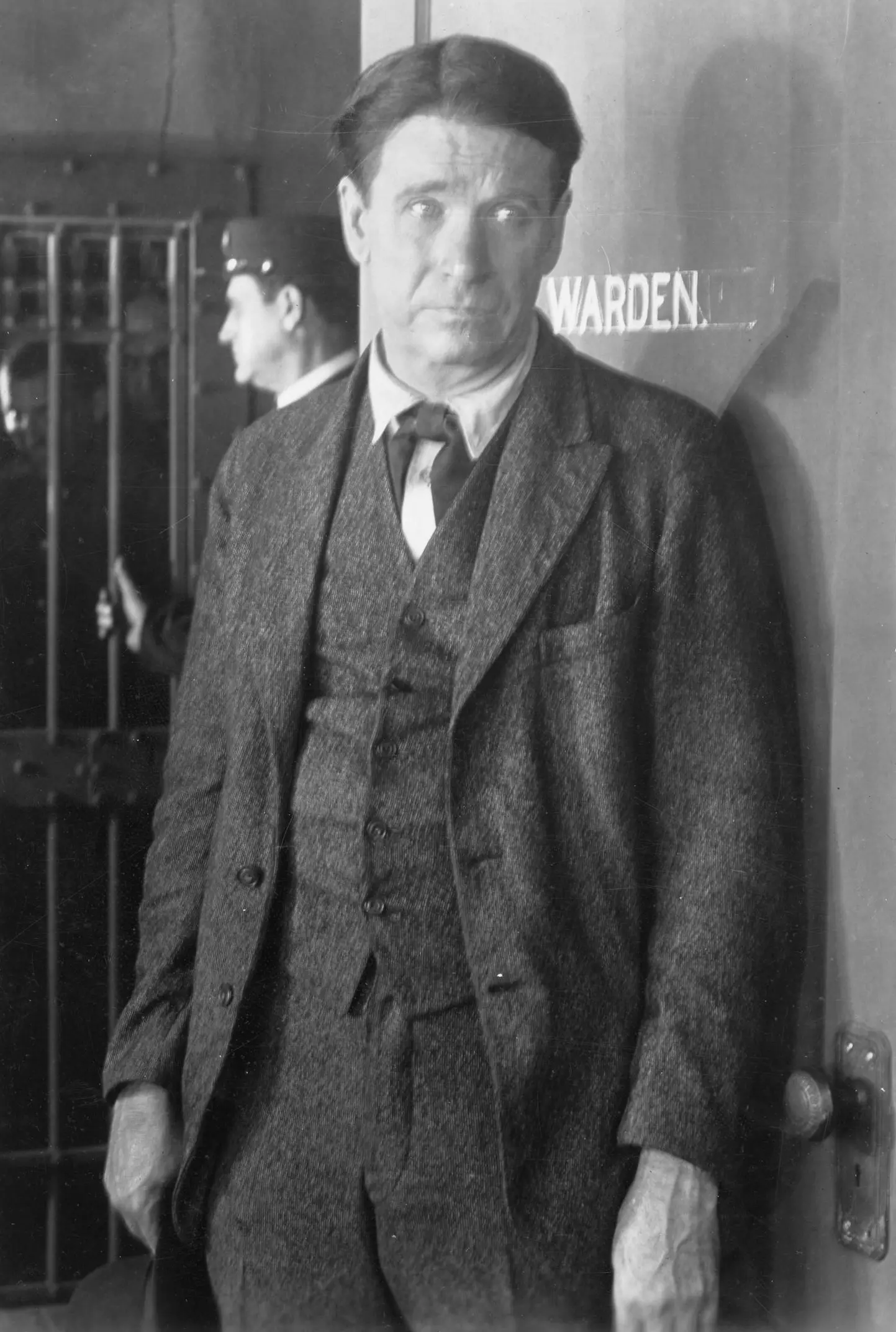
Driven by an unwavering need to secure her child's future and perhaps, a glimmer of hope for her own dignity, Mary resolves to confront Loring once more. Her pilgrimage to his lavish home is fraught with tension, a desperate attempt to compel him to acknowledge their fraudulent marriage and, by extension, his son. This confrontation, however, is dramatically preempted by a shocking twist of fate. On that very night, Loring meets his untimely end, not by the hand of Smiler or Mary, but through the vengeful act of a French Canadian whose own beloved Loring had wronged. This narrative device cleverly sidesteps the expected melodramatic climax, instead introducing a layer of poetic justice that is both unexpected and deeply satisfying. It suggests that Loring's depravity was not isolated, but a pattern of behavior that ultimately led to his downfall, an almost karmic retribution.
With Loring’s true killer identified and apprehended, the shadow of suspicion that had unjustly enveloped Mary is finally lifted. Simultaneously, Smiler, having served his wrongful sentence, emerges from prison a changed man, yet his core integrity remains. The narrative then gracefully converges, allowing these two long-suffering souls to find their way back to each other. The film’s denouement is not a sudden burst of joyous revelry, but rather a quiet, profound sense of relief and a hard-won peace. Smiler, whose name had become a cruel irony, at last has genuine cause to smile, his enduring love for Mary and his innate goodness ultimately vindicated by the universe's often circuitous path to justice. It's a conclusion that feels earned, not given, reflecting the arduous journey both characters have undertaken.
The emotional weight of The Man Worthwhile rests heavily on the shoulders of its lead performers, and thankfully, Joan Arliss and Burt Hodkins deliver with remarkable intensity. Joan Arliss, as Mary Alden, portrays a woman of immense inner fortitude. Her expressions, subtle yet profound, convey the spectrum of her character's journey – from the initial innocent joy of impending marriage, through the crushing humiliation of betrayal, the quiet stoicism of motherhood, and finally, the weary but determined quest for justice. Her gaze often carries a haunting sadness, punctuated by moments of fierce resolve, making Mary a truly empathetic figure. Arliss avoids the theatrical excesses sometimes associated with silent film acting, instead opting for a nuanced performance that feels deeply human and relatable. This allows the audience to connect with Mary on a visceral level, rooting for her redemption and the recognition she so desperately deserves.
Burt Hodkins's transformation from the jovial "Smiler" to a man consumed by anger and then tempered by unjust imprisonment is equally compelling. Hodkins deftly navigates the emotional complexities, allowing us to witness the erosion of Smiler's innocence without losing sight of his inherent goodness. His scenes of frustration and despair in

IMDb —
1918
Community
Log in to comment.