DbcultAccessing Vault...
Cult Review
Senior Film Conservator
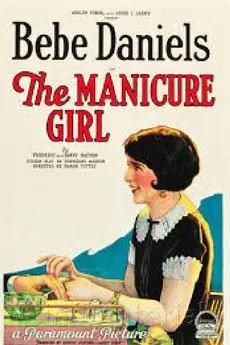
Is The Manicure Girl worth watching today? Short answer: yes, but with significant caveats. This 1925 silent drama, starring the luminous Bebe Daniels, offers a fascinating, if sometimes frustrating, window into the societal anxieties and moral codes of the Jazz Age. It's a film best suited for silent cinema aficionados, film historians, and anyone curious about early portrayals of female independence and class struggle.
Those accustomed to modern pacing, complex character arcs, or progressive narratives might find its earnest simplicity a challenge. It asks for patience, rewarding those willing to engage with its particular brand of melodrama.
This film works because of Bebe Daniels' captivating performance, which grounds the melodramatic narrative in genuine human emotion, making Maria's internal struggles palpable even without dialogue. Her ability to convey subtle shifts in resolve and burgeoning curiosity is truly remarkable.
This film fails because its moralizing often feels heavy-handed and its resolution, while tidy, sidesteps deeper character development, particularly for Antonio, who remains largely a caricature of thrift. The narrative's insistence on a clear-cut 'right' path can feel dated.
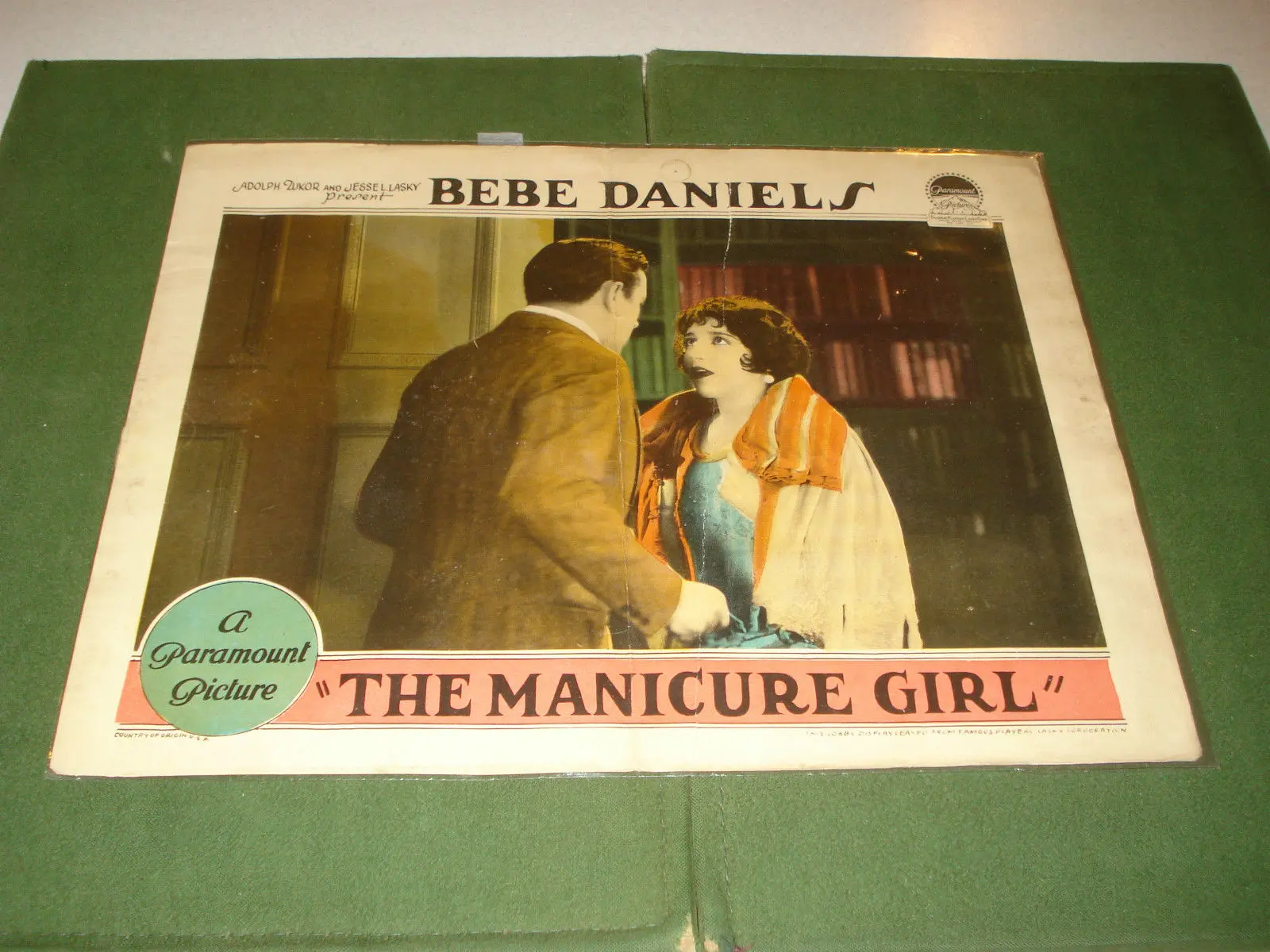
You should watch it if you appreciate the unique artistry of silent-era filmmaking, are interested in how social class and gender roles were depicted nearly a century ago, or are a fan of Bebe Daniels, whose star power is undeniable here. Her presence alone elevates the material.
Directed by Frank P. Strayer, The Manicure Girl plunges us into the life of Maria Maretti (Bebe Daniels), a working-class woman whose engagement to the well-meaning but frugal electrician, Antonio Luca (Edmund Burns), is tested by the temptations of wealth. This isn't just a simple love triangle; it's a commentary on aspiration, economic vulnerability, and the rigid social expectations placed upon women in the 1920s.
When wealthy hotel guest James Morgan (Hale Hamilton) takes an interest in Maria, offering her money for theater tickets after she rebuffs his direct advances, the film sets its central conflict in motion. Maria, despite her initial moral qualms and Antonio's vehement objections, accepts the money. This single decision acts as a catalyst, propelling her into a world of perceived glamour and real danger.
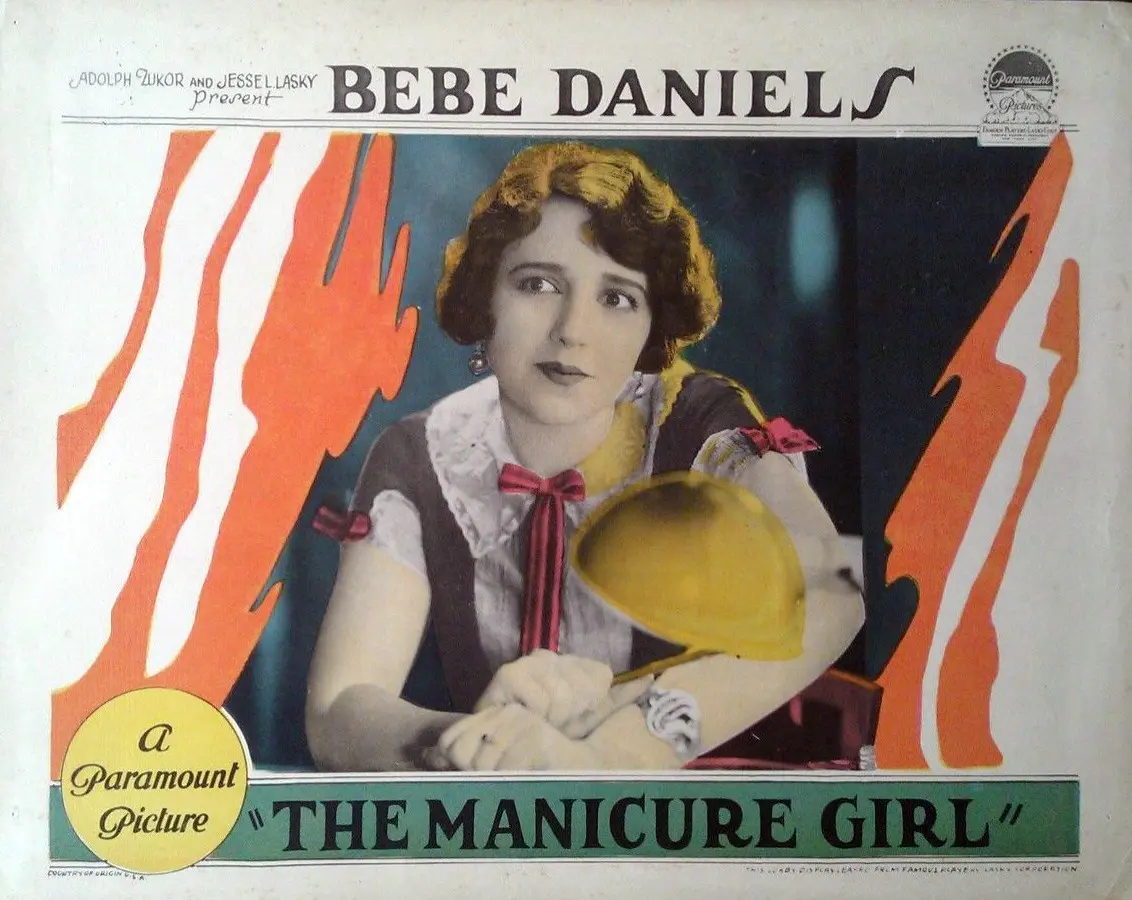
Bebe Daniels, a prolific star of both the silent and early sound eras, delivers a performance that is undoubtedly the film's strongest asset. She portrays Maria with a compelling blend of innocence, ambition, and burgeoning self-awareness. It's a nuanced turn that transcends the often simplistic characterizations of the time.
Consider the scene where Maria first accepts Morgan's ten dollars. Daniels doesn't play it as purely greedy; there's a flicker of fascination in her eyes, a curiosity about a life beyond the confines of her beauty shop. Her expressions, from subtle shifts in gaze to the slight tightening of her lips, convey a complex inner monologue that modern dialogue would struggle to capture.
Her ability to shift from wide-eyed wonder to quiet indignation, particularly when she discovers Morgan's marital status, is a masterclass in silent acting. Daniels doesn't merely react; she embodies Maria's evolving understanding of her situation, making her journey feel remarkably authentic despite the melodramatic trappings.
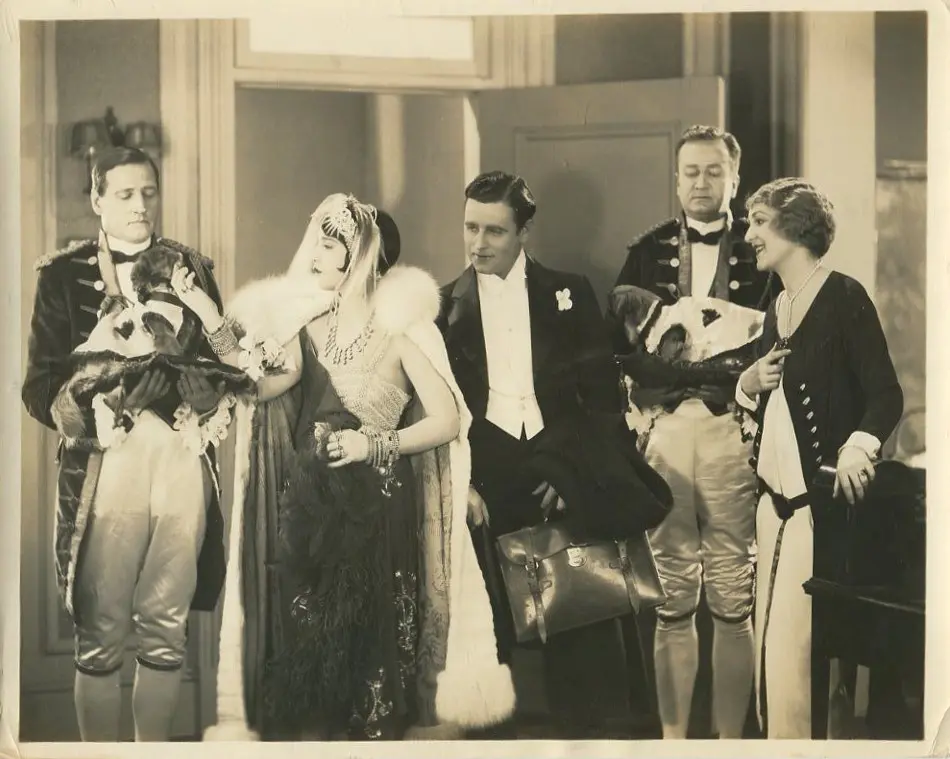
Edmund Burns, as Antonio, struggles to match Daniels' depth. His portrayal often leans into caricature, particularly in the infamous hat-chasing scene. While intended to highlight his miserliness and provide comic relief, it inadvertently diminishes Antonio's appeal as a romantic lead. Dorothy Cumming and Charlotte Walker, as Morgan's wife and Maria's colleague respectively, offer solid, if less memorable, supporting turns.
Frank P. Strayer's direction, while not groundbreaking, is competent and effective. He understands the power of visual storytelling inherent to the silent medium. The film makes good use of close-ups to emphasize character emotions, particularly Daniels', and employs well-composed medium shots to establish social dynamics.
The pacing is brisk for a silent film, avoiding the languid stretches sometimes found in features of the era. This keeps the narrative engaging, even when the plot points become predictable. The editing, while straightforward, serves the story efficiently, moving from one dramatic beat to the next without unnecessary fuss.
Cinematography, while not pushing artistic boundaries like some of F.W. Murnau's work in The Doom of Darkness, is functional and clear. The lighting effectively distinguishes between the opulent hotel settings and Maria's more modest home, subtly reinforcing the class divide central to the plot. There's a particular shot of Maria looking out from the hotel, almost dreaming, that captures her yearning for something more – a powerful, wordless moment.
The tone oscillates between light romantic comedy, especially in the early scenes with Antonio, and more serious melodrama as Maria's entanglement with Morgan deepens. This tonal shift, while sometimes abrupt, mirrors Maria's own journey from naive contentment to a more jaded understanding of the world. It works. But it’s flawed.
One of the film's most glaring issues lies with the character of Antonio. He is presented as Maria's 'safe' choice, the dependable, if somewhat dull, working man. However, his frugality is often portrayed as outright stinginess, bordering on mean-spiritedness. His refusal to pay for a taxi, leading to the undignified chase after his hat, is meant to be a moment of comedic exasperation but ultimately makes him less sympathetic.
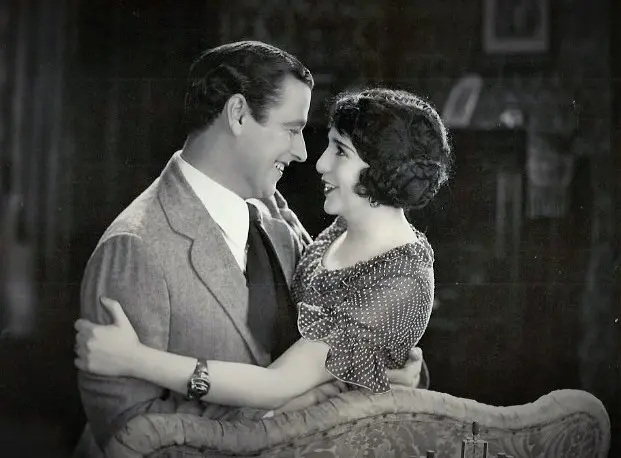
It's hard to reconcile Maria's ultimate return to Antonio as a truly satisfying romantic resolution. While the film clearly intends to laud his 'honest' values over Morgan's 'deceptive' wealth, it never quite convinces the audience that Antonio is a truly desirable partner. His repentance at the end feels less like a profound change of heart and more like a convenient plot device to restore the moral order.
“The film, despite its conservative ending, inadvertently highlights Maria's surprising agency and intelligence in navigating a morally ambiguous situation, rather than simply being a passive victim of circumstances.”
This is where the film's commitment to a traditional moral framework becomes its biggest limitation. It prioritizes the reaffirmation of established values over complex character development, particularly for its male leads. The message is clear: stick to your own class, and beware of the gilded cage. While understandable for its era, it creates a less compelling narrative for modern audiences.
For those who appreciate silent cinema, The Manicure Girl offers genuine value. It's a well-produced example of early Hollywood filmmaking, showcasing the star power of Bebe Daniels and providing a window into societal concerns of the time.
It serves as an excellent historical document, illustrating how class anxieties and gender roles were explored in popular entertainment. The film's moral message, while dated, is a fascinating artifact of its period.
However, if you're new to silent films or prefer narratives with more nuanced moral landscapes, this might not be the best entry point. Its conservative resolution and somewhat one-dimensional male characters can be a hurdle.
The plot, while engaging, follows a fairly predictable arc. There are no major surprises for contemporary viewers familiar with similar melodramas. Yet, Daniels' performance alone makes it a worthwhile watch for anyone interested in classic Hollywood acting.
The Manicure Girl is more than just a historical curiosity; it's a compelling, if imperfect, silent film that holds its own thanks largely to its star. Bebe Daniels anchors the melodrama with a performance that is both authentic and captivating, allowing us to empathize with Maria's struggle between aspiration and loyalty. While the film's moral framework feels decidedly of its time, and its resolution for the central romance is somewhat unconvincing, it remains a worthwhile watch for those willing to engage with its unique charms.
It's a testament to the power of silent cinema to convey complex human emotions without a single spoken word. Don't expect a profound deconstruction of class or gender, but do expect to be entertained by a slice of 1920s life, beautifully brought to the screen by one of its brightest stars. It's a solid recommendation for its target audience, offering a genuine glimpse into a bygone era of filmmaking.
IMDb 6
1934
Community
Log in to comment.