DbcultAccessing Vault...
5.8/10
Senior Film Conservator
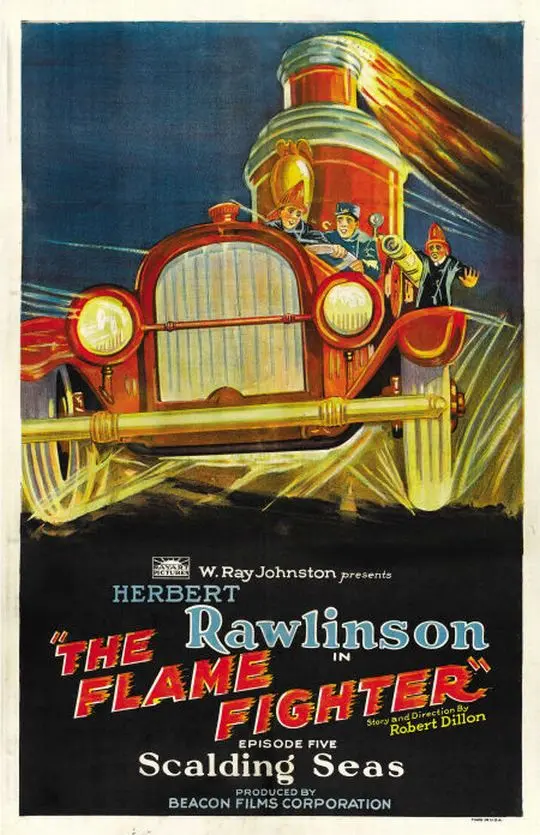
A definitive 5.8/10 rating for a film that redefined the boundaries of cult cinema. The Flame Fighter remains a cornerstone of transgressive art.
To witness The Flame Fighter in its native celluloid habitat is to experience a bygone era’s fascination with the raw, unmediated power of disaster. Produced by Rayart Pictures, a studio often relegated to the peripheries of cinematic history, this ten-chapter serial emerges not as a relic, but as a pulsating artery of early action cinema. While contemporary audiences might gravitate toward the slapstick levity found in shorts like All Wet, Robert Dillon’s script for this firefighting epic demands a different kind of attention—one that respects the gravity of the urban inferno.
The 1920s were a period of frantic expansion for the American city, and with that growth came the omnipresent fear of conflagration. Jerome La Grasse, portraying our central protagonist, doesn't merely act; he occupies the frame with a rugged, soot-stained authenticity that predates the polished artifice of later Hollywood stars. His movements are dictated by the frantic rhythm of the fire line, a stark contrast to the social maneuvering seen in Breaking Into Society. Here, the stakes are not social standing, but survival in its most elemental form.
Structure is the skeleton upon which the flesh of suspense is hung. In The Flame Fighter, the chapter-play format is utilized with a surgical precision that many modern blockbusters have forgotten. Each installment is a crescendo of tension. Unlike the melodramatic pacing of Madame X, where the emotional beats are drawn out over a feature-length runtime, this serial delivers its punches in rapid succession. We see the influence of the 'Big City' as a character itself—a sprawling, indifferent beast that swallows the weak and challenges the brave.
"The fire is not merely an obstacle; it is a moral test, a cleansing force that reveals the true character of those who dare to stand against it."
The ensemble cast, featuring Eddie Fetherston and Florence Lee, provides the necessary human grounding for the technical spectacles. Fetherston, in particular, offers a performance that balances the high-octane action with a sense of camaraderie that was essential to the firefighting mythos of the time. This isn't the whimsical adventuring found in Hello, Mars!; this is the grit and grime of the precinct, the heavy lifting of the hose, and the constant threat of the roof collapsing overhead.
One cannot discuss The Flame Fighter without acknowledging the sheer bravery of its cinematography. In an era before sophisticated CGI, fire was real, dangerous, and notoriously difficult to photograph. The cinematographers here capture the roiling clouds of smoke with a density that feels tactile. There is a specific visual grammar at play—the use of high-angle shots to emphasize the vulnerability of the firemen against the scale of the blaze, and the tight close-ups on Jerome La Grasse’s face, where the sweat and ash tell a story more profound than any title card could convey.
When compared to the nautical perils of Save the Ship, the dangers in this serial feel more claustrophobic. The city streets become canyons of flame, trapping the characters in a geography of heat. This mastery of space and movement is what separates a Rayart production from the more generic output of the 1920s. There is a rhythmic quality to the editing, a precursor to the montage techniques that would later define Soviet cinema, though here it is used to serve the visceral needs of the thriller genre.
Robert Dillon’s writing often gets overlooked in favor of the visual spectacle, but his ability to weave a coherent thread through ten disparate chapters is commendable. He avoids the narrative pitfalls of many contemporary serials that rely on repetitive 'save the damsel' tropes. While Brenda Lane and Dorothy Donald are certainly in need of rescue at various intervals, their presence in the script serves to heighten the emotional stakes of the firemen’s duty. It is a more complex social dynamic than the straightforward comedic misunderstandings of Smarty.
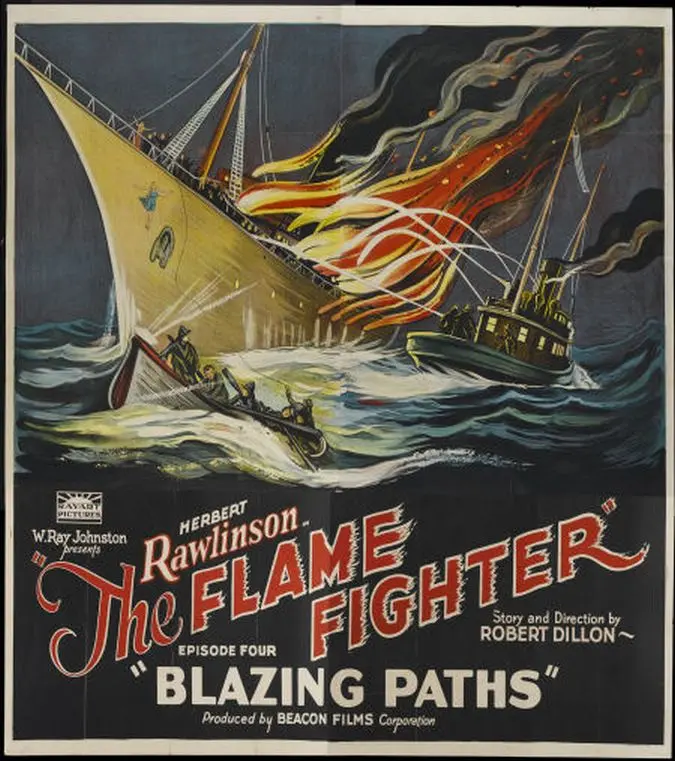
Furthermore, the inclusion of actors like Purnell Pratt and Herbert Rawlinson adds a layer of gravitas to the production. These were performers who understood the weight of the silent frame. Their interactions provide a counterpoint to the action, exploring the bureaucratic and often corrupt underpinnings of the city’s infrastructure. This thematic depth brings to mind the social critiques found in Cheating the Public, suggesting that the 'flame' being fought is not just physical, but systemic.
To fully appreciate the scope of The Flame Fighter, one must view it through the lens of its contemporaries. While Under Crimson Skies dealt with the vastness of the horizon and the fury of the storm, Dillon’s work is focused on the verticality of the urban experience. The ladders reaching toward the sky, the fire escapes becoming precarious paths to salvation—these are the icons of the 1920s metropolis. Even the more lighthearted fare of the time, such as Felix Puts It Over, couldn't help but reflect the era’s obsession with technological progress and its unintended consequences.
The serial also stands in sharp contrast to the domestic dramas like Ever Since Eve or the exoticized narratives of King Tut-Ankh-Amen's Eighth Wife. Those films sought to transport the audience to different worlds or social spheres; The Flame Fighter instead forces the audience to confront the dangers of their own backyard. It is a cinema of the immediate, a document of the bravery required to inhabit the modern world.
Rayart Pictures may not have the prestige of Paramount or MGM, but in The Flame Fighter, they captured something essential about the American spirit. The film reflects a time when the firefighter was the ultimate secular saint, a figure of pure altruism in a city of greed. This thematic resonance is perhaps why the serial feels more substantial than the breezy comedies of Reno or Bust or the theatrical adaptations like The Chorus Lady.
The cinematography, though limited by the equipment of 1925, shows a sophisticated understanding of light and shadow. The way the fire illuminates the faces of the crowd, turning the onlookers into a Greek chorus of anxiety, is a masterstroke of visual storytelling. It reminds one of the stark, atmospheric beauty found in Scandinavian works like Hemsöborna, though transplanted into the steel and stone of the American East Coast.
Ultimately, The Flame Fighter is a celebration of the human element within the industrial machine. It is about the men who run toward the danger when everyone else is running away. As the chapters unfold, the serial builds toward a climax that is both a physical triumph and a narrative resolution, leaving the viewer exhausted but exhilarated. It is a testament to the power of the early serial format—a format that understood the value of the 'to be continued' and the enduring allure of the hero in the heat of the fray.
Final Verdict: A scorched-earth masterpiece of the silent era that deserves a place in the pantheon of urban thrillers. The Flame Fighter is a reminder that before there were superheroes, there were men with hoses and the courage to face the dark.

IMDb 5.1
1935
Community
Log in to comment.