DbcultAccessing Vault...
Cult Review
Senior Film Conservator
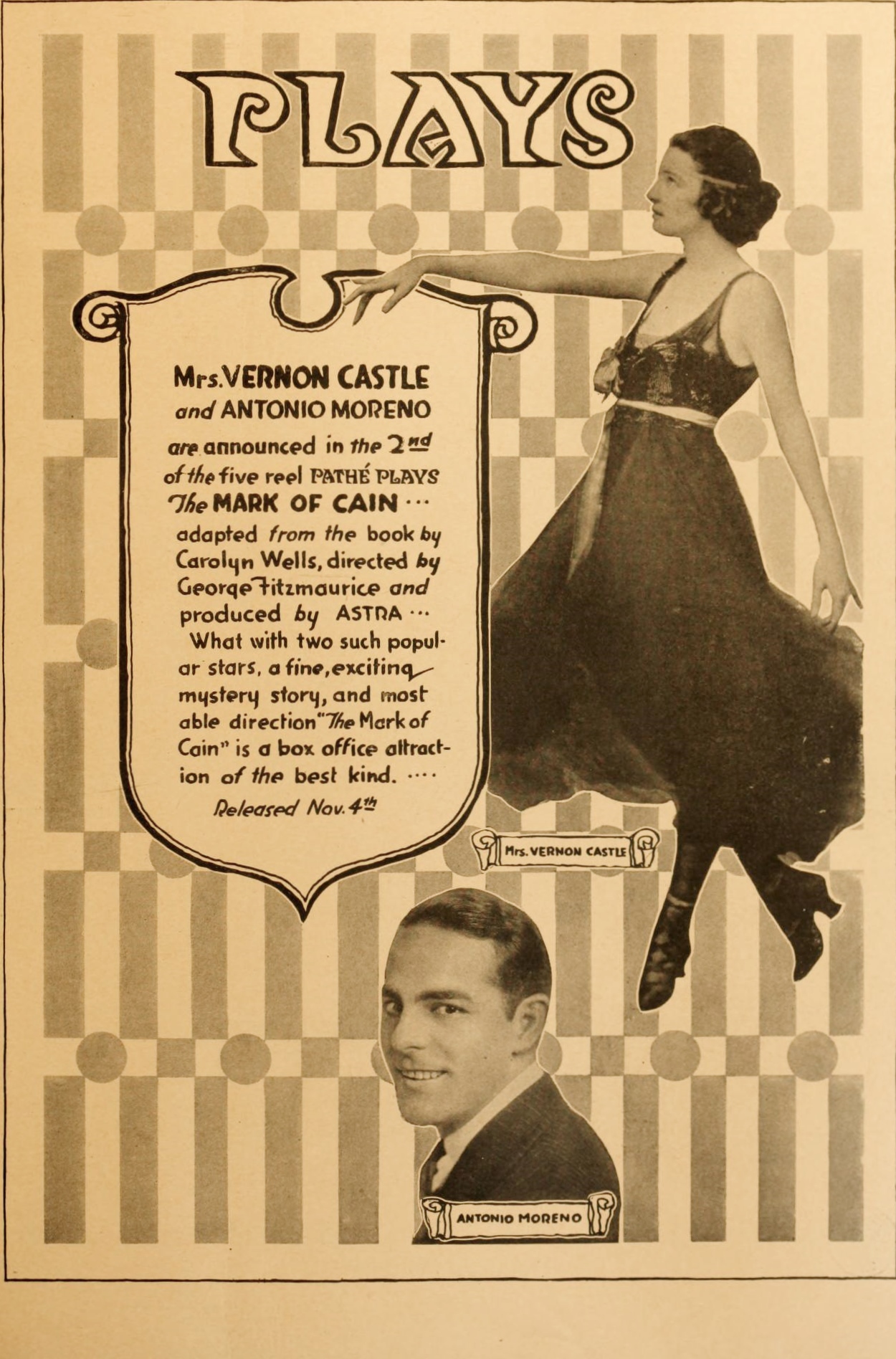
Stepping back into the nascent days of cinematic storytelling, 1917 offered audiences a burgeoning tapestry of narratives, often imbued with melodramatic flair and moral clarity. Among these early gems, The Mark of Cain emerges as a compelling artifact, a silent film that, despite its age, still pulsates with the timeless anxieties of false accusation, illicit desire, and the relentless pursuit of justice. It's a film that, like many of its contemporaries, relied on the potent language of gesture, expression, and meticulously crafted intertitles to weave a tale of treachery and ultimate vindication, proving that even without spoken dialogue, a narrative could grip and enthrall. The year 1917 itself was a crucible for the film industry, a period where the foundational grammar of cinema was being firmly established, and this particular production stands as a testament to the era's ambition to craft intricate, emotionally resonant thrillers.
The narrative plunges us headfirst into a world upended by the sudden, perplexing demise of old Trowbridge. His passing is not merely a tragedy but a catalyst for a labyrinthine ordeal that ensnares his nephew, Kane Langdon, portrayed with earnest conviction by Antonio Moreno. Moreno, a prominent leading man of the era, masterfully conveys Kane's initial bewilderment and subsequent despair as the machinery of the law, seemingly inexorable, grinds him towards an unjust conviction. The initial scenes are a masterclass in silent film exposition, using a combination of dramatic framing and expressive acting to establish the gravity of the situation and the immediate, crushing weight of public and legal suspicion. Kane's plight resonates deeply, tapping into a universal fear of being condemned for a crime one did not commit. This theme of wrongful accusation was a recurring motif in early cinema, often serving as a potent dramatic engine, much like in films such as The Man Behind the Curtain, where hidden forces orchestrate a protagonist's downfall.
Yet, not all hope is lost. Enter Alice, Trowbridge's adopted daughter, brought to life by the luminous Irene Castle. Castle, a celebrated dancer and fashion icon of her time, imbues Alice with a spirited determination that transcends the typical damsel-in-distress trope. Her unwavering belief in Kane's innocence fuels a relentless quest for truth, even when all evidence seems to conspire against him. Alice's initial efforts to clear Kane's name are met with the frustrating intransigence of the legal system, a portrayal that, while perhaps simplified for dramatic effect, still captures the helplessness one might feel against institutional power. Her resilience is a central pillar of the film's emotional landscape, a beacon of loyalty in a darkening world. This portrayal of a strong female protagonist actively pursuing justice, rather than passively awaiting rescue, marked a significant, albeit gradual, shift in cinematic representations of women, echoing the nascent feminist movements gaining traction in society at large.
The narrative takes a thrilling turn when Kane, facing an insurmountable wall of circumstantial evidence, makes a daring escape from the clutches of the law. This act transforms him from a passive victim into an active participant in his own vindication. It's at this juncture that Alice, rather than abandoning him, chooses to join forces, forming an unlikely yet formidable investigative duo. Their clandestine partnership is a testament to the strength of their bond and their shared commitment to uncovering the truth. The film skillfully navigates the tension of their fugitive status, employing chase sequences and moments of narrow escape that, while perhaps less technically sophisticated than modern thrillers, effectively build suspense for a 1917 audience. The visual storytelling here relies heavily on the actors' physical performances and the careful staging of scenes to convey the urgency and danger of their situation.
Their joint investigation becomes a meticulous unraveling of deceit, a slow but steady chipping away at the carefully constructed facade of the real culprit. This section of the film is where the detective work, albeit simplified, truly shines. Alice and Kane, driven by desperation and a thirst for justice, piece together clues that the official channels overlooked or dismissed. It’s a classic trope, the amateur sleuths outwitting the establishment, but presented here with a sincere charm that is characteristic of early cinema. The narrative builds momentum as they close in on the truth, creating a palpable sense of anticipation for the audience. The chemistry between Moreno and Castle is subtle but effective, their shared glances and determined actions speaking volumes in the absence of dialogue, conveying a deepening affection born from shared peril. Their journey mirrors the thematic explorations of films like A Mexican Mine Fraud; or, The Game That Failed, where the uncovering of elaborate schemes drives the plot forward.
The true villain, when revealed, is a masterstroke of dramatic irony: Judge Hoyt, portrayed by J.H. Gilmour. Hoyt is not a shadowy stranger but a seemingly trusted confidante of Trowbridge and, more sinisterly, an ardent admirer of Alice. Gilmour’s portrayal of Hoyt is chilling, capturing the facade of respectability that cloaks a heart brimming with avarice and a twisted sense of entitlement. The revelation that Hoyt not only committed the murder but also meticulously forged Trowbridge's will to ensure Alice would only inherit if she married him is a truly shocking twist, even for modern audiences accustomed to complex villainy. This plot device, where a character's future is tied to a coerced marriage for financial gain, was a powerful and often tragic element in many narratives of the era, reminiscent of the societal pressures explored in films like Bespridannitsa, though The Mark of Cain frames it within a more direct crime and punishment framework.
Hoyt's motivations are a fascinating study in early cinematic villainy. He is not merely driven by greed, but by a possessive desire for Alice, which he seeks to legitimize through a fraudulent inheritance scheme. This adds a layer of psychological complexity to his character, making him more than a one-dimensional antagonist. The film cleverly uses the contrast between his public persona as a respected judge and his private depravity to heighten the dramatic impact of his eventual exposure. The confrontation scene, where Alice and Kane present their irrefutable evidence, is the film's climactic peak. Gilmour's performance during this sequence is crucial; his composure unravels, giving way to a raw, visceral confession that vindicates Kane and exposes the depths of Hoyt's depravity. It’s a moment of profound emotional release, both for the characters and the audience, as justice, long delayed, finally asserts itself. The cunning and meticulous planning of Hoyt put him in the league of cinematic masterminds, akin to the titular character in The Master Mind, though Hoyt's ultimate downfall highlights the futility of even the most elaborate criminal schemes against persistent truth-seekers.
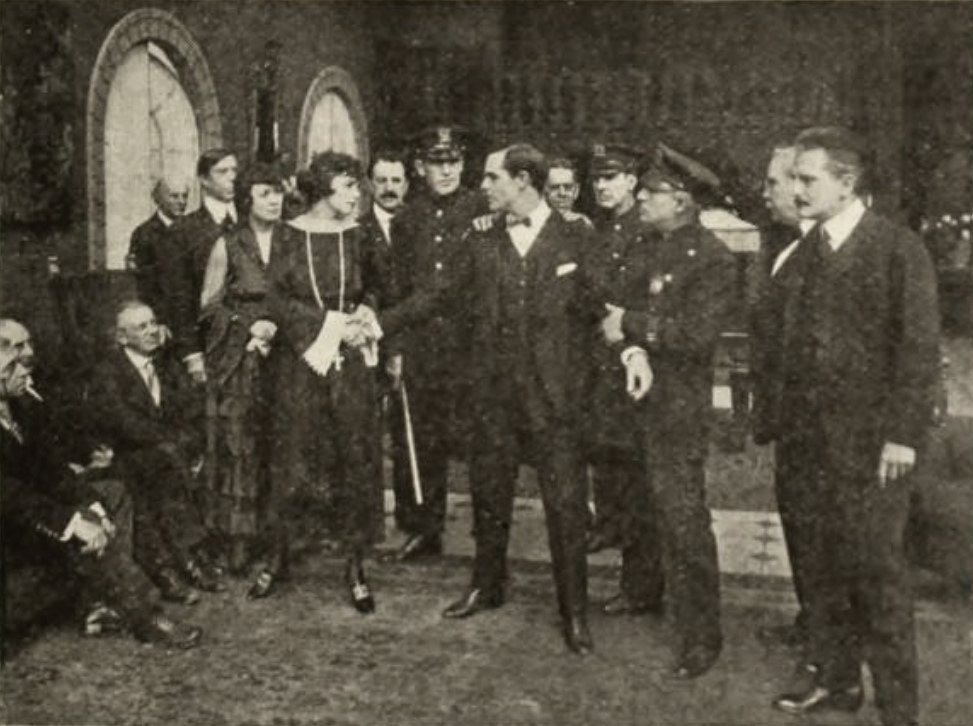
The success of any silent film hinges on the ability of its actors to communicate emotion and narrative through physicality and facial expression. Antonio Moreno, as Kane Langdon, embodies the wronged hero with a compelling blend of vulnerability and resolve. His large, expressive eyes and deliberate gestures convey the anguish of accusation, the terror of escape, and the burgeoning hope of vindication. He avoids the overly theatrical tendencies sometimes seen in early cinema, opting for a more nuanced, relatable portrayal that grounds the melodrama in genuine human feeling.
Irene Castle, a figure of immense public fascination at the time, brings a captivating grace and strength to Alice. Her movements are fluid, reflecting her background as a dancer, and she uses her posture and gaze to project both fierce loyalty and sharp intellect. Alice is not a passive object of affection but an active agent in her own destiny and Kane's liberation, and Castle's performance ensures this agency is palpable. Her portrayal offers a glimpse into the evolving roles for women in early cinema, moving beyond mere decorative presence to characters of significant narrative impact. J.H. Gilmour, as Judge Hoyt, delivers a memorable performance of villainy. His ability to shift from an outwardly benevolent, respected figure to a desperate, cornered criminal is chilling. He employs subtle shifts in expression and body language to hint at the darkness beneath the surface, making his eventual confession all the more impactful. The ensemble's collective ability to convey a complex emotional spectrum without a single spoken word is a testament to the unique artistry of silent film acting.
The technical aspects of The Mark of Cain, while rudimentary by today's standards, showcase the ingenious methods filmmakers employed to tell stories in the silent era. The direction, though not attributed to a specific individual in the provided information, demonstrates a clear understanding of cinematic grammar. Camera angles are often straightforward, but effective in establishing character relationships and dramatic tension. Intertitles are used judiciously, providing essential dialogue and narrative bridges without overwhelming the visual flow. The pacing is deliberate, allowing the audience to absorb the emotional weight of each scene and the unfolding complexities of the plot.
Set design and costume play a crucial role in establishing the film's atmosphere and period authenticity. The Trowbridge estate, for instance, evokes a sense of old-world wealth and respectability, providing a stark contrast to the sordid crime committed within its walls. The costumes worn by Irene Castle are particularly noteworthy, reflecting the cutting-edge fashion of the late 1910s and adding another layer of visual appeal. The overall visual aesthetic contributes significantly to the film's ability to transport the viewer to its specific time and place, making the melodrama feel grounded in a tangible reality. The use of light and shadow, though perhaps not as stylized as later German Expressionist films, is employed to create mood and emphasize dramatic moments, particularly during the scenes of investigation and confrontation. This early mastery of visual communication, sans dialogue, is what makes films like The Mark of Cain enduringly fascinating.
At its core, The Mark of Cain is a powerful morality play, exploring perennial themes that continue to resonate. The most prominent is, of course, the relentless pursuit of justice against overwhelming odds. Kane's struggle and Alice's unwavering support underscore the importance of truth and integrity. The film champions the idea that even when the legal system falters, individual determination can prevail in uncovering deceit. This enduring message speaks to a universal human yearning for fairness and accountability, a sentiment that transcends the specific historical context of the film.
Furthermore, the film delves into the corrupting influence of greed and unchecked desire. Judge Hoyt's actions are driven by a poisonous cocktail of avarice and a twisted, possessive love. His willingness to commit murder and forge a will to satisfy his desires serves as a stark warning about the destructive power of such vices. The narrative, therefore, functions not just as a thrilling mystery but also as a cautionary tale, reinforcing societal values of honesty and selflessness. The blossoming romance between Alice and Kane, forged in the crucible of shared adversity, provides a counterpoint to Hoyt's darkness, suggesting that genuine love and loyalty can withstand the most trying of circumstances. Their final embrace, a classic silent film resolution, signifies not just personal happiness but the triumph of moral order. The film's examination of societal ills and personal integrity finds parallels in other works of the era, such as Strejken, which tackled broader social commentary, albeit through a different lens.
More than a century after its release, The Mark of Cain offers a fascinating window into the early days of cinematic narrative. It showcases the burgeoning sophistication of plot construction, character development, and visual storytelling that characterized the silent era. For enthusiasts of film history, it's a valuable relic, demonstrating how foundational genres like the murder mystery and the romantic thriller were being shaped. Its reliance on strong emotional performances and clear narrative progression ensures that its story remains accessible and engaging, even for viewers unaccustomed to the unique conventions of silent cinema.
While some aspects might appear quaint or melodramatic to modern sensibilities, the film's core themes of justice, betrayal, and the triumph of good over evil are eternal. It reminds us that the fundamental human experiences that drive compelling narratives haven't changed, only the technological means of telling them. Viewing The Mark of Cain today is not merely an exercise in historical appreciation but an opportunity to connect with the raw, potent storytelling that laid the groundwork for all cinema that followed. It's a testament to the ingenuity of early filmmakers who, with limited tools, managed to craft narratives that continue to captivate and provoke thought, proving that the silent screen possessed an eloquence that still speaks volumes across the decades.
IMDb 7.2
1925
Community
Log in to comment.