DbcultAccessing Vault...
8.8/10
Senior Film Conservator
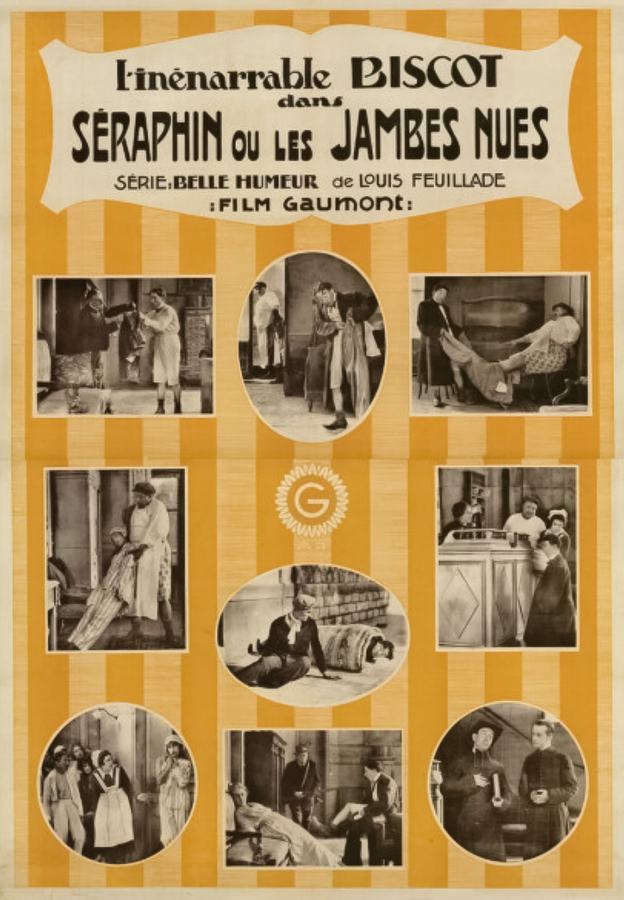
A definitive 8.8/10 rating for a film that redefined the boundaries of cult cinema. Séraphin ou les jambes nues remains a cornerstone of transgressive art.
When Séraphin, the put-upon protagonist of Séraphin ou les jambes nues, finds himself striding through the Parisian boulevard in a state of undress, the film pivots from farce to philosophical inquiry. This 1920s vaudeville, part of the 'Great Mood' series, is less a conventional narrative than a masterclass in visual and performative dissonance. Georges Biscot, as Séraphin, embodies the archetype of the petit bourgeois—a man whose identity is inextricably tied to his attire, his composure, and his rigid adherence to societal norms. The stripping of his pants is not merely a gag; it is a symbolic exhumation of the soul, a literalizing of the Freudian slips that underpin human behavior.
From the opening scene, where Séraphin’s meticulous grooming rituals clash with the chaos of a bustling street vendor’s stall, the film establishes its preoccupation with performance. Jeanne Rollette’s character, a woman of contradictions both sharp-tongued and tender-hearted, mirrors Séraphin’s internal disarray. Her interactions with him are a dance of miscommunication, where every line delivery seems to veer between earnestness and parody. The film’s script—though uncredited to specific writers—bears the fingerprints of a generation steeped in the theatrical traditions of Molière and the burgeoning surrealism of the Dadaists. Scenes unfold like stage plays within a play, complete with painted backdrops and exaggerated gestures, yet the emotional core remains startlingly raw.
The moment Séraphin loses his pants is rendered with the gravity of a tragic hero’s downfall. The film’s comedic genius lies in its refusal to treat this incident as a mere punchline; instead, it spirals into a grotesque odyssey. As Séraphin attempts to navigate a world that now sees him as a spectacle, the film explores the psychological toll of public shame. His journey mirrors the protagonist of The Ouija Board—another tale of characters grappling with forces beyond their control—but here, the horror is not supernatural but social. The humiliation is visceral, the pathos inescapable.
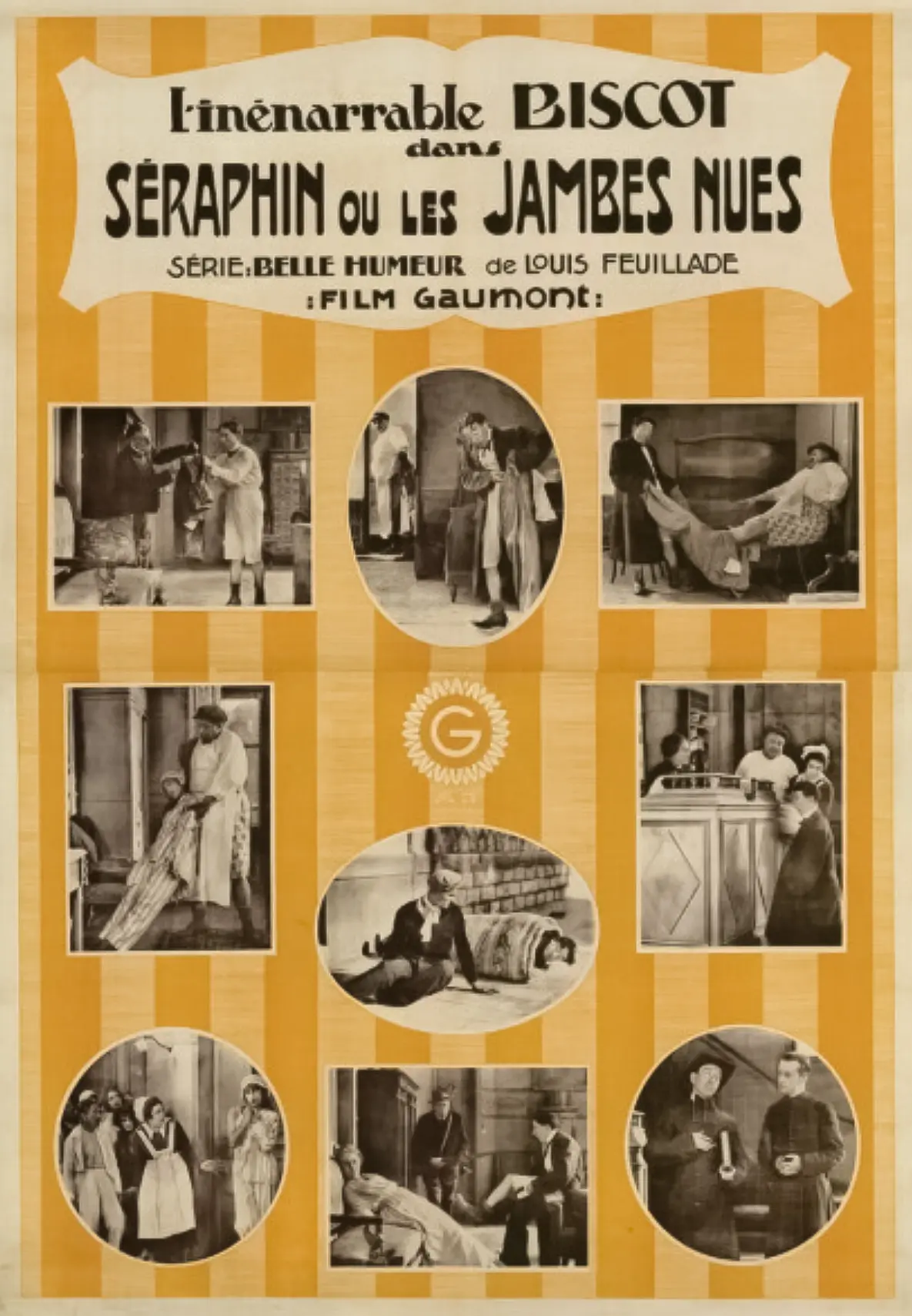
Reynier and Henri-Amédée Charpentier, as two bumbling antagonists, embody the antithesis of Séraphin’s dignity. Their antics—a string of botched plots involving a stolen garter (see The Garter Girl) and a misdelivered love letter—serve as both comic relief and narrative engine. The film’s pacing is frenetic, yet every gag lands with precision, a testament to the era’s mastery of silent film comedy. The use of intertitles is minimalist, allowing the actors’ physicality to carry the weight of the narrative. Blanche Montel’s mournful glances and Émile André’s sudden outbursts of rage add layers of emotional texture to what could have been a one-dimensional farce.
The film’s themes of identity and exposure find parallels in later works like Humoresque and Camille (1921), though here the tone remains firmly rooted in satire. The recurring motif of the body as a site of social judgment—whether through Séraphin’s bare legs or the garter subplot—anticipates the body horror of the surrealists. Yet, unlike The Hidden Hand, which uses the supernatural to critique human greed, Séraphin relies on the inherent absurdity of its premise. The film’s climax, in which Séraphin’s trousers return—only for a new scandal to erupt—suggests that the cycle of embarrassment is as eternal as the human condition.
Though Séraphin ou les jambes nues is a product of the 1920s, its DNA courses through modern cinema. The farcical structure owes a debt to The Prince Chap, while its exploration of class anxieties foreshadows the works of His Wife's Friend. Yet it remains unique in its unflinching commitment to the vaudeville form. The film’s aesthetic—a blend of painted sets and candid street scenes—creates a dreamlike quality, as if the world itself is colluding in Séraphin’s humiliation. For modern audiences, the film is a time capsule of a bygone theatricality, yet its insights into the fragility of social masks feel startlingly contemporary.
IMDb —
1920
Community
Log in to comment.