DbcultAccessing Vault...
Cult Review
Senior Film Conservator
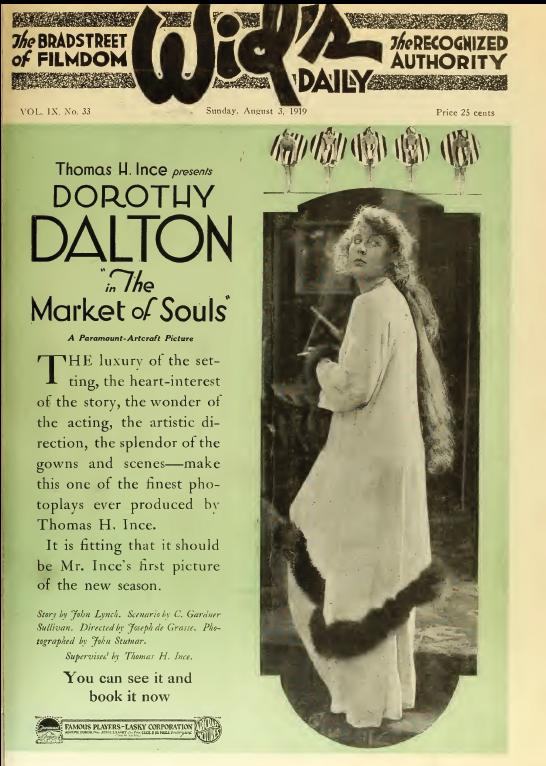
Stepping back into the cinematic currents of a bygone era often reveals more than just archaic storytelling; it unearths foundational narratives that continue to resonate with a surprising, almost prophetic, clarity. Such is the case with The Market of Souls, a film that, despite its vintage, speaks volumes about the eternal clash between bucolic simplicity and urban complexity. It’s a compelling journey into the heart of a burgeoning modern world, where the very fabric of identity and morality undergoes a profound re-evaluation under the bright, often unforgiving, lights of the big city. This isn't merely a quaint historical artifact; it's a mirror reflecting the perennial human struggle to navigate ambition, temptation, and the relentless march of societal change.
John Lynch's screenplay for The Market of Souls masterfully sets the stage for a dramatic exploration of a familiar, yet endlessly fascinating, trope: the country girl's baptism by fire in the big city. Our protagonist, portrayed with an exquisite blend of vulnerability and burgeoning resilience by Dorothy Dalton, embarks on what she imagines will be a delightful respite among friends in the urban sprawl. Yet, what she encounters is far from the idyllic camaraderie she might have anticipated. The city, in Lynch's vision, is less a welcoming host and more a crucible, a vibrant, chaotic entity with its own distinct laws and ethics. It’s a place where the currency isn't merely monetary, but also social standing, reputation, and often, a piece of one's very soul. The film doesn't just present a contrast; it orchestrates a dramatic collision of worlds, forcing our heroine to confront a reality that challenges every preconceived notion of decency and success she holds dear. This narrative precision, a hallmark of powerful storytelling, elevates the film beyond a simple cautionary tale, transforming it into a nuanced observation of human adaptation and moral navigation.
The brilliance lies in how subtly, yet inexorably, the city's influence begins to permeate her consciousness. It's not an immediate corruption, but a gradual unveiling of a different kind of life, one where the lines between right and wrong blur, where pragmatism often trumps principle, and where appearances hold considerable sway. The friends she visits are not inherently malicious; rather, they are products of their environment, embodying the compromises and aspirations that define urban existence. Through their lives, our protagonist witnesses the transactional nature of relationships, the relentless pursuit of status, and the often-lonely struggle for authenticity amidst a sea of artifice. This narrative arc, while seemingly straightforward, is imbued with a psychological depth that belies the film's silent era origins, inviting audiences to ponder the true cost of 'progress' and 'sophistication'. It's a journey reminiscent of the stark societal critiques found in films like The Wasted Years, where individual destinies are inextricably linked to the broader moral landscape, or even the more direct confrontation with social pressures seen in Fifty-Fifty, where characters are forced to choose between personal integrity and societal expectations.
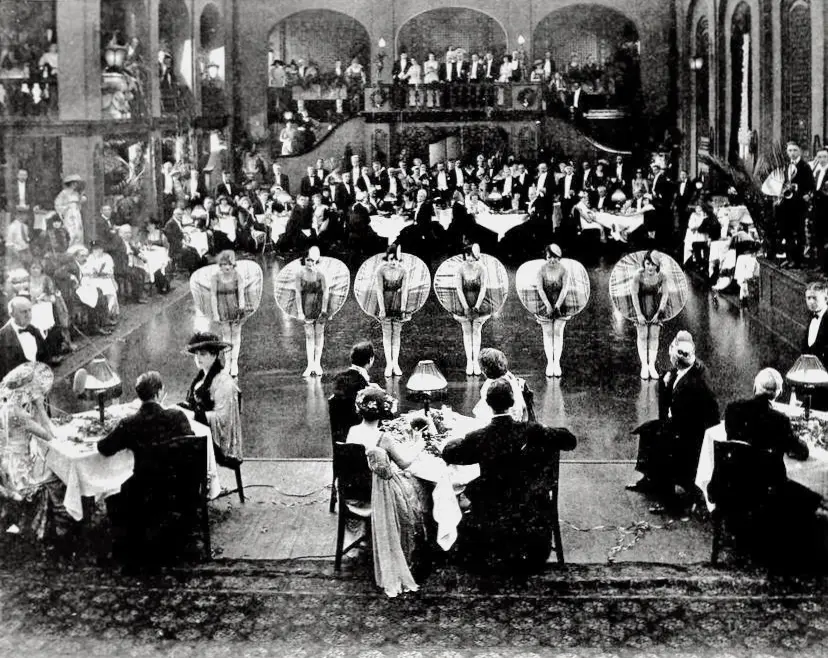
Dorothy Dalton, a prominent figure of her time, delivers a performance in The Market of Souls that is both nuanced and deeply affecting. Her portrayal of the country girl navigating the treacherous waters of urbanity is a masterclass in silent film acting. Without the crutch of dialogue, Dalton conveys a vast spectrum of emotions—from wide-eyed innocence and hesitant curiosity to profound disillusionment and eventual resolve—through her expressive eyes, subtle gestures, and carefully modulated physicality. She doesn't merely play a character; she inhabits the journey of a soul grappling with seismic shifts in her understanding of the world. Her initial naiveté is palpable, almost heartbreaking in its vulnerability, making her subsequent encounters with urban realities all the more impactful. As the narrative progresses, we witness a gradual hardening, a shedding of provincial idealism, replaced by a pragmatic understanding of the city's demands. Yet, crucially, Dalton ensures that the core integrity of the character remains, even as she adapts. This delicate balance prevents the character from becoming a mere victim, instead presenting her as a resilient individual capable of discerning truth amidst the glamour and grime.
The power of Dalton's performance lies in its authenticity. She avoids melodrama, opting instead for a portrayal that feels remarkably human and relatable, even a century later. One can almost feel the weight of her observations, the internal conflict as she processes the values and behaviors of her city-dwelling counterparts. Her reactions to the superficiality, the casual betrayals, and the transactional nature of relationships are conveyed with a quiet intensity that speaks volumes. This is a performance that underscores the often-underestimated artistry of silent film actors, whose ability to communicate complex emotional states purely through visual means was paramount. Dalton's presence anchors the film, providing a compelling focal point through which the audience experiences the narrative's moral quandaries. Her work here resonates with the powerful, often understated, emotional depth found in other silent era explorations of female agency and societal constraints, much like the quiet strength evident in characters from films such as Sleeping Fires, where inner turmoil is conveyed with profound subtlety.
The city in The Market of Souls is far more than a mere backdrop; it functions as a living, breathing character, exerting its influence over every individual within its sprawling embrace. It's a place of intoxicating allure, promising freedom, opportunity, and excitement unavailable in the quiet confines of rural life. Yet, beneath this glittering facade lies a darker reality, a relentless struggle for survival and status that can compromise even the most steadfast principles. The film subtly illustrates how the city shapes its inhabitants, molding their desires, dictating their choices, and often, testing the very limits of their moral fortitude. From the bustling streets to the opulent, yet perhaps hollow, drawing-rooms, every setting reinforces the narrative's central theme: the profound impact of environment on human character. The visual language of the film, even in its silent form, conveys this dichotomy with striking effectiveness, juxtaposing moments of metropolitan splendor with the underlying currents of desperation and moral ambiguity.
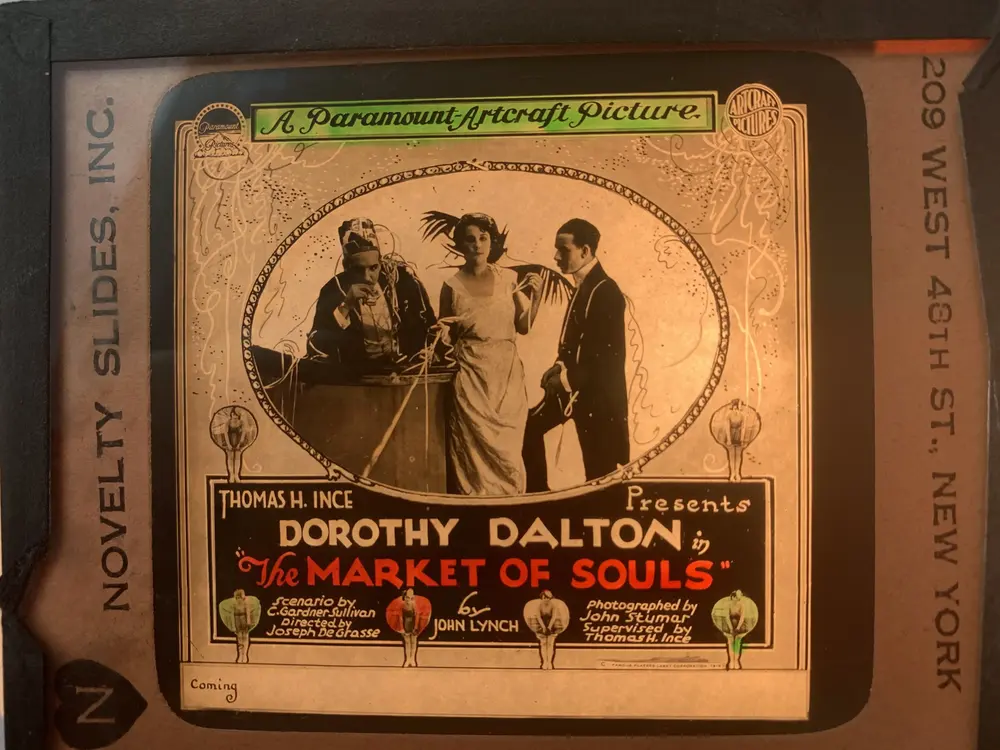
This portrayal of the city as a complex, almost sentient entity is a recurring motif in early cinema, reflecting the anxieties and fascinations of a society undergoing rapid urbanization. The Market of Souls captures this zeitgeist with remarkable clarity, presenting the metropolis as both a liberator and an ensnarer. It’s a place where anonymity can offer freedom, but also isolation; where ambition can lead to triumph, but also to moral bankruptcy. The film's brilliance lies in its refusal to offer simplistic judgments, instead presenting a multifaceted view of urban life through the eyes of an outsider. This nuanced perspective allows the audience to draw their own conclusions about the true nature of progress and the compromises inherent in modern existence. The city's pervasive influence, subtly depicted, reminds one of the overarching societal forces at play in films like Warning! The S.O.S. Call of Humanity, where the grand sweep of social issues impacts individual lives with inescapable force. Even in the more intimate settings, the city's presence is a constant, almost palpable, pressure.
While Dorothy Dalton rightfully commands the screen, the supporting cast provides crucial texture to the urban landscape she navigates. Philo McCullough, Donald MacDonald, Holmes Herbert, and Dorcas Matthews each contribute to the tapestry of characters that populate the city, embodying various facets of its moral spectrum. Their performances, though perhaps less central, are integral to illustrating the diverse array of lives and choices that define the metropolis. Whether they represent the city's charming deceivers, its well-intentioned but compromised inhabitants, or its unwitting victims, their collective presence enriches the narrative, providing the necessary foils and mirrors for Dalton's character. They are the friends and acquaintances who, through their own life choices, inadvertently guide the protagonist's understanding of this new world, sometimes serving as cautionary tales, other times as examples of resilience.
John Lynch, as the writer, deserves significant credit for crafting a narrative that, while rooted in a familiar premise, manages to explore its themes with depth and sensitivity. His screenplay avoids easy resolutions, opting instead for a more complex portrayal of moral awakening and the often-uncomfortable truths about human nature. Lynch's ability to imbue the simple plot of a country girl's visit with such thematic weight is a testament to his skill as a storyteller. He understands that the 'market of souls' isn't just a metaphor for urban decadence but a reflection of the choices individuals make when confronted with conflicting values. The script's strength lies in its capacity to provoke thought without being overtly didactic, allowing the audience to engage with the ethical dilemmas presented on screen. This narrative craftsmanship, focusing on the internal and external pressures on a character, finds echoes in films like The Dupe, where characters are similarly drawn into morally ambiguous situations through the machinations of others, highlighting the fragility of innocence in a complex world.
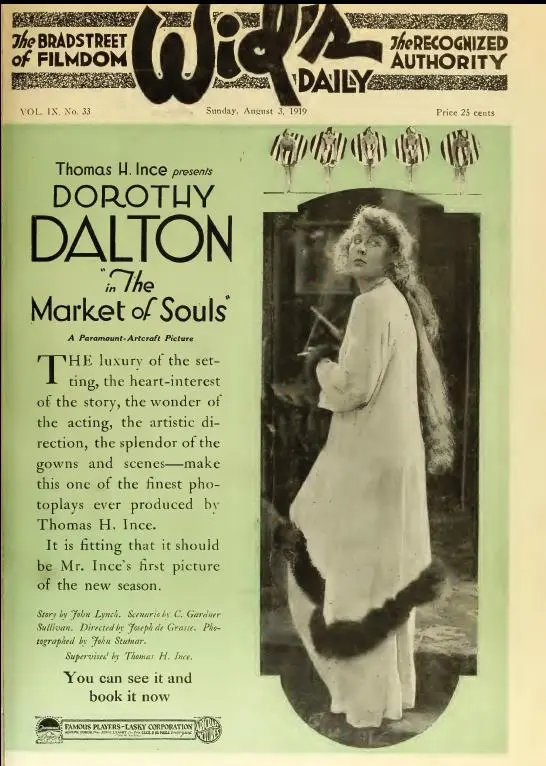
The Market of Souls, as a product of the silent era, offers a fascinating window into the concerns and artistic expressions of its time. Yet, its themes of innocence, temptation, and the corrupting or refining influence of environment transcend its historical context. The anxieties surrounding rapid urbanization, the changing roles of women, and the redefinition of societal values were palpable during the early 20th century, and films like this one served as vital cultural commentaries. While the visual language and pacing may differ from contemporary cinema, the emotional core remains remarkably accessible. The film's ability to communicate complex ideas and evoke profound empathy without spoken dialogue is a powerful reminder of cinema's universal language, proving that a well-crafted narrative, combined with compelling performances, can bridge temporal divides.
In an age saturated with digital spectacle and explicit dialogue, there's a unique pleasure and intellectual stimulation in engaging with a silent film of this caliber. It demands a different kind of viewership, one that actively participates in interpreting gestures, expressions, and visual cues, filling in the unspoken gaps with their own understanding. This active engagement enriches the viewing experience, making The Market of Souls not just a historical document, but a vibrant piece of art that continues to speak to modern audiences. Its exploration of the human condition, particularly the struggle to maintain authenticity in a world that constantly pressures conformity, is as relevant today as it was a century ago. It reminds us that while the 'market' may change its wares, the fundamental transactions of the soul remain timeless. This timeless appeal, the way it captures universal human experiences, is what makes films like The Miracle of Life, despite their specific settings, continue to resonate deeply with audiences seeking meaning in the human journey.
Ultimately, The Market of Souls stands as a compelling and thought-provoking cinematic endeavor. It’s more than just a period piece; it’s a timeless allegory about the choices we make, the environments that shape us, and the enduring quest for integrity in a world that constantly tests our resolve. Dorothy Dalton's luminous performance, coupled with John Lynch's insightful screenplay, crafts a narrative that is both entertaining and profoundly reflective. For anyone interested in the evolution of storytelling, the power of silent cinema, or simply a captivating human drama, this film offers a rich and rewarding experience. It invites us to ponder the true value of what we hold dear when confronted with the myriad temptations and opportunities that life, particularly city life, presents. It’s a film that lingers, prompting introspection long after the final frame, reminding us that every city, in its own way, is a market where souls are perpetually weighed and valued.
IMDb —
1933
Community
Log in to comment.