DbcultAccessing Vault...
Cult Review
Senior Film Conservator
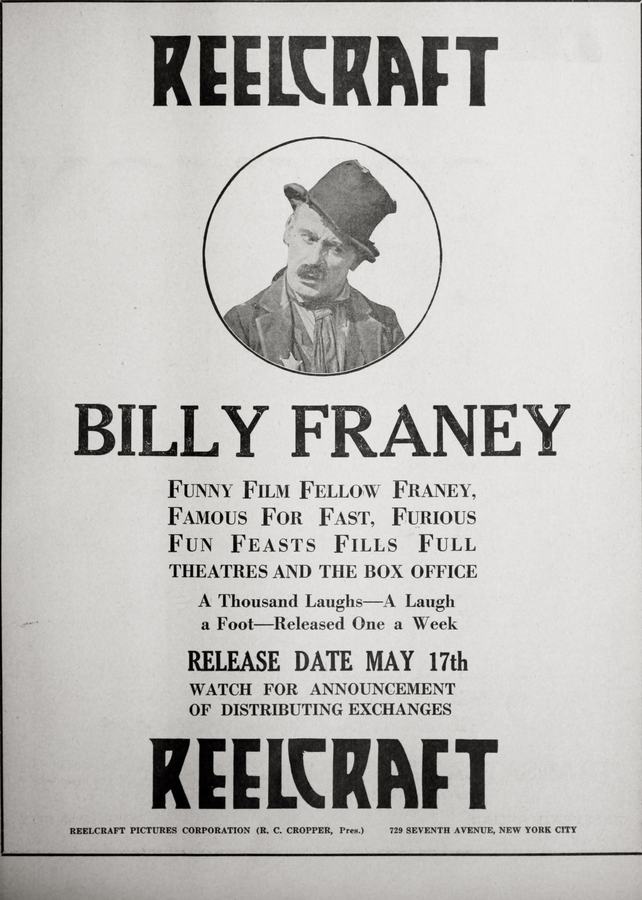
A celluloid fever dream masquerading as a tradesman’s anecdote, The Paper Hanger lands like a razor blade wrapped in silk. Billy Franey—usually the comic fall-guy—here sports the hollowed cheeks of a man who has traded his pulse for a plumb line. The camera loves the geometry of his shoulder blades as he presses a bubble out from under a sheet of crimson paper; the crackle of the celluloid itself seems to echo the hiss of paste against horsehair plaster.
Watch how director-scenarist Fred C. Newmeyer (better known for coaxing Harold Lloyd up skyscrapers) inverts every instinct for slapstick verticality. Instead he tunnels laterally, wallpaper sheeting becoming a horizontal curtain that parts to reveal the town’s diseased subconscious. The intertitles—hand-lettered on what looks like actual wallpaper backing—fray at the corners, as though the very words might peel off and stick to your iris.
In the sequence everybody whispers about, Franey’s unnamed craftsman coats a bedroom in phosphorescent damask while the magnate’s invalid wife (a wraithlike Virginia Lee) reclines on a chaise that itself seems papered over with regrets. A thunderclap blacks out the kerosene lamps; the wallpaper glows green, revealing a mural of the wife as a winged maenad ripping the throat of a banker who looks suspiciously like her husband. When the lights return, the mural is gone—only the faint scent of wet wheat paste and the wife’s stifled sob remain. No CGI, no double exposure, just a clever varnish and the merciful ignorance of the Hays-less era.
Compare that to the hallucinated cityscape in Posledniy patron where Soviet montage slices reality into agitprop confetti. The Paper Hanger achieves a more insidious propaganda: it convinces you that domesticity itself is the original crime scene.
Critics of 1920 dismissed the film as “another Franey foible,” expecting pratfalls. What they got was a man whose eyes hold the resigned terror of a priest who no longer believes in God but must still conduct mass. His gait—knees slightly bent, arms loose like a marionette whose strings have been half-severed—echoes through the corridors of the mill owner’s mansion, turning wallpaper into witness, paste into sacrament.
Note the micro-gesture when the artisan first handles the magnate’s cashier check: thumb and forefinger rub the paper as though testing its tooth, deciding whether the sheet is worthy of his brush. In that moment, money and wallpaper become the same flimsy substrate—both promise a surface that can hide rot.
Forget the jaunty pit-piano accompaniments slapped onto most surviving prints. The Museum of Modern Music’s recent restoration toured with a bespoke score: a single viola da gamba, loops of paste-brush percussion, and the wheeze of an actual 1890s wallpaper-steam box played like a hurdy-gurdy. During the climactic opera-house montage, the violist bows sul ponticello, producing harmonics that feel like steam blisters ready to burst through the screen.
Unlike the swashbuckling counterfeiters of Jim the Penman or the jewel-heist gloss of Cupid's Hold-Up, forgery here is domestic, almost tender. Our artisan doesn’t fake currency; he fakes ambiance, pasting respectability over bare lath. The horror lies in how willingly the town colludes: they crave the illusion of gentility more than the reality of justice.
There’s a scene midway where a tenement girl—maybe eight years old—offers him her only penny if he’ll paper her family’s single room with the leftover rose frieze. Franey kneels, pockets the coin, then papers one narrow strip at eye level so she can “see the garden whenever the floor feels cold.” Next morning the landlord evicts the family; the paper is scraped off and resold. The camera lingers on the strip curling like a dead vine. No intertitle is needed; the visual punchline is that there is no punchline, only the endless recycling of beauty and eviction.
Female characters in The Paper Hanger exist only as surfaces to be papered over or peeled back. The vanished heiress is literally wallpapered into legend; the magnate’s wife becomes a fresco that exists only in darkness; the tenement girl’s garden is scraped away before it can bloom. Yet the film indicts the viewer for that erasure. When Franey finally paper himself into the opera-house mural, the camera adopts a feminine POV: we stare from inside the wall, watching the town applaud our disappearance. The ultimate victim is the spectator, commodified into yet another decorative layer.
Contrast this with the flapper agency in Torchy Comes Through or the swashbuckling dame of The Rainbow Princess where women actively tear down walls. Here, demolition is a masculine prerogative, but the rubble is always female flesh.
For decades the only extant copy was a 9.5mm Pathéscope abridgment sold in the UK for home projection—four minutes, no intertitles, retitled The Pasting Horror. Then a 35mm nitrate print surfaced in the eaves of a demolished Belgian paper-mill (yes, really), water-damaged but complete. The 2023 4K restoration dyes its digital lavender tint with actual mulberry pigment ground from the same region that supplied 1920s wallpaper. The scratches remain, looking like the claw-marks of someone trying to escape the screen.
If you crave tidy redemption, go rewatch Cassidy where the hero rides into a sunset not yet polluted by smog. If you prefer your silent era served with existential dread and a paste-pot, The Paper Hanger will cling to you like damp flocking. Long after the lights rise you’ll smell wheat paste every time someone mentions home improvement. And when you next strip paper in your own living room, you’ll hesitate, half expecting to uncover a fresco of yourself—mouth open, eyes wide—already stuck inside the wall, waiting for the next artisan to come and smooth you over.
Verdict: A lost masterpiece that pastes Expressionist terror onto domestic banality, then peels both away to reveal the void beneath. Billy Franey’s haunted artisan deserves a seat beside Cesare the Somnambulist in the pantheon of silent nightmares.
IMDb —
1917
Community
Log in to comment.