DbcultAccessing Vault...
5.7/10
Senior Film Conservator
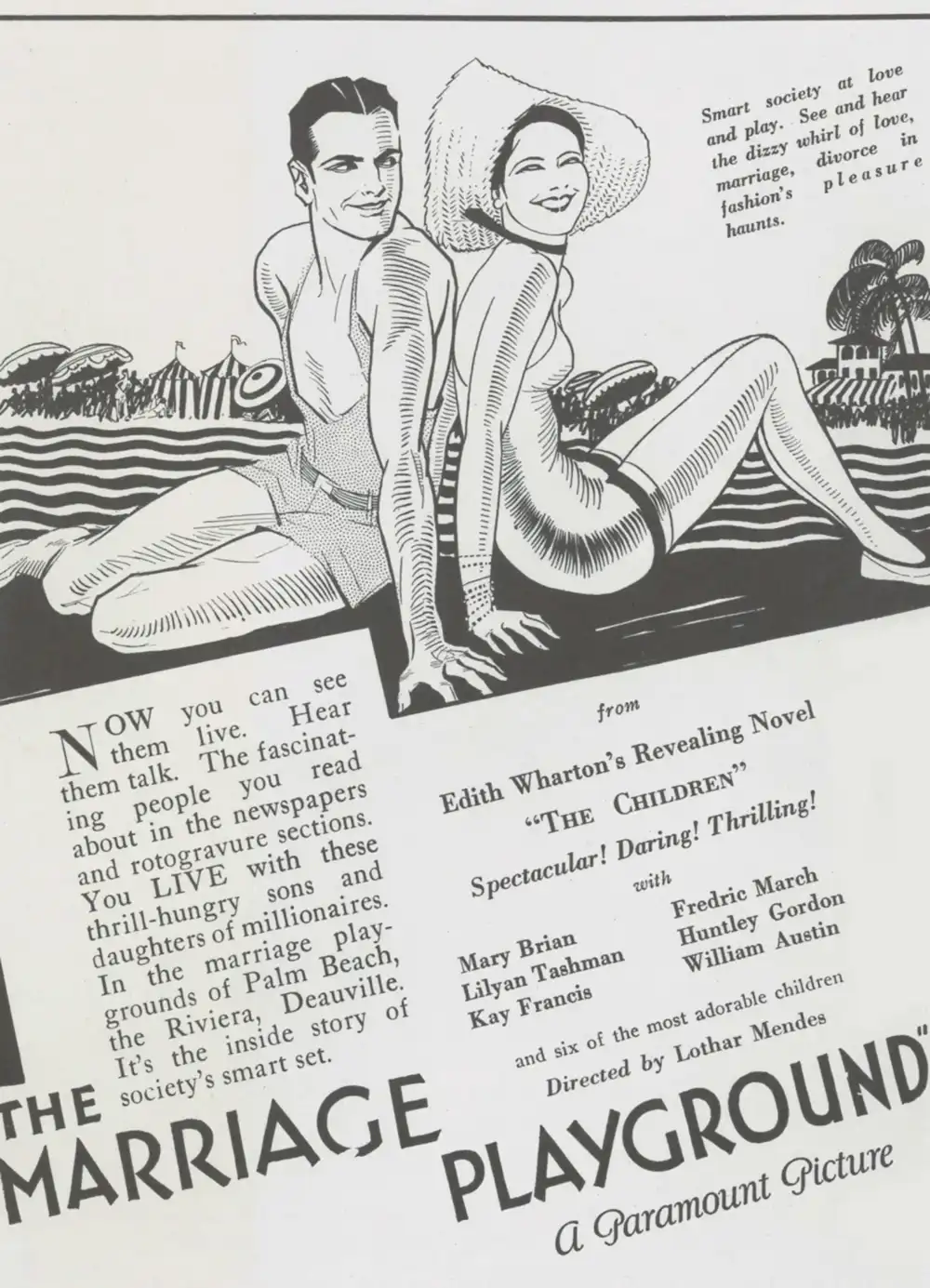
A definitive 5.7/10 rating for a film that redefined the boundaries of cult cinema. The Marriage Playground remains a cornerstone of transgressive art.
Okay, let's talk about The Marriage Playground. If you're someone who loves digging into old films, especially those early talkies that really capture a slice of society from way back when, then yeah, give this a watch. It’s a good little time capsule. But if you’re hoping for anything fast-paced or some grand, sweeping romance, you'll probably find it a bit slow. This one’s for the patient, curious viewer.
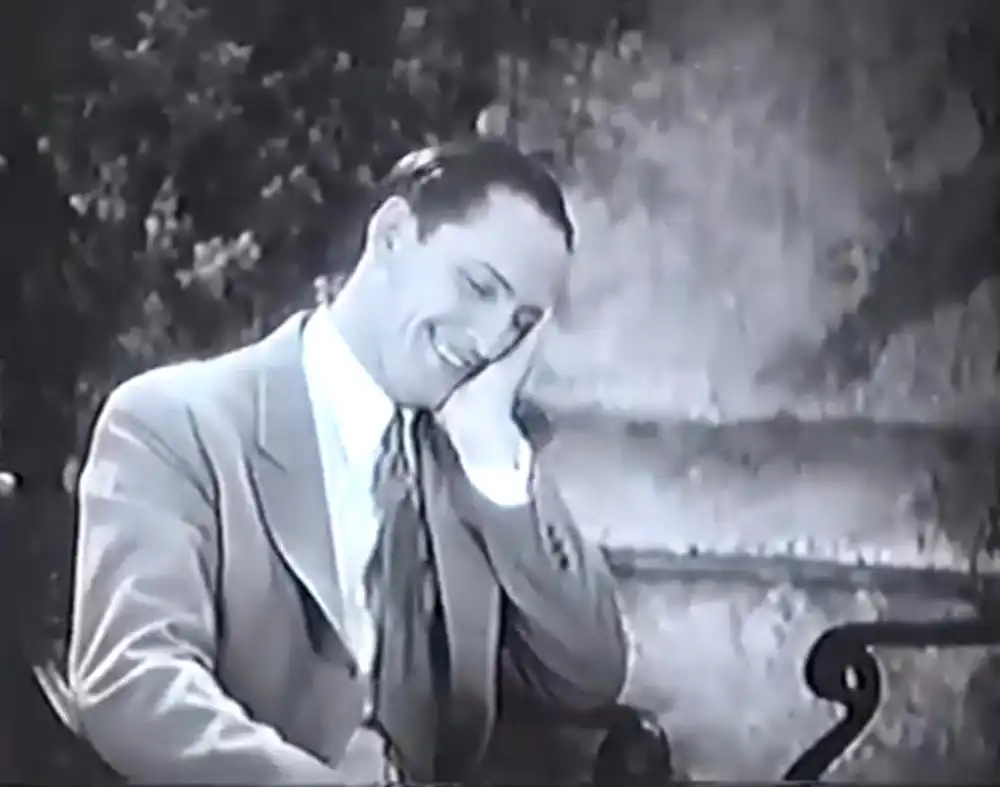
The setup is pretty simple, but also kind of complex for 1929. We've got Kay Francis and Fredric March as the couple, Judith and Matthew, who have basically built this huge, sprawling family out of their combined previous marriages. There’s a whole gaggle of kids running around. Then, the parents decide to call it quits, and *that’s* where the movie really kicks off. 💔
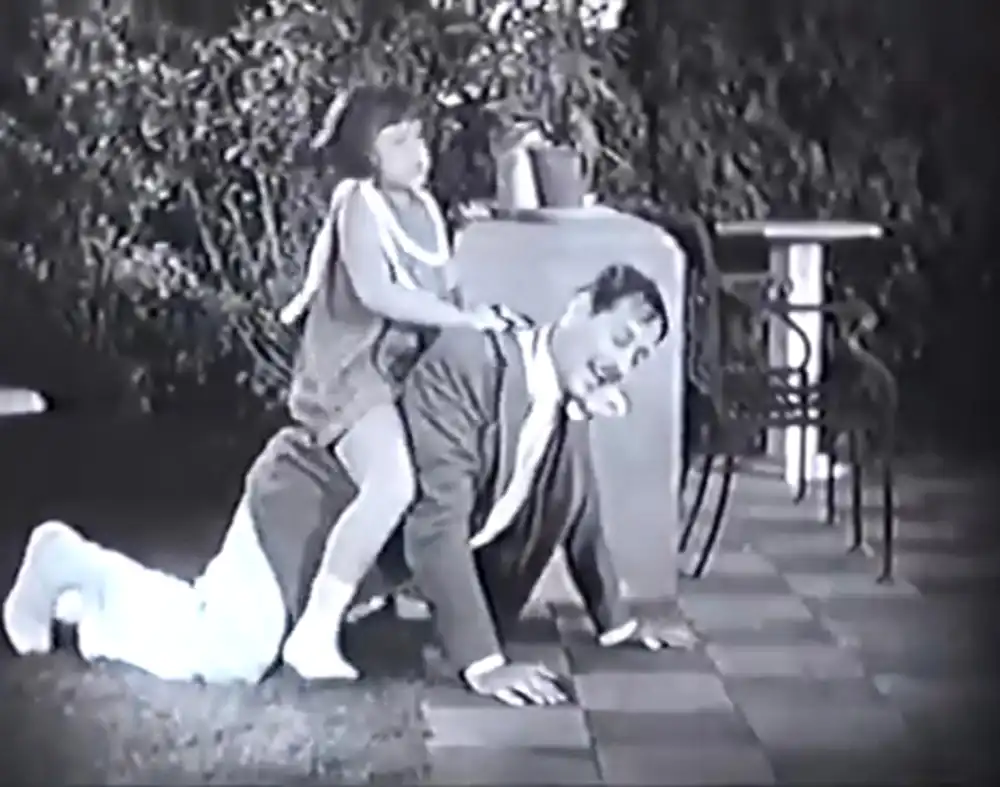
It’s the kids who steal the show, honestly. They’re not just background noise. The idea of them being split up? That’s the real emotional core here. You really feel for them, especially the oldest daughter, who’s played by Anita Louise. She takes it upon herself, with her boyfriend David Newell, to play matchmaker and somehow force her parents to stay together.

There's this one scene where all the children are gathered, whispering plans, plotting their little rebellion. It’s quite sweet, a bit naive, but you can feel their genuine fear of being separated. Their determination is actually quite compelling. It makes you think about how often kids are just pawns in adult problems.
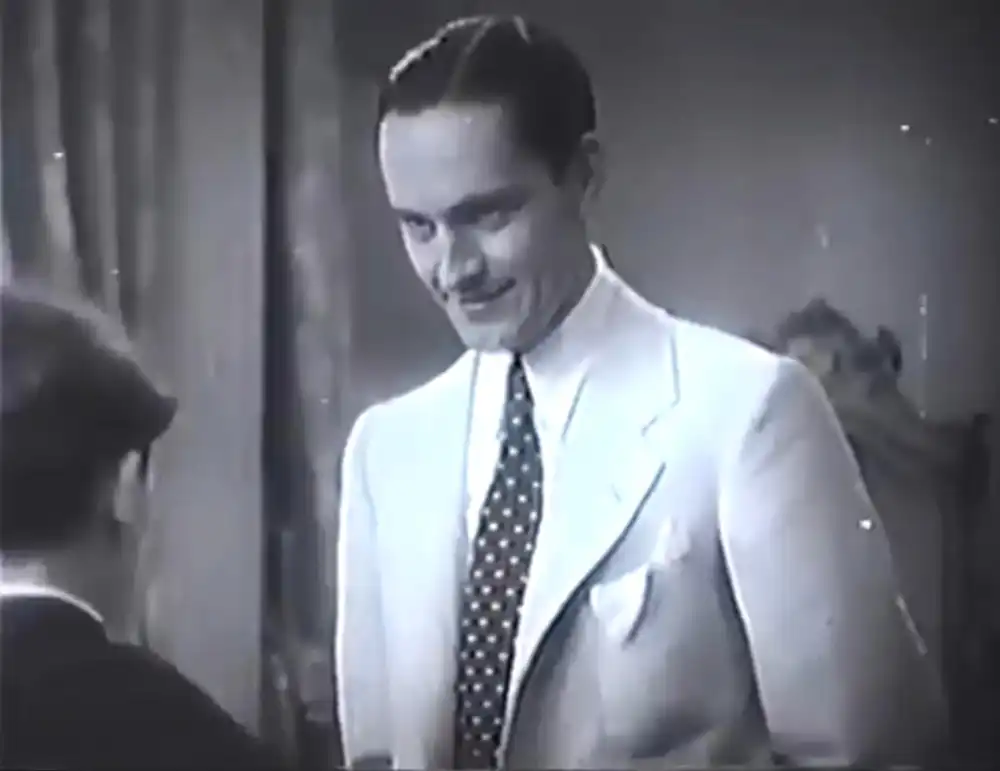
Kay Francis, as Judith, is just *so* elegant, even when she's trying to navigate this whole divorce thing. Her expressions are often quite subtle, almost like she’s trying to hold everything in. There’s a scene where she’s talking to Matthew, and you can see this mix of weariness and a flicker of what used to be there between them. It’s not over-the-top dramatics, which is nice.

Fredric March's character, Matthew, he's a bit more reserved, maybe a tad distant sometimes. He doesn't quite convey the same *struggle* as Judith does. His character feels like he’s already checked out a bit, even if he still cares. It’s an interesting contrast, these two trying to be civil while their lives crumble.
You can tell it’s an early sound film. The dialogue sometimes feels very much like a stage play, with characters delivering long, somewhat formal speeches. The whole thing feels a bit like a stage play often, with those long, drawing-room conversations. It takes a moment to adjust to that rhythm, but once you do, it just part of the charm.
One small thing that stuck with me: the way the butler, played by William Austin, is constantly trying to manage the chaos. He’s always there, just slightly in the background, witnessing everything. His reactions are often funnier than the main drama. Like, he’s seen it all, and he’s just quietly judging everyone. 😂
The title itself, The Marriage Playground, feels a bit cynical, doesn't it? As if marriage is just a game for these wealthy folks. But the film itself, beneath that, actually treats the idea of family, even a blended one, with a lot of warmth. It’s not just a flippant story. The kids give it real weight.
Is it a masterpiece? No, probably not. But it’s a really interesting look at family dynamics and divorce from a time when it was still quite scandalous. The performances, especially from the younger cast and Francis, give it some genuine heart. It’s not just a historical curiosity; it’s got some emotional punch too, even if it is a bit stiff in places. Definitely worth checking out if you’re into the era or just curious about how these issues were tackled on screen almost a century ago.
IMDb —
1917
Community
Log in to comment.