DbcultAccessing Vault...
5.8/10
Senior Film Conservator
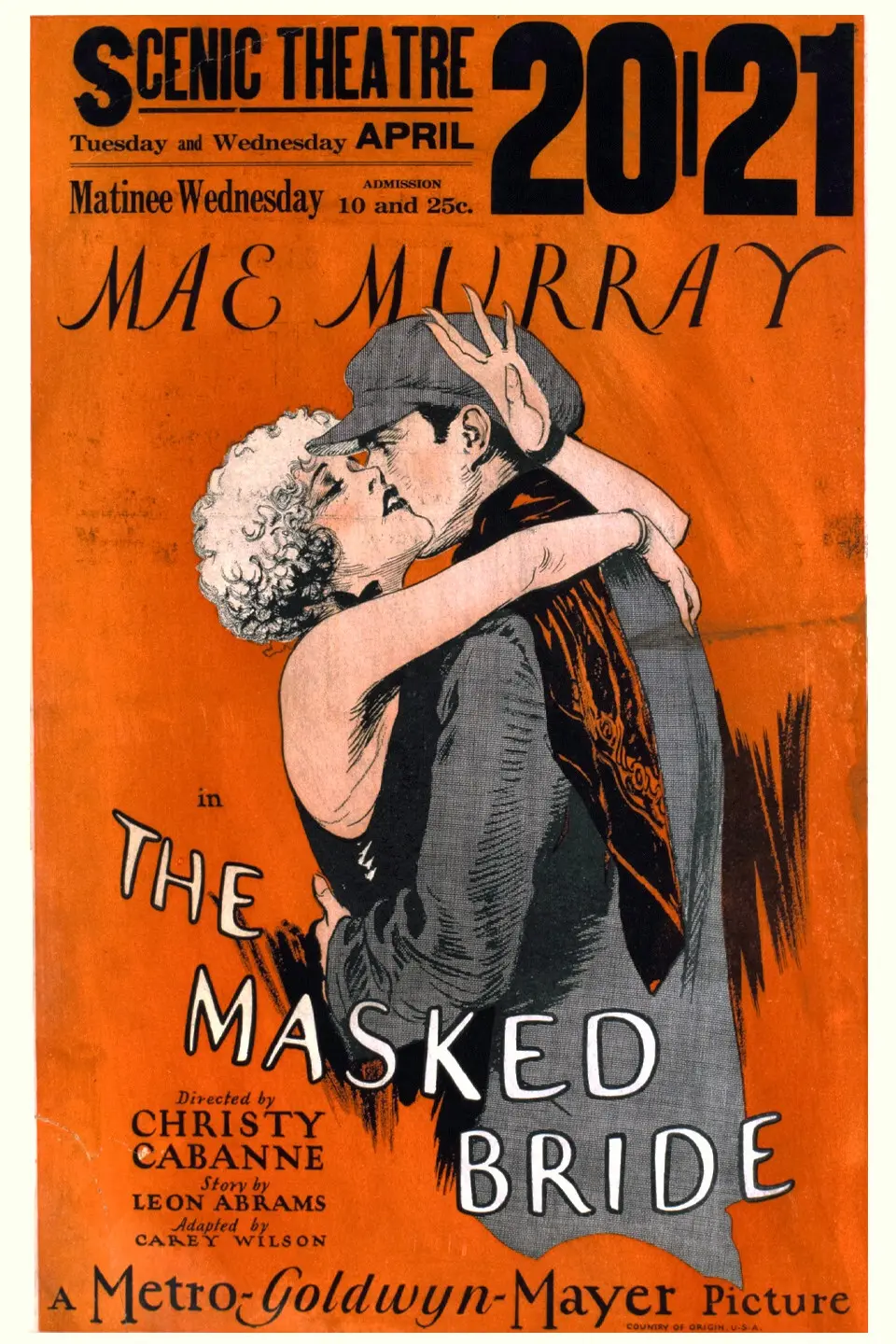
A definitive 5.8/10 rating for a film that redefined the boundaries of cult cinema. The Masked Bride remains a cornerstone of transgressive art.
In the city of love and lights, Paris, a mysterious and alluring cabaret singer captures the heart of a wealthy American millionaire. Mae Murray shines in the titular role of The Masked Bride, a 1926 silent film directed by a team of visionaries. As our protagonist becomes smitten with the enigmatic performer, he resolves to reform her, oblivious to the danger that her thieving past poses to their blossoming romance.
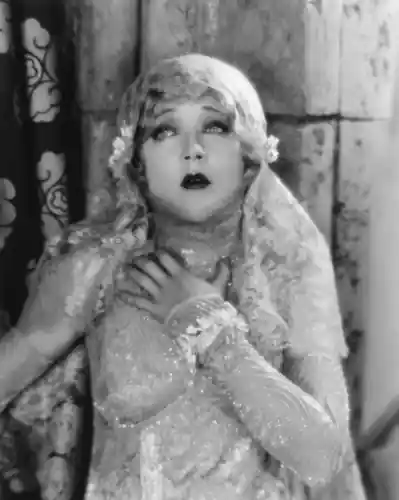
The millionaire, played by Francis X. Bushman, is a man of means and influence, but his wealth cannot shield him from the Masked Bride's web of deceit. As their relationship deepens, the stakes grow higher, and the tension builds. Will the millionaire's efforts to transform her be enough to overcome her troubled history, or will her past mistakes tear them apart?
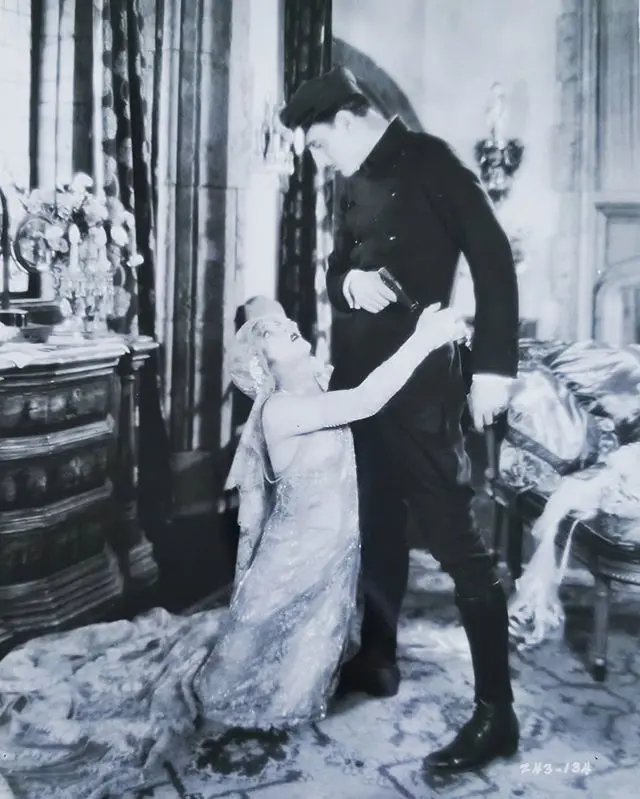
Meanwhile, Basil Rathbone, in a supporting role, adds an air of sophistication and intrigue to the film. His character serves as a foil to the millionaire, highlighting the Masked Bride's conflicted nature and the difficulty of her situation. The chemistry between the leads is undeniable, and their performances elevate the film to new heights.
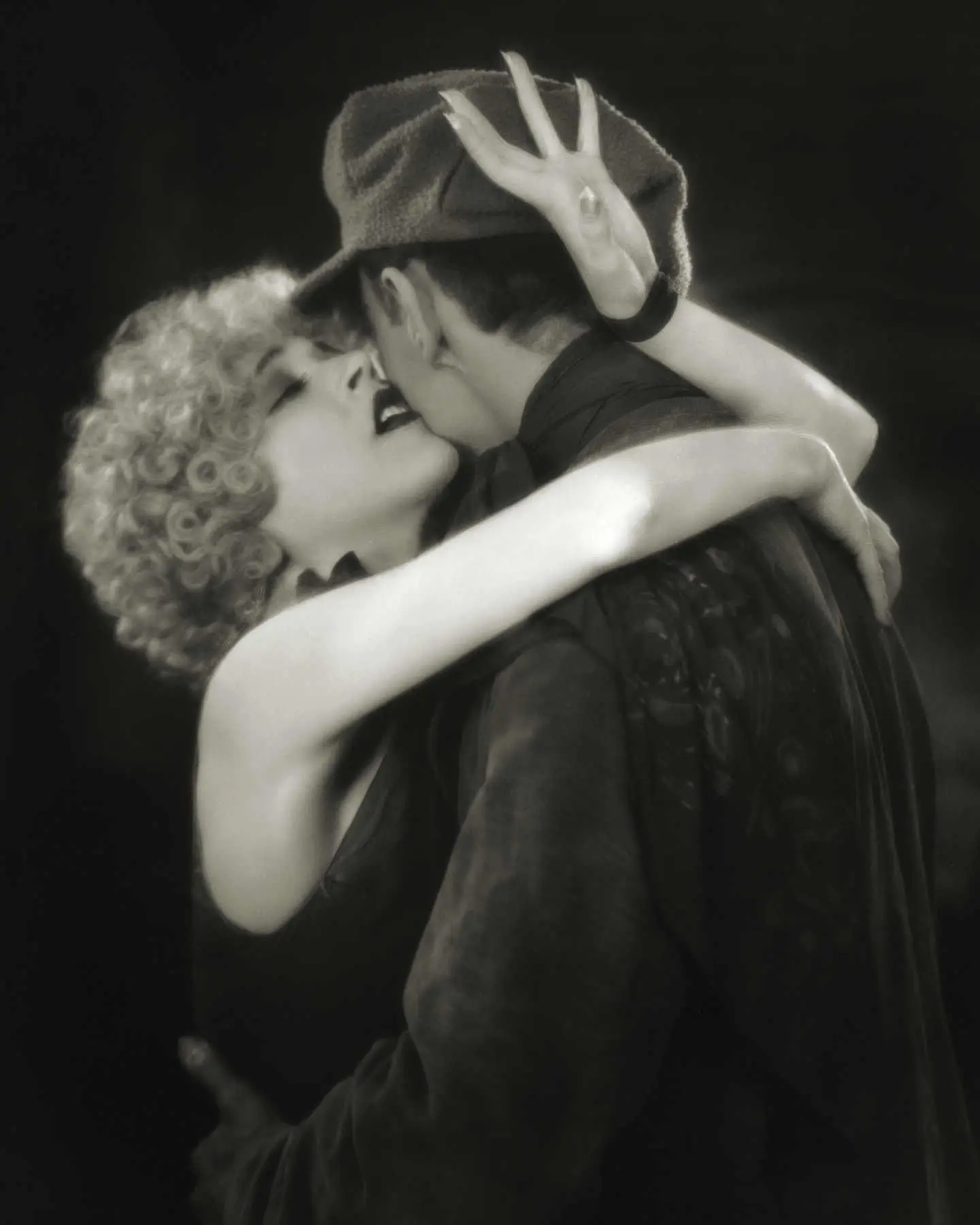
Akin to The Greek Interpreter, The Masked Bride explores themes of identity and deception. However, while The Greek Interpreter relies on mistaken identities and comedic misunderstandings, The Masked Bride takes a more serious tone, delving into the complexities of human nature and the consequences of one's actions.
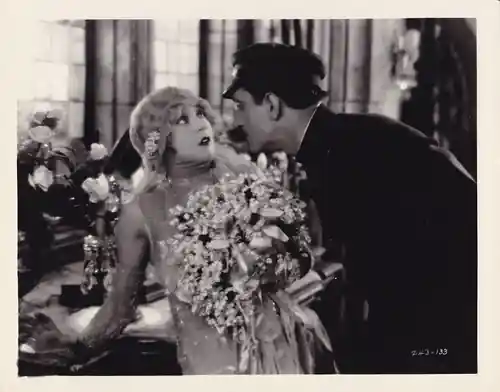
The film's cinematography is a notable aspect, with stunning Parisian landscapes and moody cabaret sequences that transport the viewer to the Roaring Twenties. The use of shadows, lighting, and composition creates a visually striking experience, drawing the audience into the world of the film.
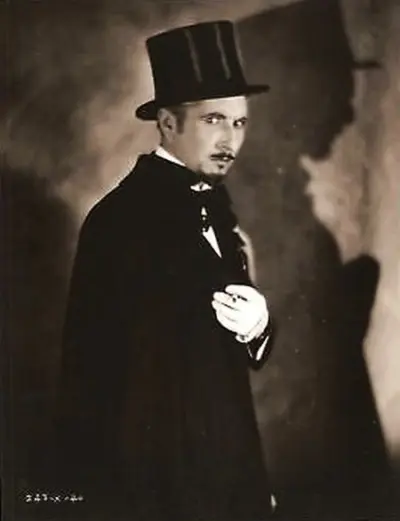
In comparison to other films of the era, such as The Triumph of Love and The Master Cracksman, The Masked Bride stands out for its nuanced portrayal of complex characters and its thought-provoking exploration of morality. While The Triumph of Love offers a more lighthearted take on romance and The Master Cracksman focuses on action and adventure, The Masked Bride strikes a balance between drama, romance, and suspense.
The film's score, although silent, is equally effective in conveying the emotional depth of the characters. The piano accompaniment adds a sense of urgency and longing, underscoring the Masked Bride's inner turmoil and her struggle for redemption.
As a work of art, The Masked Bride shares some similarities with Ballet mécanique, an experimental film that explores the relationship between music and visuals. While Ballet mécanique pushes the boundaries of cinematic storytelling, The Masked Bride demonstrates a more traditional approach, using narrative and character development to convey its themes.
In conclusion, The Masked Bride is a captivating silent film that explores the complexities of human nature, morality, and redemption. With its talented cast, stunning cinematography, and thought-provoking themes, it is a must-see for fans of cinema's golden age. For those interested in exploring more films from this era, The Sky Hunters and The Detectress offer similar blends of action, romance, and drama.
The film's exploration of identity and deception also draws parallels with The Mask, a more modern take on the theme. While The Mask uses comedy and satire to explore the consequences of hiding behind a mask, The Masked Bride approaches the topic with a more serious tone, highlighting the dangers of deception and the importance of honesty.
Ultimately, The Masked Bride is a film that will leave viewers pondering the complexities of human nature and the power of redemption. With its rich narrative, memorable characters, and stunning visuals, it is a true gem of the silent era, and a testament to the enduring power of cinema to captivate and inspire audiences.
IMDb 6.9
1926
Community
Log in to comment.