DbcultAccessing Vault...
Cult Review
Senior Film Conservator
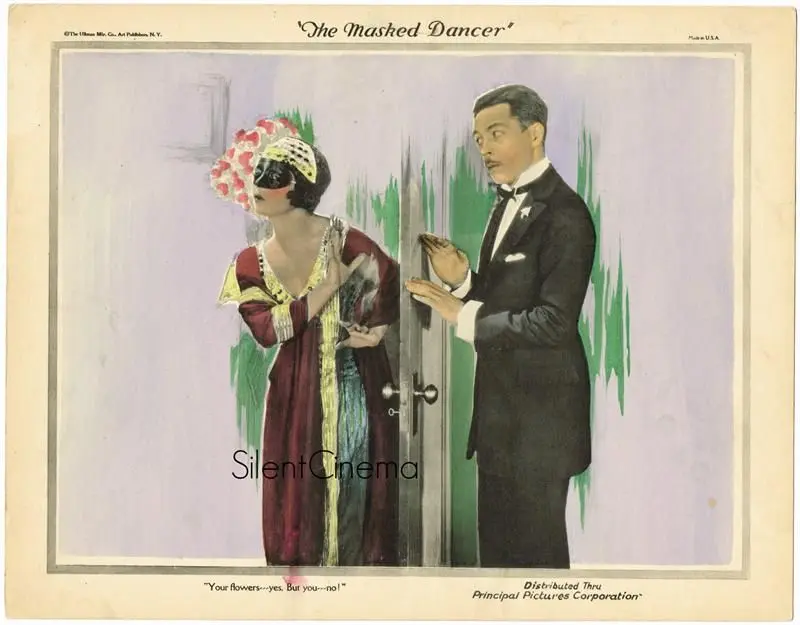
The Masked Dancer, a cinematic gem from the 1920s, presents a captivating narrative that masterfully explores the intricacies of relationships, identity, and the human condition. The film, directed by Rudolph Lothar and John Lynch, boasts an impressive cast, including Dorothy Kingdon and Joe King, who deliver performances that are at once nuanced and convincing.
Robert Powell, a charismatic and affable husband, played by Joe King, embodies the quintessential free spirit, reveling in the city's vibrant nightlife and forming fleeting connections with an array of women. His wife, Betty, portrayed by Dorothy Kingdon, responds to his infidelities by concocting an ingenious plan, donning a mask and adopting the persona of 'The Masked Dancer,' a mesmerizing performer who rapidly gains popularity.
The Masked Dancer expertly navigates the complexities of Robert's infatuation with his wife's alter ego, concurrently exploring the character's gradual transformation from a carefree philanderer to a introspective individual, compelled to reevaluate his marriage and confront the consequences of his actions. This narrative thread is reminiscent of The Firefly, which also explores themes of identity and relationships, albeit within a different context.
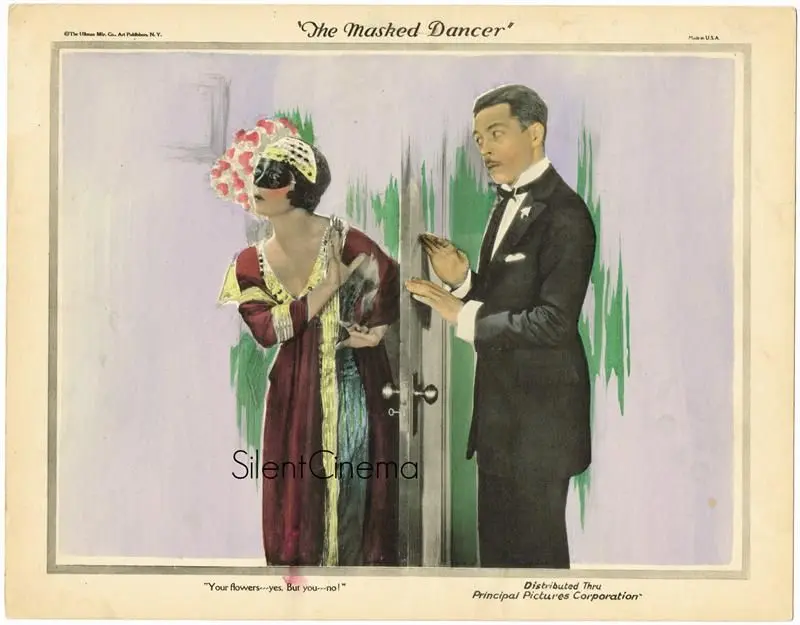
The film's portrayal of Betty's dual identity serves as a thought-provoking catalyst for an examination of the societal expectations placed upon women during the 1920s. Her character's agency and determination to reclaim control of her life, albeit through a subterfuge, resonate with the narrative of His Brother's Wife, which also features a strong-willed female protagonist navigating a complex web of relationships.
Dorothy Kingdon's performance as Betty/The Masked Dancer is noteworthy, conveying a sense of vulnerability and strength that underpins the character's transformation. Her on-screen chemistry with Joe King is palpable, and their performances collectively elevate the film's emotional resonance.
The supporting cast, including Leslie Austin, Helene Chadwick, and Rosa Rudami, add depth and nuance to the narrative, while Arthur Housman and Alyce Mills deliver memorable performances in their respective roles.
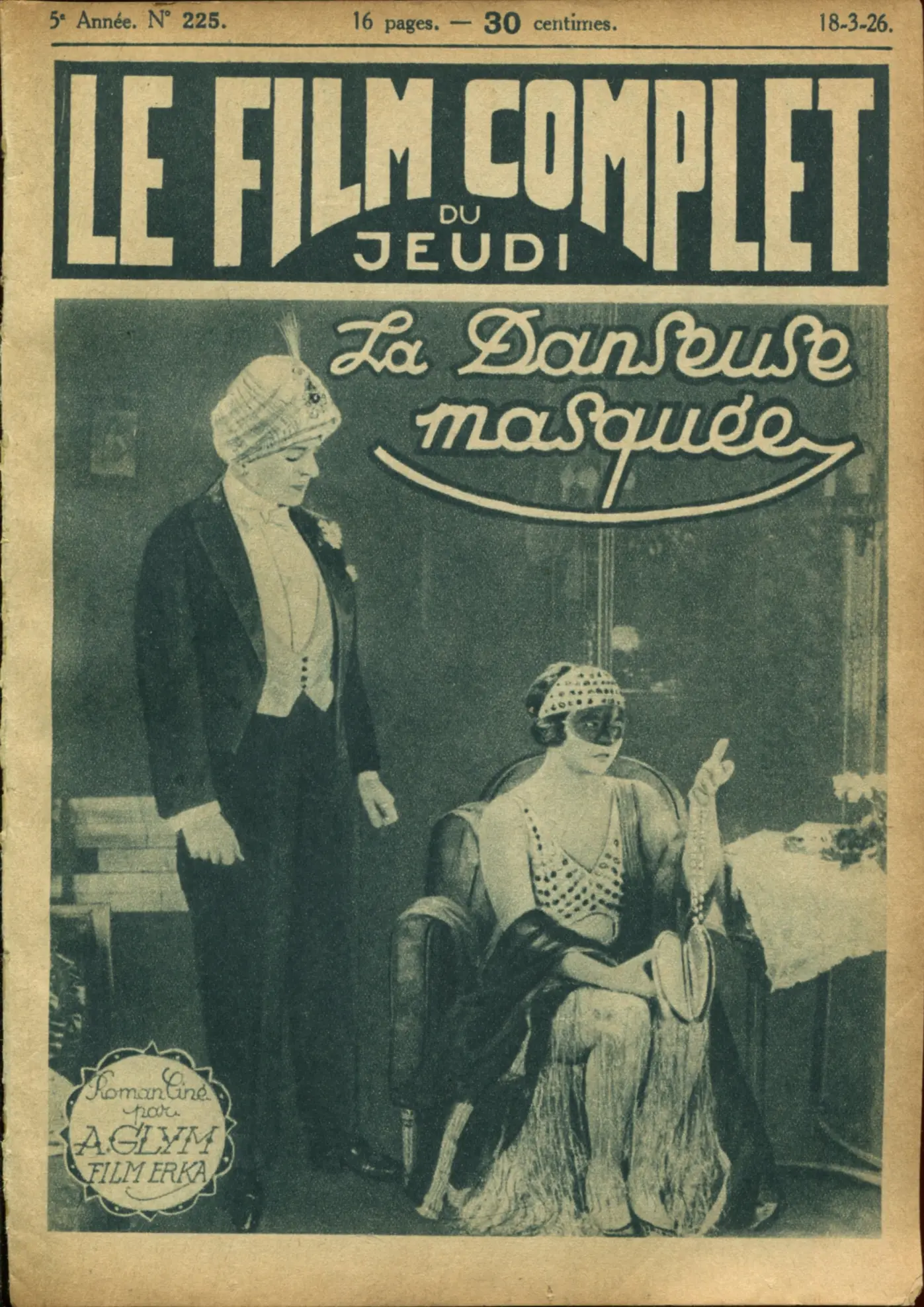
Rudolph Lothar and John Lynch's screenplay is a masterclass in storytelling, weaving a complex narrative that balances humor, drama, and romance. The film's pacing is well-balanced, with a narrative that unfolds at a measured pace, allowing the audience to become fully immersed in the characters' journeys.
In comparison to other films of the era, The Masked Dancer shares thematic similarities with The Old Fool and Die Verführten, which also explore themes of identity, relationships, and personal growth. However, The Masked Dancer distinguishes itself through its unique blend of humor, drama, and romance, making it a standout film of the 1920s.
In conclusion, The Masked Dancer is a cinematic treasure that continues to captivate audiences with its engaging narrative, memorable performances, and exploration of the human condition. This film is a must-see for anyone interested in classic cinema, and its themes of identity, relationships, and personal growth remain remarkably relevant today.
The Masked Dancer is a film that will keep you enthralled until the very end, with its unexpected twists and turns, reminiscent of Blackmail and Don't Blame the Stork. Its place within the canon of classic cinema is well-deserved, and it remains a testament to the enduring power of storytelling in film.
IMDb —
1918
Community
Log in to comment.