DbcultAccessing Vault...
6.1/10
Senior Film Conservator
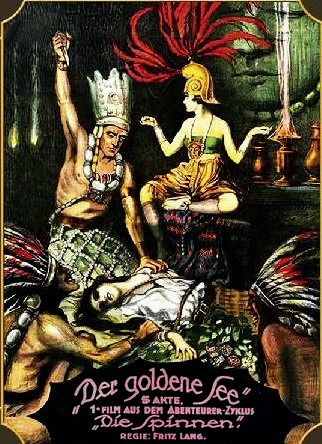
A definitive 6.1/10 rating for a film that redefined the boundaries of cult cinema. The Spiders - Episode 2: The Diamond Ship remains a cornerstone of transgressive art.
Long before the dystopian machinery of Metropolis or the psychological claustrophobia of M, Fritz Lang was the primary architect of the cinematic serial, a form he treated with an uncharacteristic seriousness that elevated pulp material into the realm of high art. The Spiders - Episode 2: The Diamond Ship (1920) is not merely a sequel; it is a refinement of the adventure genre that prefigures the modern blockbuster. While the first episode, The Golden Sea, wallowed in the exoticism of lost civilizations, The Diamond Ship grounds itself in the foggy docks, the clandestine meeting rooms, and the high-seas tension that would become staples of the espionage thriller.
Watching this film in the 21st century requires a recalibration of one’s sensory expectations. We are witnessing a director learning how to manipulate space and shadow to create a sense of impending doom. The lexical diversity of Lang’s visual language is staggering for the era. He doesn't just show a ship; he shows a vessel of entrapment, a floating prison where the 'Spiders' weave their most intricate webs. The sheer ambition of the production, produced by Decla-Bioscop, reflects a Germany eager to assert its cultural dominance through the burgeoning medium of film.
The plot is a dizzying array of heists and counter-heists. Kay Hoog, played with a stoic, almost athletic grace by Carl de Vogt, remains the quintessential hero of the era—a man of action who possesses an intellect sharp enough to rival the criminal masterminds he pursues. His foil, Lio Sha (Ressel Orla), is a fascinating precursor to the 'femme fatale' and the 'Bond villain.' She is driven by a singular obsession: the Diamond of the Empress of Asia. This isn't just about jewelry; it's about the mystical sovereignty the stone represents. This theme of power through ancient artifacts is a motif Lang would revisit, but here it feels raw and energetic.
Unlike the more grounded dramas of the time, such as Her Secret or the social critiques found in The Hypocrites, The Spiders revels in the fantastic. The introduction of Terry, the unaware heir, adds a layer of dramatic irony that keeps the audience anchored. Terry is a man living a mundane life, unaware that he sits at the center of a geopolitical hurricane. This trope—the ordinary man thrust into extraordinary circumstances—is handled with more nuance here than in contemporary efforts like The Amazing Impostor.
The cinematography in The Diamond Ship is a masterclass in proto-expressionism. Lang, along with cinematographers Karl Hoffmann and Emil Schünemann, utilizes the frame not just to record action, but to dictate emotion. The use of subterranean spaces—a Langian obsession—is particularly effective here. The underground city of the Spiders is a triumph of set design, utilizing geometric shapes and stark contrasts that make the world feel both ancient and terrifyingly modern. This use of architecture to reflect character psychology is far more advanced than the straightforward staging seen in The Road Called Straight.
There is a specific sequence involving a treasure hunt in a fabled city that rivals the tension found in Kidnapped. However, Lang’s pacing is more deliberate. He allows the camera to linger on the mechanisms of traps and the silent communication between the Spiders' agents. The film avoids the frantic, often disjointed editing of earlier serials like The Red Ace, opting instead for a rhythmic flow that builds toward its maritime climax.
What distinguishes The Diamond Ship from other 1920 releases like Diane of the Green Van or Nobody's Child is its sheer scope. Lang isn't content with a localized drama; he wants to encompass the world. From the rooftops of San Francisco to the mysterious corners of the East, the film feels like a global odyssey. This international flavor was a hallmark of the 'Sensationsfilm' genre in Germany, but Lang infused it with a technical precision that was unparalleled. The cast, including the ethereal Lil Dagover and the menacing Friedrich Kühne, provides a spectrum of performances that range from the theatrical to the surprisingly understated.
While comedies of the era like Lord and Lady Algy or Oh, What a Knight relied on situational levity, The Spiders maintains a grim, almost fatalistic tone. Even in the moments of high adventure, there is an underlying sense that the world is a dangerous, interconnected place where shadows have agency. This thematic weight is what separates Lang from his peers. He wasn't just making a movie; he was constructing a mythology.
When we look at the landscape of 1920 cinema, we see a medium in transition. Films like Bristede Strenge or the Australian adventure Bushranger's Ransom, or A Ride for Life were exploring national identities and melodramatic tropes. Lang, conversely, was pioneering a trans-national cinematic language. The Diamond Ship feels more 'modern' than The Co-respondent or the lighthearted We Should Worry because it understands the power of the 'icon'—the diamond, the spider logo, the masked villain.
The film's influence can be seen in everything from the 1930s adventure serials to the Indiana Jones franchise. Even the slapstick of Foxy Ambrose seems worlds away from the calculated, almost mathematical precision of Lang’s action sequences. He uses the camera to create a geometry of fear, a skill he would later perfect in his Mabuse cycle.
The conclusion of The Diamond Ship leaves the audience breathless, not just because of the resolution of its plot, but because of the visual feast it provides. The titular vessel becomes a microcosm of the conflict between order and chaos. As the ship cuts through the waves, we see the literalization of the Spiders' reach—their ability to infiltrate even the most secure bastions of society. The film’s ending, while satisfying the requirements of the serial format, leaves a lingering sense of unease. The Spiders are not truly defeated; they are merely dormant, waiting for the next opportunity to strike.
This second episode solidified Fritz Lang as a director of immense technical capability and narrative vision. It proved that he could handle large-scale productions without losing sight of the minute details that make a story compelling. The interplay between the high-stakes treasure hunt and the personal vendetta between Hoog and Lio Sha provides a dual-layered narrative that keeps the viewer engaged across its substantial runtime. It is a work of profound importance, a bridge between the simplistic adventures of the 1910s and the complex cinematic masterpieces of the 1920s.
In the final analysis, The Spiders - Episode 2: The Diamond Ship is a testament to the power of the moving image to transcend language and culture. It is a film that speaks in the universal tongue of suspense, mystery, and wonder. For any serious student of cinema, it is an essential text, a vibrant and pulsating example of a master filmmaker finding his voice and, in the process, changing the course of film history forever. The shadows cast by the Diamond Ship are long, reaching forward into the future of the medium, reminding us that in the world of Fritz Lang, the web is always being spun, and the next adventure is always just over the horizon.
Community
Log in to comment.