DbcultAccessing Vault...
5.3/10
Senior Film Conservator
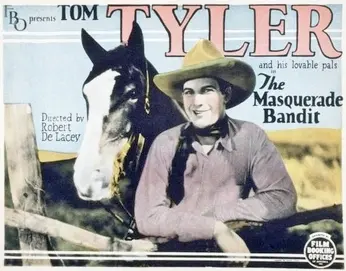
A definitive 5.3/10 rating for a film that redefined the boundaries of cult cinema. The Masquerade Bandit remains a cornerstone of transgressive art.
Is The Masquerade Bandit worth watching today? It's a question that requires a nuanced answer. While the film is a charming entry into the silent era, it's not without its flaws. Nonetheless, its unique blend of romance and comedy, along with a strong central performance by Raye Hampton, makes it a worthwhile watch for those interested in early cinema.
Who is this film for? It's perfect for film enthusiasts, particularly those with a curiosity for silent era films, as well as anyone looking for a classic romantic comedy-drama. It's not for casual viewers or those who require modern special effects and sound.
This film works because: The central romance between Raye Hampton and Alfred Hewston is palpable, making the audience invested in their relationship. The pacing is steady, and the film effectively balances its romantic and comedic elements. The performances, especially from Raye Hampton, are strong and nuanced, bringing depth to the character of Molly.
This film fails because: The film's reliance on silent era conventions can be a barrier for modern audiences. The lack of dialogue and the absence of modern special effects can make the viewing experience less engaging for some. Additionally, the plot can feel somewhat predictable at times.
You should watch it if: You're a fan of early cinema, silent era films, or classic romantic comedies. It's also a good option for those looking for a historical film that explores themes of love and family loyalty.
Raye Hampton delivers a standout performance as Molly Marble. Her portrayal of Molly's journey from a naive young woman to a complex character driven by love and loyalty is both compelling and nuanced. Alfred Hewston also shines as Jeff Morton, bringing a charming and likable quality to the role. The chemistry between the two is palpable, making their on-screen romance palpable and engaging.
William E. Wing's direction is steady and effective, ensuring that the film's narrative is clear and engaging. The cinematography is striking, with sequences like the train robbery scene capturing the thrilling intensity of the heist. However, the film's reliance on silent era techniques can make some scenes feel somewhat dated. The use of titles and intertitles to convey dialogue and plot points can be a challenge for modern viewers accustomed to more fluid storytelling.
The pacing of The Masquerade Bandit is well-balanced, with a steady rhythm that keeps the audience engaged. The film effectively balances its romantic and comedic elements, making it a delightful viewing experience. The comedic moments, while not always laugh-out-loud hilarious, are well-executed and add to the overall charm of the film. The tone is primarily light and cheerful, with a few moments of tension that add depth to the story.
While The Masquerade Bandit may not be a groundbreaking film, it is a charming and well-crafted entry into the silent era. Its strong performances and effective storytelling make it a worthwhile watch for those with an interest in early cinema. However, it may not be to everyone's taste, particularly those who prefer more modern filmmaking techniques. Nonetheless, it's a film that deserves to be seen, if only for its unique place in cinematic history.
IMDb 6.5
1931
Community
Log in to comment.