DbcultAccessing Vault...
6.6/10
Senior Film Conservator
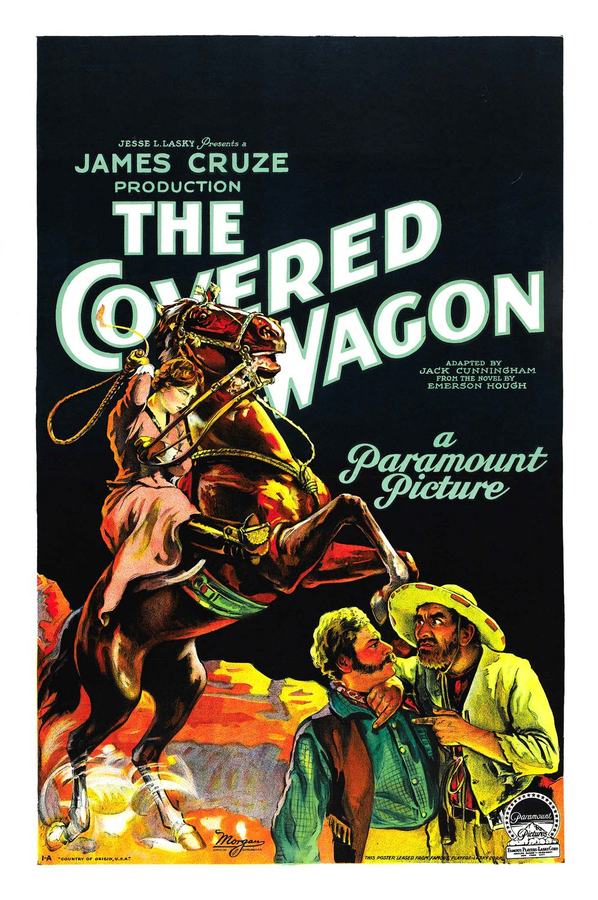
A definitive 6.6/10 rating for a film that redefined the boundaries of cult cinema. The Covered Wagon remains a cornerstone of transgressive art.
Stepping into the world of ‘The Covered Wagon’ is akin to unearthing a time capsule, a grand cinematic artifact from an era when storytelling relied on sweeping visuals, emotive acting, and the sheer power of narrative ambition. Released in 1923, James Cruze’s monumental silent epic isn't merely a film; it’s a meticulously crafted historical document, a testament to the colossal undertaking of America's westward expansion. It captures the raw, visceral spirit of the pioneers, their indomitable will, and the immense sacrifices that forged a nation. More than a century later, its resonance persists, offering a profound glimpse into a foundational chapter of American identity, wrapped in a compelling human drama.
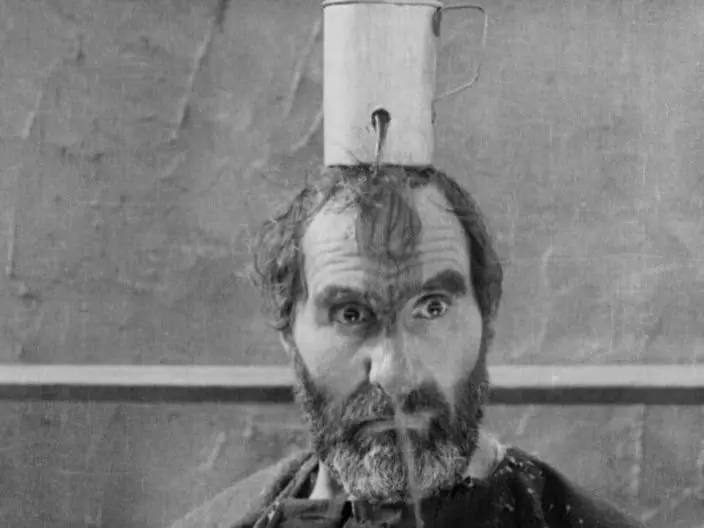
The film opens with a powerful visual symphony: two vast wagon trains, each a sprawling, self-contained community, converging at the nascent settlement that would one day burgeon into Kansas City. This initial confluence of journeys is more than a mere plot point; it is a symbolic fusion of destinies, a testament to the collective aspiration driving these brave souls towards the promised lands of Oregon. The sheer scale of the production, with hundreds of actual wagons and thousands of extras, remains breathtaking even by modern standards. It’s a spectacle that immediately immerses the viewer, drawing them into the vastness of the American frontier, a landscape both terrifyingly beautiful and utterly unforgiving. This isn't just a story about individuals; it's about the very movement of a people, a tidal wave of hope and desperation rolling across a continent.
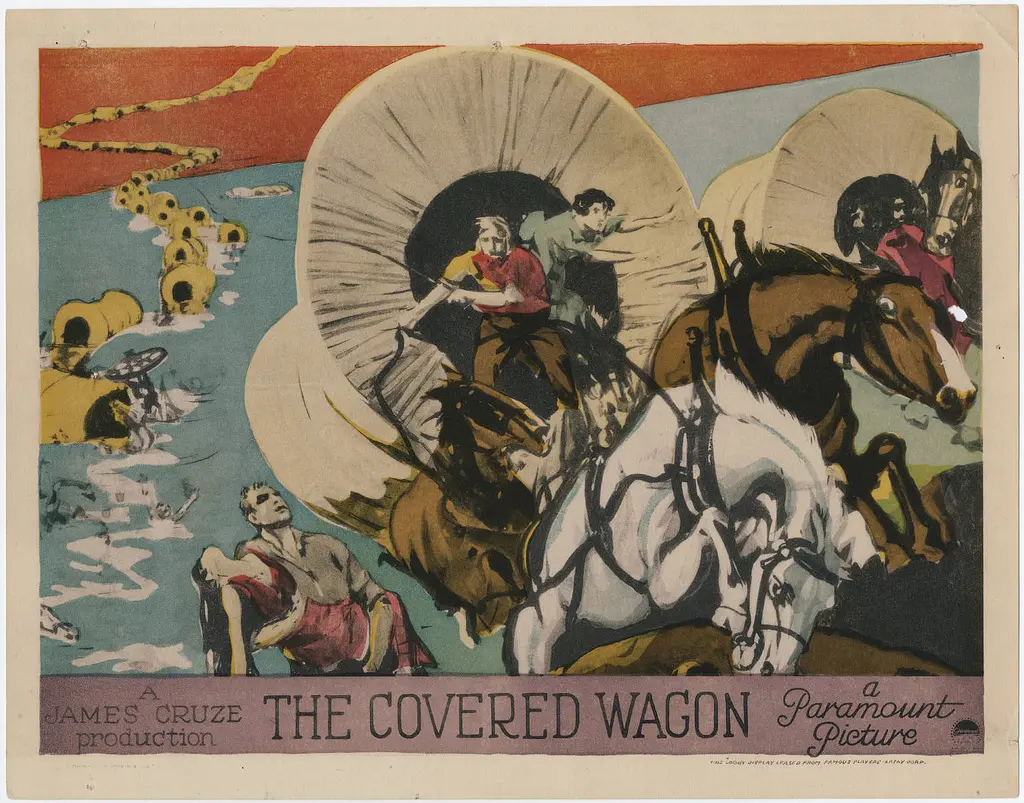
As these combined forces embark on their monumental push westward, the narrative unfolds with a relentless cadence, mirroring the arduous rhythm of the journey itself. Cruze, with his masterful direction, doesn't shy away from depicting the brutal realities of the trail. We witness the settlers grappling with the scorching, merciless desert heat, the treacherous, snow-choked passes of the mountains, and the gnawing specter of hunger that haunts their every step. These environmental challenges are not just backdrops; they are active antagonists, shaping the characters, testing their resolve, and stripping away any romanticized notions of frontier life. The film also confronts the fraught relationship with indigenous populations, portraying the ever-present threat of 'Indian attacks' – a depiction that, while historically contextual, demands a critical viewing from a contemporary perspective, acknowledging the complex and often tragic narrative of Native American displacement.
Amidst this epic struggle, a deeply personal drama unfolds, centering on the captivating Molly, portrayed with an affecting blend of vulnerability and resilience by Lois Wilson. She finds herself ensnared in a classic love triangle, a narrative device that, while familiar, gains profound weight against the backdrop of life-or-death stakes. On one side stands Sam, a character of brute strength and rough-hewn charm, brought to life with gruff intensity by Tully Marshall. He represents the raw, untamed spirit of the frontier, a man of action whose desires are as direct as his methods. On the other, we have Will Banion, the dashing and charismatic captain of one of the caravans, embodied by the stoic yet captivating J. Warren Kerrigan. Will is the quintessential heroic figure, yet his appeal is complicated by a mysterious 'skeleton in his closet' – a past transgression that casts a long shadow over his present and threatens to derail his burgeoning romance with Molly. This internal conflict adds a crucial layer of psychological depth to the film, elevating it beyond a simple adventure tale.
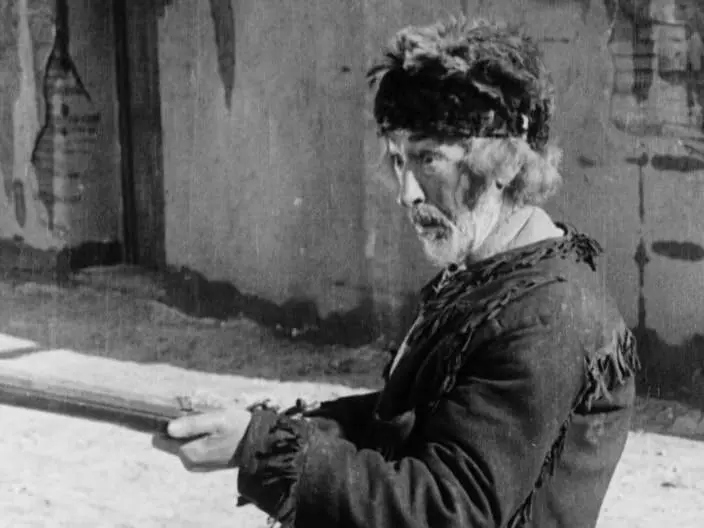
The performances, particularly from the central trio, are remarkably nuanced for the silent era. Lois Wilson's Molly is not merely a damsel in distress; she is a woman of agency, her internal struggle palpable through her expressive eyes and gestures. Her choice between Sam and Will is not trivial; it’s a choice between different versions of survival, different pathways to belonging in a harsh new world. Kerrigan’s Will, while outwardly heroic, conveys a simmering torment, his secret weighing heavily on his conscience. This internal battle for redemption, for the right to love and lead, becomes as compelling as any external threat. The film's strength lies in its ability to balance these intimate character arcs with the colossal historical sweep, ensuring that the human element is never lost amidst the grand spectacle.
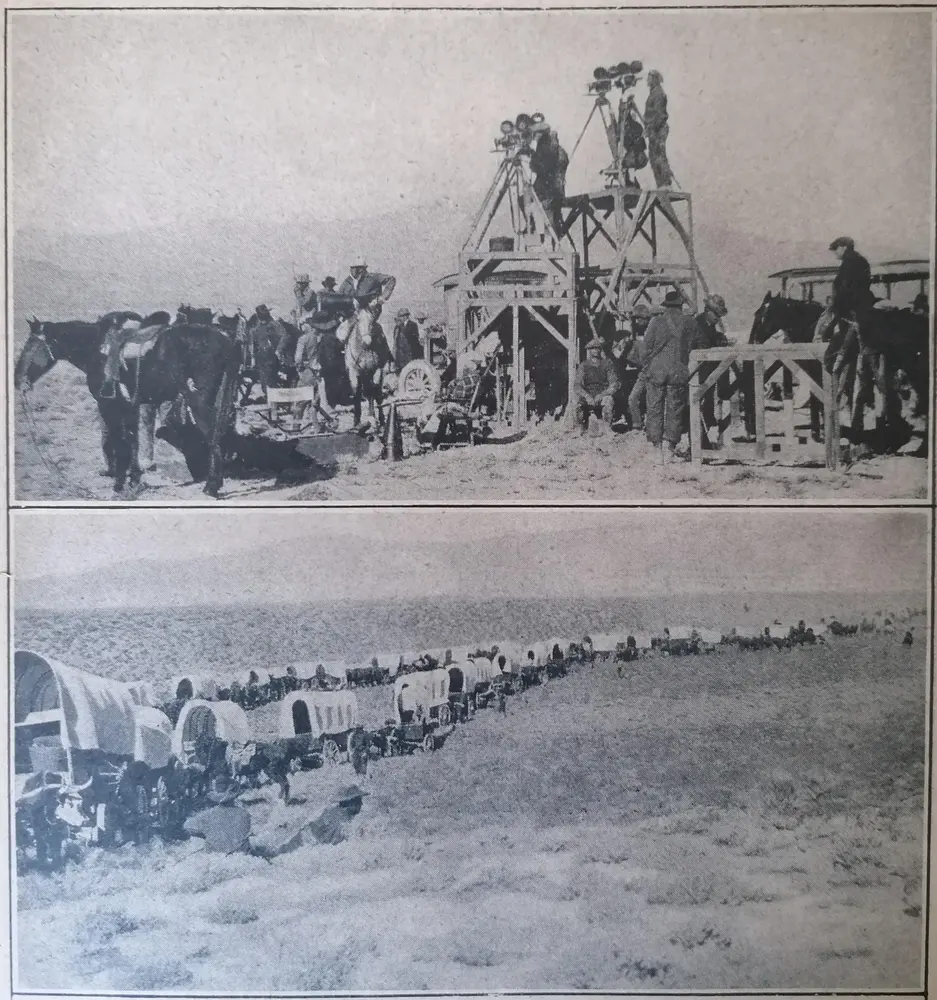
Cruze's direction is nothing short of visionary. He masterfully employs long shots to convey the immensity of the landscape and the tiny scale of human endeavor against it, while interspersing them with close-ups that capture the raw emotion etched on the faces of his cast. The pacing, while deliberate, never feels sluggish; it mirrors the slow, inexorable progress of the wagons themselves. The cinematography is often breathtaking, capturing the stark beauty of the American West with an artistic eye that anticipates later generations of Western filmmakers. The use of natural light and real locations lends an authenticity that is hard to replicate, making the audience feel truly present within the journey.
Comparing ‘The Covered Wagon’ to other films of its time reveals its pioneering spirit, not just in subject matter but in cinematic technique. While a film like En Aftenscene might explore intimate domestic drama, and Pollyanna might offer a more saccharine view of human resilience, 'The Covered Wagon' stands out for its sheer ambition and scope. Its epic scale and focus on collective struggle echo some of the grand narratives found in films like The Aryan, which also touched upon the harsh realities of the frontier, albeit with a different moral compass. The film’s depiction of the relentless, unforgiving environment and the constant battle against the elements also finds a thematic cousin in the struggles portrayed in Out of the Dust, albeit in a different historical context. The sense of a journey against overwhelming odds, a 'caravan of death' in a metaphorical sense, could even draw a loose parallel with the thematic undertones of a film like Caravan of Death, despite their vastly different genres and release dates. This film, however, sets a benchmark for the Western genre, defining many of its enduring tropes while simultaneously transcending them with its profound humanism.
The film’s historical accuracy, while impressive for its time, naturally invites contemporary scrutiny. The portrayal of Native Americans, for instance, reflects the prevailing attitudes of the early 20th century, often reducing complex cultures to a monolithic 'threat.' While it's essential to acknowledge this historical lens, it doesn't entirely diminish the film's artistic and historical value. It serves as a valuable document of how America viewed its own foundational myths at a specific point in time. The film also provides a fascinating look at the logistical challenges of such an undertaking, from managing livestock to navigating treacherous rivers – details that lend an immersive quality to the narrative.
Beyond the spectacle and the historical sweep, ‘The Covered Wagon’ is fundamentally a story about human nature under duress. It explores themes of courage, perseverance, community, betrayal, and the enduring power of love. The characters, though archetypal, resonate because their struggles are universal. Will’s quest for redemption, Molly’s search for stability and true affection, and the entire caravan’s collective yearning for a better life – these are motivations that transcend time and place. The film asserts that the journey itself, with all its trials and tribulations, is as transformative as the destination.
The legacy of ‘The Covered Wagon’ is immense. It was a massive commercial success, effectively saving Paramount Pictures from financial peril and proving the viability of large-scale, epic filmmaking. It cemented the Western as a cornerstone of American cinema and influenced countless films that followed, from John Ford’s iconic works to more modern interpretations of the genre. Its visual language, its narrative structure, and its thematic concerns became touchstones for future generations of filmmakers. It demonstrated that silent cinema, far from being a nascent art form, was capable of profound depth and grand spectacle. It invited audiences to dream big, to imagine the impossible, and to reconnect with a pivotal moment in their shared history.
In conclusion, revisiting ‘The Covered Wagon’ today is not merely an exercise in cinematic archaeology; it is an enriching experience that reminds us of the power of storytelling. It’s a film that speaks to the enduring human spirit, the allure of the unknown, and the arduous, often brutal, process of nation-building. It’s a silent epic that roars with the echoes of history, a testament to the pioneers' enduring courage, and a timeless exploration of love and redemption against the backdrop of an untamed continent. It remains an indispensable piece of film history, a film that, despite its age, continues to captivate and inspire, proving that some stories are truly evergreen.
IMDb —
1920
Community
Log in to comment.