Summary
In the soot-choked avenues of a nameless metropolis, where gas lamps sputter like dying consciences, Frank Norman—an orator whose voice seems carved from thunder and treacle—ascends from soap-box obscurity to the gilded ballot, his rhetoric distilled from the secret manifestos of Ruth, a bed-bound prodigy whose crooked spine propels her quill like a guillotine against graft. Carter, the era’s unofficial king of smoke-filled suites, dubbed “The Vulture” because he circles before the kill, deploys velvet-gloved extortions: bags of uncut cash, forged photographs, midnight threats whispered through keyholes. Norman parries each assault with the maddening serenity of a monk; his Achilles heel, however, proves to be Vera, the financier’s reluctant siren, whose heart melts faster than candle wax once she beholds the candidate’s unfeigned pity for the city’s shoeless newsboys. When a saloon slug is gunned down and the smoking pistol is miraculously traced to Norman, the gears of Carter’s masterpiece click shut: a courtroom cage, a poisoned jury pool, ink-smudged headlines baying for blood. Yet Vera, stung by conscience, infiltrates the hospital ward where the bullet-riddled thug breathes through a reed of morphine; together with Norman’s campaign strategist she wrings a deathbed affidavit that detonates the plot like nitro under City Hall. Carter’s empire implodes during a clandestine reckoning with a ledger-keeper he once railroaded to Sing Sing; the old clerk’s spectral return triggers cardiac rupture in the tycoon, who collapses atop a mountain of unsigned stock certificates. On the dawn of Norman’s electoral landslide, Ruth—her pallor lunar, her eyes still blazing—expires in a garret overlooking the river, her final words a benediction upon the union of Vera and Frank, her last breath birthing a vision: rivers of printer’s ink transforming into streets paved with equity, a skyline no longer limned by smoke but by the auroral glow of incorruptible statute.
Synopsis
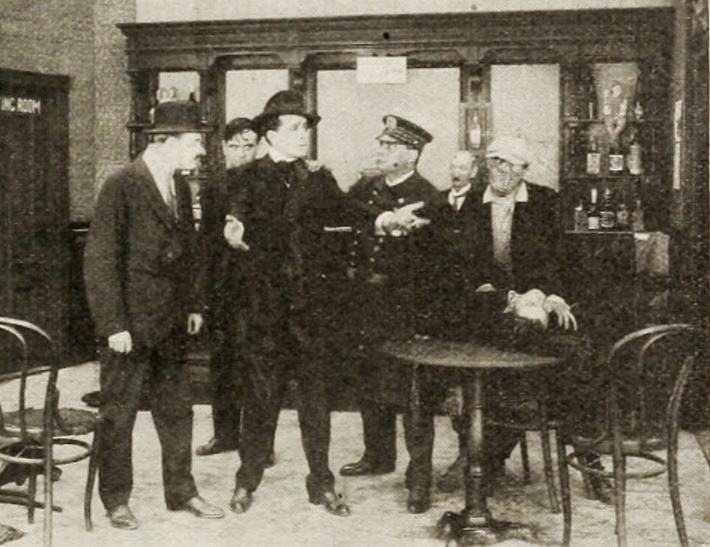
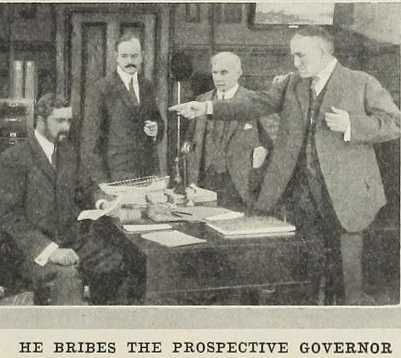
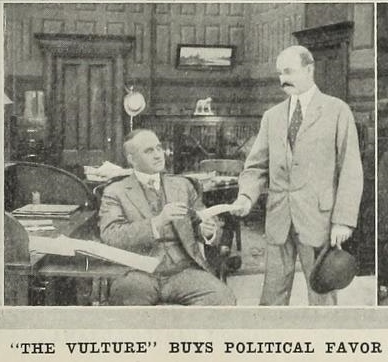
Frank Norman, a young idealist and radical, gains fame and popularity through his speeches, which are inspired by the writings of a young crippled girl, Ruth, who spends her life in an endeavor to bring justice before the eyes of a corrupt political city. Norman is elected candidate for governor upon the Radical ticket. Carter, a financier known as "The Vulture," wishes to control the actions of the possible Governor, but Norman is above bribery. Several clever ruses are resorted to in an attempt to compromise him and place him in Carter's hands, but without success. Vera, the daughter of Carter's cats-paw, who has met and fallen in love with Norman, is persuaded to use her influence to make Norman accept the bribe. Upon the realization of Norman's contempt for her the girl's better nature is roused and she warns him against his enemies, thus becoming a friend of both Ruth and Norman. Carter, furious at being balked in his designs, plans a frame-up which will place Norman safely in jail and disqualify him in the election. The frame-up is successful; the shooting of a gangster in a saloon being attributed to Norman, who, though realizing that he is in the hands of "The Vulture," is unable to protect himself. The wounded gangster is placed in a hospital under strict supervision of the politicians, who allow no one to see him. Resorting to a strategy Norman's political manager, accompanied by the cats-paw's daughter Vera, manages to reach the gangster, obtaining a statement exonerating Norman. Norman is at once released, while a wholesale arrest is made of his enemies. The death of "The Vulture" occurs dramatically when he is confronted by an ex-bookkeeper, an innocent victim who has been railroaded to jail and returned for revenge. The shock causes heart failure, which is fatal. Norman is elected Governor, but the night of his triumph is saddened by the death of Ruth, who, before dying, indicates her desire to have Vera and Norman marry. A wonderful vision appears to Ruth in which she sees Justice prevail at last for the working man, and Truth and Honesty in politics.
Review Excerpt
"
Spoiler-rich excavation below—enter only if you’re ready to have century-old secrets blown wide open.
Plot Combustion in Detail
The film’s first reel unfolds like a lithograph in motion: tenements yawning with laundry lines that resemble nooses, newsboys hawking broadsheets inked with blood-red scare-heads. Into this chiaroscuro strides Frank Norman—played with combustive earnestness by William Phillips—whose campaign feels less like politics and more like tent-revival fervor. Every close-up ..."