DbcultAccessing Vault...
Cult Review
Senior Film Conservator
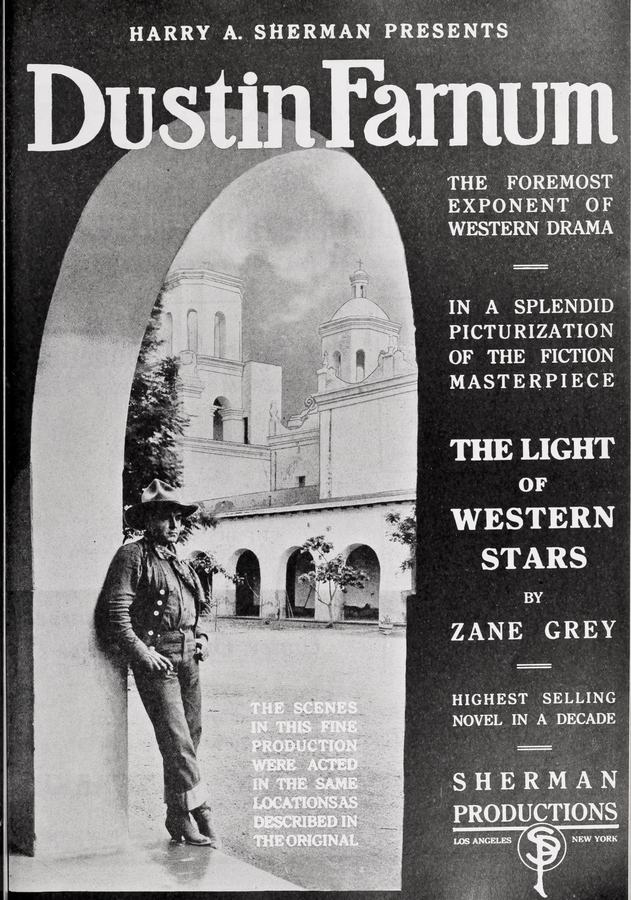
Zane Grey’s pulp poetry galloped onto the screen in 1920 under the title The Light of Western Stars, a film that now survives only in frayed reels and rumor, yet still flickers like a lantern in the archival night. What remains—intertitles, stills, contemporary reviews—reveals a morality play soaked in alkali dust, where land deeds carry more menace than six-shooters and a woman’s consent is the final frontier.
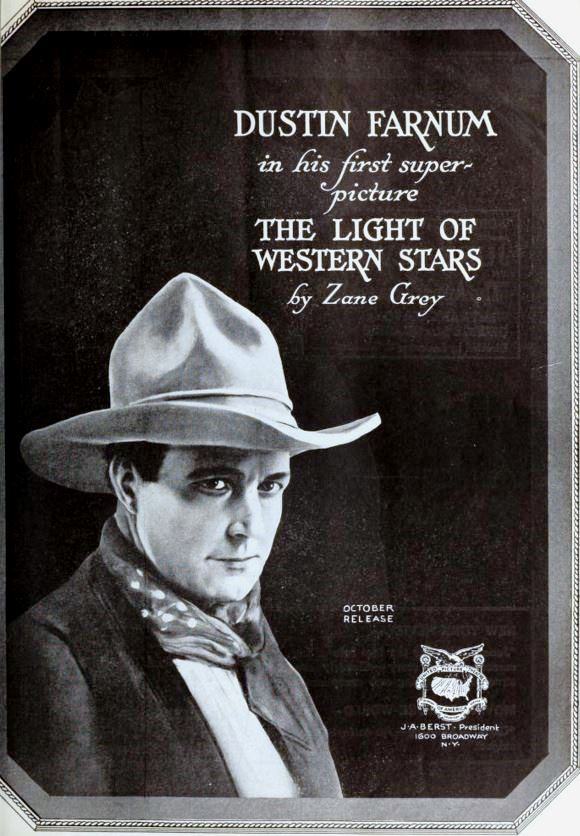
Dustin Farnum’s Dick Bailey is less cowboy messiah than bruised romantic, a man whose grief is so raw it steers him toward a drunken marriage pact. Farnum, fresh from The Envoy Extraordinary, lets his shoulders sag under moral fatigue; every stride toward justice looks like penance. Opposite him, Winifred Kingston’s Ruth Hammond arrives clad in city silk, eyes sharpened by bereavement. She is no schoolmarm-in-distress but a shareholder in sorrow, negotiating cow-camp politics with the same steel her banker father once reserved for railroad bonds.
Stack, the velvet-gloved predator.
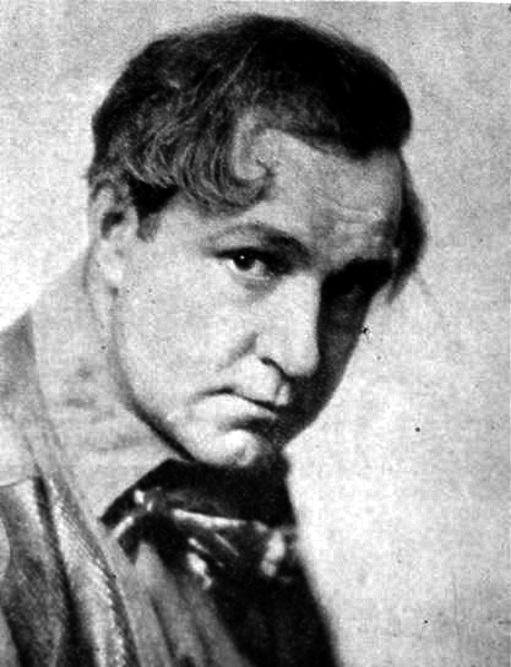
Ogden Crane imbues Stack with the languid cruelty of a cat toying with a sparrow. His tailored waistcoat, immaculate despite trail dust, signals capital’s new uniform in the West: the ledger supplants the lasso. Crane’s performance anticipates the corporate villains who would later haunt Always in the Way and The Lady of the Photograph, men who foreclose not merely on land but on memory.
Visually, director Charles H. Kaine weaponizes chiaroscuro like a silent-era Ford. Nighttime ranch interiors are painted with guttering lamplight that carves guilt into every plank; exterior vistas explode with tungsten sunsets that seem almost Expressionist beside the muted palettes of contemporaneous oaters such as Fiamma simbolica. The titular “light” is no pastoral glow but a magnesium flare exposing rot beneath the promise of Eden.
Soundless thunder: how silence amplifies tension.
Without spoken dialogue, every creak of saddle leather, every hoof-fall on packed adobe, becomes a potential death-knell. Kaine intercuts Ruth’s first sight of her dead brother’s bunkhouse with a single white glove lying abandoned—an image as ominous as any scaffold in Die Pagode. The intertitles, penned by Roy Clements, favor staccato bursts: “He bought your range with back-tax gold.” The parsimony of words paradoxically magnifies their sting.
Gender politics here are as tangled as barbed wire. Dick’s drunken proposal, played for comic shock, lands today as a cautionary tale of entitlement; yet Ruth’s refusal is neither hysterical nor preachy. She reclaims agency by mastering the books—those masculine ledgers of debt and deed—a narrative pivot that resonates with the proto-feminist beats later heard in The Wolf Woman. Still, the film cannot resist capitulating to romance: a final clinch amid swirling dust suggests that partnership, not justice, is the ultimate American restitution.
The sheriff’s star: tarnished metonym for institutional betrayal.
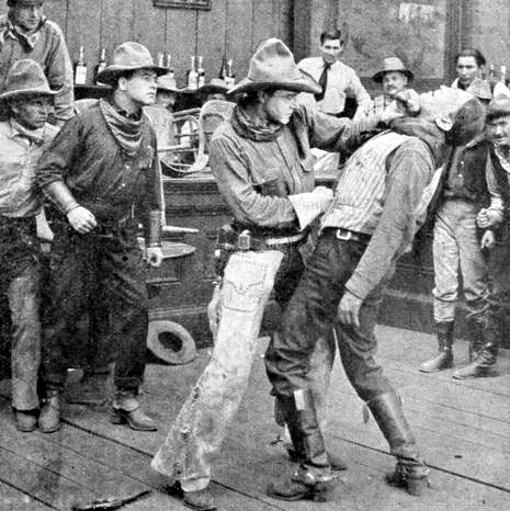
By 1920 audiences had grown skeptical of tin badges; post-war labor strikes and red scares colored every lawman’s oath with potential corruption. Hence the crooked sheriff here feels less like stock villainy than a cultural synecdoche. His alliance with Stack externalizes a systemic rot—a theme reprised in Balkan contexts by Bogdan Stimoff and even in Far Eastern allegories like In the Python’s Den.
Compositional grace notes linger: a silhouetted rider framed between twin saguaro sentinels; a close-up of Ruth’s hand hesitating over a foreclosure notice, knuckles bloodless; the moment Stack’s cigar tip glows in a moonlit window like a predator’s eye. These flourishes elevate the picture above program-filler status, aligning it with the pictorial ambition of The Land of Promise rather than the assembly-line westerns cranked out by Poverty Row.
Yet for all its visual bravura, Western Stars struggles under the moral absolutism of its source. Grey’s universe permits little nuance: cattle barons are either angels or demons; settlers are invariably virtuous. The screenplay truncates the novel’s subplot about Mexican vaqueros erased by manifest destiny, thereby sidestepping the racial hierarchies that undergird land ownership—a silence that echoes through frontier tales from A Mormon Maid to The Sixteenth Wife.
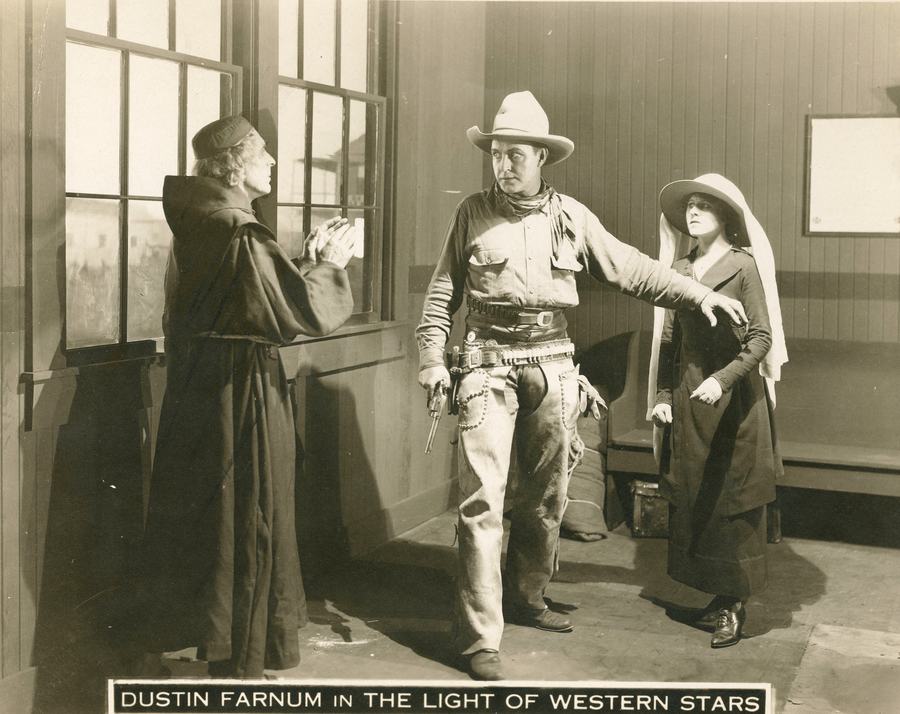
Pacing: a heartbeat that anticipates Leone’s standoffs.
The middle reel lingers on paperwork—tax receipts, lien notices—transforming bureaucratic minutiae into the ticking fuse of a thriller. Such procedural patience would later bloom in the spaghetti westerns where close-ups of sweating brows substituted for shoot-outs. When the climactic gunfight finally erupts, it is staged not in the main street but in a moonlit corral, a claustrophobic arena that foreshadows the circular finale of The Bugle Call.
Performances orbit around Kingston’s quiet ferocity. Note how she reins her body—hands clasped behind her back, chin tilted—to project authority without aping masculine swagger. Farnum counters with a loose-limbed volatility; his Dick Bailey is always half a second from either collapse or transcendence. In their two-shot confrontations, the space between them crackles like static before lightning, a chemistry more volatile than anything in Ignorance or Babbling Tongues.
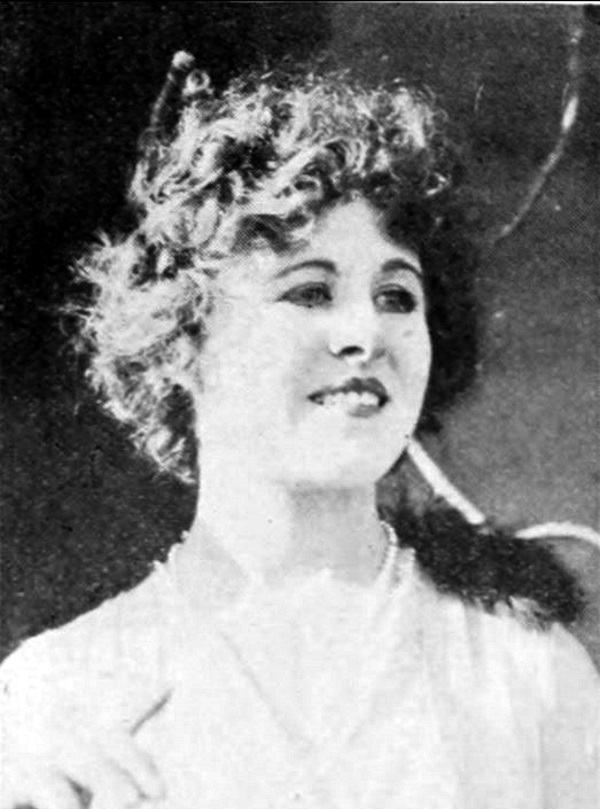
Music, though absent on the print, was originally prescribed by Hugo Riesenfeld: a leitmotif for Ruth built around a solo violin that ascends into harmonics mimicking wind across sagebrush; a snare-drum rattle whenever Stack appears, evoking the military-industrial swagger of capital. Contemporary exhibitors paired these cues with live effects—shotgun blanks, coconut hooves—turning each screening into event cinema predating the immersive gimmicks of Bushranger’s Ransom.
Legacy? The film grossed a respectable $350,000 on a $62,000 outlay, enough to green-light further Grey adaptations yet not enough to secure archivist reverence. Like nitrate dissolving in desert thermals, most prints flaked into oblivion. What survives are shards: a 220-foot fragment at MoMA, a German censor card trimmed for “excessive pistol brandishing,” lobby cards auctioned to private collectors who treasure them as secular relics. Still, its DNA persists: the template of outsider heroine reclaiming stolen acreage resurfaces in 1950s Westerns; the villain-as-banker reincarnates in 1980s neo-westerns; the marriage-as-strategy motif haunts cable melodramas.
Verdict: a ghost worth chasing.
Should some archive unearth a complete negative tomorrow, modern audiences would discover a film both archaic and startlingly contemporary—where fiscal violence eclipses Colt revolvers, where a woman’s signature can redraw the frontier, where redemption is measured not in bodies stacked but in title deeds restored. Until that resurrection, The Light of Western Stars remains a campfire tale told by historians, its embers glowing just enough to scorch the palm of anyone who dares approach. Seek it, should you stumble across a 16mm tin labeled merely “Western.” Inside may flicker the first light that ever dared to accuse the American dream of larceny.
IMDb 5.6
1931
Community
Log in to comment.