DbcultAccessing Vault...
5.8/10
Senior Film Conservator
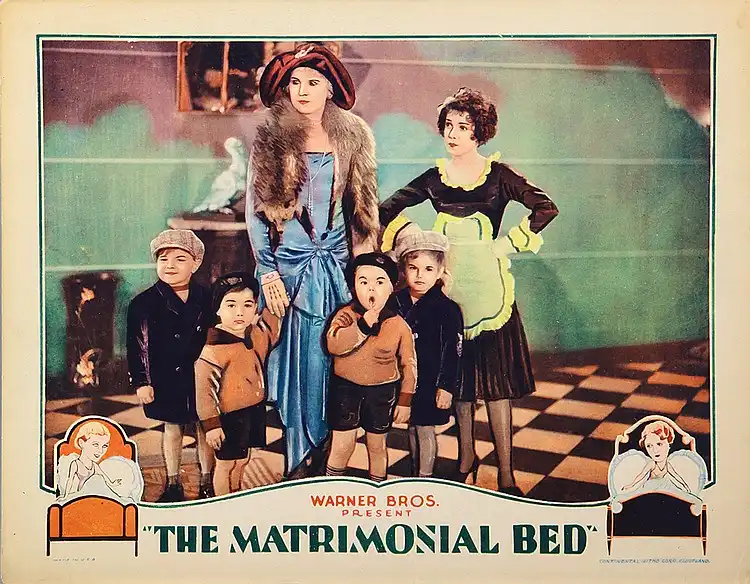
A definitive 5.8/10 rating for a film that redefined the boundaries of cult cinema. The Matrimonial Bed remains a cornerstone of transgressive art.
Okay, so The Matrimonial Bed? If you're into those old-school flicks, the ones right when sound came in, you might actually get a kick out of this one. It's got that specific kind of ~stage-play charm~ to it, you know?
Folks who love discovering early talkies, or just enjoy a good old mistaken identity romp, should definitely give it a look. But listen, if you're hoping for something fast-paced or super slick, you're probably gonna be bored. This isn't for the TikTok generation, let's just say.
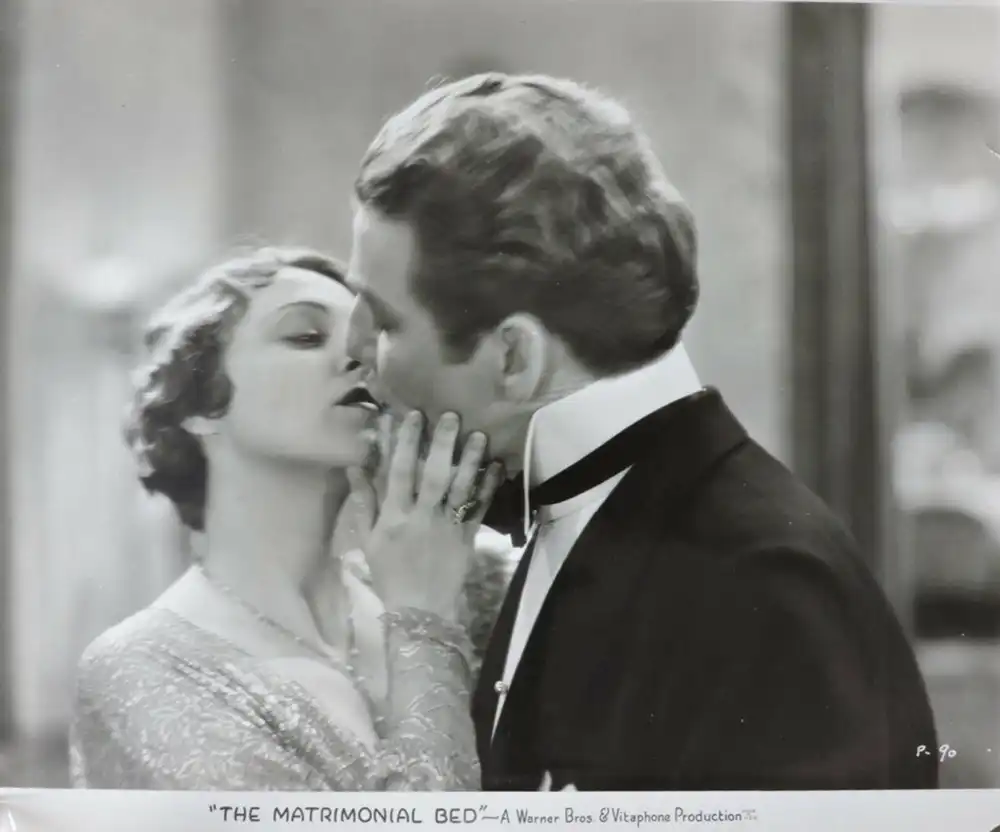
The whole thing hinges on Juliet Corton, played by Florence Eldridge. She sees this new hairdresser, and her mind just ~snaps~: that's her husband, presumed dead for five years after a train crash. It’s a bold premise, and Eldridge sells the heck out of that initial shock. You can almost feel her heart stop.
Frank Fay plays the husband, or *the hairdresser*, depending on how you see it. He plays it with this sort of charming cluelessness. Is he faking? Does he truly not remember? The movie makes you wonder for a bit, but honestly, you kinda figure it out pretty quick.
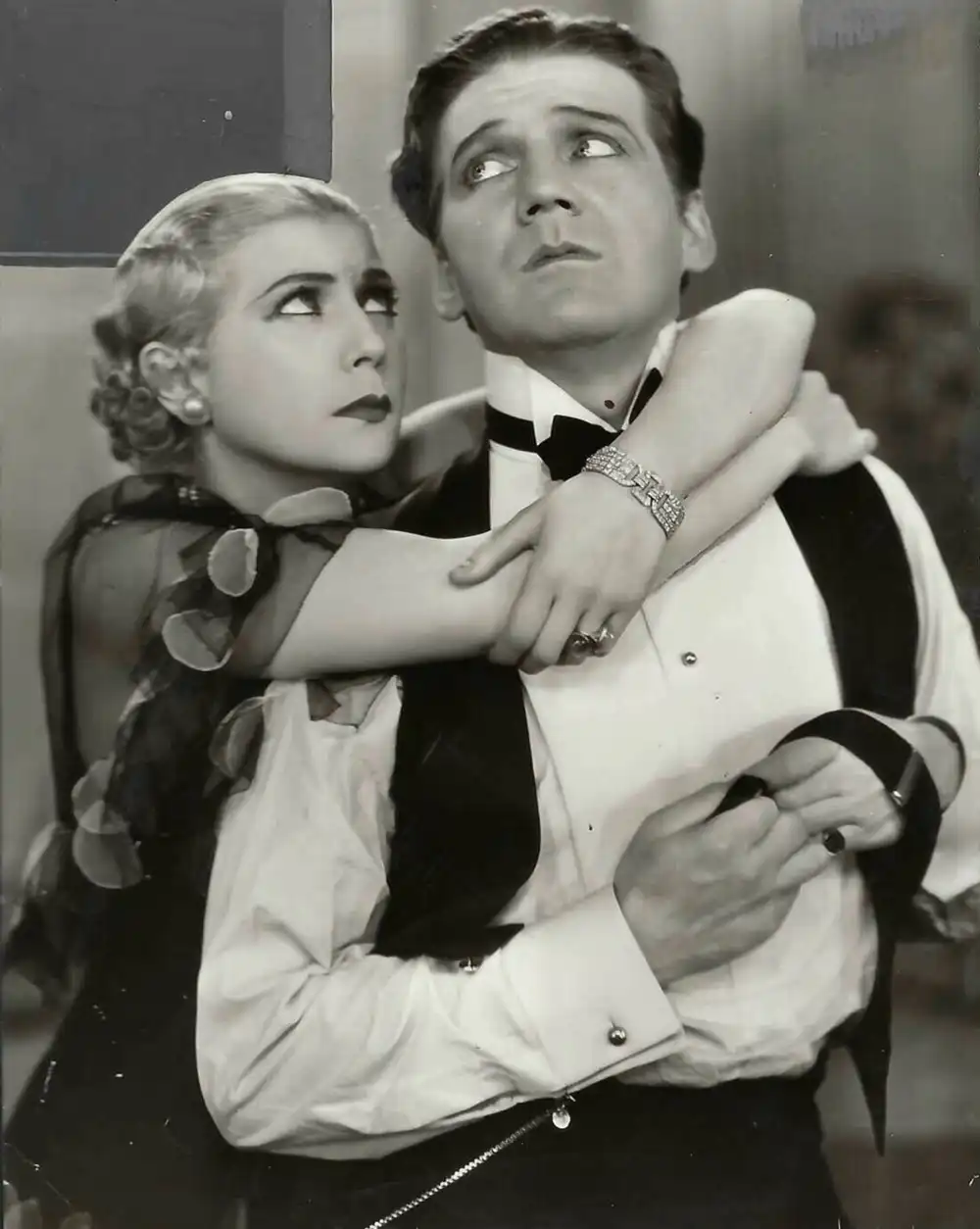
There's a scene where Juliet follows him, just watching him work. Her eyes are *so intense*, it's almost uncomfortable. Like, she's practically burning holes in the back of his head. He's just cutting hair, totally oblivious.
And then there’s Lilyan Tashman. Oh, Tashman! She pops up as a friend, a very ~modern~ woman for the era. She brings this sharp wit to every line. She's just dripping with sarcastic observations. It’s a joy every time she’s on screen.
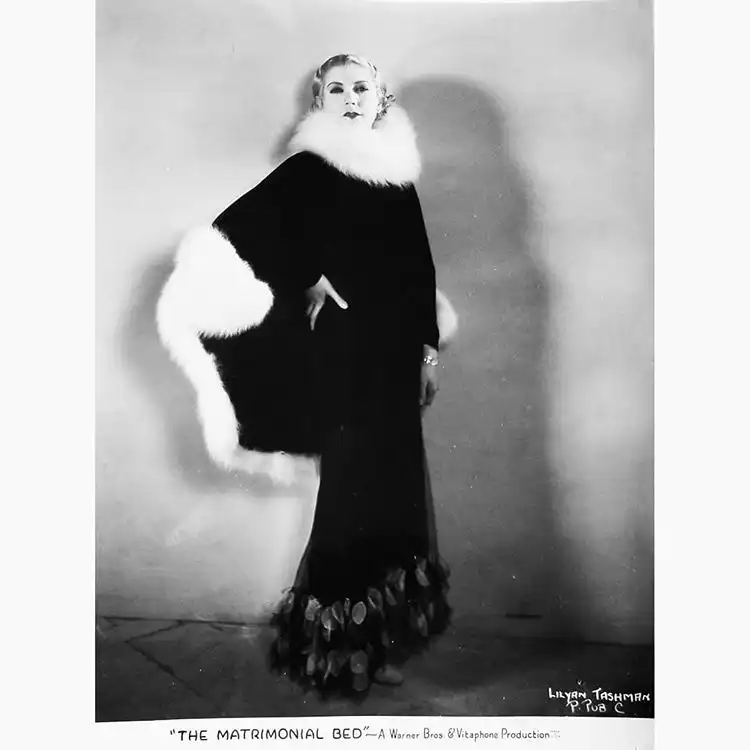
Her costumes are amazing too. Seriously, you could just watch her scenes for the fashion alone. They're so distinct from everyone else’s, like she stepped out of a different, more glamorous movie.
The pacing, as you'd expect from 1930, is a bit… leisurely. Lots of long shots, and dialogue scenes that feel like they're straight out of a stage play. Which, to be fair, a lot of these early talkies were.
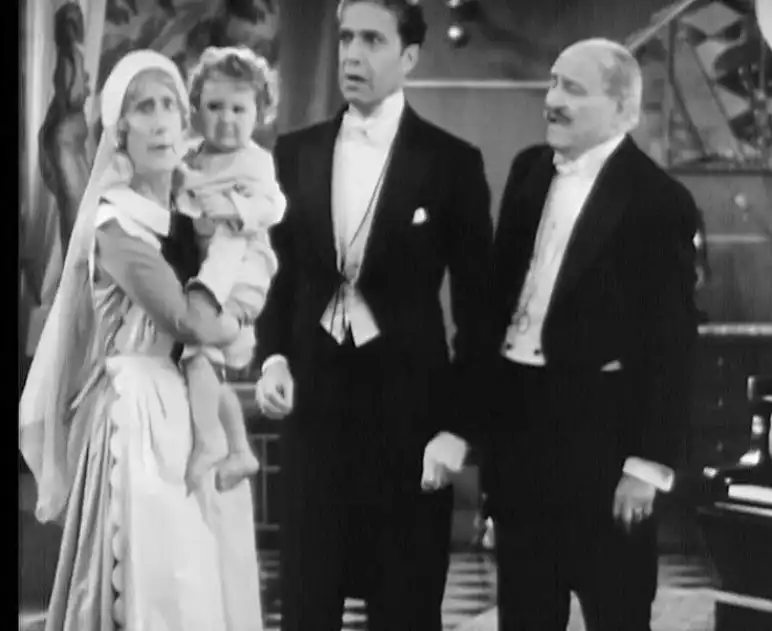
There's a moment where a character, I think it's James Gleason's character, makes a comment about how *everyone* seems to be getting a divorce. It’s a very quick line, but it really nails the ~pre-Code~ vibe. A little bit cheeky, a little bit jaded about marriage. It’s easy to miss, but it stands out.
The plot itself gets a bit tangled with secondary characters trying to figure out if he *is* or *isn't* the husband. There's a lot of running around, some whispered conversations. You can feel the gears turning, trying to keep the mystery alive.
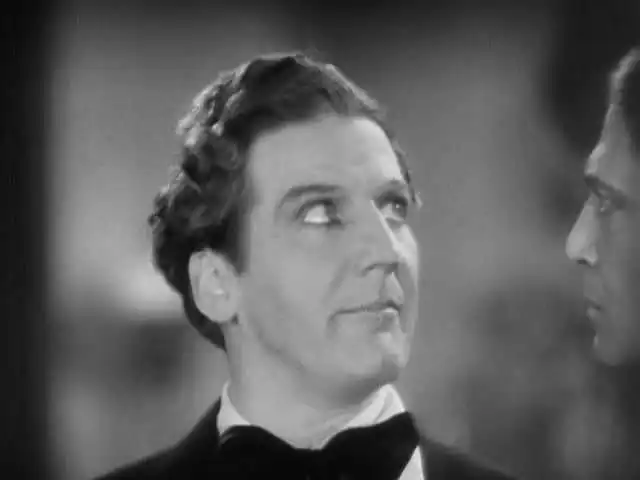
Sometimes the sound mix feels a little off, too. Like, one actor's voice is super clear, and the next is a bit muffled. It’s part of the charm, I guess, of these very early sound films. You’re definitely reminded of the technology evolving in real time.
The ending ties everything up in a neat little bow, maybe *too* neat. After all that emotional build-up, it feels a tiny bit rushed. But you know, it's a happy ending, mostly. A little predictable, but satisfying enough.
So, is it a masterpiece? No. But is it an interesting peek into early Hollywood, with some strong performances and a genuinely intriguing setup? Absolutely. It’s worth a watch on a lazy afternoon, especially if you appreciate how much cinema has changed.
IMDb —
1935
Community
Log in to comment.