Summary
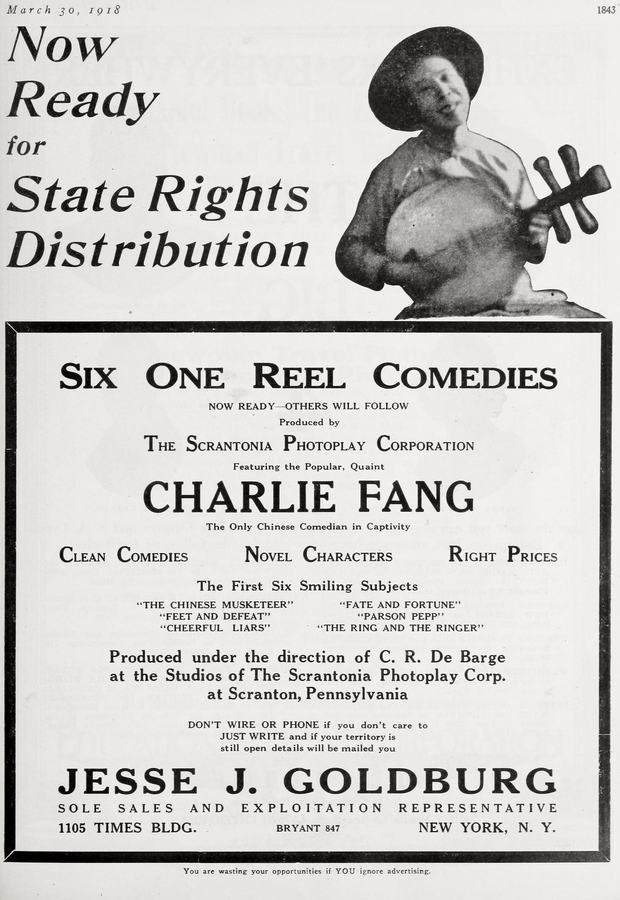
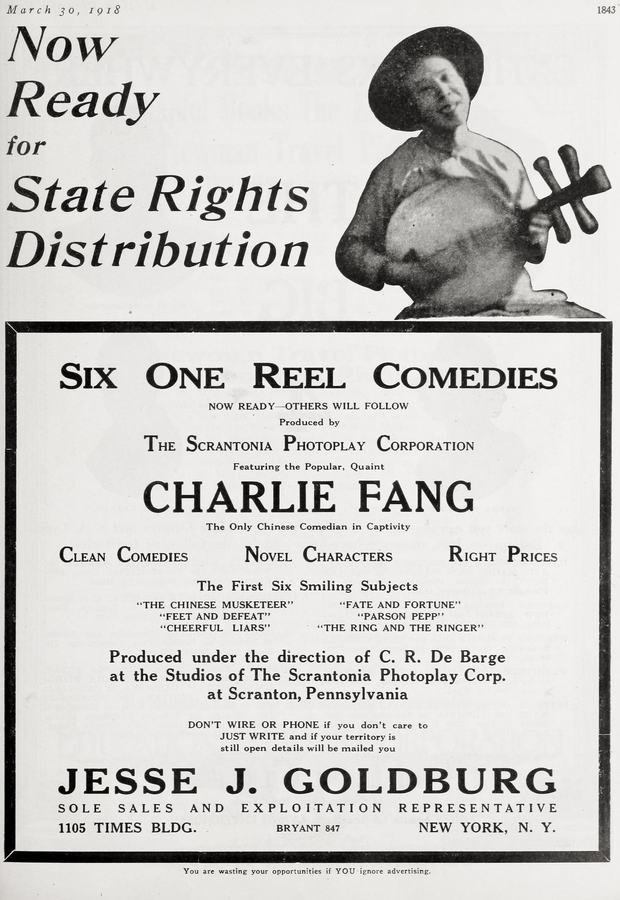
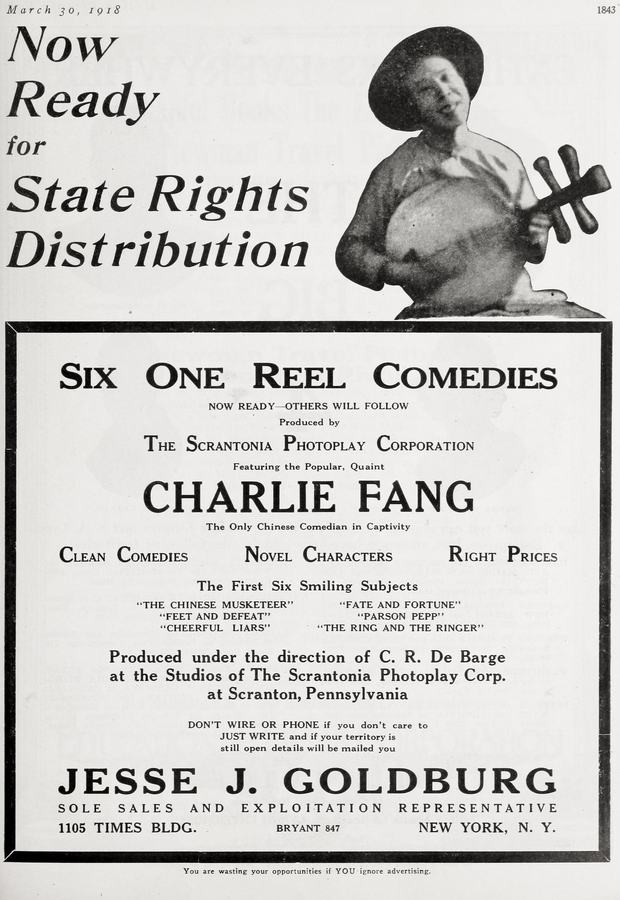
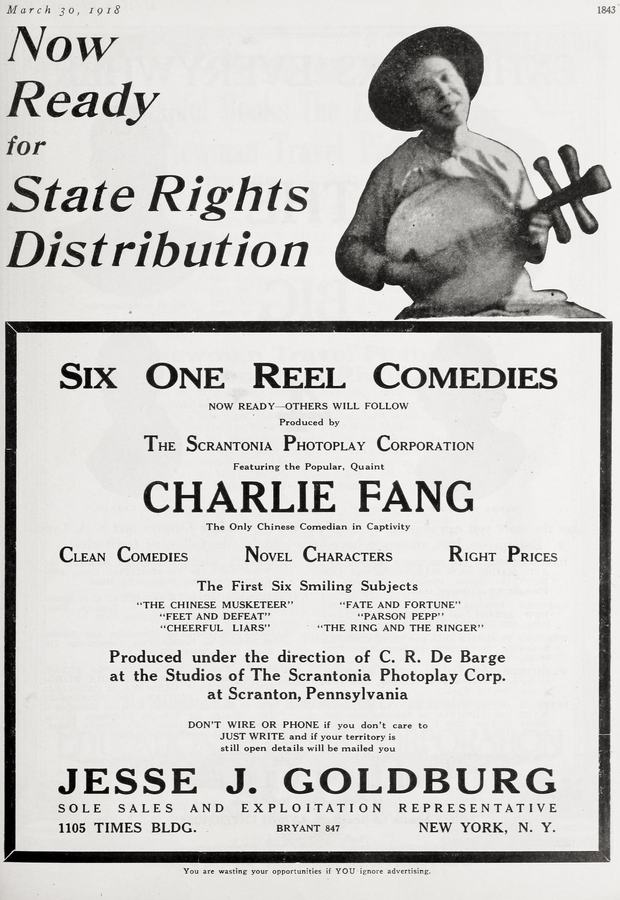
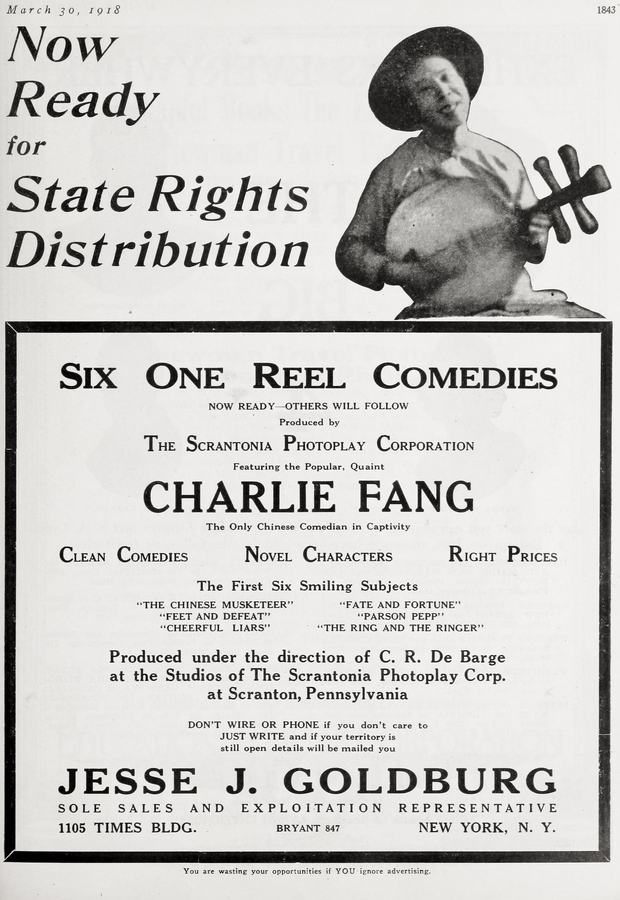
In the neon‑drenched underbelly of a sprawling metropolis, Charles Fang inhabits the role of Jun Li, a prodigious gambler whose uncanny ability to read the minutiae of human behavior makes him both a legend and a liability. The narrative unfurls as Jun, freshly liberated from a decade‑long prison sentence for a crime he insists was a miscarriage of justice, reenters a world that has evolved beyond his memory. A clandestine syndicate, the Crimson Lotus, now dominates the city's illicit betting circuits, and its enigmatic matriarch, Madame Xiu (portrayed with icy poise), extends an olive branch that is, in truth, a gauntlet. She commissions Jun to retrieve a lost ledger—a compendium of debts, favors, and betrayals that could topple the fragile equilibrium of power. As Jun delves deeper, he discovers the ledger is more than a mere accounting book; it is a metaphysical map of destiny, each entry a thread linking fate to fortune. Alongside a disillusioned journalist, Mei (a sharp‑tongued confidante whose own past intertwines with the syndicate), Jun navigates a labyrinth of back‑room poker tables, opulent banquet halls, and rain‑slick alleyways. Their pursuit is punctuated by flashbacks that reveal Jun's youthful apprenticeship under a mystic card‑dealer who taught him that the universe is a deck of cards, each shuffle a new possibility. The climax converges at the annual Festival of Lanterns, where the ledger must be burned to sever the syndicate's grip, but the act triggers a cascade of violent reprisals. In a final, breath‑stealing tableau, Jun sacrifices his own chance at redemption, opting instead to scatter the ledger’s pages across the city, thereby democratizing the power once hoarded by the Crimson Lotus. The film closes on a lingering shot of lanterns drifting into the night, their glow reflecting off rain‑slick streets, suggesting that destiny, like fortune, is perpetually in flux.
Review Excerpt
"
A Kaleidoscopic Exploration of Destiny
When the opening credits of Fate and Fortune bleed into the screen, the audience is immediately thrust into a chiaroscuro tableau where neon signage flickers against rain‑slick cobblestones. Charles Fang, embodying Jun Li, commands the frame with a gravitas that recalls the brooding intensity of the titular protagonist in The Frame‑Up. Yet Fang's performance transcends mere homage; he navigates a spectrum of emotion that oscillates between calculated d..."