DbcultAccessing Vault...
Cult Review
Senior Film Conservator
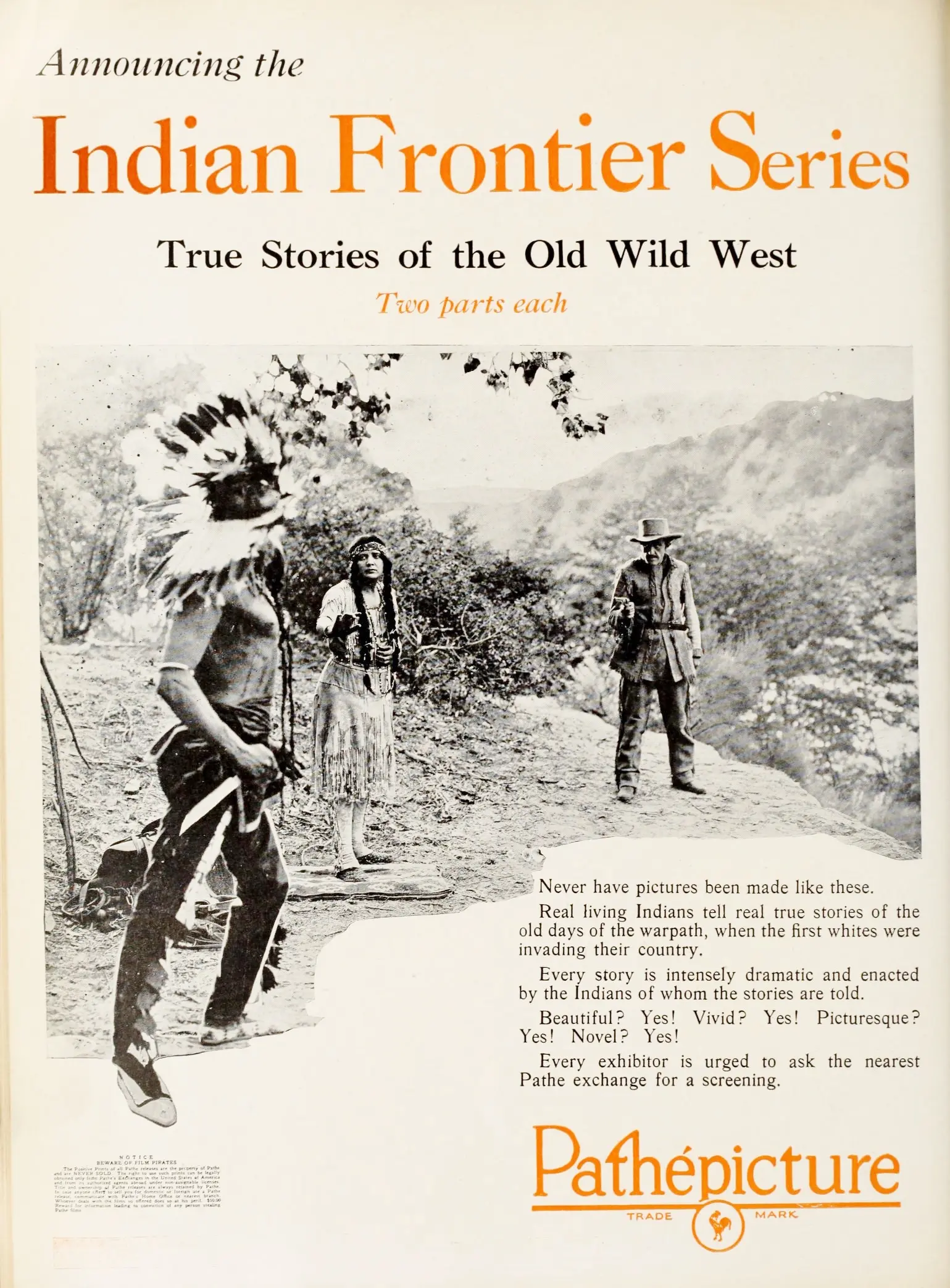
In the annals of early cinema, where narratives often unfolded with a charming simplicity yet resonated with profound human truths, The Medicine Hat emerges as a fascinating artifact. This film, a testament to the storytelling sensibilities of its era, offers a window into cultural encounters, the weight of tradition, and the enduring power of love. While details regarding its production and the full creative team remain somewhat obscured by the mists of time, the core narrative, starring the recognizable Paul Hurst, speaks volumes about the societal anxieties and romantic ideals prevalent at the dawn of the 20th century. It’s a narrative steeped in a particular kind of dramatic irony, where a seemingly trivial object becomes the fulcrum upon which destinies pivot, and a father's unyielding word threatens to eclipse his daughter's happiness.
The film commences with an intriguing premise: a Medicine Man of the Arapahoe, having journeyed to Washington for a conference with “White Men,” returns to his community bearing not just diplomatic insights, but a pair of highly symbolic head coverings. One, a military hat, represents the martial might and perhaps the alien customs of the newcomers; the other, a conventional top hat, is quickly imbued with extraordinary, almost supernatural, powers by the tribal members. This juxtaposition of the mundane (a top hat) with the mystical (its perceived powers) immediately establishes a central tension, reflecting the complex interplay between indigenous beliefs and encroaching Western influences. The Medicine Man himself, a figure of authority and wisdom, becomes a conduit for this cultural exchange, his possessions acting as tangible metaphors for the shifting sands of his people’s world. It’s a subtle yet potent commentary on how external objects can be recontextualized and reinterpreted within a different cultural framework, a phenomenon often observed in historical interactions between diverse societies.
The symbolic weight carried by these hats is immense. The military hat, a silent sentinel, perhaps signifies the unspoken threats or the inevitable transformations that contact with the outside world brings. In stark contrast, the top hat, a symbol of European formality and status, is transformed into an object of veneration, a vessel of numinous energy. This re-appropriation and spiritualization of a foreign object speaks volumes about the Arapahoe worldview, where the extraordinary can manifest in the most unexpected forms. It also hints at a broader theme: the human tendency to seek meaning and power in the tangible, to project belief onto the material world. The Medicine Man's display of these items is not merely an exhibition; it's a ceremonial unveiling of new realities, new powers, and new challenges that his people must grapple with.
The narrative's central conflict ignites through an incident of seemingly innocent carelessness. During the Medicine Man's presentation, his daughter, in a moment of youthful oversight, accidentally sends an arrow piercing through the revered top hat. This single, impulsive act—a breach of the hat's perceived sanctity—triggers an immediate and severe consequence. The Medicine Man, driven by an unwavering adherence to his word and perhaps a belief in appeasing the offended spirits of the hat, declares a solemn vow: his daughter will be given in marriage to the first man who asks for her hand. This dramatic pivot underscores the immense power of an oath within this cultural context, demonstrating how a father's declaration, once uttered, becomes an unbreakable bond, regardless of the personal cost to those involved. It’s a stark illustration of patriarchal authority and the limited agency afforded to women in many societies of the time, themes that resonate with similar dilemmas found in other early films exploring societal constraints on individual desire.
The immediate claimant is a character aptly named The Weasel, whose very moniker suggests cunning and opportunism. His swift declaration of intent, made with little regard for the daughter's obvious distress, highlights his self-serving nature. The daughter's protestations are, for a time, futile against the weight of her father’s word. This sequence is particularly poignant, capturing the helplessness of a young woman whose destiny is determined by male decree and an unfortunate accident. It sets up a classic cinematic struggle between duty and desire, tradition and individual happiness. The audience is immediately drawn into her plight, rooting for her escape from this unwanted union. The silent film medium, relying heavily on visual cues and exaggerated expressions, would have amplified her despair and The Weasel's predatory eagerness, creating a powerful emotional contrast.
True love, however, rarely succumbs to such arbitrary decrees. The daughter’s devoted lover, whose name remains unstated but whose intentions are clear, steps forward as her champion. His intervention is both brave and desperate, a direct challenge to the established order and The Weasel's claim. The confrontation between the lover and The Weasel likely formed a significant dramatic peak in the film, showcasing the lover’s unwavering commitment. The Weasel, confronted by the lover's threat, eventually acquiesces, agreeing to relinquish his claim. This capitulation, though a momentary victory for the lovers, doesn't resolve the core issue; the Medicine Man's word still stands, a formidable barrier to their union. The scene likely played out with intense visual drama, perhaps a physical struggle or a tense standoff, characteristic of the action sequences of the era. Paul Hurst, known for his robust screen presence, would have brought a compelling intensity to such a confrontation, embodying the determined spirit of the lover.
The Medicine Man's steadfast refusal to retract his promise underscores the profound cultural significance of his oath. In many indigenous cultures, and indeed in numerous historical societies, a spoken word, especially from a figure of authority, carried immense weight and was considered binding. To renege on such a promise would not only be a personal dishonor but potentially a disruption of cosmic or communal harmony. This aspect of the plot delves into the deeper ethics of tradition, where personal desires often had to yield to communal expectations and sacred vows. It poses a moral quandary: is the strict adherence to a principle always the most just path, especially when it causes suffering? The film, through this very dilemma, invites the audience to ponder the complexities of honor and duty, a theme that echoes through countless stories from antiquity to modern cinema.
The resolution of this intricate dilemma arises not through brute force or simple persuasion, but through the daughter's astuteness and the lover's dedication. The daughter, demonstrating agency and intelligence that belie her initial helplessness, uncovers evidence of The Weasel's thieving nature. This revelation is crucial; it not only discredits The Weasel's character but provides a moral justification for circumventing the Medicine Man's vow. The exposure of The Weasel as a thief transforms him from a mere opportunistic suitor into a morally reprehensible figure, someone unworthy of receiving any blessing, let alone a bride. This narrative twist introduces an element of poetic justice, ensuring that the villain’s own misdeeds lead to his downfall, a common and satisfying trope in early storytelling. It's a moment where the film shifts from a focus on arbitrary fate to one where moral rectitude ultimately prevails.
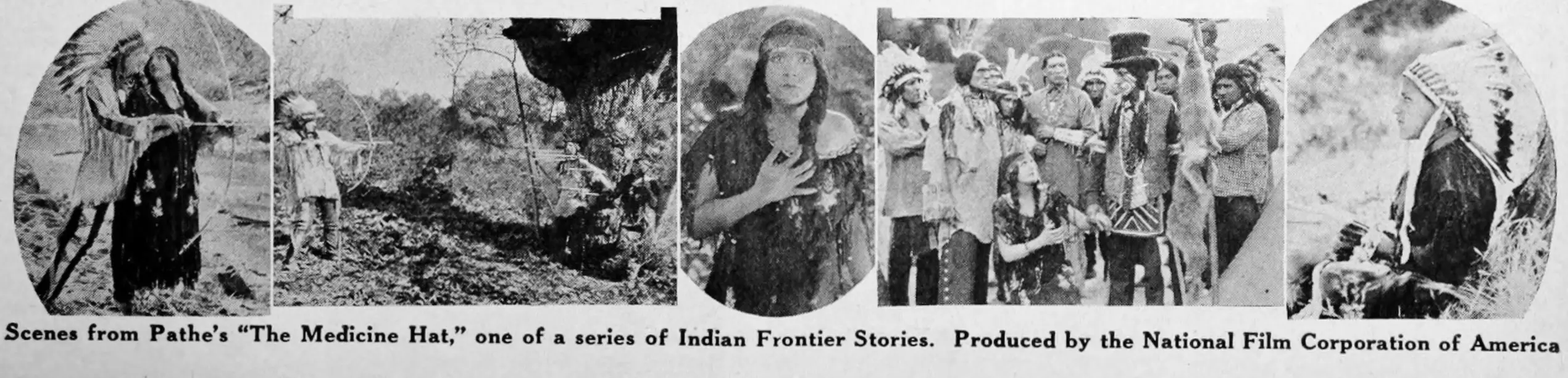
Concurrently, the lover undertakes the task of mending the damaged top hat. This act is profoundly symbolic. It is not merely a repair of a physical object, but a restoration of its perceived magical integrity, and by extension, a mending of the breach of honor that led to the Medicine Man's vow. The careful, diligent repair of the hat signifies respect for tradition, an understanding of the cultural weight attached to the object, and a willingness to rectify the initial transgression. It’s an act of humble service that demonstrates his worthiness, not just as a lover, but as a member of the community who respects its customs and beliefs. The mending of the hat, therefore, becomes a metaphor for the mending of the broken promise, allowing the Medicine Man to retract his word without losing face or violating his sense of honor. This dual resolution—the exposure of the villain and the symbolic mending of the sacred object—provides a neat and satisfying conclusion, a common characteristic of films of this period, much like the clear-cut good-versus-evil narratives seen in Golden Rule Kate or the eventual triumph of order in By Divine Right.
While specific directorial credits for The Medicine Hat are often elusive in historical records, the performance of Paul Hurst would have been central to its impact. In the silent era, actors were the primary vehicles for conveying emotion and narrative progression. Hurst, a prolific actor who transitioned seamlessly from silent films to talkies, often brought a robust, often villainous, but sometimes heroic, presence to the screen. In the role of the lover, he would have had to convey deep affection, fierce protectiveness, and determined resolve through facial expressions, body language, and gestures – the universal language of silent cinema. His physical stature and intense gaze would have made the confrontation with The Weasel particularly compelling, lending credibility to the lover's threat and The Weasel's subsequent retreat. The success of such a film hinged on the ability of its cast to translate complex emotions and motivations without spoken dialogue, a skill that Hurst undoubtedly possessed.
The visual storytelling, a cornerstone of silent film, would have been paramount. Cinematography, even in its nascent stages, aimed to capture the drama through carefully composed shots and evocative lighting. One can imagine close-ups on the daughter's tear-streaked face, the Medicine Man's stern expression, The Weasel's shifty eyes, and the lover's determined hands as he mends the hat. These visual cues, coupled with intertitles, would have guided the audience through the emotional landscape of the story. The pacing, too, would have been carefully managed, building tension during the crisis and offering catharsis in the resolution. While we don't have detailed critiques of the direction, the coherent narrative suggests a competent hand guiding the visual flow, ensuring that the audience understood the stakes and the emotional arc of the characters. The ability of such films to communicate universal themes across cultural and linguistic barriers is a testament to the ingenuity of early filmmakers.
At its heart, The Medicine Hat is a poignant exploration of honor and the profound weight of a promise. The Medicine Man's initial refusal to retract his word, despite the distress it causes his daughter, speaks to a deeply ingrained cultural value where personal integrity is paramount. This theme is not unique to indigenous narratives; it's a universal human struggle, seen in countless tales where characters are bound by oaths, sometimes to their detriment. However, the film cleverly navigates this by demonstrating that true honor can also lie in discerning when a promise, made under duress or misconception, can be justly revoked. The discovery of The Weasel's thievery provides the necessary moral loophole, allowing the Medicine Man to reconcile his honor with his paternal love.
Love, naturally, forms the other crucial pillar of the narrative. The unwavering devotion of the daughter's lover is the driving force behind the plot's resolution. His willingness to challenge the status quo, confront the antagonist, and even humbly repair the symbolic object underscores the transformative power of genuine affection. It’s a classic romantic trope, but rendered with a cultural specificity that makes it unique. The union of the lovers at the film's conclusion is not merely a happy ending; it’s a restoration of natural order, a triumph of sincere emotion over opportunistic maneuvering. This romantic arc, while straightforward, carries significant emotional resonance, aligning it with other simple yet heartfelt narratives of the era like I Love You or Love and Doughnuts, which similarly prioritized the journey of affection.
Furthermore, the film subtly touches upon the theme of cultural understanding and misunderstanding. The top hat, initially a foreign object, gains spiritual significance within the Arapahoe context. The accidental damage to it, and its subsequent repair, can be seen as a microcosm of cultural interactions – where missteps occur, but reconciliation and adaptation are possible. It’s a narrative that, while perhaps not overtly critical of colonial encounters, implicitly highlights the delicate balance and potential for both harmony and discord when different worlds collide. The film, in its depiction of indigenous characters, reflects the prevailing attitudes and portrayals of the time, which often walked a fine line between romanticization and caricature. Nevertheless, within its confines, it attempts to give weight to indigenous customs and beliefs, even if viewed through a Western lens.
The Medicine Hat, despite its brevity and the scarcity of accompanying historical detail, offers a compelling narrative that transcends its silent film origins. It speaks to universal human experiences: the accidental catalyst, the binding power of a promise, the struggle against injustice, and the ultimate triumph of love and integrity. For contemporary audiences, it serves as a valuable historical document, offering insight into early cinematic techniques, the acting styles of figures like Paul Hurst, and the societal narratives that captivated viewers a century ago. Its exploration of cultural exchange, even if simplified, remains relevant in discussions of representation and cross-cultural understanding. While it lacks the slapstick genius of a Cops or the pioneering special effects of The Invisible Ray, its strength lies in its emotional clarity and thematic depth, proving that even simple stories can carry profound messages.
The film’s enduring appeal lies in its ability to distil complex human dilemmas into an accessible, visually driven story. It reminds us that even in an era of nascent filmmaking, storytellers were grappling with themes of honor, justice, and the power of individual agency against societal constraints. The happy resolution, while predictable by modern standards, provides the emotional closure that audiences craved, reinforcing the idea that good ultimately triumphs over evil, and that true love, when coupled with cleverness and conviction, can overcome formidable obstacles. It’s a charming, insightful piece of cinematic history that warrants appreciation for its narrative craftsmanship and its subtle yet resonant cultural commentary. A small film, perhaps, but one with a surprisingly large heart and a lasting echo.
IMDb 7.5
1932
Community
Log in to comment.