DbcultAccessing Vault...
Cult Review
Senior Film Conservator
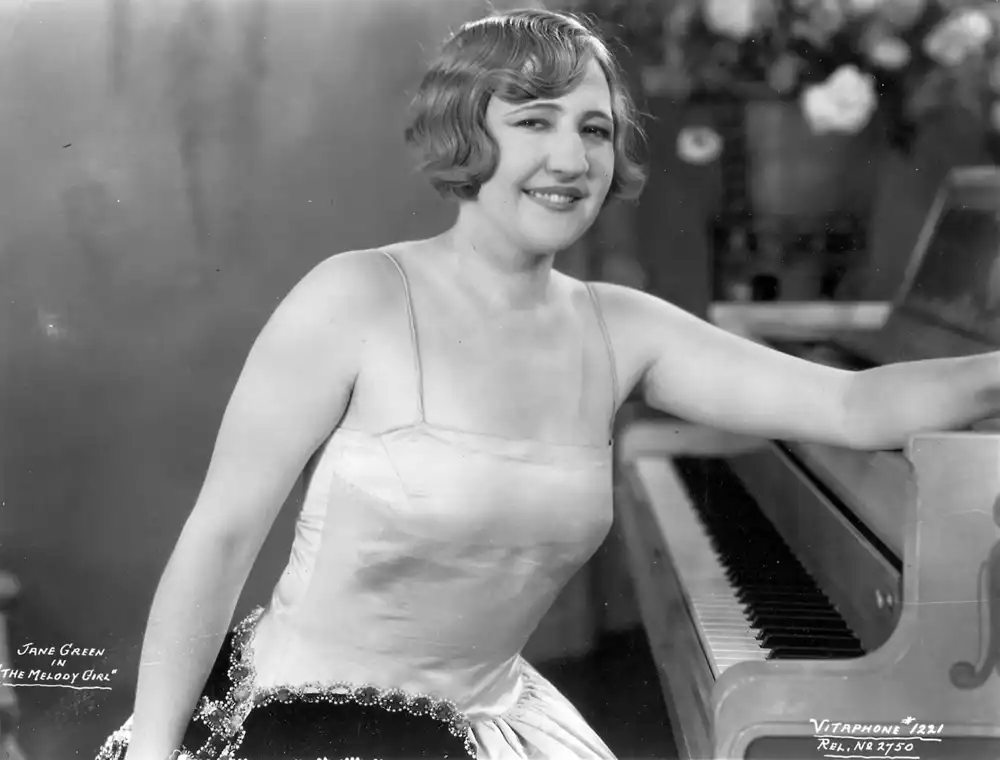
So, The Melody Girl. If you’re into those early silent dramas, the ones where emotions are big and everything feels a bit grand, you might find something here. It's not for everyone, though. Folks who need fast cuts and a lot of talking will probably be bored stiff. But if you appreciate the craft of a time before sound, this one’s got a certain charm, even with its wobbles.
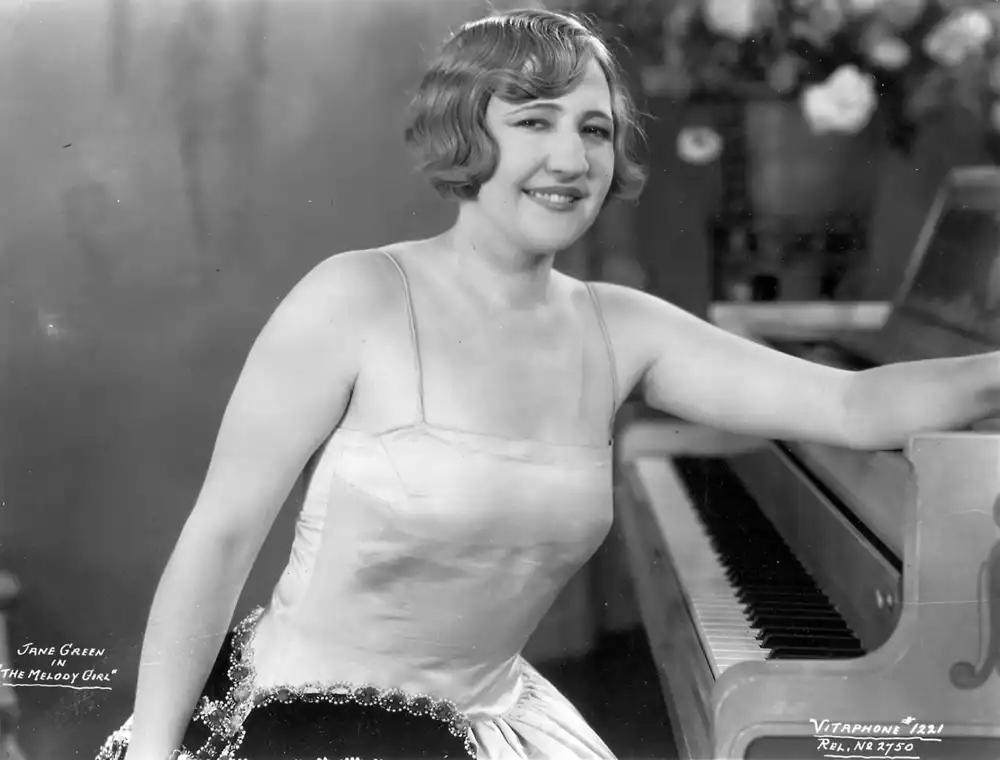
Right from the start, you get this sense of a story trying to be both delicate and sweeping. Our protagonist, the 'Melody Girl' herself, plays the piano with such earnestness, you almost believe the music is actually happening. It’s a sweet, almost naive portrayal of artistic passion.
Her family, especially her stern father, provides the usual dramatic roadblock. He's got that classic, disapproving glare that silent film dads perfected. Every head shake feels like a pronouncement of doom. 😩
Then she meets the dashing young man, and the whole thing kicks into gear. Their early scenes together, often shot with soft focus, try hard to convey a deep, instant connection. It’s all stolen glances and yearning looks.
There's this one moment, they’re in a park, and he picks a flower for her. It sounds simple, but the way she accepts it, almost like it's a sacred offering, really hammers home the era's romantic ideals. You don't see that kind of pure, unironic gesture much anymore.
The print I watched, it had some noticeable scratches, especially during the middle act. It kind of reminded me that you’re watching history, you know? Like seeing the wear on an old photograph. It adds a certain authenticity, I think.
The villain, or rather, the *other* suitor, is just so cartoonishly jealous. Every time he scowls or clenches his fists, you half expect a puff of smoke to come out. It’s fun in a way, but also a bit much. The dramatic eye rolls, oh my.
And those intertitles! Some of them are just so… on the nose. Like, “His heart yearned for her melody,” or something equally flowery. You can tell they really wanted to make sure you got the message. 📝
The pacing, for a silent film, is actually pretty decent for the first hour. It moves along, introduces conflicts, resolves a few. But then it hits this patch where the same dramatic misunderstanding keeps cycling. You just want to shake the characters and tell them to talk it out!
There's a scene where the Melody Girl is performing, and the camera lingers on her face. You can see the effort, the emotion she's trying to convey without words. It’s A Sister to Carmen levels of expressive without the fiery dance.
I did notice the crowd scenes have this oddly empty feeling sometimes. Like half the extras wandered off for a tea break. It pulls you out of the moment a tiny bit.
The ending, without giving too much away, tries to tie everything up with a big, emotional bow. It’s satisfying enough, but perhaps a little too neat after all the manufactured drama. You almost feel the movie trying to convince you this moment matters so much.
Is it a forgotten masterpiece? Nah, probably not. But it’s a nice window into the kind of stories that captivated audiences back then. It’s got heart, for sure, even if some of its beats are a little clunky by today’s standards.
I mean, the whole idea of a 'melody girl' is so charmingly old-fashioned. It just makes you wonder what kind of tunes she was really playing. 🤔
IMDb 6.7
1932
Community
Log in to comment.