DbcultAccessing Vault...
7/10
Senior Film Conservator
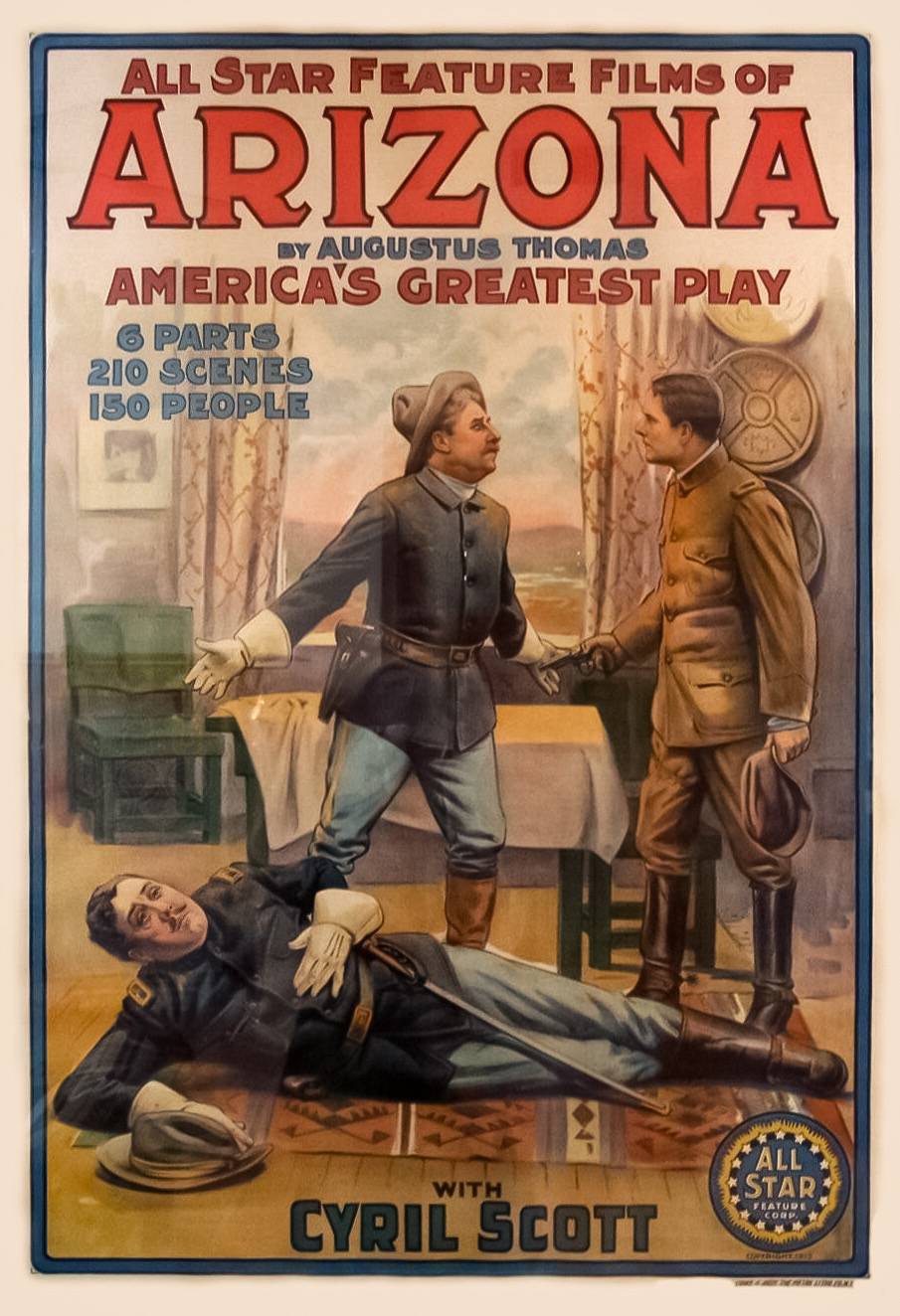
A definitive 7/10 rating for a film that redefined the boundaries of cult cinema. Arizona remains a cornerstone of transgressive art.
Ah, 'Arizona.' The very title conjures images of vast, unforgiving landscapes, where honor is forged in the crucible of harsh realities and human passions burn with an intensity rivaling the desert sun. This isn't merely a film; it's a meticulously crafted dramatic tapestry woven from threads of duty, sacrifice, and the intricate dance of societal expectations versus personal integrity. Released in an era when cinema was still finding its voice, 'Arizona' stands as a testament to the power of narrative to explore the most profound corners of the human heart. It plunges us headfirst into a world where a man's reputation, particularly within the rigid hierarchy of the U.S. Cavalry, is everything, and a woman's honor, once tarnished, can have catastrophic repercussions. It’s a compelling study of moral courage, a quiet storm brewing beneath the stoic exteriors of its protagonists, leaving an indelible mark on anyone who delves into its depths.
At its core, 'Arizona' presents an agonizing ethical dilemma, one that resonates far beyond the confines of its early 20th-century setting. We witness a U.S. Cavalry officer, a man presumably of impeccable character and unwavering dedication, faced with an unenviable choice. His superior officer's wife, caught in a moment of profound indiscretion, finds her reputation – and by extension, her husband's and the entire social fabric of their military community – hanging precariously in the balance. Instead of exposing the truth, or retreating into the safety of self-preservation, our protagonist makes a decision that defines the very essence of heroic sacrifice: he deliberately and publicly compromises his own standing, allowing his name to be sullied, to cast a protective shadow over her vulnerability. This isn't a simple act of chivalry; it's a calculated, heart-wrenching immolation of self, a profound act of moral fortitude that speaks volumes about the character's internal landscape. It’s a narrative arc that compels us to question the true cost of honor and the lengths one might go to preserve the dignity of another, even when that dignity has been self-inflictedly imperiled.
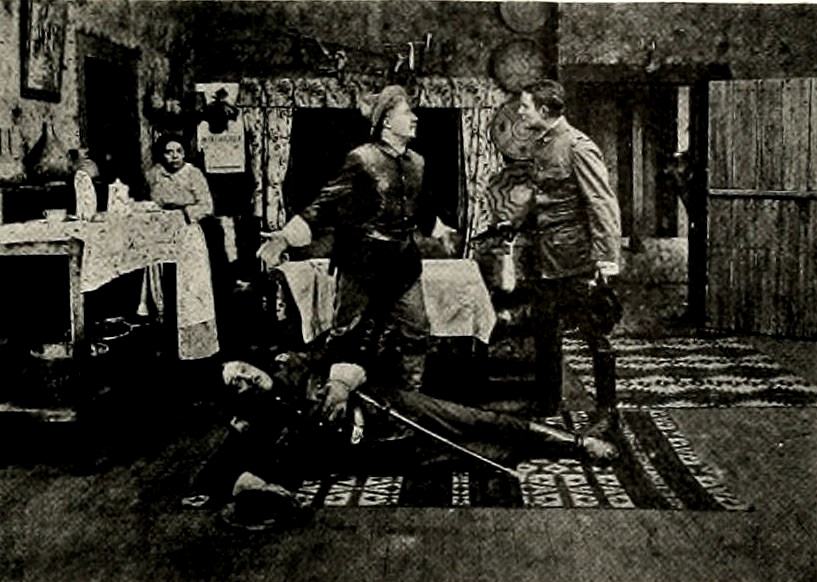
While early cinema often relied on broad gestures, the performances in 'Arizona' manage to convey a surprising depth of emotion, a testament to the caliber of its cast. Robert Broderick, presumably in the pivotal role of the sacrificing officer, must have navigated a complex emotional terrain, portraying the inner turmoil of a man who willingly embraces ignominy for a higher, if unspoken, purpose. His portrayal would have needed to balance stoicism with vulnerability, conveying the silent agony of his choice. Similarly, Gail Kane, as the unfaithful wife, had the challenging task of eliciting both sympathy and condemnation. Her performance would have been crucial in establishing the stakes, making her predicament feel genuinely dire and her salvation worthy of such a monumental sacrifice. The subtle nuances in early film acting often go unappreciated by modern audiences accustomed to dialogue-driven drama, but these actors, under the astute direction implied by such a powerful story, undoubtedly delivered performances that resonated with contemporary viewers.
The supporting cast, including Cyril Scott and William Conklin, would have been instrumental in building the social ecosystem of the cavalry post. Their reactions, their judgments, and their eventual understanding (or misunderstanding) of the protagonist's actions would have provided the necessary societal mirror, reflecting the intense pressures and expectations of military life. In an era where character development was often conveyed through visual storytelling rather than extensive dialogue, the ability of these actors to communicate complex emotions through expression and physical presence was paramount, turning what could have been a simplistic morality play into a nuanced human drama. Augustus Thomas, the writer, provided a robust foundation for these performances, crafting a narrative that prioritized character-driven conflict and moral gravity.
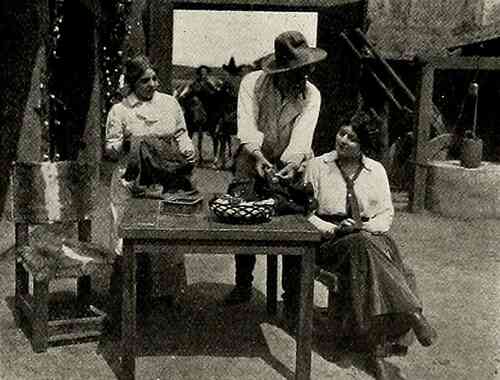
The genius behind 'Arizona' significantly lies in the masterful script penned by Augustus Thomas. A celebrated playwright of his time, Thomas brought a theatrical sensibility to the cinematic medium, understanding the power of dramatic tension and well-defined character arcs. His writing elevates the simple premise into a profound exploration of human ethics. He doesn't shy away from the moral complexities, presenting a scenario where the 'right' action is anything but easy, and where personal sacrifice becomes the ultimate expression of a flawed, yet noble, humanity. Thomas’s ability to imbue the narrative with such gravitas, even in the nascent stages of filmmaking, is remarkable. The story’s pacing, the build-up of suspense around the impending revelation, and the eventual, devastating choice of the protagonist are all hallmarks of a writer at the peak of his craft. It’s a narrative that, despite its age, feels remarkably contemporary in its psychological depth, a testament to Thomas’s enduring understanding of the human condition.
Placing 'Arizona' within the broader landscape of early cinema offers fascinating insights. While direct comparisons are often challenging given the vast stylistic differences across eras, the film's thematic resonance with honor, sacrifice, and reputation finds parallels in various cinematic works. Consider, for instance, the intense personal and societal pressures explored in films like The Cheat, which also delves into the dark consequences of social transgression and the lengths people go to maintain appearances. Although the contexts differ, the central theme of a reputation under siege and the dramatic tension it creates are strikingly similar. The notion of a grand, self-sacrificing gesture for the sake of another's honor, even if misguided, echoes the profound, almost spiritual self-denial seen in narratives like Les misérables, where Jean Valjean's life is a constant act of sacrifice for Cosette. While 'Arizona' is set in a more confined, military world, the moral weight of its protagonist's decision carries a similar emotional heft.
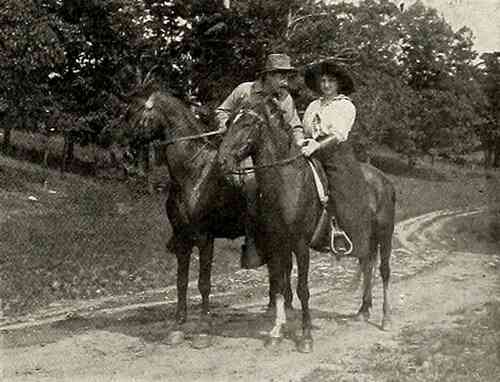
Furthermore, the film’s exploration of duty within a rigid institutional framework, like the U.S. Cavalry, inevitably brings to mind other historical or military dramas. The internal conflicts faced by individuals caught between personal desires and institutional codes of honor are timeless. Even in much grander historical epics like The Life and Death of King Richard III or Hamlet, Prince of Denmark, we see characters grappling with loyalty, betrayal, and the devastating impact of personal choices on their public standing and the wider community. 'Arizona' distills these monumental themes into a more intimate, yet equally potent, drama. The film's setting, while perhaps not a traditional 'Western' in the action-packed sense, certainly uses the frontier as a backdrop for moral testing, much like how the vastness of Glacier National Park might inspire awe and reflection, but here it's the moral wilderness that truly challenges the characters.
One of the most compelling aspects of 'Arizona' is its unflinching look at the concept of reputation, particularly for women, in the early 20th century. A woman's social standing was fragile, easily shattered by even a whisper of impropriety. The film deftly illustrates the societal pressures that could lead to such desperate measures – the necessity of one person destroying their own name to save another's. This theme is explored with a gravitas that transcends its period, offering a window into the prevailing moral codes and the often-unjust consequences for perceived transgressions. It's a stark reminder of how far society has, in some ways, evolved, yet also a subtle commentary on the enduring human tendency to judge and ostracize. The stakes felt incredibly real, not just for the characters involved, but for the audience, who would have understood the profound implications of such a scandal in their own communities.
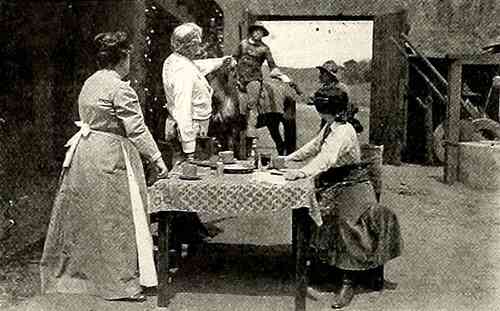
The film’s focus on the silent suffering and the internal battle of the protagonist, who chooses a path of self-sacrifice, differentiates it from more overtly action-oriented narratives of the time. It’s a drama of the soul, played out against a backdrop of military discipline and social rigidity. This psychological depth, achieved without extensive dialogue, is a hallmark of truly effective early cinema. It forces the audience to engage more deeply, to infer emotions from subtle cues and the grand sweep of the narrative. This makes 'Arizona' a more contemplative and emotionally resonant experience, rather than a mere spectacle, much like the profound spiritual journeys depicted in films such as Pilgrim's Progress, albeit with a secular, humanistic focus on moral righteousness.
Even today, 'Arizona' holds significant value, not just as a historical artifact of early American cinema, but as a potent exploration of timeless human dilemmas. It challenges us to consider the nature of true heroism: is it found in glory and triumph, or in quiet, self-effacing acts of protection? The film argues for the latter, presenting a protagonist whose greatest strength lies in his willingness to suffer for another. This narrative choice elevates it beyond a simple melodrama, imbuing it with a philosophical weight that continues to provoke thought. The film’s power lies in its ability to strip away the superficialities of social standing and expose the raw, often painful, core of human connection and responsibility.
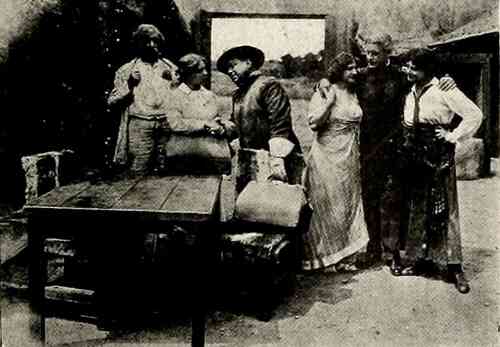
The work of Augustus Thomas, brought to life by a dedicated cast, creates a compelling case for the enduring power of character-driven storytelling. It reminds us that even in an age of nascent cinematic techniques, a strong narrative, coupled with sincere performances, could deeply move and challenge an audience. 'Arizona' isn't just a glimpse into the past; it's a mirror reflecting universal truths about honor, sacrifice, and the often-unseen battles fought within the human spirit. It is a cinematic experience that, despite its vintage, speaks volumes about the complexities of human relationships and the profound choices that define us.
In conclusion, 'Arizona' stands as a remarkable piece of early cinematic history, far more than a mere curiosity. It is a vibrant, emotionally charged drama that explores themes as relevant today as they were over a century ago. The sacrifice of its protagonist, the delicate balance of reputation and duty, and the profound human cost of moral choices are all rendered with an artistry that belies the film's age. It's a reminder that the foundational elements of compelling storytelling – strong characters, intense conflict, and meaningful resolution – have always been at the heart of great cinema. For anyone interested in the evolution of dramatic narrative on screen, or simply in a powerful story of human integrity and sacrifice, 'Arizona' is an essential viewing experience. It’s a quiet masterpiece, a testament to the fact that true drama doesn't need grand special effects or explosive action; it thrives in the intricate dance of human decisions and their far-reaching consequences. This film invites us to reflect on our own definitions of honor and the sacrifices we might, or might not, be willing to make for the sake of another. It's a profound journey, steeped in the dust and dignity of the American frontier, yet universal in its emotional resonance.
IMDb —
1934
Community
Log in to comment.